How to Exchange Currency in Mexico: A Comprehensive Guide for Travelers
Exchanging currency in Mexico is best handled by withdrawing Mexican Pesos (MXN) directly from formal bank ATMs, which typically offer the most competitive exchange rates. While currency exchange bureaus (casas de cambio) are widely av...
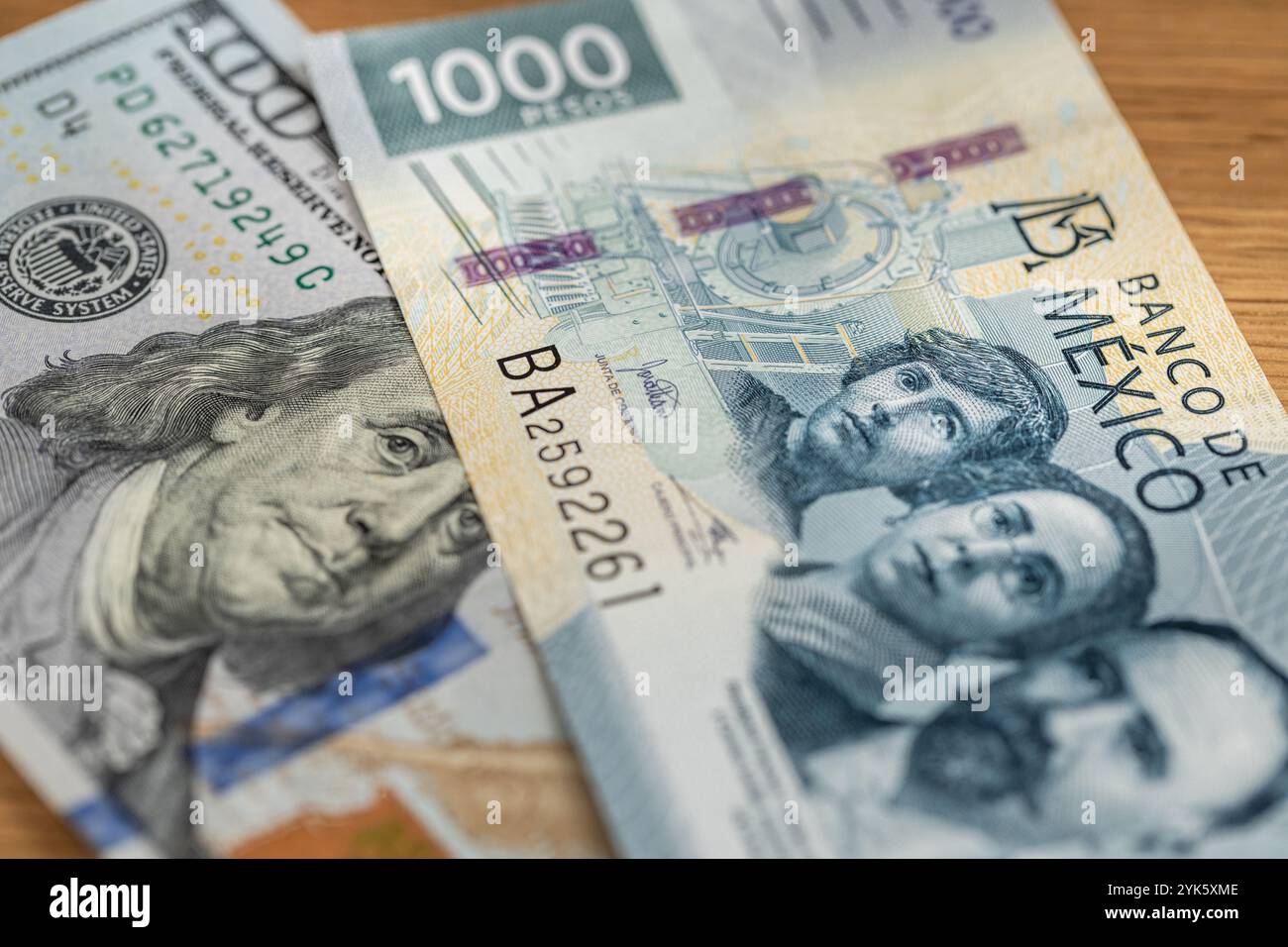
Exchanging currency in Mexico is best handled by withdrawing Mexican Pesos (MXN) directly from formal bank ATMs, which typically offer the most competitive exchange rates. While currency exchange bureaus (casas de cambio) are widely available in airports and tourist centers, they often charge higher fees or apply unfavorable conversion margins compared to direct debit card withdrawals.
Contents
Understanding the Mexican Currency Landscape
The official currency of Mexico is the Mexican Peso, denoted by the symbol "$" or "MXN" to distinguish it from other dollar-denominated currencies. Understanding the nuances of the financial system in Mexico is critical for ensuring you receive fair value for your home currency. Unlike in many North American or European cities where credit cards are accepted universally, Mexico remains a cash-reliant society, especially in rural areas, local markets, and small businesses.
Before traveling, it is important to realize that the exchange rate you see on Google or financial news sites is the "mid-market rate"—the midpoint between the buy and sell prices on the global market. Retail consumers rarely receive this exact rate; instead, you should aim to get as close to it as possible by avoiding high-commission providers.
Strategic Methods for Currency Exchange
To minimize costs, you must choose your exchange method carefully. Not all avenues for obtaining pesos are created equal.
1. Bank ATMs (The Recommended Method)
Using a debit card at a formal, bank-operated ATM is generally the most efficient way to acquire cash. When using an ATM in Mexico, you will likely encounter two types of fees: the fee charged by the Mexican bank and the fee charged by your home bank.
- Pro-tip: Always decline the "dynamic currency conversion" offered by the ATM screen. If the machine asks if you want to be charged in your home currency or in Pesos (MXN), always choose "Pesos." Choosing your home currency allows the bank to set an arbitrary, unfavorable exchange rate.
2. Casas de Cambio (Currency Exchange Bureaus)
These storefronts are common in international airports and near major tourist landmarks. They are convenient, but convenience comes at a price. They often display a "No Commission" sign, which can be misleading because they hide their profit margin in the spread—the difference between the price they buy your currency for and the price they sell it for. If you must use a casa de cambio, compare the rates at three or four nearby locations before committing.
3. Bank Branches
Walking into a reputable bank (such as BBVA, Banorte, or Santander) can be a safe way to exchange cash. However, these institutions often require you to have an account with them or may impose strict limits on the amount of cash they will exchange for non-customers. Furthermore, branch hours in Mexico are typically limited, often closing by 4:00 PM on weekdays, and they are generally closed on weekends.
Comparison Table: Exchange Methods
| Method | Convenience | Cost/Fee Level | Recommended Use |
|---|---|---|---|
| Bank ATM | High | Low | Primary source of cash |
| Casa de Cambio | Very High | Moderate to High | Emergencies only |
| Bank Teller | Low | Low to Moderate | Large, planned exchanges |
| Airport Kiosk | Very High | Very High | Avoid if possible |
Prerequisites and Practical Requirements
Before traveling, ensure your financial tools are prepared for international use:
- Travel Notifications: While many modern banking apps no longer require a formal travel notice, it is prudent to confirm your card’s international policy to prevent a "fraud alert" from freezing your account.
- PIN Codes: Ensure your debit card has a four-digit numeric PIN. Some older European or North American systems allow longer pins, but Mexican ATM systems are standardized for four-digit entries.
- Card Networks: Visa and Mastercard are the most widely accepted card networks in Mexico. American Express and Discover are accepted at large hotels and high-end retailers but are frequently rejected at small businesses.
Managing Costs and Avoiding Common Mistakes
The most common mistake travelers make is exchanging money at the airport upon arrival. Airport kiosks operate in a captive market and frequently offer the worst rates in the country. If you arrive without cash, it is better to use an airport ATM to withdraw a small amount for immediate needs and then perform a larger withdrawal at a bank ATM in the city center once you have checked in.
Another consideration is the denomination of your bills. While 500-peso notes are common, some smaller vendors may struggle to provide change for them. When withdrawing cash, try to withdraw amounts that result in a mix of 100 and 200-peso notes.
Safety Considerations
Safety when handling money is paramount in any foreign destination.
- ATM Placement: Always prioritize ATMs located inside bank lobbies or malls rather than those located on the street or in dark, isolated vestibules.
- Verification: Count your money immediately after the transaction is complete while still in front of the machine.
- Avoid "Over-the-Counter" Exchanges: Do not exchange money with individuals on the street who offer "better rates" than the official bureaus. This is a common setup for scams or the distribution of counterfeit currency.
Frequently Asked Questions
Is it better to bring US Dollars to Mexico? Generally, no. While US Dollars are accepted in some tourist-heavy border regions, you will almost always receive a poor exchange rate from vendors. Using local currency (Pesos) is expected and ensures you are paying the local price rather than an inflated "tourist" rate.
Do I need a specific type of debit card? Any standard debit card linked to a checking account will work. If possible, use a card from a financial institution that rebates international ATM fees. This effectively eliminates the cost of using ATMs abroad.
How much cash should I carry daily? This depends on your travel style. If you are staying in all-inclusive resorts, you may only need cash for small tips. If you are traveling independently, carrying between 1,000 and 2,000 MXN is usually sufficient for daily expenses such as local transport, street food, and entrance fees to archaeological sites.
Are credit cards widely accepted? In urban centers like Mexico City, Guadalajara, or Monterrey, credit cards are accepted in most restaurants and shops. However, cash remains king in smaller towns and for activities like local artisan shopping or public transit.
Final Recommendation
For the best financial experience in Mexico, use your debit card to withdraw cash directly from a secure bank-affiliated ATM inside a branch office. Limit your cash usage to daily needs, use credit cards for larger hotel and dining bills, and keep a backup debit or credit card stored in a separate, secure location. By avoiding airport exchange kiosks and "convenience" currency counters, you ensure that your travel budget is spent on your experiences rather than bank transaction fees.
Image Gallery