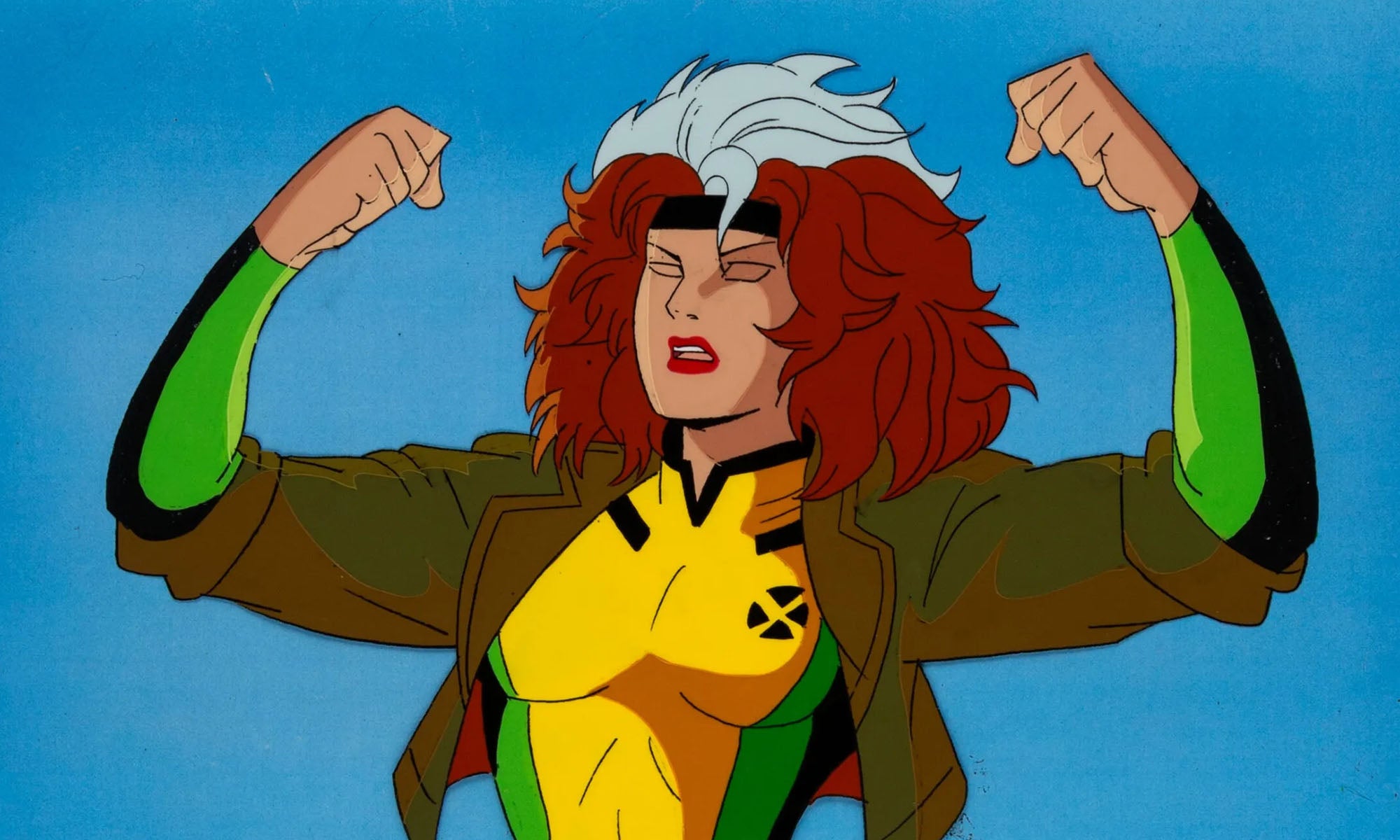
The Evolution of X-Men Bobby and Rogue: A Complex Relationship History
The relationship between Bobby Drake (Iceman) and Anna Marie (Rogue) stands as one of the most compelling, unconventional, and frequently revisited dynamics in X-Men lore. Evolving from early-2000s cinematic adaptations to comic book a...
The relationship between Bobby Drake (Iceman) and Anna Marie (Rogue) stands as one of the most compelling, unconventional, and frequently revisited dynamics in X-Men lore. Evolving from early-2000s cinematic adaptations to comic book arcs, their connection bridges the gap between classic mutant isolation and the turbulent complexities of identity, touch, and personal growth.
Contents
Introduction to the Dynamic Between Iceman and Rogue
The pairing of Bobby Drake and Rogue originated not on the printed page, but on the silver screen in the 2000 feature film X-Men. Directed by Bryan Singer, the films brought together two core mutants struggling with the physical realities of their powers: Bobby, whose body transforms into organic ice, and Rogue, whose skin-to-skin contact absorbs the memories, life force, and powers of anyone she touches.
While their comic book counterparts maintained entirely separate historical tracks for decades, the cinematic universe sparked a cross-media fascination. Writers later explored variations of their dynamic in comics and animation. This evolution highlights how two characters dealing with alienation through touch and temperature found common ground, transformed their relationship across different continuities, and ultimately navigated vastly different personal trajectories.
Cinematic Origins: The Fox X-Men Film Universe
In the original Fox X-Men trilogy (X-Men, X-Men 2, and X-Men: The Last Stand), Bobby Drake (played by Shawn Ashmore) and Rogue (played by Anna Paquin) form a teenage romance at Xavier’s School for Gifted Youngsters.
The Foundation of Mutual Isolation
The emotional core of their cinematic relationship rests on their shared burden of "untouchability." For Rogue, her mutant ability is an involuntary curse; she cannot touch another human being without causing physical harm or absorbing their consciousness. For Bobby, his mutation alters his physical composition entirely, creating a barrier between his human self and the world.
In X-Men 2 (2003), this dynamic intensifies when Bobby reveals his mutant nature to his family in Boston, leading to rejection. Rogue witnesses Bobby’s struggle and offers empathy, solidifying their bond. However, the physical barrier remains constant: Bobby can control his ice, but he must remain cautious not to hurt Rogue, while Rogue must constantly guard against her absorption powers.
Strains and Triangle Dynamics in The Last Stand
By X-Men: The Last Stand (2006), their relationship faces external pressures, most notably the introduction of Kitty Pryde (Elliot Page). Kitty’s ability to phase through solid matter—and her ability to touch Bobby without physical consequence—creates romantic tension. Bobby and Kitty’s burgeoning connection highlights the inherent limits of Bobby and Rogue's relationship.
The emotional arc reaches a turning point when Rogue chooses to take the "cure" developed by Worthington Laboratories to suppress her mutant gene, desiring normal human contact. Bobby's reaction is mixed, reflecting the ideological divide among mutants regarding the cure. Ultimately, Rogue's choice reshapes their dynamic, setting the stage for a different kind of future as the film series concludes.
Comic Book Continuities and Divergent Paths
While the films popularized Bobby and Rogue as a couple, their comic book history diverged significantly for many years. Created by Stan Lee and Jack Kirby, Bobby Drake was part of the original five X-Men introduced in 1963. Rogue, created by Chris Claremont and Michael Golden, debuted in Avengers Annual #10 in 1981 as a villain before joining the X-Men.
Parallel Lives in the Classic Era
In standard Marvel continuity (Earth-616), Bobby and Rogue spent decades as teammates rather than romantic partners. Rogue’s primary long-term comic book romance was with Remy LeBeau (Gambit), a relationship defined by its volatile push-and-pull nature and the lingering threat of her absorption power. Bobby, meanwhile, navigated various relationships while quietly grappling with his internal identity, leading to his eventual public coming out as a gay man in All-New X-Men #40 (2015) by Brian Michael Bendis.
Alternate Realities and Ultimate Marvel
The popularity of their cinematic coupling prompted Marvel writers to explore Bobby and Rogue relationships in alternate universes:
- X-Men: The End: This speculative future series by Chris Claremont showcased mature iterations of the characters, acknowledging their shared history.
- Ultimate X-Men: Set in the modernized Earth-1610 universe, the characters echoed some of the teenage angst and relationship struggles seen in the films, though the Ultimate universe pursued distinct narrative paths for both mutants.
| Continuity | Nature of Relationship | Key Milestones | Primary Challenges |
|---|---|---|---|
| Fox Film Universe | Romantic Partners (Teenage/Young Adult) | Bonded over isolation in X2; strained by Kitty Pryde and the Mutant Cure in X-Men: The Last Stand. | Inability to touch safely, ideological splits over the mutant cure. |
| Earth-616 (Mainstream Comics) | Platonic Teammates / Friends | Fought alongside one another in various rosters of the X-Men and X-Factor. | Separate romantic arcs (Rogue with Gambit; Bobby exploring his identity). |
| Alternate Realities | Variable (Platonic or Romantic depending on the writer) | Explored in various multiverse events and speculative timelines. | Divergent editorial priorities and character reboots. |
Themes of Identity, Control, and Bodily Autonomy
The evolution of Bobby and Rogue's dynamic resonates deeply because it serves as an allegory for bodily autonomy, adolescent discovery, and the management of personal identity.
The Metaphor of Physical Touch
In superhero fiction, powers often symbolize psychological states. Rogue’s power makes intimacy dangerous, forcing her to maintain physical distance from everyone she loves. Bobby’s transformation into ice represents emotional detachment and suppression. When these two characters interact, their struggles mirror real-world discussions on consent, boundaries, and the pain of feeling fundamentally "other" in a society that demands conformity.
Personal Growth and Self-Actualization
Over time, both characters outgrew the limitations of their teenage dynamic:
- Rogue eventually gained greater control over her abilities, learning to harness absorbed powers safely and stepping into leadership roles within the X-Men and the Avengers.
- Bobby completed a profound personal evolution by accepting his identity, moving past years of masking, and embracing his role as one of the most powerful omega-level mutants on Earth.
Their respective journeys demonstrate that while their early connection was forged in shared trauma and isolation, both characters ultimately found strength by defining themselves on their own terms rather than through mutual dependence.
Frequently Asked Questions
Did Bobby Drake and Rogue date in the comic books?
In mainstream Marvel Comics continuity (Earth-616), Bobby and Rogue were primarily teammates and friends rather than romantic partners. Their romance was largely popularized by the 2000s X-Men film trilogy and subsequently referenced in select alternate universe stories.
Why couldn't Rogue touch Bobby Drake in the movies?
Rogue’s mutant power causes her to absorb the memories, life force, and physical abilities of anyone she touches skin-to-skin. While Bobby's skin is made of organic ice, touching him could still trigger her absorption abilities or prove hazardous depending on the state of his transformation, mirroring her general inability safely touch anyone without protection.
How did Rogue's relationship with Bobby end in the films?
In X-Men: The Last Stand (2006), their relationship becomes strained due to Bobby's growing friendship with Kitty Pryde. The dynamic shifts further when Rogue decides to take the mutant cure to live a normal life, concluding their teenage romance arc.
What are Bobby Drake's primary mutant powers?
Bobby Drake is an omega-level mutant capable of manipulating ambient thermal energy to freeze objects, transform his entire body into organic ice, and generate complex ice structures, projectiles, and clones.
How has Rogue's power control evolved over time?
Initially unable to touch anyone without absorbing them, Rogue later gains better psychological and physiological control over her abilities through various comic book storylines, allowing her to touch loved ones under specific circumstances or harness absorbed powers with precision.
Conclusion and Legacy
The evolution of Bobby and Rogue reflects the broader maturation of the X-Men franchise itself. Moving from cinematic teen romance to complex explorations of individual identity, autonomy, and power, their dynamic remains a fan-favorite touchstone of the early-2000s superhero renaissance. Whether viewed through the lens of the Fox film adaptations or the vast tapestry of Marvel's comic book multiverses, Bobby Drake and Rogue illustrate how shared vulnerability can pave the way for lasting personal strength.
Image Gallery