Understanding the UK Newspaper Readership Landscape: Metrics, Platforms, and Demographics
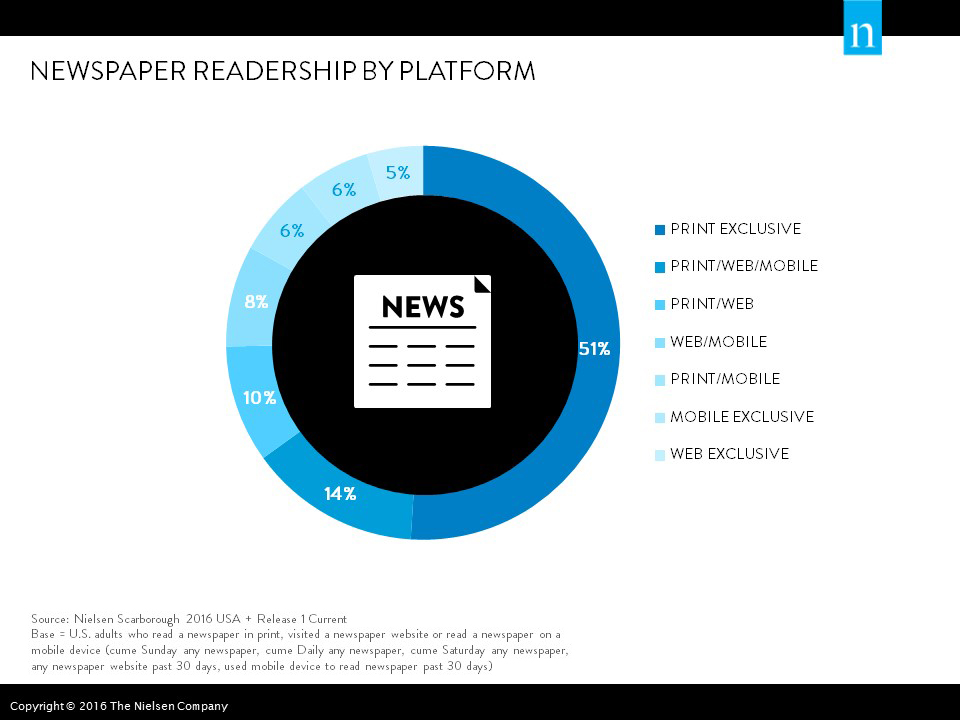
The UK newspaper readership landscape is a mature, hybrid ecosystem defined by the transition from print-heavy consumption to cross-platform digital engagement. While physical circulation has declined steadily, national press brands re...
The UK newspaper readership landscape is a mature, hybrid ecosystem defined by the transition from print-heavy consumption to cross-platform digital engagement. While physical circulation has declined steadily, national press brands reach larger total audiences than ever before by leveraging mobile apps, website publishing, social platforms, and digital replica editions alongside print.
Contents
Structure of the UK Press: Market Tiers and Editorial Categories
The United Kingdom national press is historically divided into distinct market segments based on editorial tone, format, price point, and target audience. Although digital publishing has blurred physical distinctions such as broadsheet and tabloid formats, these categories remain fundamental to media planning, advertising buying, and audience profiling.
Quality and Broadsheet Press
The "quality" sector—historically published in broadsheet format—focuses on comprehensive international and domestic reporting, deep political analysis, business news, and cultural commentary. Key national titles in this segment include The Times, The Sunday Times, The Daily Telegraph, The Sunday Telegraph, The Guardian, The Observer, and the Financial Times.
Audience profiles in the quality segment lean heavily toward higher socio-economic groups (NRS social grade AB), professionals, and university-educated readers. Brands in this tier have pioneered sophisticated digital monetization strategies. For example, The Times and the Financial Times operate strict digital subscription paywalls, whereas The Guardian maintains an open-access website sustained through reader contributions, donations, and programmatic advertising.
Mid-Market Press
The mid-market segment bridges the gap between highbrow quality titles and mass-market popular tabloids. The primary titles dominant in this space are the Daily Mail, The Mail on Sunday, the Daily Express, and the Sunday Express.
Mid-market newspapers combine coverage of mainstream political and economic issues with lifestyle features, consumer campaigns, celebrity news, and human-interest stories. The Daily Mail’s digital counterpart, MailOnline, operates as a high-volume, global, ad-supported popular portal, creating a massive digital audience distinct from the traditional, older print readership of the physical newspaper.
Popular and Tabloid Press
The popular press, traditionally printed in tabloid format, targets mass-market consumer audiences (social grades C2DE). Primary publications include The Sun, The Sun on Sunday, Daily Mirror, Sunday Mirror, Daily Star, and Sunday People.
These titles prioritize breaking news, crime reporting, sports coverage, celebrity gossip, and consumer campaigns. Editorially, their tone is direct, conversational, and visual. Digital strategies within the popular tier vary: while The Sun previously experimented with paywalls before returning to an ad-funded model, the Daily Mirror (under Reach plc) relies heavily on high-traffic, multi-regional digital network monetization.
Regional, Local, and Free Publications
Beyond the national press, the UK possesses a deep network of regional daily newspapers (such as the Yorkshire Post, The Scotsman, and the Manchester Evening News) alongside free urban dailies like Metro. Free publications play a significant role in major metropolitan transport networks, catering to daily commuters who consume print during transit.
Regional publications have experienced profound operational changes, with regional publishers consolidating print operations while expanding central digital news hubs to maintain local audience reach online.
How Readership is Measured: PAMCo vs. ABC
Accurately evaluating UK newspaper performance requires understanding the distinction between physical distribution figures and total audience reach across platforms.
- UK Media Measurement Framework
- ABC (Audit Bureau of Circ.)
- Physical print copy counts
- Paid vs. free distribution
- Retail vs. subscription sales
- Transactional volume data
- PAMCo (Publishers' Audience Measurement Company)
- Blended cross-platform metric
- De-duplicated total reach
- Survey data + digital tracking
- Demographic & social grading
- ABC (Audit Bureau of Circ.)
PAMCo: Total Brand Reach
The primary metric for evaluating overall UK newspaper audience size is published by PAMCo (Publishers' Audience Measurement Company). Introduced to replace the legacy National Readership Survey (NRS), PAMCo provides single-source, de-duplicated audience data across print, desktop, tablet, and smartphone platforms.
PAMCo measures "Total Brand Reach," allowing advertisers and analysts to see how many unique individuals engage with a newspaper brand over daily, weekly, or monthly periods across all distribution channels. By integrating survey data with digital measurement from Ipsos iris, PAMCo captures modern consumption habits, where a reader might skim a print copy on Sunday but read breaking news apps on a smartphone throughout the week.
ABC: Physical Circulation and Distribution
The Audit Bureau of Circulations (ABC) tracks physical print distribution, paid single-copy newsstand sales, paid subscriptions, and verified free distribution.
While ABC figures historically dictated national newspaper rankings, the utility of public ABC reports evolved as several major publishers—including News UK (The Sun, The Times) and Telegraph Media Group—opted out of public monthly ABC reporting. These publishers chose instead to focus market attention on private audited metrics, paid subscription volumes, or PAMCo total brand reach. Consequently, ABC remains a vital tool for verifying transactional print scale, but PAMCo provides the standard benchmark for total audience engagement.
Major Publisher Ecosystems and Ownership
Concentration of ownership is a defining characteristic of the UK newspaper market. A small group of major commercial publishing houses owns the vast majority of national titles:
- DMG Media (Daily Mail and General Trust): Publisher of the Daily Mail, The Mail on Sunday, Metro, and i. DMG Media commands enormous combined digital and print reach through its national broad-market distribution and MailOnline.
- News UK (Subsidiary of News Corp): Owner of The Times, The Sunday Times, The Sun, and The Sun on Sunday. News UK maintains a balanced revenue strategy operating both hard digital paywalls (The Times) and free, ad-funded platforms (The Sun).
- Reach plc: The largest commercial national and regional news publisher in the UK. Its portfolio includes the Daily Mirror, Sunday Mirror, Daily Express, Sunday Express, Daily Star, and dozens of major regional titles unified under the Live network umbrella.
- Guardian Media Group (GMG): Owned by The Scott Trust, GMG publishes The Guardian and The Observer. Its governance model prioritizes editorial independence, funding operations through global reader contributions, memberships, and digital advertising without a traditional paywall.
- Telegraph Media Group (TMG): Publisher of The Daily Telegraph and The Sunday Telegraph. TMG operates a subscription-first commercial model targeted at high-value print and digital subscribers.
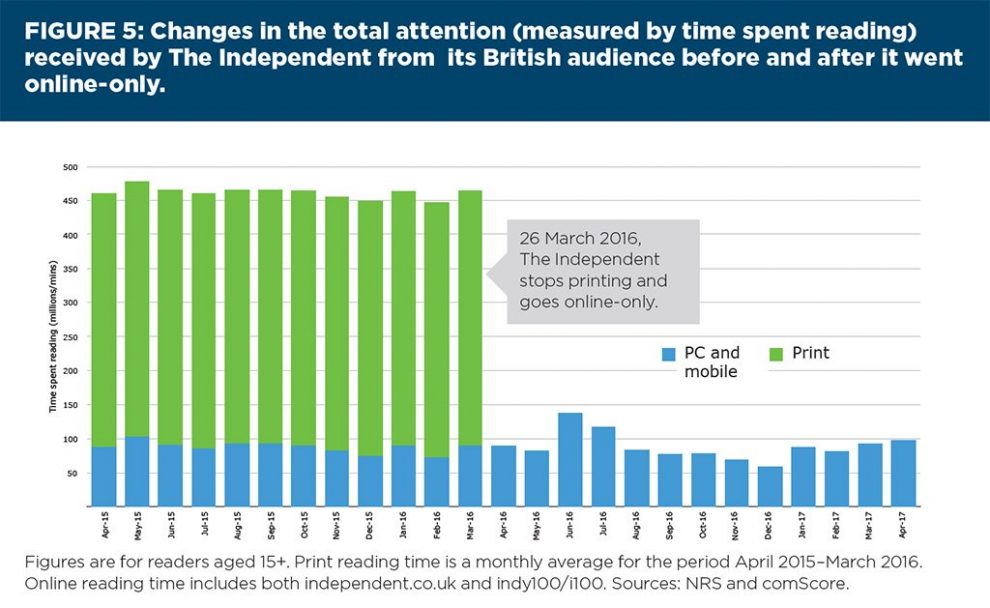
- Nikkei Inc. / Independent Digital News & Media: Financial Times (owned by Japanese media group Nikkei) focuses heavily on institutional, international, and corporate digital subscriptions. The Independent, owned by Independent Digital News & Media, completed a transition to a 100% digital-only publisher after ceasing print operations in 2016.
Comparative Overview of Major UK National Newspaper Brands
The following table summarizes the market positioning, primary access models, target audience profiles, and measurement priorities across the UK national newspaper sector.
| Newspaper Title | Publisher | Market Segment | Primary Access Model | Target Demographic & Social Grade | Dominant Reading Channel |
|---|---|---|---|---|---|
| The Times / Sunday Times | News UK | Quality | Hard Digital Paywall / Paid Print | ABC1, professional, high income | Mobile app & weekend print |
| The Guardian / Observer | Guardian Media Group | Quality | Open Access / Reader Voluntary Contributions | ABC1, progressive, highly educated | Desktop & mobile web |
| The Daily Telegraph | Telegraph Media Group | Quality | Premium Digital Subscriptions / Paid Print | ABC1, mature, conservative leaning | Print subscriptions & mobile app |
| Financial Times | Nikkei Inc. | Quality / Specialist | Corporate & Individual Digital Subscriptions | AB, global business executives, finance | Desktop & professional web apps |
| Daily Mail / Mail on Sunday | DMG Media | Mid-Market | Free Ad-Supported (Online) / Paid Print | C1C2D (Print), Global Mass Market (Online) | Print (UK daily), Web (MailOnline) |
| Daily Express / Sunday Express | Reach plc | Mid-Market | Free Ad-Supported Digital / Paid Print | C1C2D, mature, traditional readers | Print & regional news syndication |
| The Sun / Sun on Sunday | News UK | Popular / Tabloid | Free Ad-Supported Digital / Paid Print | C2DE, mass consumer, sports focused | Smartphone web & daily print |
| Daily Mirror / Sunday Mirror | Reach plc | Popular / Tabloid | Free Ad-Supported Digital / Paid Print | C2DE, working class, broad consumer | Mobile web & regional syndication |
| Metro | DMG Media | Freesheet / Mass | Distributed Free (Urban Transit) | ABC1C2, urban commuters, younger working demographic | Physical weekday print & digital |
| The Independent | Independent Digital | Quality (Digital Only) | Metered / Digital Subscription Hybrid | ABC1, digitally native, broad international | Web & mobile browser |
Digital Transformation and Revenue Models
The structural shift away from traditional print purchasing has forced UK publishers to adopt diversified revenue models. The UK press market no longer relies on a single dominant sales mechanism; instead, publishers employ varied digital strategies tailored to their specific brand equity.
- UK Publisher Revenue & Access Spectrum
- HARD PAYWALL (The Times, FT)
- Direct Subscriptions
- METERED / HYBRID (Telegraph, Independent)
- Mixed Sub/Ad Revenue
- OPEN / CONTRIBUTIONS (Guardian, MailOnline)
- Ad Reach/Donations
- HARD PAYWALL (The Times, FT)
Hard Paywalls and Subscription-First Strategies
Publishers offering specialized, high-value, or proprietary analysis favor hard paywalls. The Times and the Financial Times restrict access to digital content exclusively to paying subscribers.
This model trades broad digital volume for high average revenue per user (ARPU). Success in this strategy depends on retaining a loyal core user base willing to pay monthly or annual recurring rates for exclusive commentary, business intelligence, and premium mobile app experiences.
Open-Access and Advertising Models
Conversely, high-volume news sources prioritize scale over restricted access. Outlets such as MailOnline, The Sun, and Reach plc titles maintain free digital portals designed to maximize overall traffic, pageviews, and ad impressions.
These platforms rely on programmatic display advertising, native branded content, video advertising, and affiliate links. To maintain profitability, these publishers focus on search engine optimization (SEO), social media distribution, and content syndication to capture high daily unique visitor counts.
Reader Contributions and Membership Models
The Guardian operates a unique commercial strategy among major quality titles, remaining free to read globally while asking readers for voluntary financial contributions, memberships, and digital subscriptions for ad-free apps. This model relies on brand alignment, editorial affinity, and global audience scale, proving that monetizing open access does not depend entirely on display advertising.
Demographic Segmentation and Consumption Patterns
Understanding UK newspaper readership requires analyzing how demographics—particularly age, geography, and political orientation—dictate media consumption.
Age and Channel Preference
Data from media monitoring resources and news consumption surveys produced by Ofcom consistently highlight an age divide in news habits:
- Older Demographics (55+ Years): Represent the core remaining readership for daily physical print newspapers. Print loyalty is highest among retired and mature demographics, who are more likely to purchase a daily paper via traditional newsagent subscriptions or single-copy retail.
- Younger Demographics (18–34 Years): Consume news almost entirely through smartphones, social media aggregators, short-form video platforms, and search engines. For this audience, news brands function as digital content feeds rather than physical print mastheads.
Editorial Alignment and Political Spectrum
The UK national press is notable for explicit political leanings, particularly during general elections and national policy debates.
- Right-of-Centre / Conservative: The Daily Telegraph, The Times, Daily Mail, Daily Express, and The Sun. These titles collectively account for a major share of physical print circulation and maintain strong editorial influence among conservative-leaning voters.
- Left-of-Centre / Progressive: The Guardian, The Observer, and the Daily Mirror. These titles advocate for social policy reform, public service funding, and progressive environmental initiatives.
- Centrist / Liberal / Market-Oriented: Financial Times, The Independent, and i. These publications prioritize economic pragmatism, market analysis, and social liberal policies, appealing to international investors, business leaders, and politically unaligned voters.
Strategic Guidance for Media Buyers, Analysts, and PR Professionals
For communications professionals, brand marketers, and researchers navigating the UK media environment, evaluating a newspaper’s reach requires a multi-layered approach:
- Evaluate Total Brand Reach via PAMCo: Do not rely solely on physical print circulation figures. A title with declining print sales may hold a dominant, growing mobile audience that offers higher targeting precision for digital campaigns.
- Align Access Models with Audience Mindset: Readers behind hard paywalls (The Times, FT) typically demonstrate higher engagement, longer session durations, and greater disposable income. Conversely, ad-supported mass portals (MailOnline, The Sun) provide massive top-of-funnel reach and immediate viral potential.
- Account for Geographic Variation: National newspapers dominate overall mindshare, but regional publishing networks under Reach plc or Newsquest provide essential hyper-local engagement for regional campaigns, local government initiatives, or location-based services.
- Monitor Cross-Platform Content Lifecycles: Print leads the political agenda during early morning news cycles, but digital updates, push notifications, and social syndication drive sustained consumer engagement throughout the day.
Frequently Asked Questions
Which UK newspaper has the largest total readership?
When evaluating Total Brand Reach across print and digital platforms combined via PAMCo data, mass-market brands like the Daily Mail (via MailOnline) and The Sun routinely log the largest overall monthly audiences in the UK. For physical print copy sales alone, free commuter papers like Metro and established daily titles like the Daily Mail maintain top distribution numbers.
What is the difference between ABC and PAMCo metrics?
ABC (Audit Bureau of Circulations) measures physical transactional data—specifically how many physical print copies are printed, sold, or distributed for free. PAMCo (Publishers' Audience Measurement Company) measures total human audience reach across all platforms (print copies read, mobile apps, desktop websites, and tablets) de-duplicating cross-platform users to reveal total unique readers.
Are print newspapers still profitable in the UK?
Yes, though profit margins for print have narrowed due to rising newsprint, energy, and distribution costs. Print publications continue to generate revenue through cover prices, print subscriptions, and high-value display advertising targeted at affluent, loyal older demographics. However, most growth investment is directed toward digital subscriptions and programmatic ad networks.
How do paywalls impact a newspaper's audience profile?
Strict paywalls reduce overall website traffic volume but increase audience quality, user retention, and reader intent. Outlets using hard paywalls (The Times, Financial Times) attract higher concentrations of NRS AB social grade professionals, corporate subscribers, and high-net-worth individuals, making them valuable platforms for premium B2B and luxury advertising.
Image Gallery