Is the Cardi B Bump Worth It? ROI, Impact, and Reality Explained
Evaluating whether the "Cardi B bump"—the rapid surge in sales, web search volume, and social engagement triggered by a Cardi B endorsement or feature—is worth the investment depends on your strategic objective. For enterprise brands a...
Evaluating whether the "Cardi B bump"—the rapid surge in sales, web search volume, and social engagement triggered by a Cardi B endorsement or feature—is worth the investment depends on your strategic objective. For enterprise brands and musical collaborators, the high upfront cost delivers immediate viral exposure and conversion spikes, though sustained long-term value requires strong product alignment and customer retention systems.
Contents
Understanding the "Cardi B Bump"
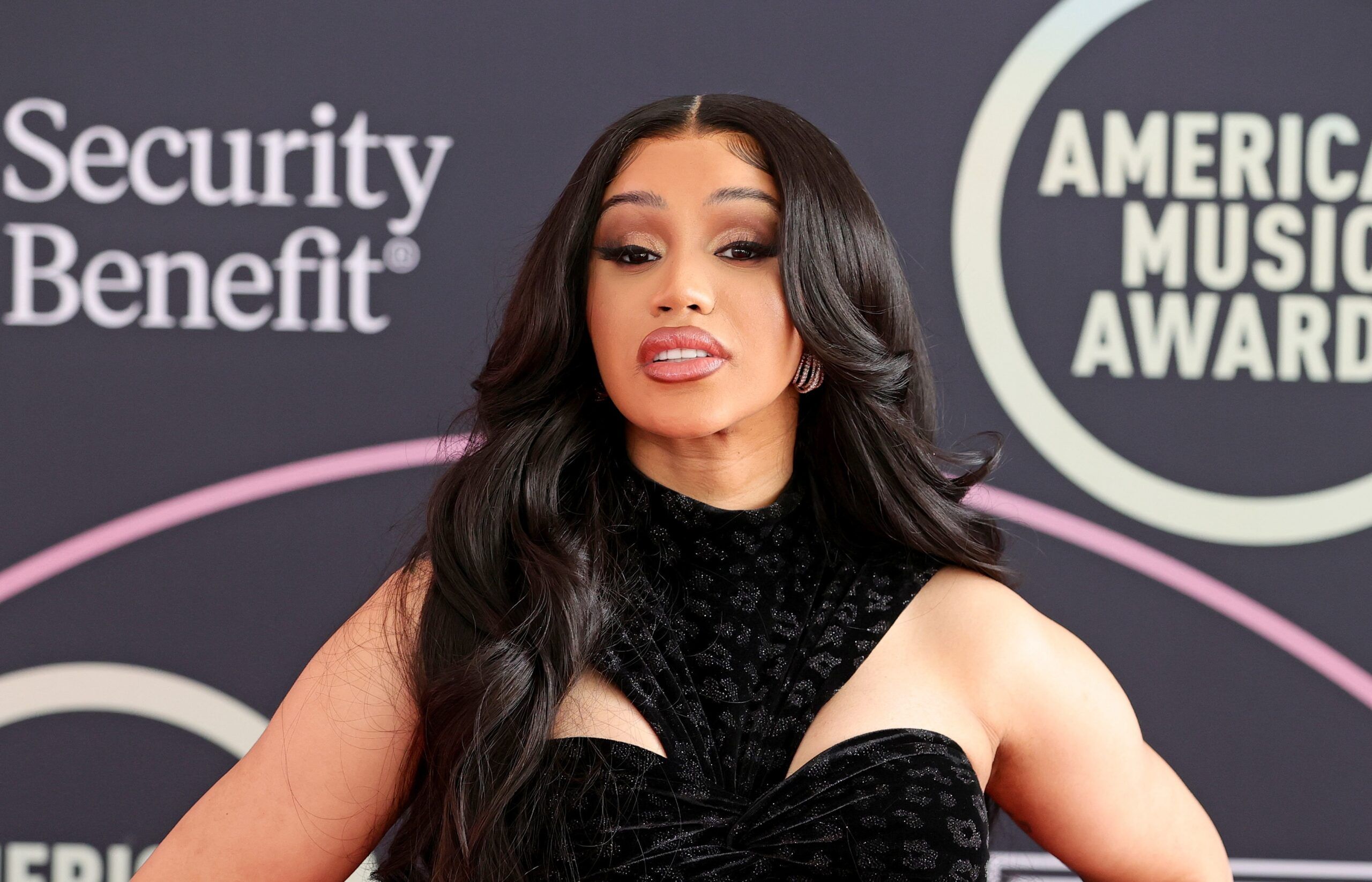
The term Cardi B bump (often called the Cardi B effect) describes the immediate, measurable expansion in brand awareness, direct consumer traffic, and revenue that occurs when hip-hop artist Cardi B endorses a product, mentions a brand in her lyrics, or appears as a featured artist. Comparable to the classic "Oprah Effect" or modern viral TikTok trends, this phenomenon capitalizes on her unvarnished social media presence and massive cultural footprint.
The phenomenon first gained widespread commercial recognition following her 2017 hit single "Bodak Yellow," where a single lyric referencing "bloody shoes" generated an estimated $4.5 million in earned media value for luxury footwear designer Christian Louboutin, according to fashion tracking firm Launchmetrics. Subsequent commercial partnerships—ranging from multi-year apparel collections with Fashion Nova and Reebok to food-and-beverage ventures like Whipshots and McDonald's—demonstrated that her audience active engagement translates directly into immediate purchasing action.
Unlike traditional celebrity co-signs, which can feel scripted or distant, the Cardi B bump relies on perceived authenticity. When she highlights a product, her audience views it less as a paid corporate placement and more as a genuine recommendation from a peer. However, for businesses evaluating partnership fees, or consumers assessing viral products, determining whether this initial surge delivers lasting return on investment (ROI) requires looking beyond immediate viral metrics.
Evaluating the Commercial ROI for Brands and Advertisers
For corporations and direct-to-consumer (DTC) brands, entering a marketing partnership with a top-tier global celebrity requires significant capital outlay. Determining if the Cardi B bump justifies this financial commitment involves analyzing both short-term sales lifts and long-term customer lifetime value (LTV).
Upfront Capital Requirements vs. Conversion Metrics
Securing a high-profile endorsement, sponsored campaign, or joint venture with a superstar of Cardi B’s caliber requires substantial budget allocation, often reaching mid-to-high seven figures for global rights. For smaller DTC brands or mid-market businesses, this capital intensity creates substantial financial risk if the campaign fails to convert.
When execution aligns with consumer demand, immediate conversion metrics can be extraordinary:
- Instant Traffic Spikes: Partner websites regularly experience exponential traffic surges within minutes of an endorsement post, frequently causing server overloads if infrastructure is unprepared.
- Rapid Inventory Depletion: Co-branded merchandise and featured product lines regularly sell out within hours of launch, generating rapid cash flow for inventory turnaround.
- Earned Media Multiplication: Paid social posts frequently trigger organic coverage across fashion, business, and pop-culture news outlets, compounding the campaign's total reach without additional ad spend.
The Customer Retention Challenge
While the initial bump excels at top-of-funnel customer acquisition, long-term ROI hinges on what happens after the initial hype subsides. A common pitfall for brands leveraging celebrity endorsements is high customer churn. Consumers driven strictly by celebrity fandom often exhibit lower brand loyalty to the underlying business.
To capture genuine long-term value from the Cardi B bump, enterprises must deploy robust post-purchase retention frameworks, including automated email nurture sequences, loyalty programs, and high-quality customer support. Without these operational foundations, the customer acquisition cost (CAC) paid through celebrity licensing fees can exceed the long-term gross margin generated by single-time buyers.
The Music Industry Perspective: Is a Feature Worth the Price?
In the recording industry, securing a guest verse from a chart-topping artist is one of the most direct strategies for independent record labels and emerging artists to achieve mainstream commercial exposure. The "bump" in this context refers to chart position gains, streaming volume increases, and algorithmic playlist inclusion.
The Music Feature Ripple Effect:
- Guest Feature Secured
- Immediate Algorithmic Playlist Insertion
- Cross-Demographic Radio & Social Reach
- Global Audience Retention
Streaming Amplification and Algorithmic Discovery
A guest feature from Cardi B instantly changes the distribution trajectory of a track. Digital service providers (DSPs) such as Spotify, Apple Music, and Amazon Music automatically index high-profile features into flagship playlists (e.g., RapCaviar, Today's Top Hits). This placement triggers positive feedback loops within recommendation algorithms:
- Baseline Streaming Floor: A track featuring a top-tier artist secures millions of guaranteed streams within its first 48 hours purely from subscriber notification feeds.
- Algorithmic Radio Placement: High initial completion rates push the track into user-specific algorithmic radio stations and automated discovery queues.
- Cross-Demographic Reach: A feature bridges the primary artist’s core fanbase with Cardi B’s broader pop and urban listener base, expanding the lead artist’s long-term audience profile.
Financial Viability of High-Tier Features
For music executives and record labels, spending upper-tier feature fees (historically ranging from $250,000 to over $1,000,000 depending on master ownership rights and publishing splits) represents a major capital risk. The investment is generally considered "worth it" only under specific conditions:
- Catalog Monetization: The lead artist possesses a deep, high-quality back catalog capable of retaining new listeners who discover them through the featured single.
- Global Tour Underwriting: The boost in public profile allows the artist to upgrade performance venues from small clubs to arenas or major festival billing.
- Label Upfront Advances: The feature acts as a proof-of-concept to secure larger distribution deals or venture financing for future project cycles.
The Consumer Reality: Are Co-Signed Products Worth Buying?
From a consumer standpoint, the "is it worth it" question centers on product utility, quality, and pricing transparency rather than commercial ROI. When a product goes viral due to Cardi B’s endorsement, consumers must evaluate whether the item holds intrinsic value or merely reflects inflated celebrity branding.
Fast Fashion and High-End Luxury
Cardi B’s endorsement spectrum spans extreme ends of the price spectrum—from accessible fast-fashion collections to high-end designer accessories.
- Mass-Market Collections: Collaborative apparel lines designed for broad retail accessibility prioritize trendy aesthetics and low price points. For consumers seeking current fashion styles at budget-friendly prices, these collections generally deliver on expectations, provided buyers do not expect luxury materials or decades-long durability.
- Luxury & Designer Goods: When luxury items experience a Cardi B bump, the underlying craftsmanship remains governed by the heritage brand's manufacturing standards. The endorsement serves primarily as a style validator rather than an indicator of structural quality changes.
Consumer Goods and Beverage Brands
In consumer packaged goods (CPG), ventures like Whipshots (a vodka-infused whipped cream co-developed with Starco Brands) illustrate how celebrity involvement can drive novel product categories into mainstream retail distribution. For consumers, evaluating these items requires separating novelty from everyday utility. Products in this category often succeed because they combine distinct, shareable visual elements with consistent baseline taste profiles, making them popular for events and social gatherings.
Strategic Comparison: Measuring Value Across Business Models
To evaluate whether pursuing or leveraging the Cardi B bump aligns with your goals, consider how performance outcomes vary across different organizational models:
| Entity Type / Objective | Est. Upfront Investment | Immediate Impact ("The Bump") | Retention & LTV Potential | Overall Worth Verdict |
|---|---|---|---|---|
| Established Luxury Brands | High ($1M+) | Severe spike in social media impression volume and cultural relevance. | High; reinforces brand prestige and appeals to younger affluent buyers. | Highly Worth It for modernizing brand positioning. |
| Mass-Market Retail & CPG | Moderate to High | Rapid inventory sell-outs and immediate, high-volume retail placement. | Moderate; depends on repeat purchase rates and product distribution depth. | Worth It if production and distribution channels can meet demand. |
| DTC E-Commerce Startups | High relative to capital | Massive top-of-funnel traffic; high initial customer acquisition. | Low to Moderate; risk of high churn without established post-purchase funnels. | Risky unless unit economics and fulfillment infrastructure are mature. |
| Musical Artists / Labels | High (Upfront fee or revenue split) | Instant chart placement, playlist inclusion, and international radio play. | High if artist has a strong back catalog; low if solo material lacks quality. | Worth It for artists equipped to monetize sudden platform growth. |
Critical Risks and Operational Pitfalls
While the potential benefits of celebrity-driven exposure are substantial, mismanaging the launch process can lead to significant operational setbacks:
1. Supply Chain Strain and Fulfillment Failures
The sudden demand spike generated by a viral endorsement can strain unproven logistics networks. If an e-commerce platform sells tens of thousands of units within hours but experiences multi-month shipping delays or inventory stockouts, the resulting negative reviews can cause long-term damage to customer trust.
2. Audience Alignment Missteps
A celebrity co-sign is ineffective if there is a fundamental disconnect between the influencer’s audience and the product’s price point or utility. Brands offering complex enterprise software or niche luxury items with limited broader consumer appeal will rarely achieve profitable conversion rates, regardless of impression volume.
3. Short-Lived Attention Cycles
The digital media landscape moves rapidly. A bump in search volume or social mentions typically peaks within 48 to 72 hours of a major announcement. Businesses that fail to capture customer contact information (e.g., email or SMS opt-ins) during this window often lose the ability to monetize the traffic spike over time.
Frequently Asked Questions
What exactly is the Cardi B bump?
The Cardi B bump refers to the immediate, noticeable increase in web traffic, media coverage, product sales, or streaming numbers that occurs when Cardi B publicly wears, mentions, or partners with a brand or artist.
How does the Cardi B bump differ from general influencer marketing?
Unlike standard influencer campaigns that rely on structured, highly scripted posts, the Cardi B bump draws its power from authentic engagement, high cultural visibility, and strong fan loyalty. This dynamic often generates broader organic media coverage beyond paid social channels.
Is securing a Cardi B endorsement cost-effective for small businesses?
For early-stage small businesses, high tier celebrity endorsements are rarely cost-effective due to the substantial capital required. Most small businesses achieve a higher return on ad spend (ROAS) by allocating budget toward targeted micro-influencer campaigns and performance marketing before pursuing enterprise-level talent deals.
How can a brand prepare its operational infrastructure for a viral exposure event?
Brands preparing for high-visibility endorsement campaigns should stress-test web hosting servers to prevent crashes, establish auto-scaling cloud databases, pre-build fulfillment inventory, and set up automated customer onboarding sequences to capture long-term contact data.
What happens to sales metrics after the initial viral surge declines?
sales metrics typically baseline higher than pre-campaign levels, but lower than peak launch volume. The sustained post-campaign revenue lift depends entirely on product quality, customer retention programs, and recurring marketing campaigns.
Final Verdict: When Is the Cardi B Bump Worth It?
The Cardi B bump delivers unmatched immediate reach and cultural visibility, but its ultimate value depends on organizational readiness.
For established enterprises, well-capitalized CPG brands, and record labels, the investment is generally worth it. These organizations possess the operational capacity, capital reserves, and distribution pipelines required to convert temporary attention spikes into durable market share and long-term customer lifetime value.
For early-stage startups, supply-constrained businesses, and budget-limited creators, pursuing an expensive tier-one celebrity endorsement presents significant financial risk. Without established fulfillment operations and retention funnels, the cost of acquiring initial viral traffic can easily outweigh the realized returns. Businesses in this category should prioritize building reliable operational systems before investing in major celebrity partnership campaigns.
EDITORIAL CATEGORY METADATA:
Image Gallery