Incident Exposure in Occupational Settings: Prevention, Response, and Compliance Protocols
An incident exposure in occupational settings occurs when a worker experiences an unexpected, acute contact with hazardous biological, chemical, physical, or radiological agents during work duties. Unlike chronic workplace exposure, in...
An incident exposure in occupational settings occurs when a worker experiences an unexpected, acute contact with hazardous biological, chemical, physical, or radiological agents during work duties. Unlike chronic workplace exposure, incident exposures are acute events—such as needlestick injuries, toxic gas releases, or chemical splashes—requiring immediate first aid, specialized medical evaluation, formal reporting, and rapid deployment of post-exposure prophylaxis or decontamination procedures.
Contents
Understanding Incident Exposure in Occupational Health and Safety
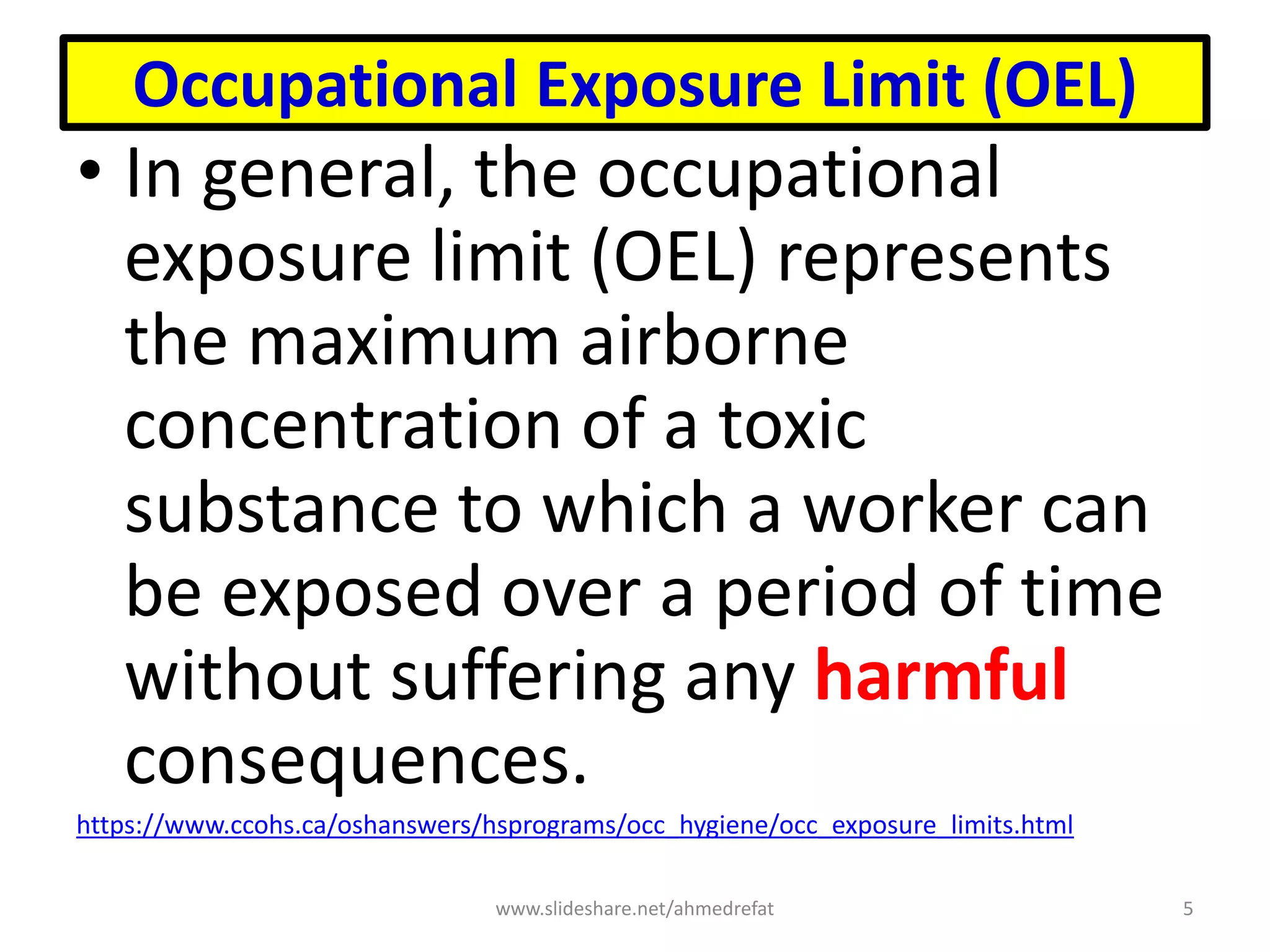
Occupational health and safety frameworks distinguish between routine operational exposure and incident exposure. Routine exposure involves predictable, low-level contact with hazards managed through engineering controls and personal protective equipment (PPE) during standard operations. Conversely, an exposure incident represents a breakdown in control measures, an unforeseen equipment failure, or an accidental contact event that places an employee at immediate risk of adverse health outcomes.
Understanding this distinction is critical for establishing effective workplace safety programs. When an exposure incident occurs, organizations must pivot from standard containment to an emergency exposure response framework. This framework integrates clinical medicine, industrial hygiene, risk management, and regulatory compliance to minimize harm to the affected worker and prevent systemic recurrence across the facility.
Disclaimer: This article provides operational and regulatory guidance for educational purposes. Workplace safety policies and medical post-exposure protocols should always be established in consultation with qualified occupational health professionals, legal counsel, and applicable local regulations.
Primary Categories of Workplace Exposure Incidents
Incident exposures vary significantly based on industry, work environment, and the physical state of the hazardous agent. Categorizing these exposures enables safety officers to pre-configure specialized emergency response kits and clinical referral pathways.
- Occupational Exposure Incidents
- Biological
- Percutaneous
- Mucocutaneous
- Human/Animal
- Chemical
- Inhalation
- Dermal Burn
- Ocular Contact
- Physical / Rad
- Ionizing Rad
- Laser Splos
- Acoustic/Thermal
- Biological
Biological Exposure Incidents
Biological incidents occur primarily in healthcare, emergency response, laboratory research, veterinary medicine, and waste management. They involve accidental exposure to blood, body fluids, infectious micro-organisms, or toxins.
- Percutaneous Exposure: Injuries caused by contaminated sharp objects, such as hollow-bore needle sticks, scalpel cuts, or glass punctures. These carry high risks of transmitting bloodborne pathogens, including Hepatitis B (HBV), Hepatitis C (HCV), and Human Immunodeficiency Virus (HIV).
- Mucocutaneous Exposure: Contact of infectious liquids or aerosols with mucous membranes (eyes, nose, mouth) or non-intact skin (dermatitis, open abrasions).
- Zoonotic & Laboratory Vector Exposure: Direct contact with infectious animal tissues, bite wounds, or accidental aerosol generation during laboratory centrifuging or liquid handling.
Chemical Exposure Incidents
Chemical incidents occur across manufacturing, agriculture, chemical processing, cleaning services, and pharmaceuticals.
- Acute Inhalation: Sudden inhalation of toxic gases, vapors, mists, or dusts resulting from chemical leaks, mixing incompatible reagents (such as bleach and ammonia), or unventilated vessel entries.
- Dermal and Ocular Splash: Direct contact of corrosive acids, caustics, organic solvents, or sensitizers with skin or eyes, leading to severe chemical burns, systemic absorption, or permanent ocular damage.
- Accidental Ingestion: Contamination of food, drink, or oral contact caused by poor hand hygiene following chemical handling.
Physical and Radiological Exposure Incidents
Physical exposure incidents stem from sudden, uncontrolled energy transfers in energy, construction, utility, and medical diagnostic facilities.
- Ionizing Radiation Exposures: Accidental overexposure to X-rays, gamma rays, or radioactive isotopes during industrial radiography, nuclear power operations, or radiotherapy.
- Non-Ionizing & Laser Exposures: High-powered laser reflections striking unprotected eyes, causing retinal burns, or severe ultraviolet (UV) radiation flashes during welding operations.
- Thermal and Acoustic Shock: Rapid thermal releases causing flash burns or high-decibel impulse noise blasts leading to acute acoustic trauma and direct hearing damage.
Immediate Post-Incident Exposure Workflow
When an exposure incident occurs, time is the critical variable determining clinical outcomes. Organizations must maintain clear, step-by-step procedures that permit workers and supervisors to act without delay.
- Incident Occurs
- Immediate First Aid / Decontamination
- Report to Supervisor / Safety
- Medical Triage & PEP Protocol
- OSHA / Regulatory Reporting
- Root Cause Analysis & Corrective Actions
1. Decontamination and First Aid
The immediate priority is neutralizing or removing the hazardous agent to stop further absorption or tissue injury.
- Ocular Splashes: Flush eyes immediately at an emergency eyewash station with clean water or isotonic saline for a minimum of 15 minutes, holding eyelids open.
- Dermal Chemical Contact: Strip contaminated clothing and rinse affected skin under a safety shower for at least 15 to 20 minutes. Neutralizing agents should not be applied to skin, as chemical reactions can generate exothermic heat and worsen burns.
- Percutaneous Wounds: Wash needle sticks and cuts gently with soap and water. Do not apply harsh disinfectants, bleach, or squeeze the wound, as aggressive pressure can cause localized tissue trauma without reducing infection risk.
- Inhalation Exposures: Safely remove the victim from the exposure zone to fresh air using proper respiratory protection before starting CPR or oxygen therapy if trained.
2. Medical Triage and Post-Exposure Prophylaxis (PEP)
Following initial first aid, the exposed employee must receive immediate clinical evaluation by an occupational health professional or emergency medical provider.
- Bloodborne Pathogens: PEP for HIV should ideally be initiated within 2 hours, and no later than 72 hours, post-exposure. The evaluation includes baseline serological testing of the exposed worker and, where permissible by law, testing of the source individual.
- Hepatitis B Management: Unvaccinated workers exposed to HBV-positive sources require Hepatitis B Immune Globulin (HBIG) and the primary vaccine series within 24 hours to 7 days.
- Chemical Antidotes: Certain toxic chemical exposures require targeted physiological antidotes, such as calcium gluconate gel for hydrofluoric acid burns or cyanokit (hydroxocobalamin) for cyanide gas inhalation.
3. Source Patient and Hazard Evaluation
Where applicable, the incident protocol must direct the gathering of information on the source agent or individual:
- Identify chemical identity via Safety Data Sheets (SDS) to determine specific toxicity, CAS numbers, and target organ effects.
- Obtain medical consent for source-individual blood testing (HBV, HCV, HIV) in biological incidents, complying with privacy mandates such as HIPAA.
Regulatory Frameworks and Legal Compliance Requirements
Regulatory authorities mandate structured mechanisms for recording, managing, and mitigating workplace exposure incidents.
- Primary Regulatory Standards
- OSHA Bloodborne Pathogens Standard (29 CFR 1910.1030)
- Exposure Control Plan (ECP)
- Sharps Injury Log
- Free confidential PEP & medical
- OSHA Respiratory & HAZMAT Standards (29 CFR 1910.134 / 1910.1200)
- SDS availability & labeling
- Respirator fit testing & PPE
- Hazardous substance containment
- OSHA Recordkeeping Rules (29 CFR 1904)
- Log on OSHA Form 300 / 301
- Rapid reporting of fatalities and severe hospitalizations
- OSHA Bloodborne Pathogens Standard (29 CFR 1910.1030)
OSHA Bloodborne Pathogens Standard (29 CFR 1910.1030)
In the United States, the Occupational Safety and Health Administration (OSHA Bloodborne Pathogens Standard) requires employers with occupational exposure risks to establish a written Exposure Control Plan (ECP). Key requirements include:
- Annual reviews and updates of the ECP incorporating safer medical devices (e.g., needleless systems, engineered sharps protections).
- Provision of the Hepatitis B vaccination series at no cost to employees who have occupational exposure risks.
- Mandatory confidential medical evaluation, follow-up, and baseline testing after any exposure incident.
- Maintenance of a detailed Sharps Injury Log preserving worker anonymity.
Chemical Safety and Respiratory Standards
OSHA’s Hazard Communication Standard (29 CFR 1910.1200) mandates that Safety Data Sheets (SDS) remain immediately accessible to employees in work areas. For hazardous chemical spills or airborne releases, the Hazardous Waste Operations and Emergency Response (HAZWOPER) standard (29 CFR 1910.120) and Respiratory Protection standard (29 CFR 1910.134) define safe entry and cleanup procedures.
OSHA Recordkeeping and Reporting (29 CFR 1904)
Employers must record work-related exposure incidents on the OSHA Form 300 (Log of Work-Related Injuries and Illnesses) and OSHA Form 301 (Injury and Illness Incident Report) if the exposure results in:
- Medical treatment beyond basic first aid.
- Loss of consciousness, restricted work activity, or job transfer.
- Diagnosed occupational illness related to toxic substance or biological agent exposure.
- Any needle stick injury or cut from an object contaminated with another person's blood or potentially infectious material.
Severe incidents—such as work-related fatalities (reportable within 8 hours) or in-patient hospitalizations, amputations, or loss of an eye (reportable within 24 hours)—require direct notification to OSHA.
Technical Comparison of Incident Exposure Protocols
The operational steps taken immediately following an exposure incident differ based on the hazard class involved. The table below outlines these distinctions:
| Hazard Category | Key Exposure Pathways | Primary Immediate Action | Medical Intervention Window | Critical Regulatory Reference |
|---|---|---|---|---|
| Bloodborne Pathogens | Percutaneous (needlestick), Mucocutaneous splash | Wash area with soap/water; flush eyes with saline | Initiate HIV PEP within 2 hours (ideal) up to 72 hrs | OSHA 29 CFR 1910.1030 / CDC Guidelines |
| Corrosive Chemicals | Dermal absorption, Ocular splash | Continuous water flush for 15–20 minutes | Immediate emergency triage; check SDS | OSHA 29 CFR 1910.1200 / NIOSH Pocket Guide |
| Toxic Gases / Vapors | Inhalation | Evacuate area; administer safe oxygen if trained | Immediate emergency transport; specific antidotes | OSHA 29 CFR 1910.134 / EPA Risk Management |
| Ionizing Radiation | External irradiation, Contamination | Move away from source; strip contaminated gear | Urgent dosimetry evaluation & biodosimetry | 10 CFR Part 20 (NRC) / OSHA 1910.1096 |
| Zoonotic Pathogens | Bites, scratches, animal fluid contact | Thorough wound scrub with soapy water for 15 mins | Evaluate for Rabies PEP & Tetanus within 24 hrs | CDC Zoonotic Disease Protocols |
Investigation, Root Cause Analysis, and System Mitigation
Managing an incident exposure does not end with medical intervention. Safety leadership must complete a comprehensive exposure investigation to identify systemic gaps and implement corrective controls.
- Determine Timeline of Events
- Apply Root Cause Methodology (5 Whys / Fishbone / Bowtie)
- Evaluate Hierarchy of Controls
- Elimination
- Engineering
- Administrative
- PPE
- Update Exposure Control Plan (ECP)
Root Cause Analysis (RCA) Techniques
- The 5 Whys: Iteratively asking "Why?" to trace an incident back from human error to underlying operational vulnerabilities (e.g., why did the needle slip? -> safety cap was hard to engage -> device model was changed without user training).
- Fishbone (Ishikawa) Diagram: Grouping potential causes into categories such as Environment, Equipment, Procedures, Personnel, and Management.
- Bowtie Analysis: Mapping the hazards, preventative barriers, incident release event, and mitigation controls to visualize where defense layers failed.
Applying the Hierarchy of Controls Post-Incident
Following an exposure investigation, corrective actions must prioritize high-level engineering and design changes over reliance on worker behavior:
- Elimination / Substitution: Replace hazardous chemicals with non-toxic alternatives; transition to needleless IV delivery systems.
- Engineering Controls: Install localized exhaust ventilation, automated safety shields, biological safety cabinets, and recessed safety scalpels.
- Administrative Controls: Revise standard operating procedures (SOPs), implement mandatory job rotation to manage fatigue, post hazard warnings, and update worker training modules.
- Personal Protective Equipment (PPE): Mandate chemical-resistant gloves, face shields, fluid-impermeable gowns, and fit-tested N95 or PAPR respirators as the final protective barrier.
Frequently Asked Questions
What qualifies as an "exposure incident" in a healthcare facility?
An exposure incident in healthcare is defined as specific eye, mouth, other mucous membrane, non-intact skin, or parenteral contact with blood or other potentially infectious materials (OPIM) resulting from the performance of an employee's duties.
How quickly must post-exposure prophylaxis (PEP) be administered after a potential HIV exposure?
Post-exposure prophylaxis (PEP) for HIV should be initiated as soon as possible, ideally within 2 hours of exposure. Its effectiveness drops significantly after 72 hours, making immediate reporting and rapid clinical evaluation essential.
Is an employer required to pay for medical evaluations following a workplace exposure incident?
Yes. Under OSHA regulations (such as 29 CFR 1910.1030), employers must make immediate medical evaluation, baseline blood testing, post-exposure prophylaxis, and counseling available to exposed employees at no cost, at a reasonable time and location, and performed by or under the supervision of a licensed healthcare professional.
What is the difference between chronic occupational exposure and incident exposure?
Chronic exposure involves continuous or repeated contact with hazardous agents at low concentrations over extended timeframes (e.g., years of breathing low-level solvent vapors). Incident exposure refers to an acute, unplanned event leading to immediate contact with a hazard (e.g., a pipe burst leaking solvent gas).
Must all exposure incidents be logged on the OSHA 300 Log?
Not all exposure contacts require entry on the OSHA Form 300. However, an exposure incident must be logged if it results in a diagnosed work-related illness, requires medical treatment beyond first aid, involves loss of consciousness or work restrictions, or is a percutaneous sharp injury contaminated with blood or OPIM.
Actionable Steps for Safety Directors and Program Managers
To ensure workplace readiness and minimize legal liability:
- Review the Written Exposure Control Plan: Audit your organization's ECP annually to verify that clinical referral pathways, contact lists for occupational clinics, and PEP protocols are accurate and fully integrated into current operating conditions.
- Audit First-Aid Kits and Decontamination Stations: Test emergency eyewashes and safety showers weekly. Confirm that specialized spill containment kits and targeted neutralization/first-aid supplies (such as calcium gluconate or burn dressings) are fully stocked and unexpired.
- Conduct Incident Response Drills: Run periodic simulations for sharp injuries, chemical splashes, and gas releases to test how quickly workers execute first aid, report the event, and reach secondary care facilities.
- Enforce Non-Punitive Reporting Systems: Establish a supportive workplace culture that encourages immediate exposure reporting without fear of disciplinary action, ensuring workers receive time-critical prophylaxis when every minute counts.
Image Gallery