Can Sleep Disorders Claim Workers Compensation?
Workers’ compensation claims for sleep disorders are complex, as most jurisdictions require proof that the condition arose directly from a work-related injury, occupational disease, or specific workplace stressor. While rare, successfu...
Workers’ compensation claims for sleep disorders are complex, as most jurisdictions require proof that the condition arose directly from a work-related injury, occupational disease, or specific workplace stressor. While rare, successful claims generally hinge on medical documentation connecting the sleep disorder to a compensable primary injury or an identifiable, exceptional workplace trauma.
Contents
Understanding the Legal Landscape of Workers' Compensation
Workers' compensation systems are designed to provide wage replacement and medical benefits to employees who suffer from work-related injuries or illnesses. In most jurisdictions, the primary challenge for claimants seeking coverage for sleep disorders is the "causation" requirement. Unlike a broken bone or a laceration, a sleep disorder is often classified as a non-physical or "mental-physical" injury, making it subject to more stringent evidentiary standards.
To successfully qualify for benefits, you generally must demonstrate that the sleep disorder is not merely a lifestyle issue or a pre-existing condition, but rather a direct result of an employment-related event. This is often pursued through two distinct pathways: as a secondary condition resulting from a physical injury, or as an occupational disease caused by chronic environmental stressors.
Pathway 1: Sleep Disorders as Secondary Conditions
The most straightforward path to claiming workers' compensation for a sleep disorder is when the disorder arises as a direct consequence of an accepted, compensable physical injury. For example, if you sustain a severe orthopedic injury that causes chronic pain, and that pain prevents you from maintaining a sleep cycle, the sleep disorder may be considered a "consequential injury."
In this scenario, the sleep disorder is treated as an extension of the primary injury. If your employer’s insurance carrier has already accepted the physical injury claim, you may be entitled to medical treatment for the secondary sleep disorder, provided that your primary physician can clearly document the nexus between the pain, the medication prescribed for the injury, and the resulting insomnia or sleep apnea.
Pathway 2: Occupational Disease and Stressors
Claiming a sleep disorder as a primary occupational disease is significantly more difficult. In many states and countries, you must prove that the condition is characteristic of your occupation or that the workplace environment poses an inherent risk of developing the disorder.
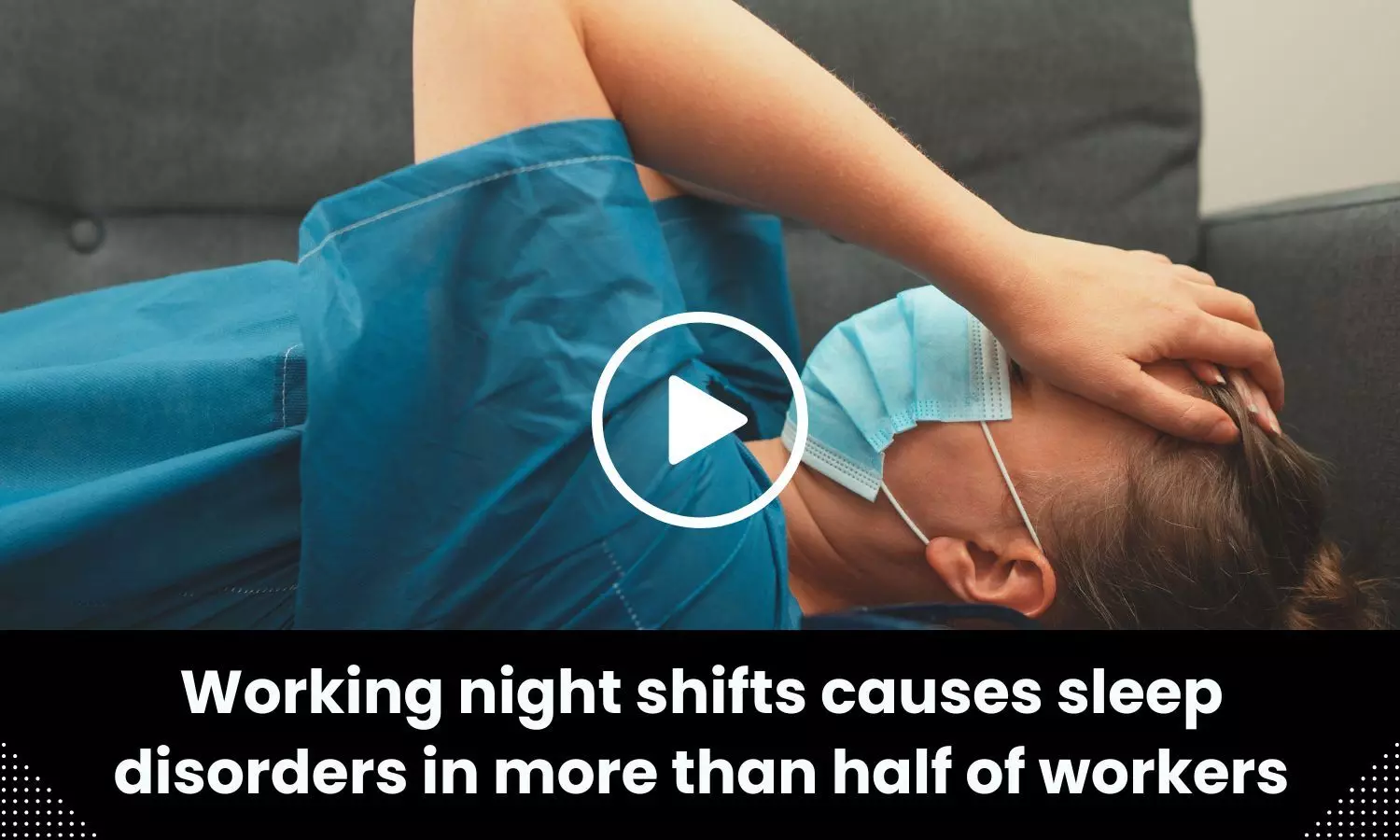
For instance, workers in emergency services, healthcare, or high-security fields—where shift work is mandatory and erratic—may face higher hurdles. While fatigue is a universal byproduct of shift work, proving that a chronic sleep disorder (such as shift work sleep disorder) meets the legal threshold of a compensable occupational injury requires substantial medical evidence. You must show that the nature of your job specifically caused the disorder, beyond what would be expected in the general labor market.
Evidence and Medical Documentation Requirements
The success of a workers' compensation claim depends almost entirely on the quality of your medical record. Because sleep disorders are often diagnosed through subjective patient reports and specialized tests (such as polysomnography), the insurance carrier will likely scrutinize every detail.
| Evidence Type | Purpose | Critical Element |
|---|---|---|
| Medical History | Establishing baseline | Proving the disorder did not exist prior to employment. |
| Polysomnography | Objective diagnosis | Official sleep study results confirming the severity. |
| Doctor's Narrative | Establishing causation | A physician’s formal opinion linking work to the disorder. |
| Shift Records | Proving exposure | Documentation of work hours, rotations, and night shifts. |
| Psychiatric Eval | Mental nexus | Essential if the disorder is stress-related. |
Common Challenges and Denials
Insurance companies frequently deny sleep disorder claims on the grounds of "pre-existing condition" or "lifestyle factors." Because factors like age, obesity, diet, and personal life stress contribute to sleep disturbances, carriers often argue that your employment was not the "major contributing factor" to your condition.
Furthermore, most workers' compensation boards apply a high burden of proof for mental health-related claims. If your sleep disorder is categorized as a mental injury, you may be required to prove that the work event was an "extraordinary or unusual" stressor, rather than the ordinary stresses inherent in every job. This is a high bar to clear and often requires the assistance of a legal professional specializing in labor law.
Practical Steps for Potential Claimants
If you believe your sleep disorder is linked to your work, follow these procedural steps to protect your potential claim:
- Report the Condition: Notify your employer in writing as soon as you are diagnosed. Adhere strictly to your jurisdiction’s notification deadlines, which can be as short as 30 days.
- Seek Specialist Care: Visit a sleep specialist who is familiar with workers' compensation protocols. A primary care physician’s note is often insufficient; you need objective data from a clinical setting.
- Maintain a Sleep Journal: Document how your sleep disorder manifests, the specific times you are unable to sleep, and how it correlates with your work schedule or the pain from your injury.
- Consult with Legal Counsel: If your claim involves significant medical costs or potential long-term disability, consulting an attorney is advisable. They can help navigate the specific "mental-physical" statutes in your region.
- Follow Treatment Protocols: If your claim is active, adhere strictly to all medical advice. Failing to follow through with a sleep study or prescribed therapy can be grounds for termination of benefits.
Frequently Asked Questions
Can I claim workers' compensation for sleep apnea? It is difficult. While sleep apnea is a serious medical condition, it is typically linked to physiological factors. To claim it as a work-related injury, you would likely need to prove that a workplace accident caused a specific physical change that led to the apnea, or that specific, unique toxic exposures at work triggered the condition.
What if my employer refuses to acknowledge the claim? If your employer refuses to file the claim, you can usually contact your state or regional Workers' Compensation Board directly to initiate a claim petition. Do not rely solely on your employer to facilitate the process if they are resistant.
Does chronic stress from my boss qualify as a cause for a sleep disorder? Most jurisdictions exclude "personnel actions" (such as performance reviews or management styles) from being considered causes for compensable mental injuries. You must typically prove that the workplace conditions were inherently and objectively hazardous or that they constituted an exceptional trauma.
Is it possible to receive temporary disability for a sleep disorder? Yes, if a doctor certifies that your sleep disorder prevents you from performing your essential job duties. However, receiving these benefits requires ongoing medical recertification and proof that the condition remains work-related.
Are there time limits for filing these claims? Yes. Every jurisdiction has a "statute of limitations" on workers' compensation claims. These periods vary from months to years, depending on whether you are filing for a specific accident or a cumulative injury. Consult your local labor department website for the specific filing deadline in your region.
Next Action
If you are currently experiencing a sleep disorder you believe is work-related, start by requesting a full copy of your medical files and a written opinion from your specialist regarding the cause of your condition. Once you have a clear medical nexus between your job and your health, contact your human resources department to begin the official reporting process, and consider a consultation with a workers' compensation attorney to review your state-specific statutes.
Image Gallery