5 Must Know Top Film Festivals for Filmmakers
Navigating the global film festival circuit is a critical step for filmmakers seeking distribution, industry recognition, and artistic validation. The top-tier festivals, often referred to as the "Big Five" or "A-List" festivals, serve...
Navigating the global film festival circuit is a critical step for filmmakers seeking distribution, industry recognition, and artistic validation. The top-tier festivals, often referred to as the "Big Five" or "A-List" festivals, serve as the primary gateways for global premieres, acquisition deals, and high-level networking, effectively determining the commercial and critical trajectory of prestige projects.
Contents
The Strategic Importance of A-List Festivals
For an independent filmmaker or a production studio, the goal of entering a film festival goes beyond the prestige of a laurel leaf. A-List festivals function as marketplaces. At these events, international sales agents, streaming platform executives, and theatrical distributors converge to view new content. A premiere at a major festival can trigger a bidding war, define the release strategy for the next year, and influence award season campaigns.
However, these festivals are highly selective. Thousands of submissions are received annually for limited screening slots, making preparation, timing, and understanding the unique personality of each event essential for success.
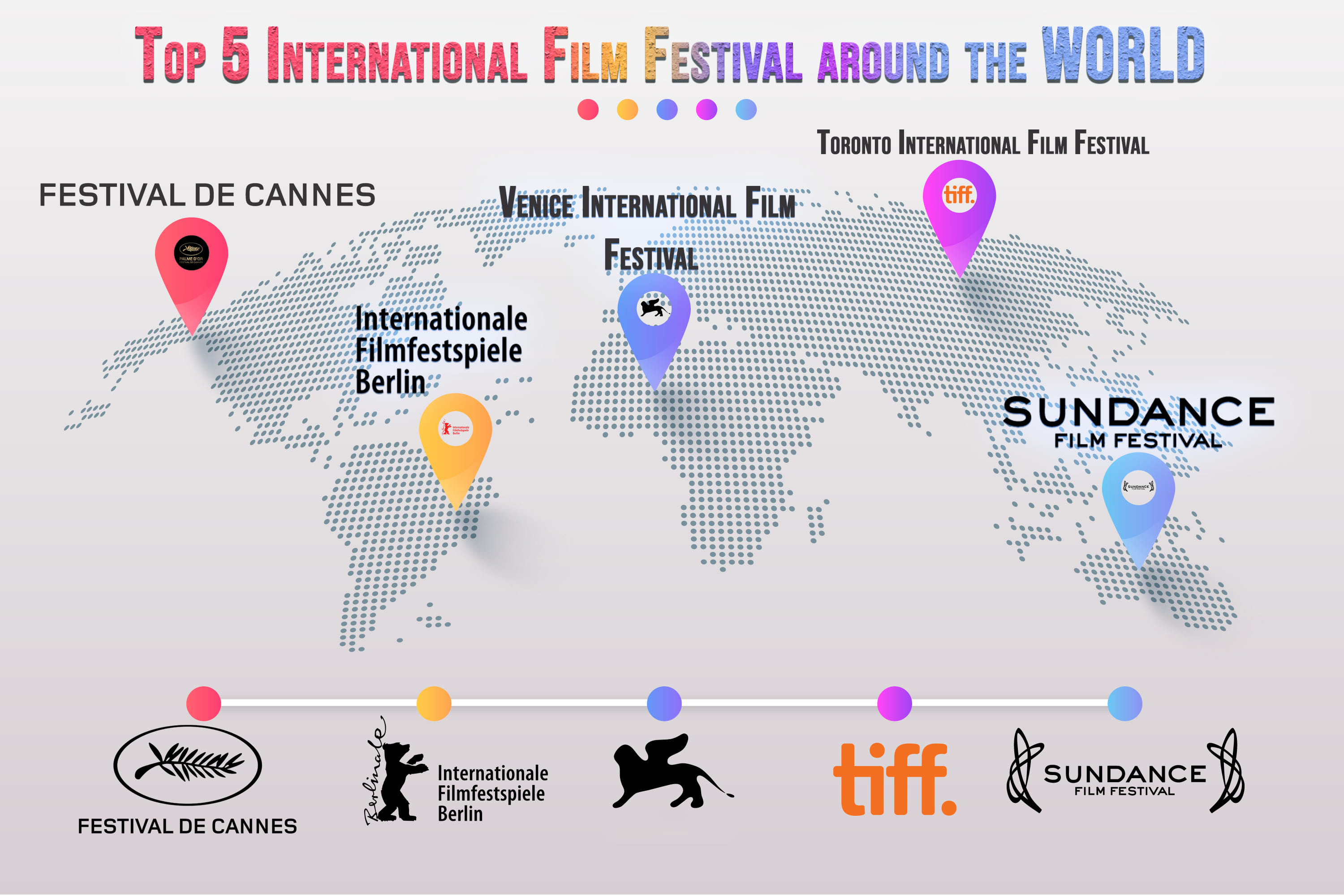
1. Cannes Film Festival
Held annually in France, the Festival de Cannes is widely considered the most influential film festival in the world. Its primary focus is on artistic merit and global cinema.
- Why it matters: Cannes is the ultimate launchpad for international art-house and prestige cinema. Its Marché du Film is one of the largest film markets, where high-stakes acquisition deals are finalized.
- Key Consideration: Cannes is highly exclusive. The Official Selection is invite-only for established directors and producers. However, the Quinzaine des Cinéastes (Directors' Fortnight) and Semaine de la Critique (Critics' Week) offer platforms for emerging talent, including first and second-time directors.
- Prerequisites: High production value, original voice, and often a need for an established world-premiere status.
2. Berlin International Film Festival (Berlinale)
Based in Germany, the Berlinale is known for its political engagement and emphasis on socially conscious, diverse, and experimental cinema.
- Why it matters: It is an incredibly public-facing festival. Unlike Cannes, which is largely industry-exclusive, the Berlinale sells thousands of tickets to the general public, providing filmmakers with immediate feedback from large, international audiences.
- Key Consideration: The Berlinale Co-Production Market and the Berlinale Talents program are invaluable for filmmakers in the development phase, offering opportunities for financing and professional development.
- Prerequisites: Films should often have a clear point of view or a strong socio-political narrative.
3. Venice International Film Festival
As the oldest film festival in the world, the Mostra Internazionale d'Arte Cinematografica takes place on the Lido in Venice, Italy. It has become a premier destination for films aiming for Academy Award consideration.
- Why it matters: Venice serves as the starting gun for the autumn festival season. Films that debut here often gain significant momentum for the Oscars. It balances high-gloss Hollywood premieres with auteur-driven international cinema.
- Key Consideration: The festival is strictly curated. The "Golden Lion" is one of the most prestigious honors in cinema, and the festival’s connection to the Venice Film Market provides a structured environment for networking.
- Prerequisites: Polished, high-quality production, often requiring world-premiere exclusivity.
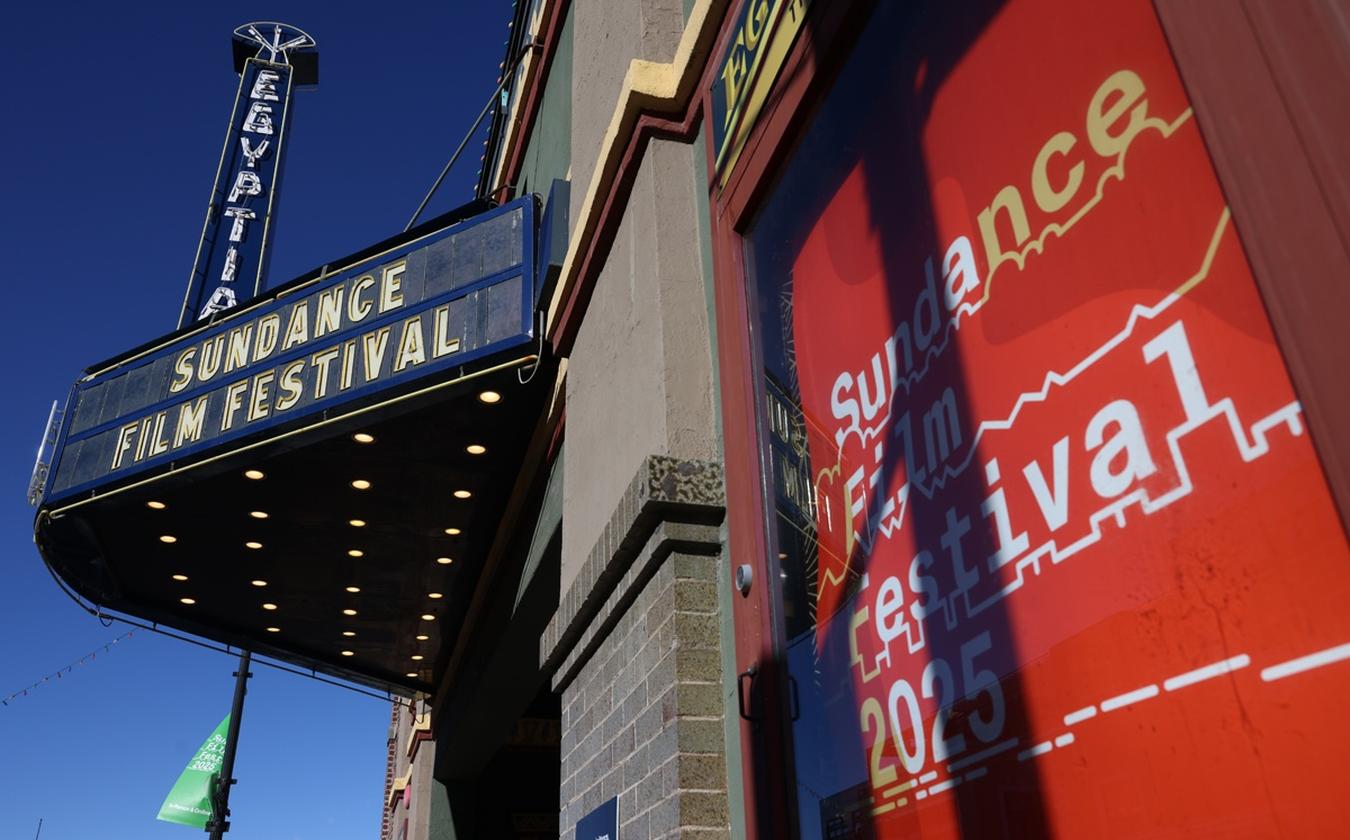
4. Sundance Film Festival
Located in Park City, Utah, USA, Sundance is the definitive festival for independent cinema. It is the primary site for identifying new talent and acquiring mid-budget independent features for global distribution.
- Why it matters: Sundance is where the "indie boom" happens. It is the most accessible of the A-List festivals for new filmmakers who do not yet have massive industry backing. It is arguably the best venue for launching a career in the North American market.
- Key Consideration: Focus on the "Next" and "U.S. Dramatic Competition" sections. The festival requires a significant commitment to press tours and industry meetings during the event.
- Prerequisites: Unique storytelling, fresh perspective, and the ability to articulate a clear vision for the film's audience.
5. Toronto International Film Festival (TIFF)
TIFF is the most important festival in North America regarding commercial viability and audience reception. It acts as a major barometer for public interest and eventual box-office success.
- Why it matters: Because it is a "festival of festivals," TIFF often hosts films that have premiered earlier in the year at Cannes or Venice. However, it is also a major platform for world premieres, particularly for films aiming for the North American market. Its "People’s Choice Award" is a strong indicator of an Oscar-winning potential.
- Key Consideration: TIFF’s industry side is massive, focusing on business relationships, distribution logistics, and co-production opportunities.
- Prerequisites: High production quality, broad appeal, and a strong marketing strategy.
Festival Selection Comparison Matrix
| Festival | Primary Focus | Best For | Industry Access |
|---|---|---|---|
| Cannes | Art-house/Auteur | Prestige & Sales | Exceptional |
| Berlinale | Political/Social | Audience Feedback | High |
| Venice | Awards/Prestige | Oscar Campaigns | High |
| Sundance | Independent | Emerging Talent | High |
| TIFF | Commercial/Public | Distribution/Publicity | Exceptional |
Common Mistakes When Applying to Top Festivals
The most frequent error filmmakers make is ignoring the specific "personality" of a festival. Submitting a high-octane commercial horror film to a festival that prioritizes slow-burn, socio-political dramas is a waste of entry fees. Always research the previous two years of a festival’s Official Selection to ensure your film fits the current curatorial tone.
Additionally, missing technical requirements—such as frame rates, aspect ratios, or subtitle formatting—can result in immediate disqualification. Ensure your DCP (Digital Cinema Package) is perfectly formatted according to the specific technical guidelines provided in the festival’s submission portal.
FAQ for Festival Submission
What is the "Premiere" status requirement? Most A-List festivals require a "World Premiere" status, meaning the film cannot have been screened publicly, broadcast on television, or made available on the internet prior to the festival. Always confirm the specific eligibility requirements on the festival’s website.
Should I use a film festival aggregator service? Platforms like FilmFreeway are the industry standard for managing submissions. They simplify the process of uploading screeners and paying fees. However, never rely on these platforms for "selection." A-List festivals have their own curation teams that review content independently of the platform interface.
Are there fees for submitting to these festivals? Yes. Submission fees are standard practice to cover the administrative costs of viewing thousands of films. Fees generally increase as the "late deadline" approaches. It is financially prudent to submit during the "early bird" window.
How early should I prepare my film? You should aim to have your film completed at least 3 to 6 months before the festival season begins. If your film is slated for an autumn festival like Venice or TIFF, your submission should be ready by the spring.
Next Steps for Filmmakers
To begin your journey, map out your submission calendar based on the target festival’s deadline dates for 2026. Create a professional Electronic Press Kit (EPK) that includes high-resolution production stills, a concise synopsis, director’s statement, and technical specifications. Verify that your film meets all premiere and eligibility requirements before finalizing your submission on the festival’s designated portal. Focus your efforts on the festivals that align most closely with your film's genre, budget, and intended audience.
Image Gallery