Examining the 50 Cent 2 Million Lamborghini Stunt: Fact vs. Public Perception
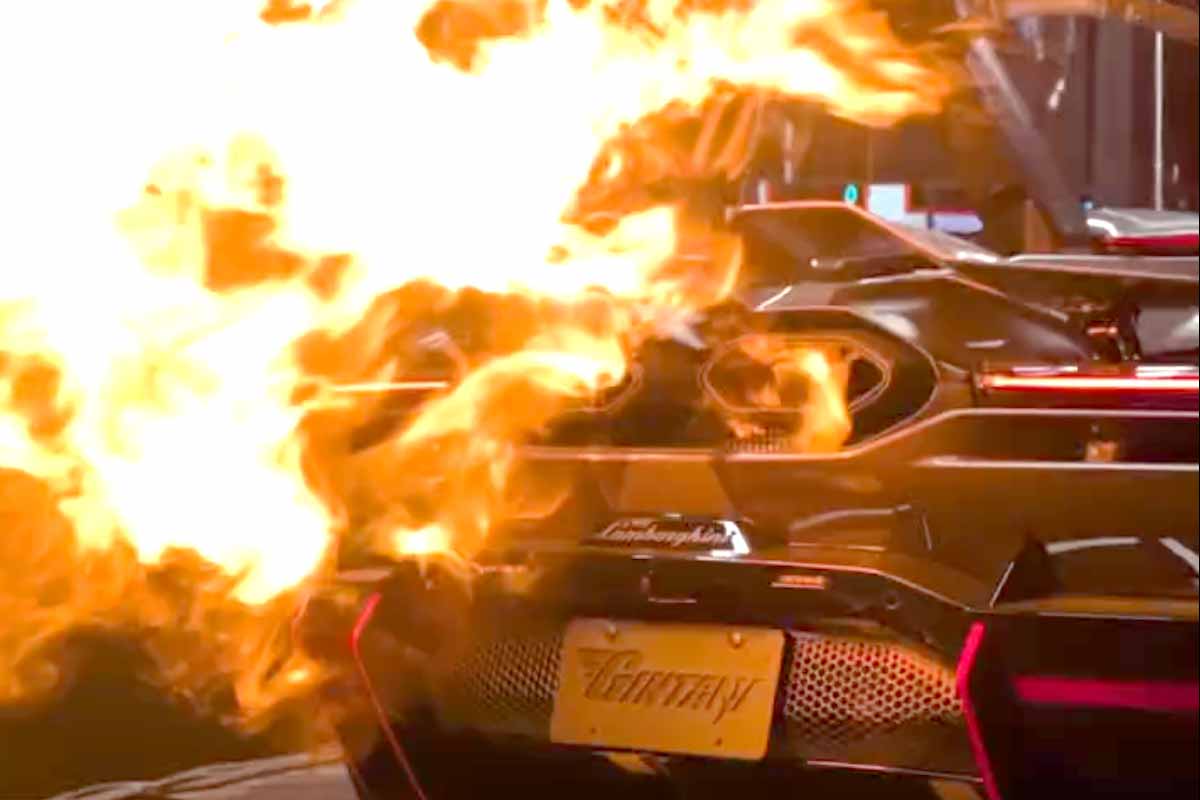
The viral narrative surrounding 50 Cent and a "2 million dollar Lamborghini stunt" refers to a widely discussed incident involving the high-profile disposal of a luxury vehicle in a music video production. Contrary to urban legends sug...
The viral narrative surrounding 50 Cent and a "2 million dollar Lamborghini stunt" refers to a widely discussed incident involving the high-profile disposal of a luxury vehicle in a music video production. Contrary to urban legends suggesting the car was destroyed or permanently wrecked for a spectacle, the stunt involved the cinematic staging of a Lamborghini, often misattributed in value, to create high-impact visual media for the rapper’s promotional content.
Contents
The Origin of the Narrative
The public fascination with celebrity stunts, particularly those involving seven-figure automotive assets, often blurs the line between high-budget production design and genuine financial loss. In the case of 50 Cent (Curtis Jackson), the association with a two-million-dollar Lamborghini originated from his prolific use of high-end vehicles in his music videos and social media marketing during the peak of his career.
Often, the "stunt" in question was a carefully choreographed sequence designed to generate engagement. In the entertainment industry, the use of exotic cars—specifically brands like Lamborghini, Ferrari, and Bugatti—is a standard practice to signal success, wealth, and status. When fans or media outlets report on a "2 million dollar stunt," they are frequently referencing the total production value of a sequence, the rarity of the specific model, or the perceived insurance liability of the scene.
Understanding Exotic Car Production Value
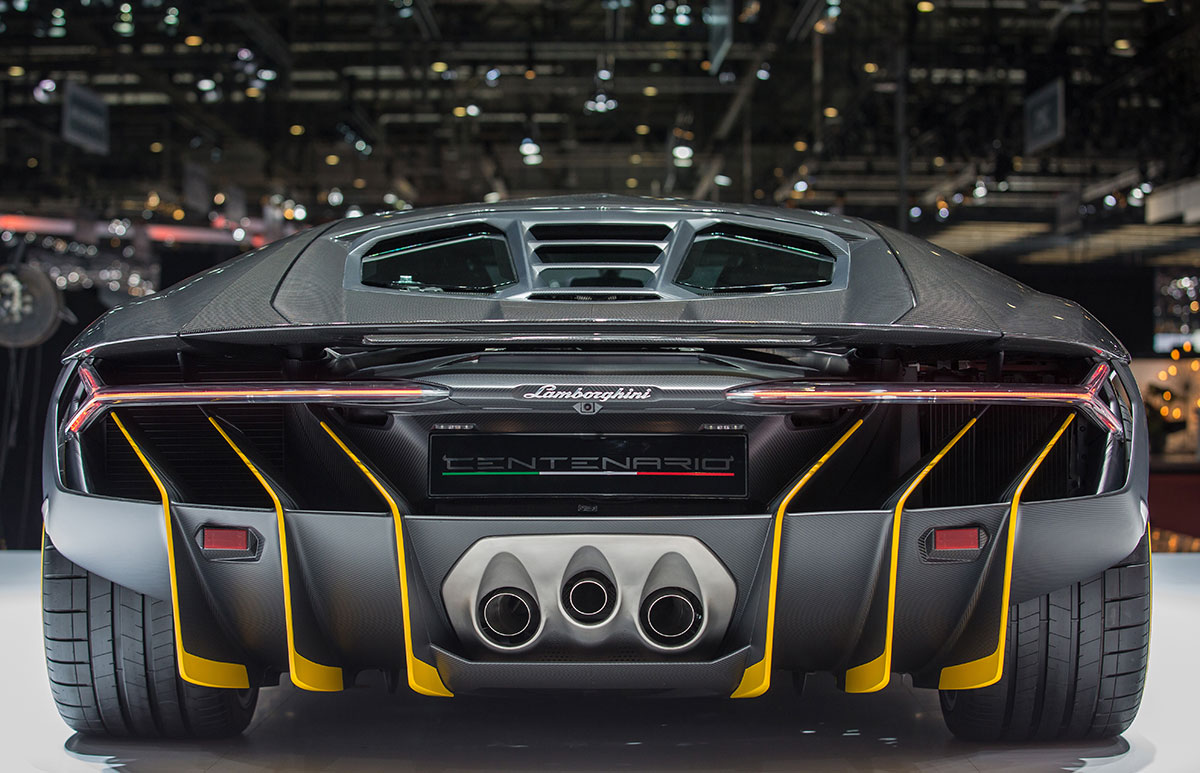
To understand why such high figures are associated with 50 Cent’s music video shoots, it is necessary to examine how exotic vehicles are integrated into film production. A Lamborghini’s value is dictated by model rarity, engine specifications, and limited-edition manufacturing runs. For example, a Lamborghini Aventador SVJ or a limited-series Centenario can easily command prices reaching into the seven-figure range on the secondary market.
However, a "stunt" involving such a vehicle does not necessarily imply the destruction of the asset. Modern film production utilizes several strategies to manage these risks:
- Vehicle Leasing: Most production houses do not purchase these vehicles. Instead, they lease them from specialized agencies that cater to the entertainment industry, carrying specific insurance riders for stunts.
- Precision Driving: Stunts are performed by trained professionals, not the celebrities themselves. This minimizes the risk of total loss.
- CGI and Practical Effects: High-end videos frequently use a combination of practical shots (filming the car in motion) and computer-generated imagery (CGI) to simulate dangerous maneuvers without risking the hardware.
Comparative Analysis of Production Asset Costs
When evaluating the financial logistics of a music video involving luxury vehicles, the "2 million" figure often reflects a combination of the vehicle’s market value and the high costs of specialized production logistics. The table below illustrates the typical components of such a project.
| Cost Component | Description | Financial Impact |
|---|---|---|
| Asset Valuation | Market price of a flagship Lamborghini model | $500k – $2.5M |
| Specialty Insurance | Premiums to cover exotic vehicle use in stunts | 5% – 15% of asset value |
| Precision Driving | Fees for licensed stunt drivers and coordination | $5,000 – $20,000/day |
| Visual Effects (VFX) | Post-production compositing for visual flair | Varies by complexity |
| Logistical Staging | Transport, security, and closed-set permits | $10,000 – $50,000 |
The Role of Perception in Celebrity Branding
The "stunt" narrative is a critical component of the persona constructed by artists like 50 Cent. By appearing to treat a multimillion-dollar vehicle with disregard, an artist reinforces their brand identity as someone who operates above conventional financial constraints. In the 2000s and 2010s, this was a primary method of digital and broadcast marketing.
This strategy serves two purposes: it creates a "talk-about" factor that ensures the video receives organic media coverage, and it elevates the perceived status of the artist in the eyes of their target audience. When the audience discusses a "2 million dollar Lamborghini stunt," the artist wins by staying relevant in the news cycle, regardless of whether the actual car was destroyed.
Insurance and Risk Management in Stunt Work
For any production involving high-value vehicles, strict insurance protocols must be met. An insurance carrier would require a complete risk assessment before permitting a stunt. If a vehicle is part of a "destruction" scene, it is almost never a factory-perfect, road-legal Lamborghini. Instead, productions often utilize "shells"—non-functioning frames or salvaged bodies—to capture the visual of destruction while keeping the asset liability manageable.
The legal and financial hurdles include:
- Bonding: Production companies must be bonded to ensure they can cover any liabilities incurred during filming.
- Liability Waivers: Stunt personnel and locations must be covered by comprehensive liability insurance.
- Depreciation Management: For luxury vehicles, even minor cosmetic damage significantly reduces resale value, making the choice to use a "stunt shell" a sound business decision for the production team.
Frequently Asked Questions
Did 50 Cent actually destroy a 2 million dollar car? There is no verified evidence that a 2 million dollar Lamborghini was destroyed for a stunt. These stories are typically exaggerations of high-budget music video aesthetics where expensive cars were featured prominently.
Why are exotic cars used in music videos? Exotic cars serve as visual shorthand for wealth and success. They are used to enhance the production value of the video and provide a recognizable status symbol that resonates with the audience.
What is a "stunt shell" in film production? A stunt shell is a vehicle frame or a replica body used for scenes involving high risk or damage. This allows filmmakers to capture intense visuals without destroying a functional, expensive, and street-legal engine or chassis.
How is the "2 million dollar" figure typically determined? It is often an estimation based on the current market value of the most expensive Lamborghini models available at the time of the shoot, combined with the general perception that high-budget celebrity videos involve massive financial expenditures.
Are celebrities responsible for the cars in their videos? Generally, the production company or the label is responsible for the cars used in a video. They enter into agreements with specialized car rental agencies that include insurance riders specifically designed for the risks inherent in film production.
Practical Recommendations for Content Creators
If you are planning a production that aims to replicate the "high-stakes" look of a luxury vehicle shoot, prioritize safety and legal compliance over actual destruction. High-quality cinematography can create the same impact as high-risk stunts without the astronomical costs of replacing or repairing high-end machinery. Always secure a professional stunt coordinator and ensure that your insurance coverage explicitly lists the activities you intend to perform. Focus on lighting, camera angles, and professional color grading to achieve the aesthetic of a premium music video while keeping your operational risks well within professional, insurable limits.
Image Gallery