The Comprehensive Benefits of B&CE Workplace Pension Life Insurance
The primary benefits of B&CE (now People’s Partnership) workplace pension life insurance include significant financial security for families through tax-free lump sum payments, ease of access without mandatory medical examinations for...
The primary benefits of B&CE (now People’s Partnership) workplace pension life insurance include significant financial security for families through tax-free lump sum payments, ease of access without mandatory medical examinations for most members, and low-cost premiums typically funded by employers. It ensures that dependants are protected financially should an employee pass away while in service.
Contents
B&CE, which rebranded to People’s Partnership in late 2022, has long been a cornerstone of the UK’s construction industry financial services, though it now serves a much broader range of sectors through The People's Pension. When discussing "life insurance" within this context, it is essential to distinguish between the value of the accumulated pension pot and the additional Employee Life Benefit (often referred to as life cover or death-in-service benefit) that many employers provide alongside the pension scheme.
Understanding the Structure of B&CE Life Cover
In 2026, the landscape of workplace benefits continues to emphasize holistic financial well-being. B&CE’s life insurance product—the Employee Life Benefit—is designed specifically to provide a safety net that goes beyond the simple refund of pension contributions. While a standard pension will return the value of the invested "pot" to beneficiaries, life insurance provides a separate, often much larger, fixed sum.
This distinction is vital for long-term financial planning. The pension pot grows over time through contributions and investment returns, meaning it is often smaller in the early years of a career. Life insurance, conversely, provides a high level of cover from day one, ensuring that a young family is protected even if the individual has only recently started their pension journey.
Financial Protection for Dependants and Families
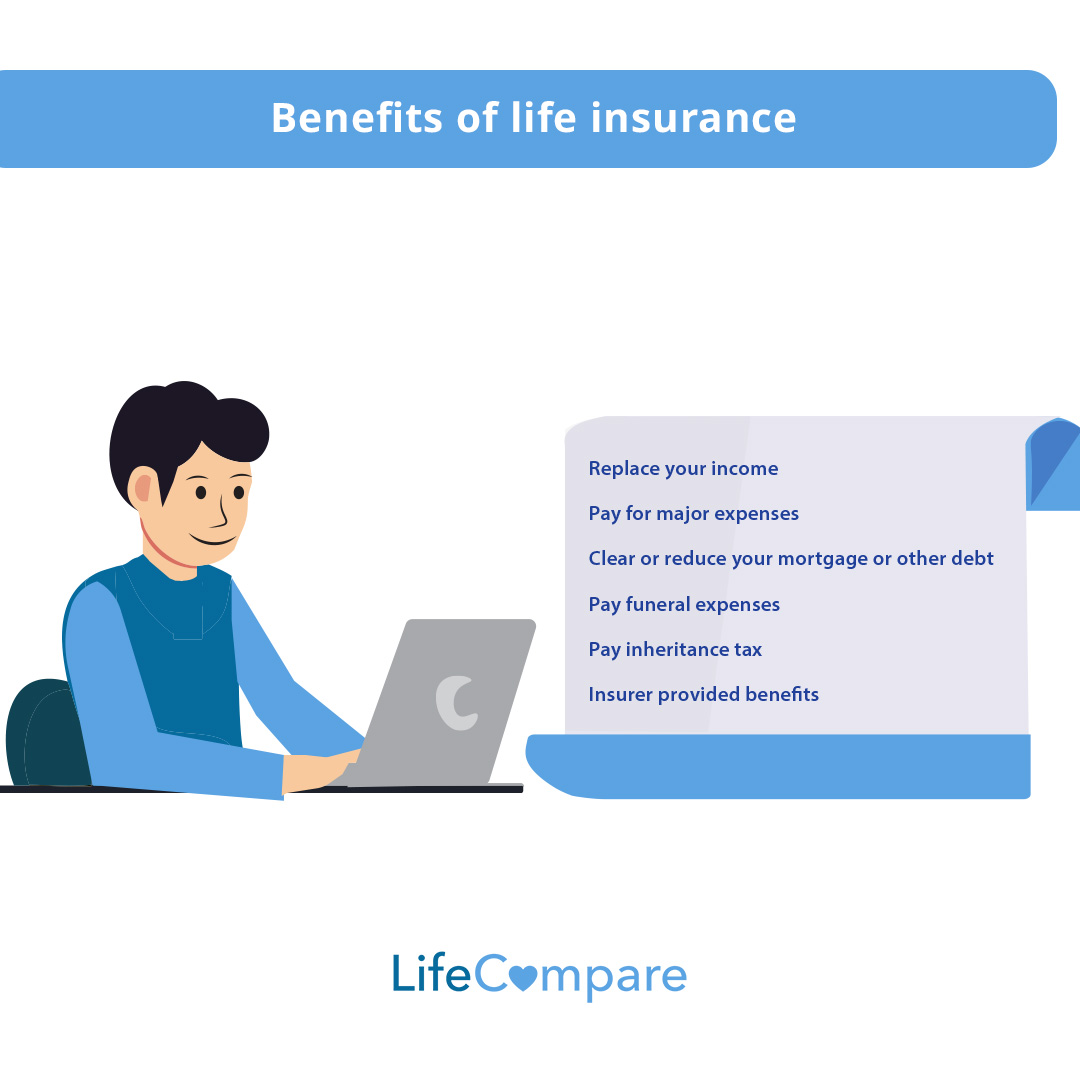
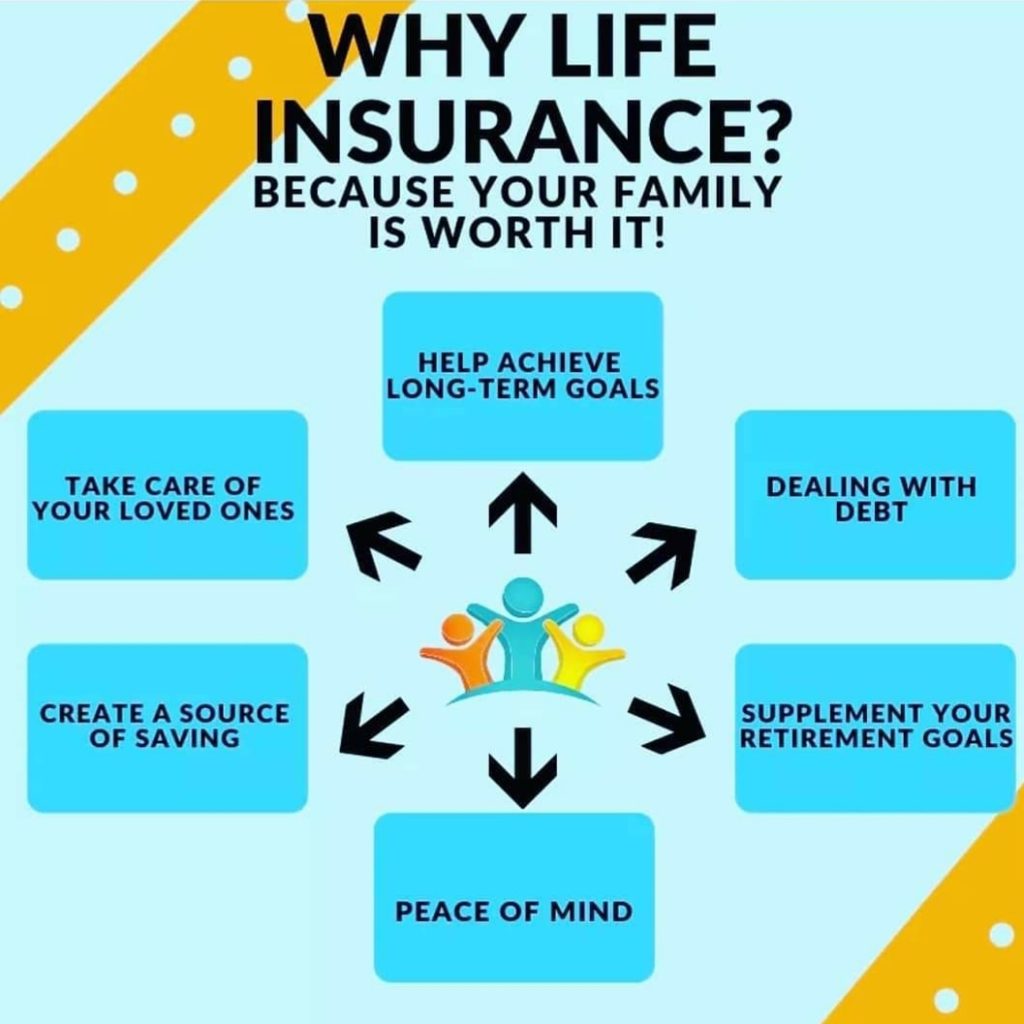
The most immediate benefit of B&CE workplace life insurance is the lump sum payment. This capital can be used by beneficiaries to cover significant costs such as:
- Outstanding mortgage balances or rent.
- Funeral expenses.
- Daily living costs and childcare.
- Education fees for surviving children.
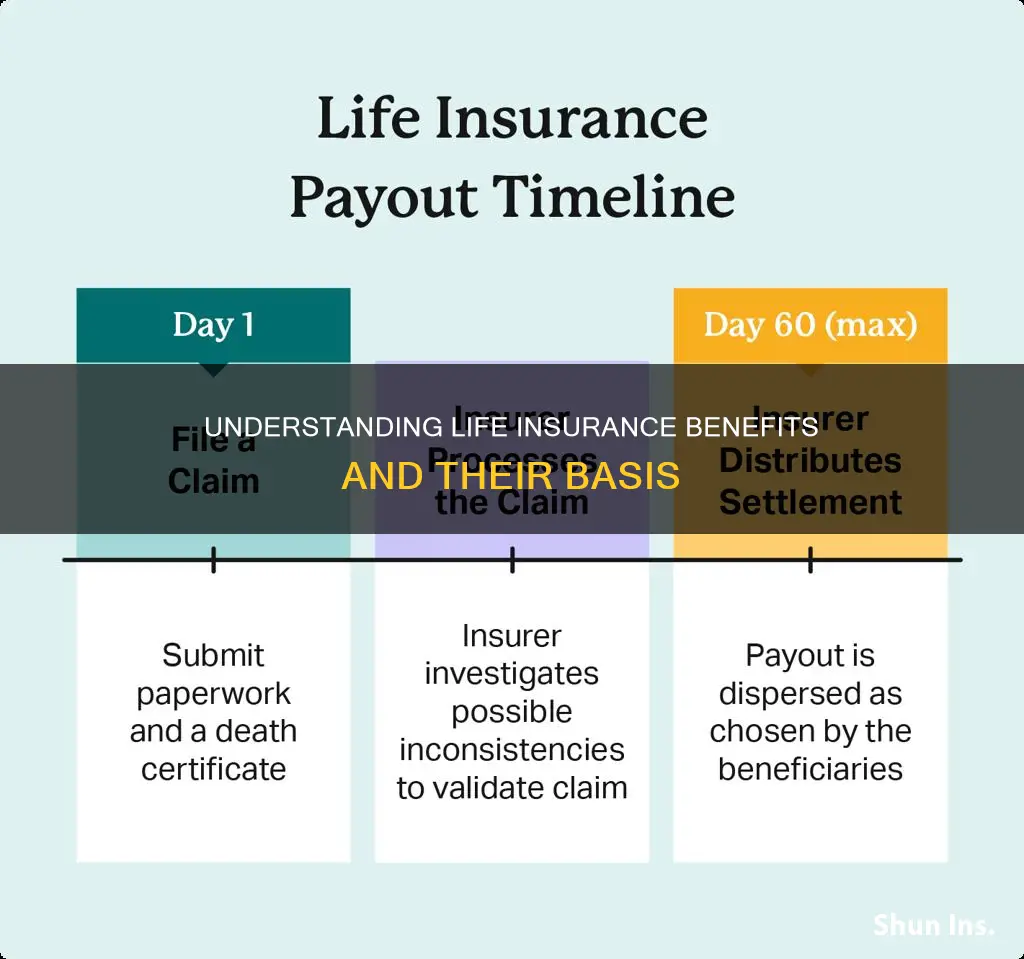
Because these payments are typically made through a discretionary trust, they are usually paid out quickly, bypassing the lengthy probate process that governs other parts of an estate. In 2026, where economic volatility remains a concern for many households, the certainty of a guaranteed payout provides invaluable peace of mind.
The Advantage of No Medical Underwriting
A standout feature of B&CE workplace life insurance is the Automatic Acceptance Limit (AAL), also known as the Free Cover Limit. Unlike private life insurance policies, which often require extensive medical questionnaires, GP reports, and physical examinations, B&CE’s workplace cover generally does not require medical evidence for the majority of members.
Accessibility for High-Risk Individuals
This is a transformative benefit for employees with pre-existing health conditions. In the private market, individuals with chronic illnesses or high-risk lifestyles might face "rated" (increased) premiums or even be denied cover entirely. Under the B&CE workplace scheme:
- Uniformity: Everyone within the group is covered up to the AAL regardless of their medical history.
- Inclusivity: It levels the playing field, ensuring that health status is not a barrier to basic financial protection.
- Speed: Cover is active as soon as the employee joins the qualifying workplace scheme, without waiting for medical approval.
For employees whose required cover exceeds the scheme's AAL, some medical underwriting may be necessary for the "excess" amount, but the baseline protection remains accessible to all eligible participants.
Cost Efficiency for Employers and Employees
The B&CE model is built on the principle of "master trust" and group-based risk. By pooling thousands of employees across various companies, People’s Partnership can negotiate significantly lower rates than an individual could obtain on the open market.
Employer-Paid Premiums
In most instances, the Employee Life Benefit is funded entirely by the employer. This makes it a "free" benefit for the employee, adding substantial value to their total compensation package without reducing their take-home pay. For the employer, the premiums are typically treated as a tax-deductible business expense.
Low Administrative Burden
Because the life insurance is integrated with the workplace pension infrastructure, the administrative overhead is minimal. Employers do not need to manage a separate complex insurance scheme; instead, the life cover works in tandem with the pension contributions, reducing the risk of administrative errors that could lead to a lapse in cover.
Tax Efficiency and the Role of the Trust
One of the most complex but beneficial aspects of B&CE workplace life insurance is its tax treatment. In 2026, following the major pension tax reforms of 2024 (specifically the abolition of the Lifetime Allowance and the introduction of the Lump Sum and Death Benefit Allowance - LSDBA), understanding these limits is crucial.
Tax-Free Lump Sums
The life insurance payout is generally paid tax-free to the beneficiaries, provided it falls within the individual’s LSDBA. As of 2026, the standard LSDBA remains at £1,073,100 (unless the deceased held specific protections). Because the benefit is paid via a trust, it does not typically form part of the deceased’s legal estate for Inheritance Tax (IHT) purposes. This can save a family thousands of pounds in tax that would otherwise be due if the payout were treated as a standard asset.
The Discretionary Trust Mechanism
B&CE (People’s Partnership) utilizes a discretionary trust to manage payouts. While the employee can nominate beneficiaries via an "Expression of Wish" form, the Trustees have the final say. This legal structure is beneficial because:
- It ensures the money is not delayed by probate.
- It protects the funds from creditors of the estate.
- It allows Trustees to consider the most current family circumstances, such as a recently born child not yet added to the nomination form.
Detailed Comparison: Pension Benefits vs. Life Insurance Benefits
To better understand the dual nature of these protections, the following table compares the standard pension death benefit with the additional Employee Life Benefit (Life Insurance) offered through B&CE.
| Feature | Pension Pot Death Benefit | Employee Life Benefit (Life Insurance) |
|---|---|---|
| Source of Funds | Accumulated contributions and investment growth. | An insurance policy payout. |
| Value Basis | Variable (market-dependent). | Fixed (usually a multiple of salary or set amount). |
| Medical Requirements | None. | None (up to the Free Cover Limit). |
| Payout Trigger | Death of the member at any time before retirement. | Death while in service with the employer. |
| Tax Status | Generally tax-free if under age 75. | Generally tax-free (subject to LSDBA). |
| Inheritance Tax | Usually exempt if held in trust. | Usually exempt if held in trust. |
| Maturity | Increases as the member gets older. | Provides maximum cover even in early career. |
Historical Context and Reliability
The origins of B&CE in the 1940s as a provider for the construction industry have instilled a culture of resilience and focus on workers who may not have had access to traditional financial advice. Transitioning into People’s Partnership has allowed the organization to modernize its digital interfaces while maintaining the "not-for-profit" philosophy that prioritizes member outcomes over shareholder dividends.
In 2026, this reliability is a major benefit. Members of the B&CE workplace pension can trust that the life insurance element is backed by reputable insurers and managed by a Trustee board with a legal duty to act in their best interests. This institutional stability is a significant "soft" benefit that provides confidence to employees working in physically demanding or economically sensitive sectors.
Practical Steps: Maximizing the Benefit
While the life insurance benefit is often automatic, it is not "set and forget." Employees must take specific actions to ensure the benefit works as intended.
The Expression of Wish Form
The single most important task for any member is to complete and regularly update their Expression of Wish. This document tells the B&CE Trustees who the employee would like to receive the life insurance payout.
- Why it matters: Without an updated form, the Trustees may have to conduct extensive investigations to find valid dependants, delaying the payout during a time of financial need.
- Life Events: Members should update this form after marriage, civil partnership, divorce, or the birth of a child.
Understanding "In-Service" Requirements
Life insurance through a workplace pension is typically a "death-in-service" benefit. This means the cover is active only while the individual is employed by the company providing the scheme. If an employee leaves the job, the life cover usually ceases, though the pension pot itself remains theirs. In 2026, some schemes offer "extension of cover" or "portability" options, but these are specific to the employer's contract with People's Partnership and should be verified through the HR department.
Frequently Asked Questions
1. Is B&CE workplace life insurance the same as a private life insurance policy?
No. Workplace life insurance is a group policy managed by your employer and the pension provider. It usually ends when you leave that employer and does not require a medical exam for most levels of cover. A private policy is owned by you individually, requires medical underwriting, and stays with you regardless of your job.
2. How much does the life insurance payout?
The payout amount varies depending on what your employer has chosen. Common structures include a fixed sum (e.g., £25,000 or £50,000) or a multiple of your annual salary (e.g., 2x or 3x salary). You can find your specific cover amount in your B&CE/People’s Pension member account or your employee handbook.
3. Can I have B&CE life insurance if I have a pre-existing condition?
Yes, in most cases. One of the primary benefits of this scheme is that it uses an Automatic Acceptance Limit. As long as the benefit amount is below this limit, you are covered regardless of your medical history. If your benefit is exceptionally high, the insurer might ask for medical details for the portion above the limit.
4. What happens to the life insurance if I stop paying into my pension?
The life insurance benefit is usually tied to your employment status rather than your individual pension contribution level. However, if you opt-out of the pension scheme entirely, some employers may also remove you from the associated life insurance cover. It is essential to check your specific contract terms.
5. Are the payouts affected by the 2024/2025 tax changes?
Yes. Since 2024, the Lifetime Allowance has been replaced by the Lump Sum and Death Benefit Allowance (LSDBA). As of 2026, most people have a tax-free limit of £1,073,100 across all their pension death benefits and life insurance lump sums. If your total payouts exceed this, the excess may be taxed at your beneficiary's marginal income tax rate.
Recommendations for Employees
To ensure you are fully protected by your B&CE workplace pension life insurance, follow these steps:
- Verify Cover: Log in to your People's Pension Online Account to confirm the exact amount of life cover your employer provides.
- Nominate Beneficiaries: Ensure your Expression of Wish is current. Do not assume it is correct if you haven't checked it in the last two years.
- Evaluate Gap: Compare your workplace cover with your total debt (mortgage, etc.). If the workplace payout is insufficient, consider a supplementary private policy.
- Keep Records: Ensure your family or beneficiaries know that this benefit exists and where to find your pension account details.
Image Gallery