Preparing for the Michigan Life Insurance Licensing Exam: A Comprehensive Guide
Passing the Michigan life insurance licensing exam is the final hurdle for individuals pursuing a career as a licensed producer in the state. Mastering the material requires a structured approach to study, which includes utilizing a hi...
Passing the Michigan life insurance licensing exam is the final hurdle for individuals pursuing a career as a licensed producer in the state. Mastering the material requires a structured approach to study, which includes utilizing a high-quality free Michigan life insurance practice test to identify knowledge gaps, familiarize yourself with the exam format, and refine your test-taking speed before sitting for the official proctored assessment.
Contents
Understanding the Michigan Life Insurance Licensing Process
Before you dive into practice questions, it is essential to understand the regulatory environment of the Michigan Department of Insurance and Financial Services (DIFS). Michigan requires prospective insurance producers to complete a state-approved pre-licensing education (PLE) course before they are eligible to schedule their examination.
The exam itself is administered by a third-party testing vendor, typically Pearson VUE. The content outline is standardized and covers both national concepts and state-specific regulations. Relying solely on a practice test without completing the required pre-licensing coursework is rarely sufficient, as the exam tests your theoretical understanding of insurance law, contract provisions, and the ethical responsibilities of a fiduciary.
The Role of Practice Tests in Your Study Plan
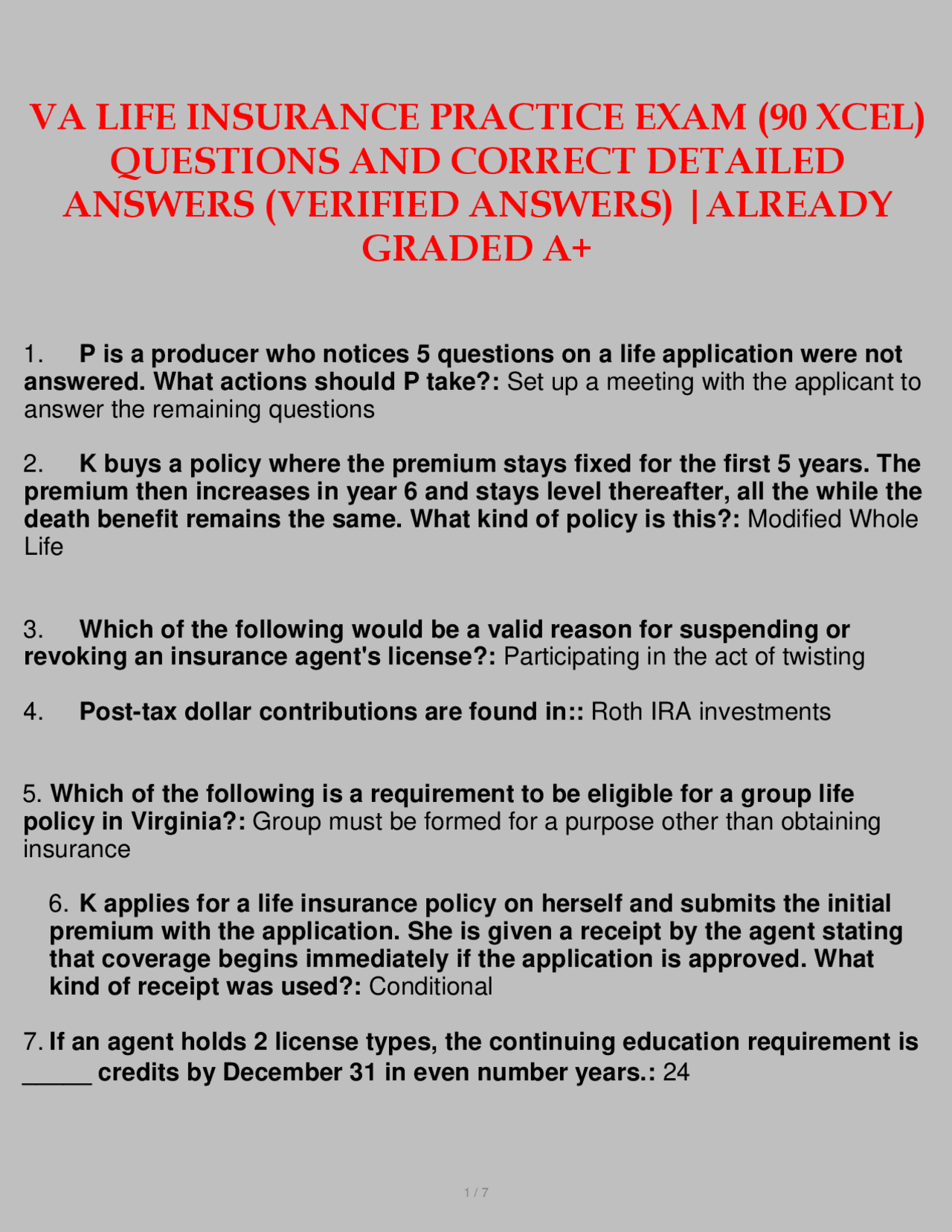
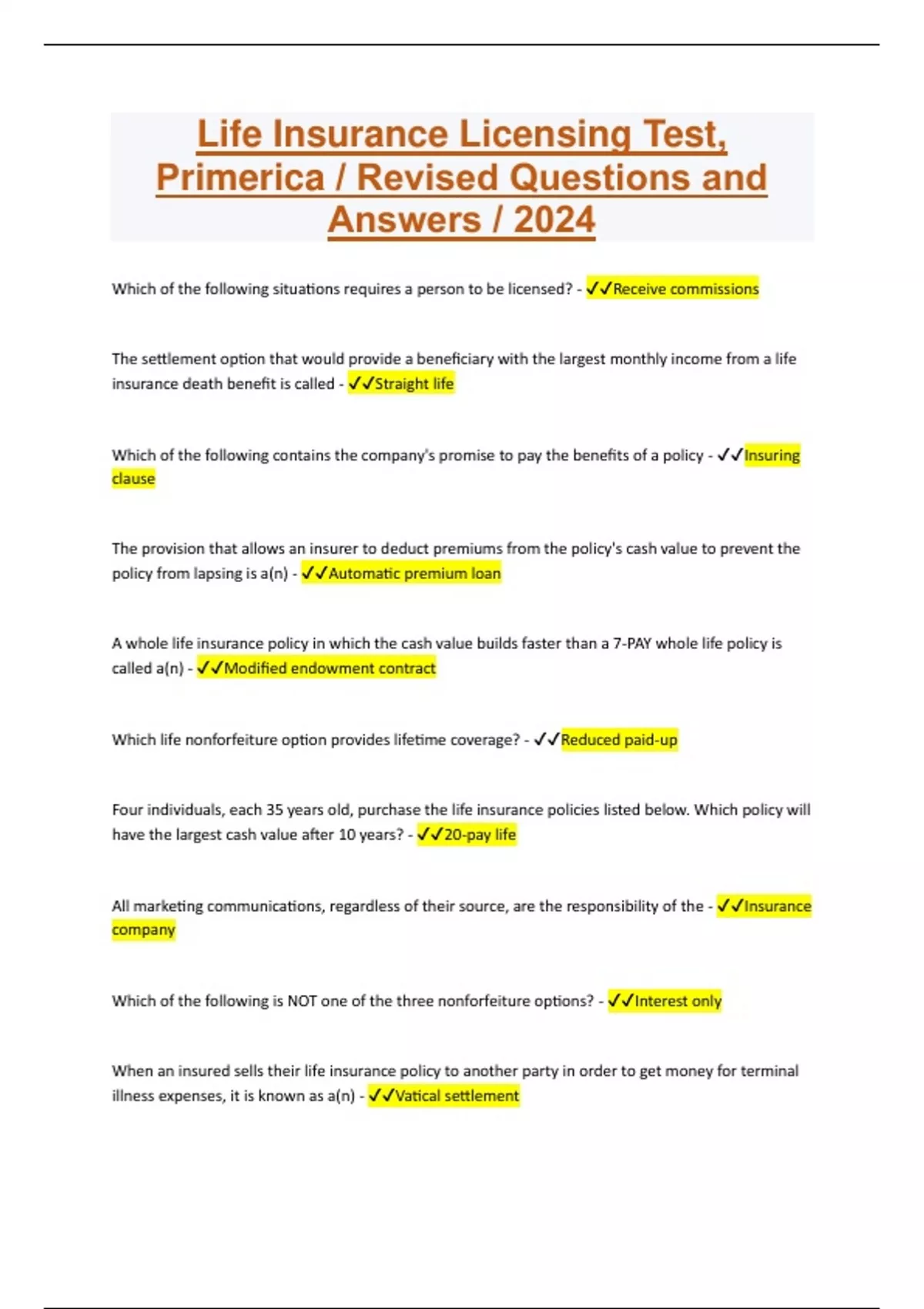
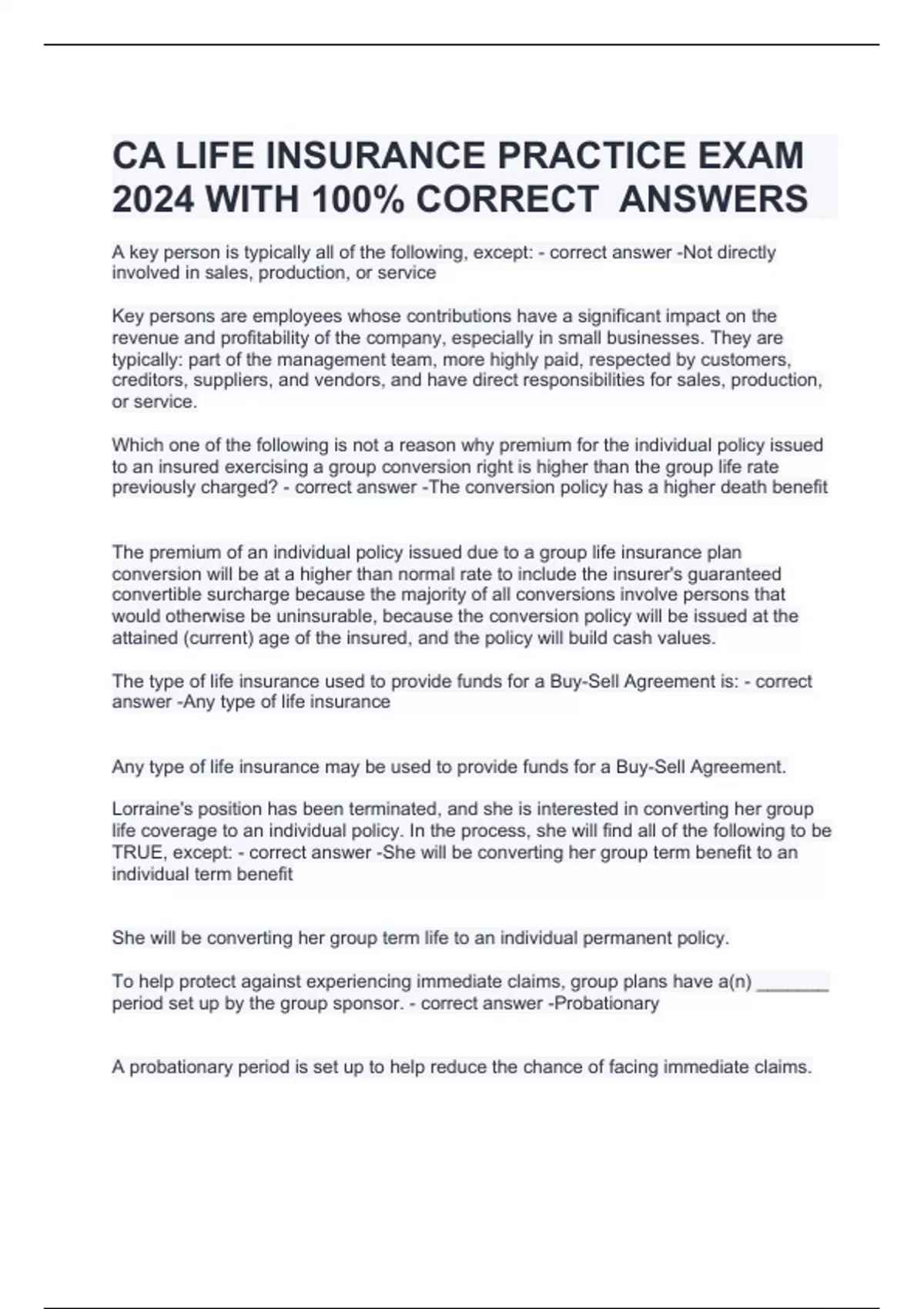
A practice test is not a substitute for the core curriculum, but it is the most effective tool for measuring your readiness. The primary goal of a free Michigan life insurance practice test is to simulate the conditions of the actual exam. By repeatedly engaging with these tests, you achieve three primary objectives:
- Pattern Recognition: You learn to identify how questions are framed. Insurance exams often use specific phrasing to test your ability to distinguish between similar concepts, such as the difference between a "revocable" and "irrevocable" beneficiary.
- Time Management: The state exam is timed. Practice tests help you develop the internal rhythm needed to complete 50 to 100 questions within the allotted window without feeling rushed.
- Content Prioritization: After taking several practice exams, you will notice patterns in your performance. If you consistently miss questions regarding "non-forfeiture options" or "policy riders," you know exactly which chapters of your textbook to revisit.
Core Subjects Covered in the Michigan Life Insurance Exam
To pass the exam, your preparation must encompass several technical pillars. A good practice test provider will ensure their questions are weighted appropriately across these categories.
1. Life Insurance Basics
This section tests your knowledge of how life insurance functions, including term versus permanent life insurance, premiums, and the legal aspects of insurance contracts (such as insurable interest, aleatory contracts, and adhesion).
2. Policy Provisions and Riders
You will be expected to explain how policy features work. This includes grace periods, reinstatement clauses, policy loans, and specific riders like the Accidental Death Benefit or the Guaranteed Insurability option.
3. Underwriting and Policy Issue
This covers the application process, medical exams, risk classification (standard, substandard, and preferred), and how insurance companies determine premium costs.
4. Michigan State-Specific Regulations
This is a critical section that is often overlooked. It covers the Michigan Insurance Code, including requirements for licensing, appointment, reporting of disciplinary actions, and the ethical behavior expected of a producer. These questions are unique to the state, and generic national practice tests may not cover them adequately.
Strategic Comparison of Study Resources
Choosing the right resources is vital for your success. Below is a comparison of common study methods.
| Resource Type | Accessibility | Cost | Focus Areas |
|---|---|---|---|
| Official Content Outlines | High | Free | Legal scope, topics list |
| Provider Practice Tests | High | Free/Low | Pattern recognition, speed |
| Textbook/PLE Courses | Medium | Variable | Conceptual depth, laws |
| Flashcards | High | Low | Terminology, definitions |
Tips for Effective Practice Testing
When using free practice tests, do not simply memorize the answers. Instead, focus on the rationale behind the correct choice. If a question asks about the "Free Look Period" in Michigan, understand not just the number of days, but the legal intent behind that provision—which is to protect the consumer.
- Simulate Exam Conditions: Clear your desk, put away your phone, and time yourself. Do not allow yourself to look up answers until you have completed the entire test.
- Review Incorrect Answers: The most valuable part of a practice test is the post-test review. For every question you answer incorrectly, read the explanation provided by the testing platform. If the platform does not provide an explanation, use your textbook to find the source of your error.
- Space Out Your Testing: Do not take the same practice test five times in a row. Once you have seen a question multiple times, you are merely remembering the answer rather than testing your knowledge. Spread your practice out over several days to ensure you are retaining the information.
Common Pitfalls to Avoid
Many candidates fail the exam because they rely on "brain dumps" or outdated practice materials. Insurance laws, particularly those governed by state legislation, change over time. Ensure the free practice test you are using is updated for the 2026 testing year. If you find a practice question referencing a statute that has been repealed or significantly altered, discard that resource immediately.
Furthermore, avoid the temptation to "cram." The material is dense, and the exam requires a foundational understanding of how these policies interact with legal and tax frameworks. Consistent, daily study over a period of three to four weeks is significantly more effective than a high-intensity study session the night before the test.
Next Steps for Aspiring Producers
Once you are consistently scoring above 85% on your practice exams, you are likely ready to schedule your official appointment with Pearson VUE. Keep your confirmation number handy and ensure you bring the required identification documents to the testing center.
If you find that your scores are stagnating, do not rush the testing date. It is far more cost-effective to spend an extra week studying than to pay the examination fee for a second attempt. Use your practice test results as a roadmap: if your performance in the "Michigan Insurance Code" section is low, focus your final days of review entirely on those statutes rather than re-reading the entire textbook.
Frequently Asked Questions (FAQ)
1. Are free online practice tests as good as paid ones? Free tests are excellent for general practice and speed training. However, they may lack the depth of state-specific legal nuances found in paid, professional study packages. Use free tests as a supplement to your required pre-licensing materials, not as your only source.
2. How many times should I take a practice test? You should take enough practice tests to identify your weak spots, but avoid over-testing. Once you reach a point where you are scoring consistently high, move on to reviewing specific topics you feel less confident about.
3. Does the Michigan insurance exam change often? The core concepts of life insurance remain relatively stable, but Michigan state laws and regulations are updated periodically. Always verify that your study materials are current for the 2026 calendar year to avoid learning outdated compliance information.
4. What happens if I fail the Michigan life insurance exam? If you fail the exam, you are permitted to retake it. You will need to re-register through the testing vendor and pay the examination fee again. Use the score report provided by the testing center to see which sections require more focus before you re-test.
5. Do I need a calculator for the exam? Most testing centers provide a basic calculator on the screen or in physical form if mathematical calculations (such as policy cash value projections) are required. Check the official exam candidate handbook for the most recent policy on personal items.
Image Gallery