How the Mash Producer Fits in Brewing: Equipment, Process, and Integration
The mash producer, typically referred to in industry terms as the mash tun or mash kettle, is the central vessel in the brewhouse where the biochemical transformation of starch into sugar occurs. By mixing milled grist with temperature...
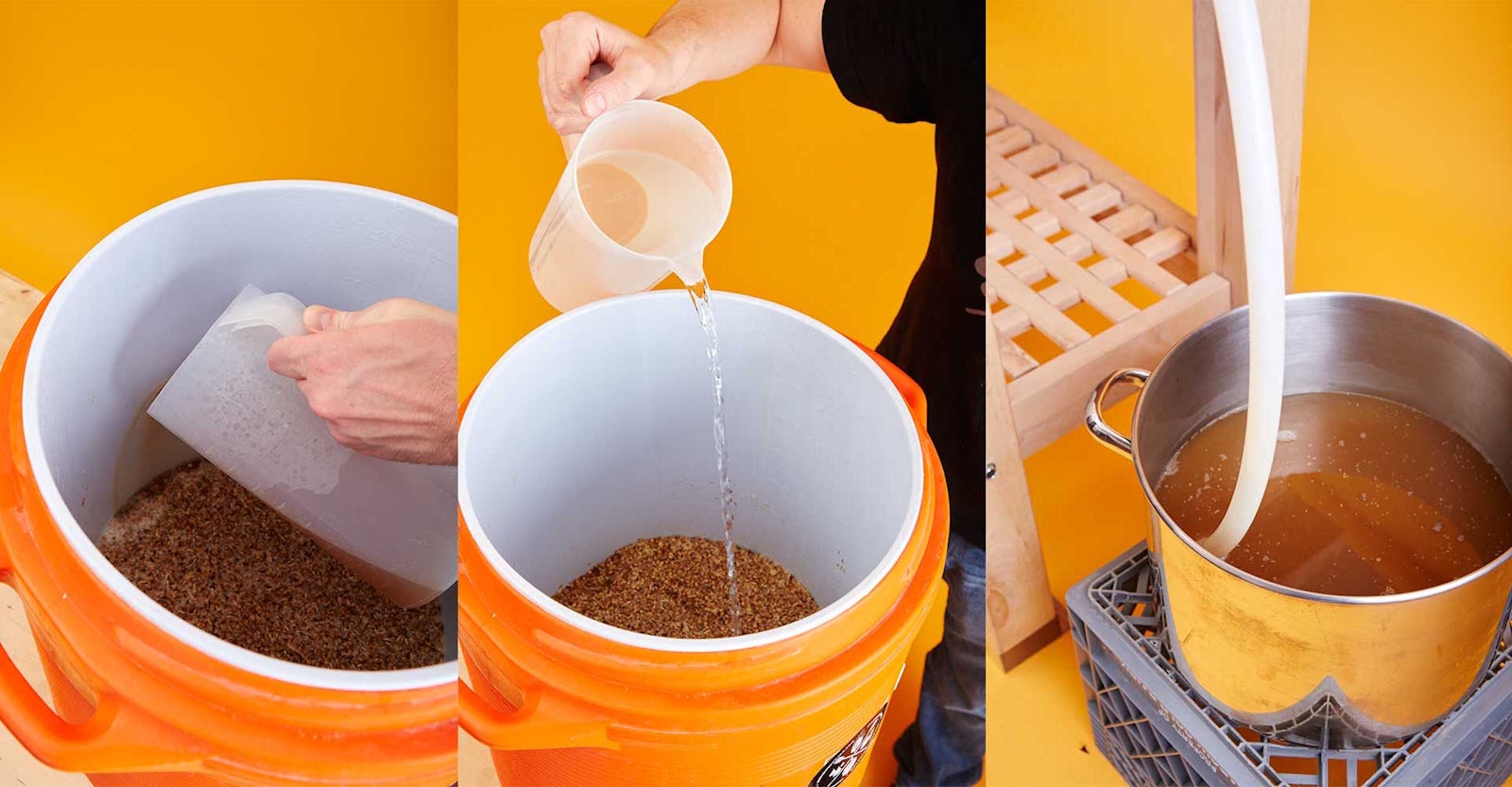
The mash producer, typically referred to in industry terms as the mash tun or mash kettle, is the central vessel in the brewhouse where the biochemical transformation of starch into sugar occurs. By mixing milled grist with temperature-controlled water, this equipment facilitates the enzymatic activity necessary to create wort, the sugary liquid that eventually becomes beer.
Contents
In the complex ecosystem of a modern brewery, the mash producer serves as the bridge between the dry handling of raw materials and the liquid processing of the hot side. As we look at the state of brewing technology in 2026, the "mash producer" is no longer just a passive vat; it is a highly engineered reactor designed for precision, energy efficiency, and consistency. Understanding how this component fits into the wider brewing sequence is essential for optimizing extract yield, managing brewhouse efficiency, and ensuring the repeatable flavor profiles that consumers demand.
The Role of the Mash Producer in the Brewing Sequence
The brewing process is a linear progression of physical and chemical changes, and the mash producer sits at the most critical juncture of the "hot side." Before the grain reaches the mash producer, it undergoes milling, where the husk is cracked to expose the starchy endosperm. Once the grist is prepared, it is introduced to the mash producer along with "strike water."
Inside this vessel, the primary goal is saccharification. This is the process where enzymes—specifically alpha-amylase and beta-amylase—become active at specific temperature ranges. These enzymes break down complex long-chain carbohydrates into simpler fermentable sugars like maltose and glucose, as well as non-fermentable dextrins that provide body to the finished beer.
In a standard two-vessel brewhouse, the mash producer often doubles as the lauter tun (a mash/lauter tun), but in professional, high-throughput configurations common in 2026, these are separate units. This separation allows the mash producer to focus entirely on the heating and mixing phases, while a dedicated lauter tun handles the separation of liquid wort from spent grain. This specialized approach increases the number of brews a facility can complete in a 24-hour cycle.
Technical Design and Engineering of Modern Mash Producers
The engineering of a mash producer in 2026 prioritizes thermal stability and mechanical efficiency. Most modern vessels are constructed from high-grade 304 or 316L stainless steel, chosen for its corrosion resistance and ease of sanitation. However, the true "work" of the mash producer is managed by its internal components.
Heating Systems and Heat Transfer
Efficiency in a mash producer is largely defined by how quickly and evenly it can raise the temperature of the mash. There are three primary heating methods used in contemporary brewing:
- Steam Jackets: The most common in industrial settings, where high-pressure steam is circulated through dimpled jackets surrounding the vessel. This allows for rapid "step mashing," where the temperature is raised incrementally to hit different enzymatic rests.
- Internal Calandrias: High-capacity systems may use an internal heating element that circulates the mash through a heat exchanger, providing extremely precise control without the risk of localized scorching.
- Direct Fire or Electric Elements: Often found in smaller craft installations, though even these have seen significant upgrades in 2026 to include modulated burners and ultra-low watt density electric elements to prevent caramelization of the sugars.
Agitation and Mixing
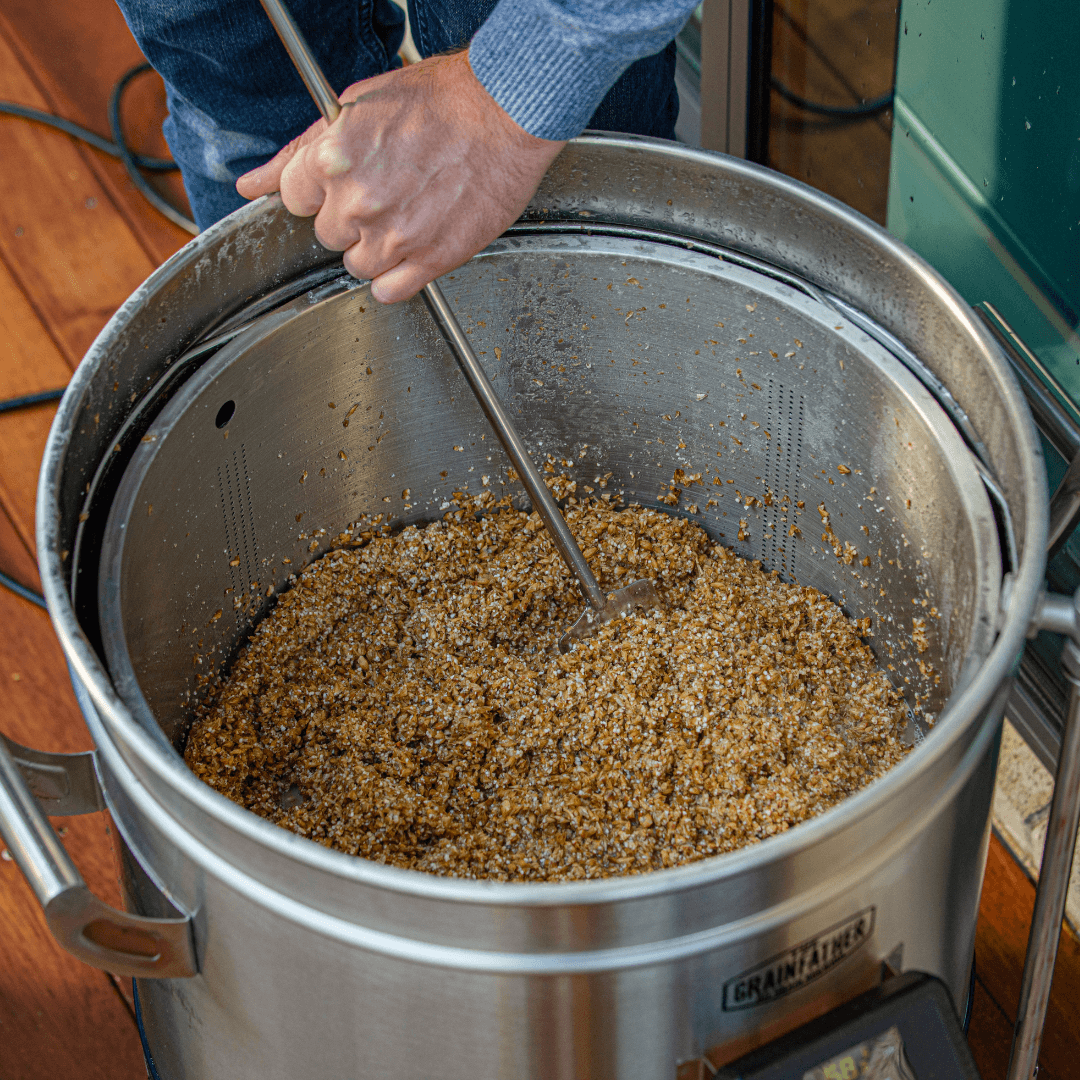
The "producer" must ensure a homogenous mixture. Without proper agitation, "hot spots" can develop, or grain can settle at the bottom, leading to uneven sugar extraction. Modern mash producers utilize low-shear agitators or "mash paddles" driven by variable-frequency drive (VFD) motors. These systems are designed to keep the grist in suspension while minimizing the mechanical damage to the grain husks, which can release unwanted tannins and polyphenols into the wort.
Integration with Upstream and Downstream Equipment
The mash producer does not operate in a vacuum; it is the centerpiece of a synchronized system. Its integration starts with the Grist Case and Hydrator. In 2026, many breweries use a "Pre-Masher" or "Steel's Hydrator" mounted directly above the mash producer. This device pre-wets the grain with hot water as it falls into the vessel, preventing the formation of "dough balls"—clumps of dry flour that shield starch from enzymes.
Once the mashing cycle is complete, the mash producer must interface perfectly with the Lauter Tun or Mash Filter. The transfer of the "mash" (the thick porridge of grain and water) is a delicate stage. It is usually moved via a centrifugal pump designed for high solids or through gravity. The timing of this transfer is critical; if the mash stays in the producer too long after saccharification is complete, the enzyme activity may shift the sugar profile toward a higher fermentability than intended, leading to a beer that is thinner and higher in alcohol than the recipe specified.
The Biochemical Process: Step Mashing vs. Infusion
How a producer fits into a brewery often depends on the style of beer being made and the tradition of the brewhouse. This dictates the operational mode of the vessel.
Single-Infusion Mashing
In many British-style ale breweries, the mash producer acts as a "steady-state" vessel. The water and grain are mixed at a single, precise temperature (usually between 64°C and 68°C) and held there for 60 minutes. This is the simplest use of the equipment and requires less sophisticated heating systems, as the vessel mainly needs to be well-insulated to maintain the temperature.
Step Mashing and Decoction
For continental lager styles, the mash producer is used as a dynamic reactor. It must be able to raise temperatures through various "rests":
- Acid Rest (35–45°C): Lowers pH (rarely used with modern malts but relevant for specific styles).
- Protein Rest (45–55°C): Breaks down large proteins to improve head retention and reduce chill haze.
- Saccharification Rest (60–70°C): The primary sugar conversion stage.
- Mash-Out (76–78°C): Raises the temperature to stop enzyme activity and lower the viscosity of the wort for easier lautering.
In 2026, automated "Recipe Management Systems" allow brewers to program these steps into the mash producer's PLC (Programmable Logic Controller), which then automatically manages steam valves and agitator speeds to hit these targets within fractions of a degree.
Comparative Overview of Mash Vessel Types
The choice of mash producer depends on the brewery’s scale, budget, and intended beer styles. The following table compares the three most common configurations found in the industry today.
| Feature | Mash Tun (Infusion) | Mash Kettle (Step/Decoction) | Mash/Lauter Combination |
|---|---|---|---|
| Primary Use | Ale brewing, single-temp rests | Lager brewing, complex steps | Small-scale brewpubs, space-saving |
| Heating Method | Often unheated (insulated) | Steam jackets or calandrias | Bottom/side steam jackets |
| Agitation | Optional/Minimal | High-torque agitators | Raking machines (dual purpose) |
| Extraction Yield | Moderate | High (due to step control) | Moderate to High |
| Complexity | Low | High | Medium |
| Vessel Design | Simple cylinder | Conical or flat-bottomed | False bottom included |
Energy Efficiency and Sustainability in 2026
As of 2026, the "fit" of the mash producer in a brewery is heavily influenced by sustainability mandates. Heating water to mashing temperatures is one of the most energy-intensive parts of the brewing process. Modern mash producers are now frequently integrated into Energy Recovery Systems (ERS).
When the wort is eventually boiled in the kettle, the steam produced is captured through a stack condenser. This heat is used to pre-heat the water for the next mash cycle. Additionally, vacuum-insulated vessels are becoming more common, reducing heat loss to the ambient brewhouse environment by up to 25% compared to traditional mineral wool insulation. Some advanced producers are even experimenting with ultrasonic vibration to accelerate enzymatic breakdown, potentially reducing the time the mash needs to stay at high temperatures, thereby saving energy.
Common Challenges and Troubleshooting
Integrating a mash producer into a workflow requires constant vigilance regarding mechanical and chemical variables. Even in 2026, certain "analog" problems persist:
- Stuck Mashes: If the mash producer does not mix the grist properly or if the temperature is too high, the grain can become gummy (often due to beta-glucans in wheat or oats). This makes it impossible to pump the mash to the next stage.
- Enzymatic Denaturation: If the heating system "overshoots" the target temperature, the enzymes can be permanently deactivated. This results in a "starch-positive" mash, where the liquid contains starch that the yeast cannot eat, leading to spoilage risks and hazy beer.
- Oxygen Pickup: Excessive agitation in the mash producer can introduce oxygen (Hot Side Aeration). While the impact of this is debated, many modern producers are designed to be "bottom-filling" or use inert gas (nitrogen/CO2) blankets to prevent the darkening of the wort and the development of "cardboard" off-flavors in the finished product.
Frequently Asked Questions
What is the ideal water-to-grain ratio in a mash producer?
Most breweries aim for a ratio between 2.5 and 3.5 liters of water per kilogram of grain. A "stiff" mash (lower ratio) can protect enzymes from heat but may result in lower extract efficiency, while a "thin" mash (higher ratio) can speed up conversion but may dilute the enzymes too much.
Can I use a mash producer for decoction mashing?
Yes, but the vessel must be a "Mash Kettle" equipped with an agitator and a robust heating system. Decoction involves boiling a portion of the mash and returning it to the main vessel to raise the temperature. The mash producer must be able to handle the physical stress of boiling thick grain solids without scorching.
How do I know when the mash producer has finished its job?
Brewers perform an "Iodine Test." A small sample of the liquid mash is mixed with a drop of iodine. If the iodine stays reddish-brown, the starch has been fully converted to sugar. If it turns dark blue or black, starch is still present, and the mash needs more time in the producer.
Is a mash producer different from a mash tun?
In common parlance, they are often used interchangeably. Technically, a "mash tun" is a vessel designed for infusion mashing (often including a false bottom for drainage), while a "mash producer" or "mash kettle" refers to a vessel designed specifically for the mixing and heating of the mash before it is moved elsewhere for filtration.
How does the mash producer affect the beer's body?
By controlling the temperature in the mash producer, the brewer decides which enzymes are most active. Lower temperatures (62–64°C) favor beta-amylase, producing more fermentable sugar and a drier, thinner beer. Higher temperatures (68–70°C) favor alpha-amylase, leaving more unfermentable dextrins and resulting in a fuller-bodied, sweeter beer.
Summary of Actionable Best Practices
To ensure the mash producer fits effectively within your brewing operations in 2026, prioritize the following actions:
- Calibrate Thermal Probes: Ensure your PT100 sensors are calibrated quarterly. Even a 1-degree deviation can significantly alter the fermentability of the wort.
- Optimize Agitator Speed: Use VFDs to start the agitator slowly during grain-in to prevent motor strain and reduce shear stress on the grain husks.
- Monitor pH Levels: The mash producer is where pH management is most critical. Aim for a mash pH of 5.2 to 5.5 to maximize enzymatic efficiency and improve the eventual "break" in the kettle.
- Implement Heat Recovery: If upgrading equipment, choose a mash producer that can interface with a heat-exchanger system to utilize waste heat from the knockout or boiling stages.
Image Gallery