Mission Impossible Films in Chronological Order: The Complete IMF Timeline
To watch the Mission: Impossible films in chronological order, you simply follow the sequence of their theatrical releases. The story of Ethan Hunt and the Impossible Missions Force (IMF) moves forward linearly from the original 1996 f...
To watch the Mission: Impossible films in chronological order, you simply follow the sequence of their theatrical releases. The story of Ethan Hunt and the Impossible Missions Force (IMF) moves forward linearly from the original 1996 film through the high-stakes resolution of The Final Reckoning in 2025.
Contents
The Mission: Impossible franchise stands as a rare pillar in cinema where the narrative complexity and technical ambition have grown consistently over three decades. Unlike franchises that utilize prequels or non-linear timelines, this series benefits from a straightforward progression. Watching them in order allows viewers to witness the evolution of Ethan Hunt (Tom Cruise) from a young, framed operative into a legendary team leader, while also tracking the technological shifts and the escalation of the series' signature practical stunts.
The Chronological Sequence vs. Release Date
In many modern cinematic universes, the order in which movies are released does not match the internal timeline of the story. However, Mission: Impossible is an exception. There are no prequels or spin-offs that take place earlier in the timeline. To experience the story as it was intended, you should follow this list:
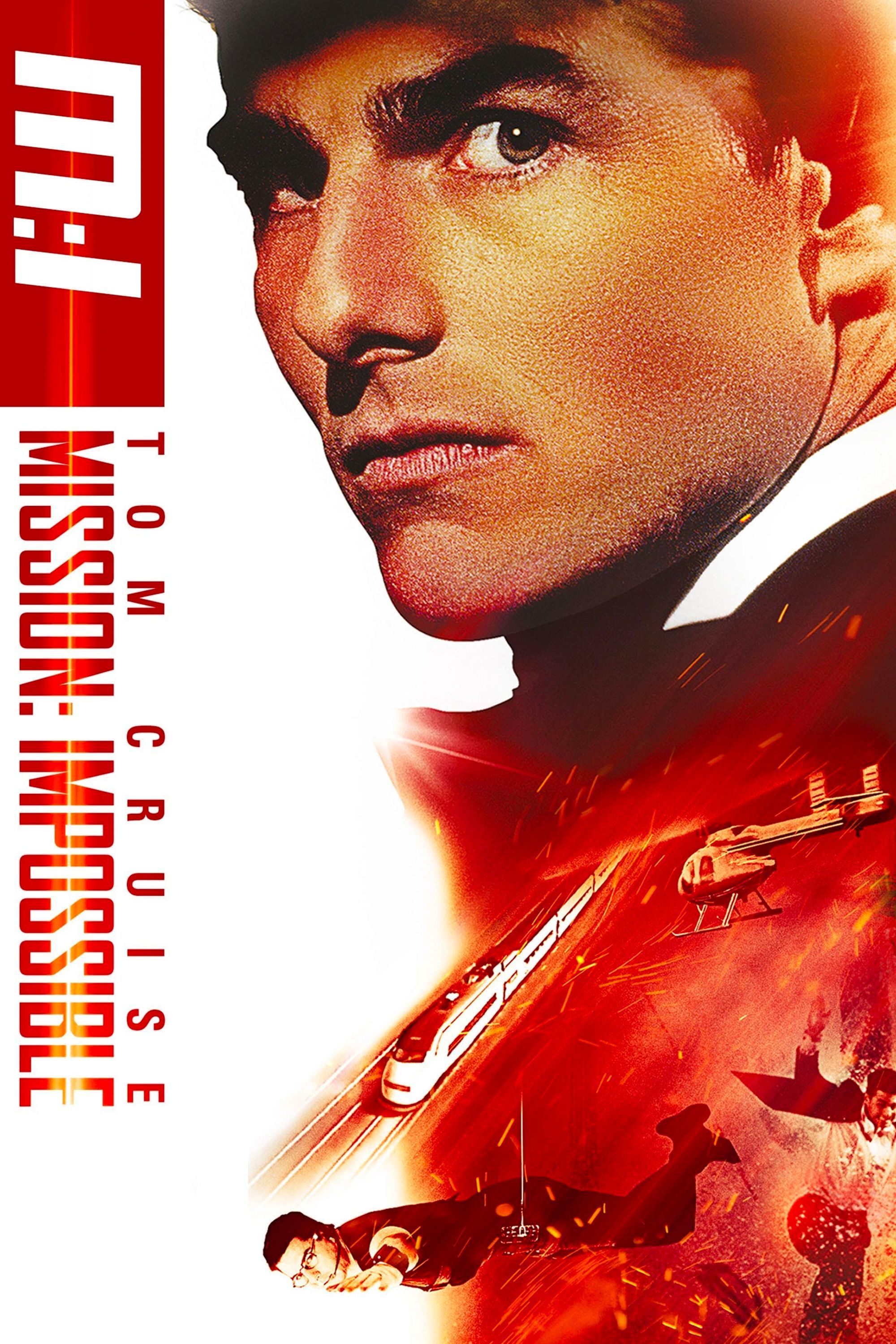
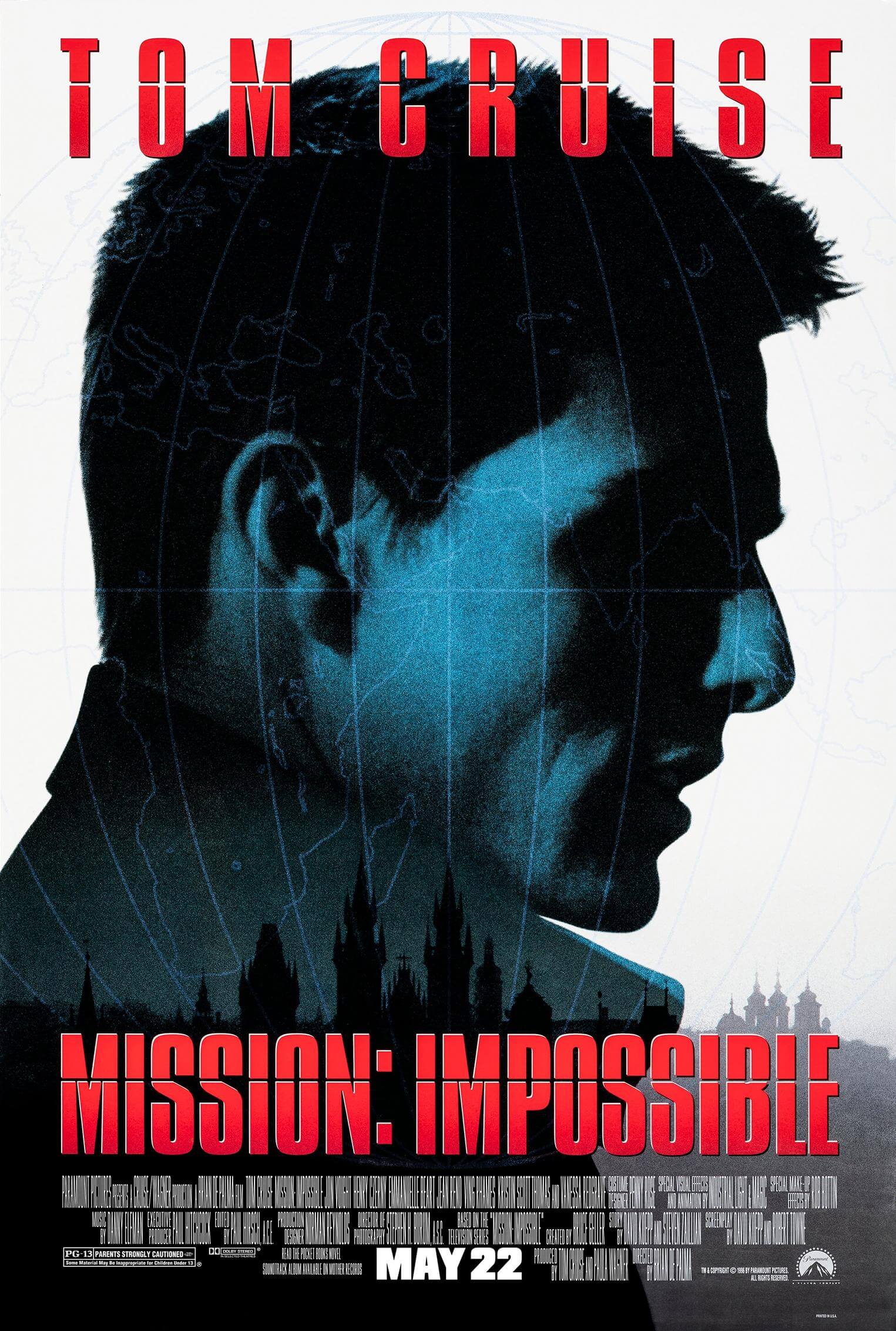
- Mission: Impossible (1996)
- Mission: Impossible 2 (2000)
- Mission: Impossible III (2006)
- Mission: Impossible – Ghost Protocol (2011)
- Mission: Impossible – Rogue Nation (2015)
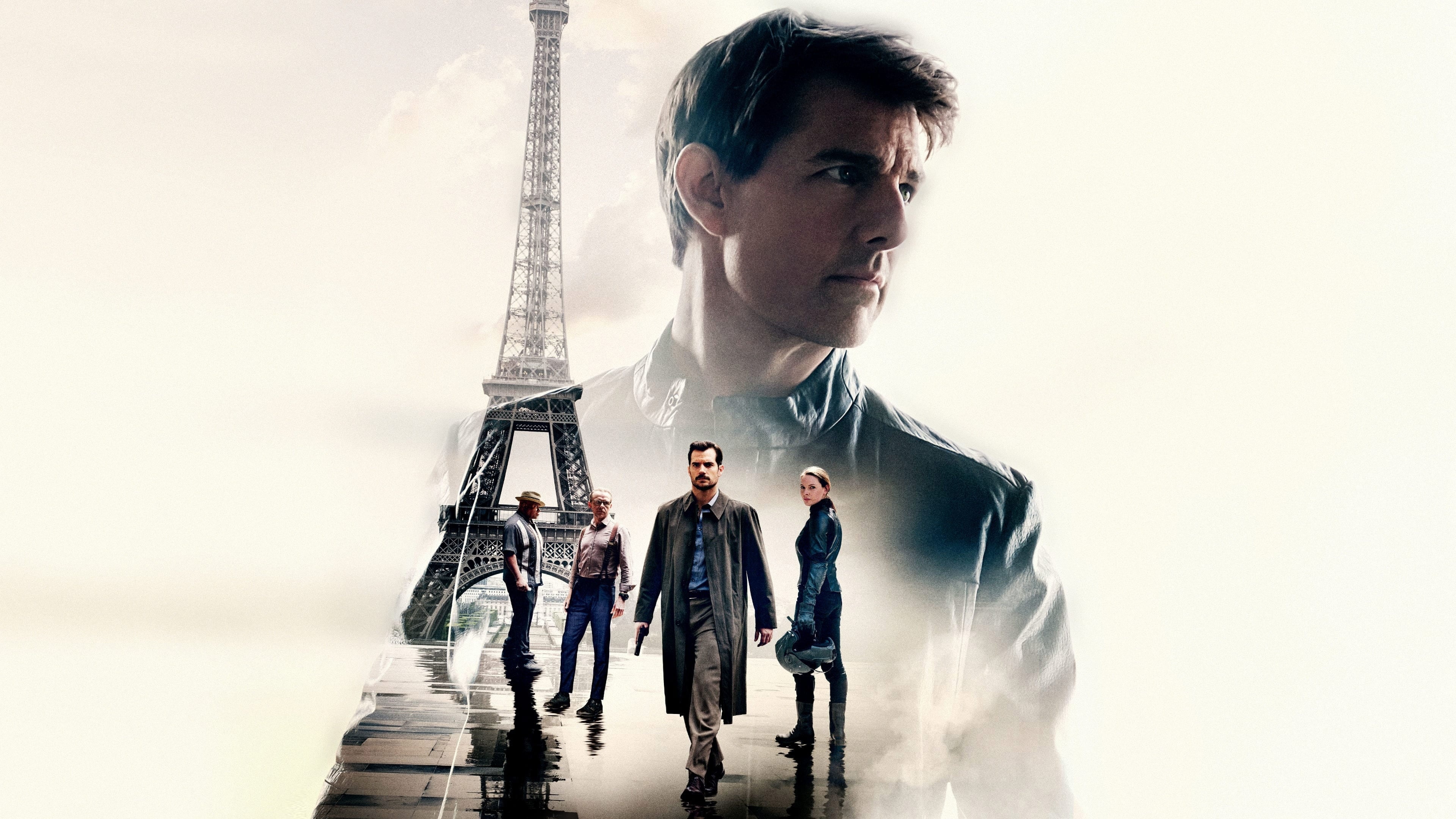
- Mission: Impossible – Fallout (2018)
- Mission: Impossible – Dead Reckoning Part One (2023)
- Mission: Impossible – The Final Reckoning (2025)
As of 2026, this eight-film odyssey represents the complete journey of Ethan Hunt. While rumors of future iterations often circulate, this core "Ethan Hunt Saga" remains a self-contained, chronological narrative.
In-Depth Breakdown of the Mission: Impossible Films
1. Mission: Impossible (1996)
Directed by Brian De Palma, the first film is more of a paranoid spy thriller than a blockbuster action movie. It introduces Ethan Hunt as a point man for an IMF team led by Jim Phelps (Jon Voight). After a mission in Prague goes disastrously wrong, Hunt is framed as a mole.
The film focuses on the "intellectual" side of espionage—think hacking, disguises, and tension-filled heists. The iconic scene of Hunt dangling from a ceiling in a high-security vault at Langley remains a definitive moment in cinema. This entry establishes the core theme of the series: trust is a luxury that IMF agents can rarely afford.
2. Mission: Impossible 2 (2000)
Directed by John Woo, the sequel took a sharp turn into stylized action. Ethan Hunt is tasked with recovering a genetically modified virus called "Chimera" and its cure, "Bellerophon," from a rogue IMF agent, Sean Ambrose.
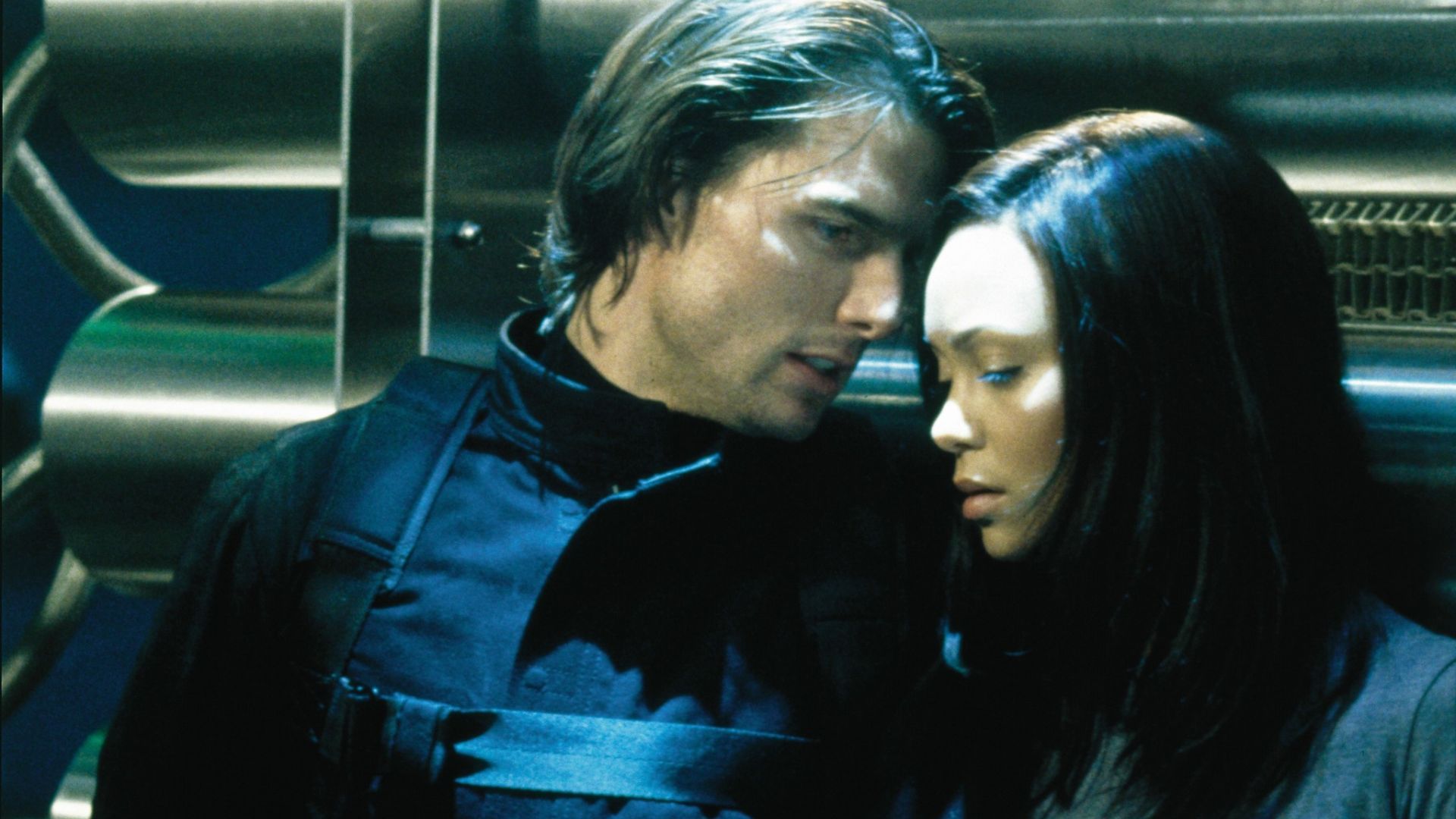
This film is distinct for its use of slow motion, doves, and heavy gun-fu—all hallmarks of Woo’s directing style. While it is often considered the outlier in terms of tone, it developed Hunt’s character as a more capable, physical powerhouse and introduced the romantic tension that would eventually lead to the personal stakes of the third film.
3. Mission: Impossible III (2006)
J.J. Abrams took the helm for the third installment, which is credited with grounding the series in personal emotion. Ethan Hunt has retired from active duty to train recruits and is engaged to Julia Meade (Michelle Monaghan), who is unaware of his secret life.
The antagonist, Owen Davian (played with chilling intensity by Philip Seymour Hoffman), forces Hunt back into the field to track down a mysterious MacGuffin known as the "Rabbit’s Foot." This film is vital for the chronological watch because it introduces Benji Dunn (Simon Pegg), who becomes a series mainstay, and establishes Ethan’s struggle to maintain a personal life.
4. Mission: Impossible – Ghost Protocol (2011)
Directed by Brad Bird, this film revitalized the franchise by emphasizing the "team" aspect of the IMF. After the Kremlin is bombed and the IMF is blamed, the President initiates "Ghost Protocol," effectively disavowing the entire agency.
Hunt and his ragtag team (including Benji and Jeremy Renner’s William Brandt) must clear their names and stop a nuclear extremist. This film began the tradition of massive, practical "stunt-pieces," most notably the sequence where Hunt climbs the exterior of the Burj Khalifa in Dubai.
5. Mission: Impossible – Rogue Nation (2015)
Christopher McQuarrie took over as director with Rogue Nation, beginning a creative partnership with Tom Cruise that would define the rest of the series. The film introduces The Syndicate, a "shadow IMF" made up of former intelligence officers from around the world.
More importantly, it introduces Ilsa Faust (Rebecca Ferguson), an MI6 agent whose loyalty remains ambiguous. The interplay between Hunt and Faust becomes a central narrative thread for the subsequent three films, making this a critical chapter for understanding the character dynamics in the final trilogy.
6. Mission: Impossible – Fallout (2018)
Widely regarded as one of the greatest action films ever made, Fallout is a direct narrative sequel to Rogue Nation. The Syndicate’s leader, Solomon Lane, returns as the Apostles—a splinter group—attempt to acquire plutonium cores for a nuclear strike.
The film ties together threads from the entire franchise, including the return of Julia Meade and the deepening bond between Hunt’s core team (Luther, Benji, and Ilsa). The HALO jump and the helicopter chase in the Kashmiri mountains set new benchmarks for practical filmmaking. Chronologically, this is where the series reaches its emotional and physical peak before the final two-part climax.
7. Mission: Impossible – Dead Reckoning Part One (2023)
In the penultimate chapter, the IMF faces a non-human threat: The Entity, an advanced, sentient AI capable of manipulating global networks. Hunt realizes that this threat is too dangerous for any one nation to control and decides that the Entity must be destroyed rather than weaponized.
The film introduces Grace (Hayley Atwell), a thief caught in the crossfire, and brings back a ghost from Ethan's pre-IMF past, Gabriel. The story ends on a massive cliffhanger after a spectacular train crash sequence, making the transition to the final film immediate.
8. Mission: Impossible – The Final Reckoning (2025)
The conclusion of the "Entity" storyline and potentially Ethan Hunt’s final mission. As of 2026, this film is recognized as the definitive closing chapter of the current era. It follows Ethan as he hunts down the source of the Entity, hidden in a sunken Russian submarine (the Sevastopol). The stakes are global, but the focus remains on the survival of the IMF team.
Summary Table: The Mission: Impossible Franchise
| Film Title | Release Year | Director | Primary Antagonist | Key Stunt/Location |
|---|---|---|---|---|
| Mission: Impossible | 1996 | Brian De Palma | Jim Phelps | CIA Vault Infiltration |
| Mission: Impossible 2 | 2000 | John Woo | Sean Ambrose | Rock Climbing / Motorcycle Duel |
| Mission: Impossible III | 2006 | J.J. Abrams | Owen Davian | Bridge Attack / Shanghai Swing |
| M:I – Ghost Protocol | 2011 | Brad Bird | Kurt Hendricks | Burj Khalifa Climb |
| M:I – Rogue Nation | 2015 | Christopher McQuarrie | Solomon Lane | Plane Takeoff (A400M) |
| M:I – Fallout | 2018 | Christopher McQuarrie | August Walker | HALO Jump / Helicopter Chase |
| M:I – Dead Reckoning | 2023 | Christopher McQuarrie | The Entity / Gabriel | Motorcycle Cliff Jump |
| M:I – Final Reckoning | 2025 | Christopher McQuarrie | The Entity / Gabriel | Arctic / Submarine Operations |
Why Character Arcs Matter in the Chronological Order
While the action is the primary draw for many, the chronological progression of character relationships is what sustains the franchise. Viewing these films in order highlights several key transformations:
- Ethan Hunt’s Leadership Style: In the 1996 original, Hunt is a subordinate who learns to lead through tragedy. By Ghost Protocol, he is a mentor. By The Final Reckoning, he is a protector who treats his team as family, often prioritizing their lives over the mission—a direct conflict with the "expendable" nature of IMF agents.
- Luther Stickell (Ving Rhames): Luther is the only character besides Ethan to appear in every single film. Watching chronologically shows his growth from a "disavowed" hacker in the first film to Ethan’s most trusted confidant and moral compass in the later entries.
- The Evolution of the IMF: Initially portrayed as a rigid, bureaucratic arm of the US government, the IMF evolves into a more fluid, often rogue organization that operates on the conviction of its members rather than official orders.
Technical and Production Evolution
The franchise is unique because it changed directors for each of the first four films, giving each a distinct visual and tonal identity.
- De Palma brought 70s-style suspense.
- Woo brought operatic action.
- Abrams brought a cinematic, "shaky-cam" intensity and lens flares.
- Bird brought a sense of grand, almost "animated" scale and humor.
- McQuarrie (Films 5–8) brought a synthesis of all previous styles, focusing on intricate plotting and world-record-breaking practical stunts.
From an SEO and technical perspective, it is worth noting that the franchise's commitment to IMAX filming and high-frame-rate stunts (particularly in the 2020s entries) makes the later films significantly more visually immersive. For the best experience, viewing the later films on 4K physical media or high-bitrate streaming services is recommended to capture the detail of the practical effects.
Frequently Asked Questions
Can I watch the Mission: Impossible movies as standalone films?
While the early films (M:I 1, M:I 2, and M:I III) are relatively standalone, the series becomes highly serialized starting with Rogue Nation. To understand the emotional stakes and the recurring villains, it is highly recommended to watch at least the McQuarrie-directed films (5 through 8) in order.
Why was "Dead Reckoning Part Two" renamed?
The eighth film was originally titled Dead Reckoning Part Two to signal it was a direct continuation of the 2023 film. However, the studio opted for The Final Reckoning (2025) to emphasize the film's status as a definitive conclusion to the saga, though it still picks up exactly where the previous film left off.
Is there a prequel to the first Mission: Impossible?
There is no cinematic prequel. However, the films are based on the Mission: Impossible television series that aired from 1966 to 1973. While the 1996 film features Jim Phelps (the protagonist of the TV show), the movie timeline is considered a separate continuity or a drastic "reimagining" of the original lore.
Who is the main character across all films?
Ethan Hunt, played by Tom Cruise, is the central protagonist. He is the only character to appear in every frame of the franchise's evolution. Luther Stickell (Ving Rhames) is the only other character to appear in all eight movies, though his role varies in prominence.
Where can I stream the Mission: Impossible films in 2026?
As of 2026, the primary home for the Mission: Impossible franchise is Paramount+, as the films are produced and distributed by Paramount Pictures. Availability may vary by region, and some titles may occasionally appear on services like Netflix or Prime Video depending on local licensing agreements.
Final Recommendation
If you are planning a marathon, start with the 1996 original. While the jump in technology between the floppy disks of the 90s and the sentient AI of the 2020s is jarring, the consistency of Tom Cruise’s performance and the escalating quality of the action makes the chronological journey one of the most rewarding experiences in modern cinema. After finishing The Final Reckoning, viewers often find that re-watching the first film provides a fascinating look at how far the character of Ethan Hunt has traveled.
Image Gallery