Understanding the Afghanistan Economy Type: Structure and Characteristics
The Afghan economy is best described as a traditional, agrarian-based system characterized by a high degree of informality, extreme reliance on international aid, and a profound struggle with structural instability. As of 2026, it func...
The Afghan economy is best described as a traditional, agrarian-based system characterized by a high degree of informality, extreme reliance on international aid, and a profound struggle with structural instability. As of 2026, it functions as a highly localized, subsistence-oriented market, significantly disconnected from global financial systems and defined by severe restrictions on formal commercial activity.
Contents
The Foundation of the Afghan Economic Model
To analyze the economy of Afghanistan, one must first recognize that it does not fit neatly into standardized Western economic categories like "developed market" or "emerging industrial economy." Instead, it is a hybrid of subsistence agriculture, small-scale trade, and a large, opaque informal sector. The primary driver of the domestic economy remains the agricultural sector, which employs a significant majority of the workforce.
The economic structure has historically been categorized by a "rentier" model, where the government relies on external rents—primarily foreign aid, transit fees, and illicit trade—rather than a robust domestic tax base or productive industrial output. Since the transition of power in 2021, this model has shifted toward a more insular and survival-based orientation. In 2026, the absence of international recognition for the governing authority and the freezing of central bank assets held abroad have forced the economy to rely on limited cash inflows and informal remittance networks.
Key Pillars of the Economic Landscape
1. Agriculture and Subsistence Farming
Agriculture is the backbone of the country's survival. The majority of the population resides in rural areas, where farming is the primary source of income. Wheat, fruits, nuts, and high-value exports like saffron and dried fruits form the core of agricultural output. However, the sector is perpetually hampered by drought, lack of modern irrigation infrastructure, and the erosion of supply chains that once linked farmers to urban centers and export markets.
2. The Informal and Shadow Sectors
Because formal banking is largely inaccessible to the average citizen and major businesses, the "informal" economy is not just a secondary feature—it is the primary engine of commerce. This includes the hawala system, an ancient, trust-based method of transferring money without the physical movement of cash through banks. This system is essential for maintaining liquidity in a country where the formal financial sector is severely constrained.
3. Mineral Wealth and Extractive Potential
Afghanistan possesses significant unexploited mineral wealth, including copper, iron ore, lithium, and rare earth elements. While these resources represent potential for long-term development, they remain largely inaccessible for large-scale investment in 2026. The lack of reliable energy, security infrastructure, and transport logistics prevents the transformation of these assets into sustained economic growth.
Comparative Economic Characteristics
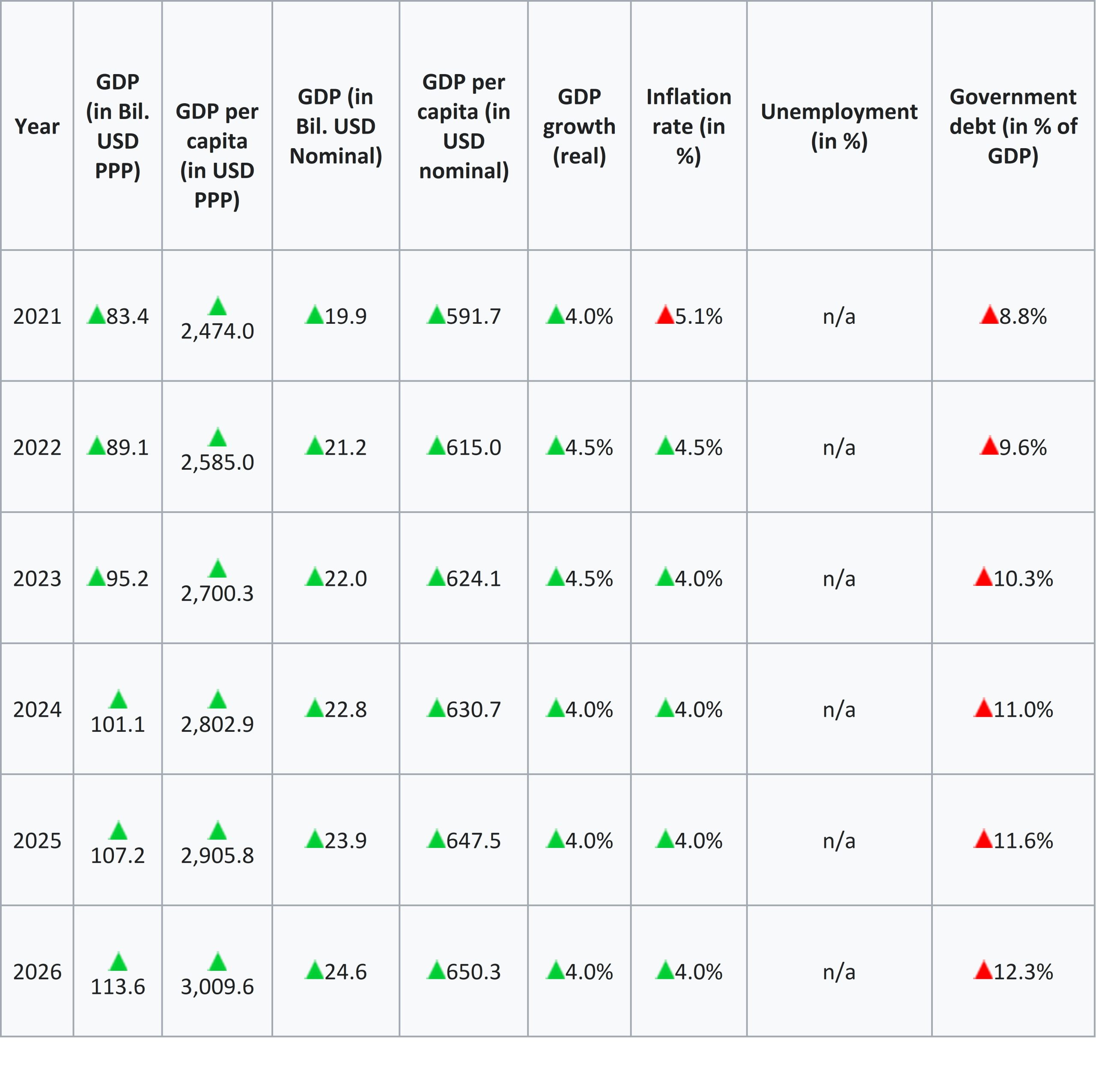
The following table summarizes the key features of the current economic environment in Afghanistan compared to conventional emerging markets.
| Feature | Afghanistan (2026) | Conventional Emerging Market |
|---|---|---|
| Financial System | Heavily informal (Hawala) | Integrated, regulated banking |
| Primary Driver | Subsistence Agriculture | Manufacturing/Services |
| Capital Access | Extremely limited/Sanctioned | Open to FDI and Credit |
| Key Currency | Afghani (highly volatile) | Diversified/Floating/Pegged |
| Investment Risk | Very High (Political/Logistical) | Moderate (Market-based) |
Structural Impediments to Growth
The Afghan economy faces severe structural bottlenecks that prevent a shift toward a modern, industrialized state. The most prominent is the lack of a functional central banking system that can interact with the global Society for Worldwide Interbank Financial Telecommunication (SWIFT). Without this, legitimate international trade—such as the importation of heavy machinery or large-scale food commodities—is prohibitively expensive and logistically complex.
Furthermore, the labor market suffers from a massive "brain drain" and a severe lack of specialized technical training. Following the political shifts of recent years, a significant portion of the country’s educated workforce left, creating a vacuum in managerial, technical, and engineering roles. This hinders the ability to maintain even existing infrastructure, let alone build new systems for energy or transport.
The Role of International Aid and Humanitarian Flows
The economic survival of the populace is currently intertwined with humanitarian aid. While this provides essential support for food security and health, it is not a sustainable economic development strategy. In 2026, the aid-dependency model continues to mask the underlying fragility of the domestic production capacity. The volatility of these flows means that any disruption in global funding cycles has an immediate, localized impact on household consumption and basic service provision.
Challenges in Commerce and Legal Compliance
For organizations or observers analyzing this market, the legal environment presents a high barrier to entry. There is no unified, internationally recognized commercial code that protects intellectual property, enforces contracts in a predictable manner, or manages bankruptcy proceedings. Transactions are handled on a case-by-case basis through local customs and administrative discretion. This lack of "rule of law" in commercial matters means that even if the economy were to open to foreign investment, the risk profile would remain extreme for conventional multinational firms.
Frequently Asked Questions
Is Afghanistan considered a centrally planned or market economy? It is neither in the traditional sense. While the government exercises control over certain aspects like border trade and tax collection, it lacks the administrative capacity of a centrally planned economy. It is also not a free-market economy due to massive state interventions, sanctions, and the reliance on informal, trust-based networks rather than open market competition.
How does the hawala system function in the modern economy? The hawala system operates on a network of brokers who settle accounts between one another through ledger entries and periodic physical transfers. In the absence of a working SWIFT-enabled banking sector, it is the only way to move money across borders for trade or personal remittances, though it lacks transparency and regulatory oversight.
What impact does the lack of a central bank have on everyday trade? The disconnection from international banking means businesses cannot easily secure Letters of Credit (LCs). This forces traders to pay in advance for imports, which creates massive cash-flow issues and makes it difficult to verify the quality and quantity of goods, leading to increased costs for consumers.
Can natural resources solve the economic crisis? While the mineral potential is vast, the "resource curse" remains a major risk. Without a transparent regulatory framework, strong institutions to manage royalties, and the required infrastructure to export bulk goods, these minerals cannot currently act as a catalyst for broad-based economic prosperity.
What is the current status of foreign investment in 2026? Foreign direct investment (FDI) is extremely rare and limited almost exclusively to specific resource-extraction agreements with regional players. There is no broad appetite for investment from Western firms due to sanctions, human rights concerns, and the high risk of asset seizure or regulatory unpredictability.
Moving Forward
Understanding the Afghan economy requires accepting that it is a survival-based system. Any attempt to engage with or analyze it must prioritize the realities of local trade networks over macroeconomic metrics that assume a functional banking system. For those interested in the region, monitoring the "informal-to-formal" transition points—such as the stabilization of customs revenue and the limited re-engagement of regional banking hubs—remains the most effective way to track potential economic evolution.
Image Gallery