How to Get Rid of White Spots After Braces: A Practical Cleanup Plan
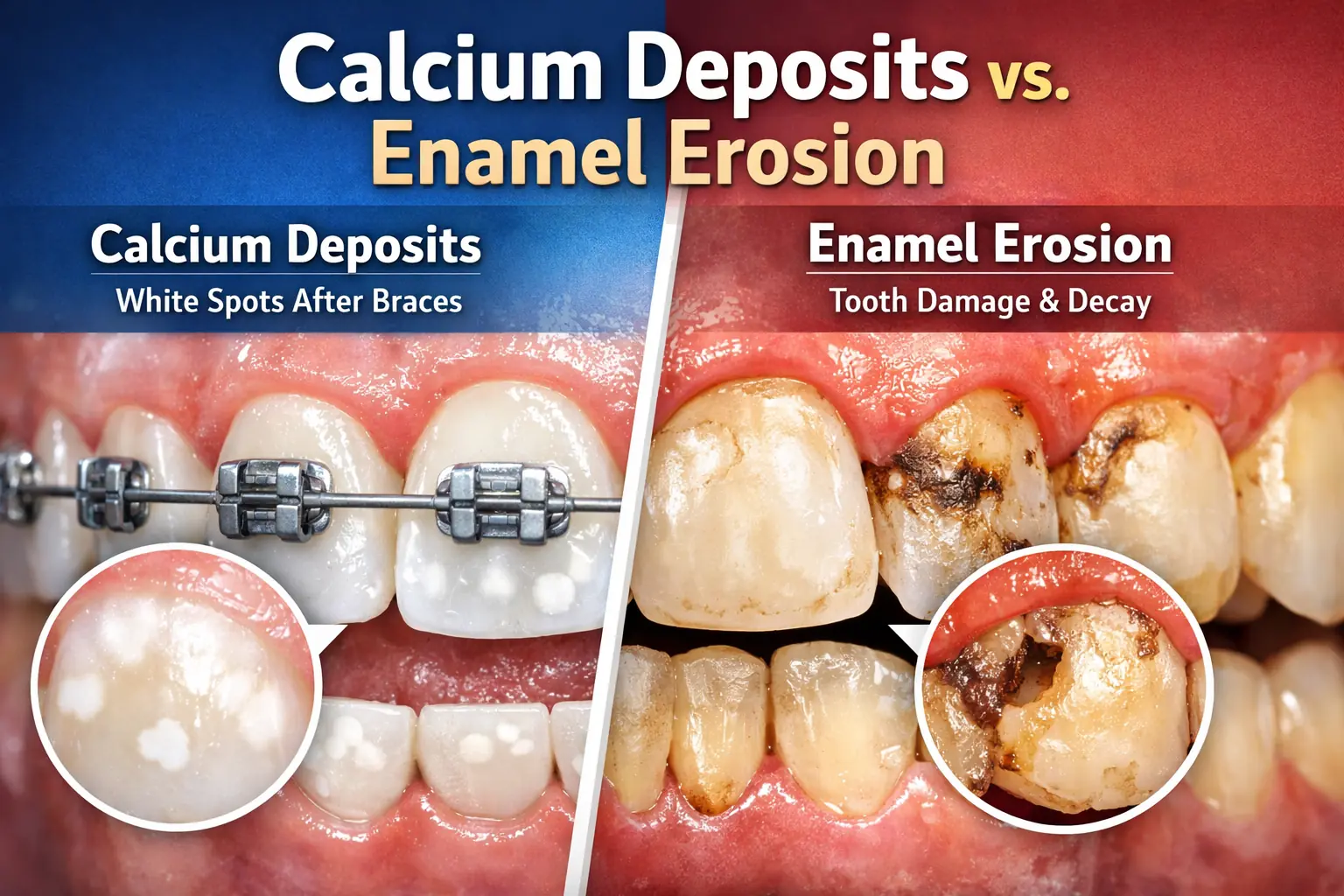
White spots, clinically known as white spot lesions (WSLs), are common after orthodontic treatment. These spots are the earliest sign of tooth decay, appearing when minerals are leached from the enamel surface—a process known as demine...
White spots, clinically known as white spot lesions (WSLs), are common after orthodontic treatment. These spots are the earliest sign of tooth decay, appearing when minerals are leached from the enamel surface—a process known as demineralization—often caused by prolonged plaque buildup around brackets. While these spots represent a permanent change to the enamel structure, they can often be camouflaged, remineralized, or treated through various professional and home-based interventions depending on their severity.
Contents
Understanding White Spot Lesions
To effectively address white spots, it is important to understand that they are not merely surface stains. During the time braces are worn, the area around the brackets can become difficult to clean. If plaque remains on the teeth for extended periods, the bacteria within it produce acids that strip calcium and phosphate from the tooth enamel.
This process creates a porous, opaque surface that scatters light differently than healthy, translucent enamel. Because the mineral density of the enamel has been altered, these spots are often resistant to standard teeth whitening treatments, which can sometimes make them appear more prominent by lightening the surrounding healthy enamel more quickly than the demineralized area.
Phase 1: Assessment and Professional Consultation
Before attempting any treatment, you must consult with a dentist or a dental hygienist. Not all white spots are the same; some are superficial, while others may indicate deeper structural weakness that requires restoration rather than simple aesthetic treatment.
- Clinical Evaluation: A dentist will determine if the spot is active (continuing to demineralize) or arrested (stable). If the spot is active, you must address your oral hygiene routine immediately to stop further decay before attempting any cosmetic correction.
- Diagnostic Imaging: In 2026, many practices utilize digital intraoral scanning to map the mineral density of the enamel, helping to differentiate between surface-level staining and true enamel lesions.
- Determining the Approach: Depending on the depth of the lesion, your provider will recommend either conservative remineralization therapy, minimally invasive infiltration, or restorative dentistry.
Phase 2: Conservative Remineralization Therapy
If the white spots are mild and the enamel surface is still intact, the goal is to promote remineralization. This process helps the enamel recover some of its mineral content, which can reduce the visual intensity of the spots over time.
- High-Fluoride Toothpastes: Prescription-strength fluoride toothpaste or varnish can help strengthen the demineralized area. Fluoride helps pull calcium and phosphate ions back into the enamel structure.
- Casein Phosphopeptide-Amorphous Calcium Phosphate (CPP-ACP): This is a specialized milk-derived protein complex available in various professional dental creams. It acts as a calcium and phosphate reservoir, keeping these minerals in a soluble form that can be readily absorbed by the tooth.
- Consistent Oral Hygiene: Transitioning to an electric toothbrush with a pressure sensor ensures that you are cleaning the gumline and interproximal spaces effectively without causing further enamel abrasion.
Phase 3: Professional Interventions for Stubborn Spots
When home-based remineralization is insufficient, dentists can employ advanced techniques to restore the natural appearance of the teeth.
- Resin Infiltration: This is a minimally invasive procedure designed specifically for white spot lesions. A dentist applies a specialized etching agent to remove the surface layer of the enamel, followed by a low-viscosity resin that infiltrates the porous area of the white spot. Once cured with a blue-light lamp, the resin matches the refractive index of the surrounding healthy enamel, effectively "erasing" the spot.
- Microabrasion: This involves removing a microscopic layer of the discolored enamel using a combination of mild acid and an abrasive compound. It is effective for very superficial lesions but must be performed by a professional to ensure the enamel is not thinned excessively.
- Composite Bonding or Veneers: For deep or highly visible spots that do not respond to infiltration, resin composite bonding or porcelain veneers may be recommended. Bonding involves placing a tooth-colored resin over the spot, while veneers cover the entire front surface of the tooth.
Comparison of Treatment Approaches
| Treatment Method | Mechanism | Typical Suitability |
|---|---|---|
| Fluoride Therapy | Mineral reinforcement | Early, active, shallow lesions |
| CPP-ACP Creams | Mineral delivery | Mild to moderate lesions |
| Resin Infiltration | Refractive index matching | Moderate, non-cavitated lesions |
| Microabrasion | Superficial enamel removal | Very shallow, surface-level spots |
| Bonding/Veneers | Physical coverage | Severe, deep, or aesthetic defects |
Managing Expectations and Maintenance
It is vital to recognize that the treatment of white spots is often an aesthetic journey. Even with successful treatment, the texture of the affected enamel may never perfectly match the surrounding teeth.
Lifestyle Considerations:
- Dietary Adjustments: Reduce consumption of acidic beverages like soda, sports drinks, and fruit juices, which accelerate enamel erosion.
- Hydration: Water is the best beverage for neutralizing oral pH after meals.
- Routine Follow-ups: Once you begin a regimen, schedule follow-ups every six months. Your dentist needs to monitor the progress of remineralization or the stability of resin infiltrations.
Frequently Asked Questions
Will professional whitening remove white spots? No, professional whitening generally does not remove white spots. In fact, it often highlights them. Whitening agents work by changing the color of the tooth's internal dentin, but because the white spot has a different mineral density, it does not bleach at the same rate as the surrounding healthy enamel.
Can I get rid of white spots at home using charcoal or baking soda? You should avoid using abrasive DIY methods like activated charcoal or excessive baking soda. These substances can wear down healthy enamel even further, making the teeth more sensitive and potentially increasing the risk of cavities in the very areas you are trying to heal. Stick to dentist-recommended fluoride and calcium-based products.
How long does it take for white spots to fade with remineralization? Remineralization is a slow, biological process. Depending on the severity, you may need to commit to a specific hygiene routine for six to twelve months before seeing a noticeable improvement in the opacity of the spots. Consistency is the primary driver of success.
Is resin infiltration permanent? Resin infiltration is considered a long-term solution. However, like any dental restoration, it can wear down or stain over time depending on your diet and oral hygiene habits. Most patients find that the results last for several years, provided they maintain good brushing habits.
Can children use these treatments? Many remineralization treatments, such as fluoride pastes, are safe for children. However, more invasive procedures like resin infiltration or microabrasion are usually reserved for patients whose permanent teeth have fully matured. Always consult a pediatric orthodontist or family dentist for age-specific advice.
Final Recommendation
The most effective way to manage white spots after braces is to begin with the least invasive method: a combination of professional-grade fluoride and remineralizing creams paired with a strict hygiene regimen. If these do not yield the desired aesthetic results within a year, discuss resin infiltration with your dentist. Because every patient's enamel structure is unique, a custom plan established during a clinical examination is always superior to generalized home interventions. Focus on stabilizing your oral health first, and the aesthetic improvements will follow.
Image Gallery