How to Choose the Right Business Structure for Small Teams
Selecting the correct business structure for a small team is a foundational decision that dictates your legal liability, tax obligations, operational complexity, and ability to attract investment. By weighing the balance between person...
Selecting the correct business structure for a small team is a foundational decision that dictates your legal liability, tax obligations, operational complexity, and ability to attract investment. By weighing the balance between personal asset protection and administrative maintenance, you can establish a framework that supports your current goals while remaining scalable for future growth.
Contents
Understanding the Landscape of Business Entities
When launching a venture with a small team, the structural choice is rarely one-size-fits-all. Your selection functions as the "operating system" for your business, determining how profits are distributed, how owners are taxed, and the extent to which personal assets—such as your home or savings—are insulated from company debts or lawsuits.
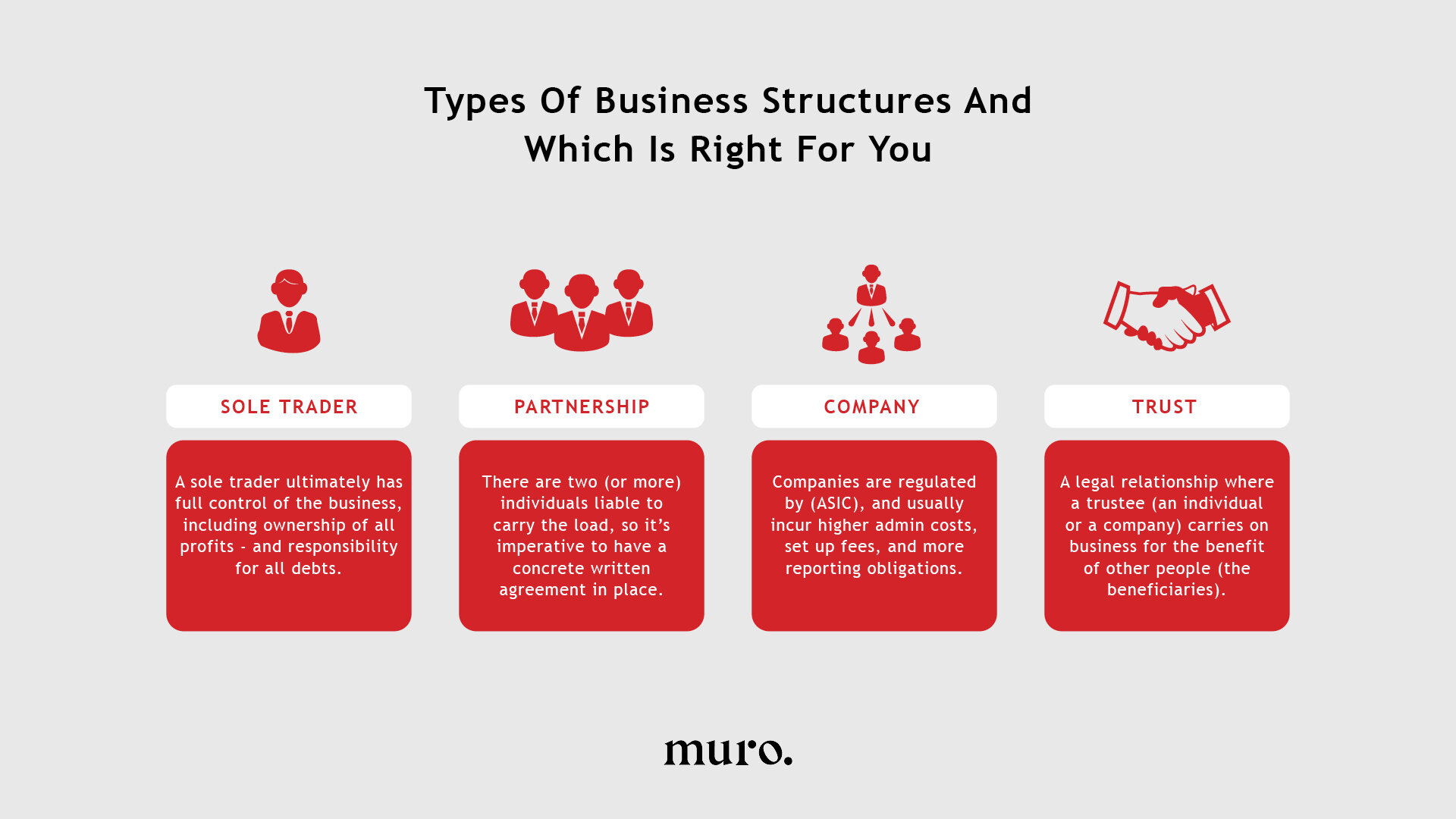
For small teams, the decision usually involves comparing entities that offer pass-through taxation (where the business income is reported on the owners' personal tax returns) versus those that mandate corporate-level taxation. While individual state laws vary, the legal frameworks generally center on the following core entities: the Sole Proprietorship, the General Partnership, the Limited Liability Company (LLC), and the Corporation (C-Corp or S-Corp).
Comparing Core Business Structures
The following table outlines the fundamental differences between these structures, specifically tailored for small, collaborative teams.
| Structure | Liability Protection | Tax Treatment | Complexity | Best For |
|---|---|---|---|---|
| General Partnership | None (Unlimited) | Pass-through | Low | Informal, short-term projects |
| LLC | Limited | Pass-through (default) | Moderate | Most small teams and startups |
| S-Corp | Limited | Pass-through | High | Established teams wanting tax efficiency |
| C-Corp | Limited | Double Taxation | High | Seeking venture capital/investment |
Why Limited Liability is Non-Negotiable for Teams
In a team setting, you are no longer operating in isolation. A General Partnership or a Joint Venture—where no formal business entity is filed—exposes every individual team member to "joint and several liability." This means that if a business partner enters into a bad contract or is sued for a professional error, your personal assets could be legally seized to satisfy the debt.
An LLC or Corporation creates a "corporate veil," a legal separation between the individual and the business. For a team, this is the most critical safeguard. It ensures that the actions of one partner do not automatically bankrupt the other members. Before committing to a structure, verify your state’s specific filing requirements, as some jurisdictions impose high annual franchise taxes on LLCs that may influence your decision early in the startup phase.
The LLC: The Flexible Standard
The Limited Liability Company (LLC) has become the gold standard for small teams because of its inherent flexibility. Unlike a corporation, which requires rigid structures such as a board of directors, annual meetings, and formal record-keeping, an LLC allows the team to draft an "Operating Agreement." This document functions as the team’s constitution, defining how decisions are made, how equity is split, and what happens if a team member leaves the company.
From a tax perspective, an LLC is a "disregarded entity" by default. This means the team avoids the "double taxation" associated with a C-Corp—where the business pays corporate income tax, and then owners pay personal income tax on the dividends they receive. Instead, the profits flow directly to the team members.
Evaluating the S-Corp Election for Tax Efficiency
While an LLC provides excellent legal protection, it can sometimes be inefficient regarding self-employment taxes. Once a team’s revenue crosses a certain threshold, the members may decide to elect "S-Corp" status with the IRS.
An S-Corp allows you to split your income into a "reasonable salary" (subject to payroll taxes) and "distributions" (not subject to self-employment taxes). This is often the primary goal for profitable small teams in 2026. However, this structure brings stricter reporting requirements. You must process payroll, comply with federal and state withholding regulations, and maintain more rigorous accounting standards. Do not opt for an S-Corp election until your business generates enough consistent profit to justify the additional bookkeeping and payroll service costs.
The C-Corp: When Scalability and Investment are Priorities
If your small team plans to seek institutional funding—such as venture capital—the C-Corp is often a prerequisite. Investors typically prefer C-Corps because the structure is internationally recognized, allows for the easy issuance of stock options to employees, and provides a clear path to an acquisition or public offering.
Choosing a C-Corp is a long-term strategic play. The administrative burden is significantly higher, requiring adherence to corporate formalities such as holding board meetings and maintaining detailed minutes. For most bootstrapping teams, this level of bureaucracy is an unnecessary distraction. Only select this route if you have a concrete, imminent plan to solicit outside investment.
Critical Considerations Before Filing
Before finalizing your structure, address these three variables that often trip up new teams:
- Equity Vesting: Regardless of your entity, never give away equity without a vesting schedule. If a partner leaves the team early, a vesting agreement ensures the company can buy back unvested shares, protecting the remaining team members.
- State of Formation: While you may operate in your home state, you must ensure you are compliant with that state’s "Foreign Qualification" rules if you incorporate elsewhere. For most small teams, filing in your home state is the most cost-effective and legally sound approach.
- Professional Advice: This guide provides a strategic framework, but business law is subject to specific state statutes and individual tax circumstances. Always consult with a tax professional or business attorney to review your final Operating Agreement or Articles of Incorporation.
Frequently Asked Questions
Can we change our business structure later? Yes. Many businesses start as an LLC and transition to an S-Corp or C-Corp as they grow, hire employees, or seek outside investment. This process is known as a tax election or a legal conversion, and while possible, it is more efficient to start with the structure that meets your mid-term goals.
Do we need a lawyer to form an LLC? You do not strictly need a lawyer to file the initial paperwork, but you do need legal assistance to draft a robust Operating Agreement. Using generic, free templates often leads to conflict when disagreements arise between team members later.
How does business structure affect personal credit? Establishing a formal entity (LLC or Corp) allows you to build "business credit" distinct from your personal credit. This is vital for obtaining business loans or credit lines later. Ensure you obtain an EIN (Employer Identification Number) from the IRS to open business bank accounts.
What is the most expensive part of maintaining these structures? The ongoing costs include state-mandated annual reports or franchise taxes. Some states, such as California, impose a minimum annual tax on LLCs, while others have minimal or zero-sum annual fees. Research your state’s Secretary of State website to verify these recurring costs.
Can a team of two operate as a Sole Proprietorship? No. A Sole Proprietorship is by definition owned by one person. If two or more people are working together for profit, the law defaults to a General Partnership if no other entity is formed. This is the riskiest possible arrangement for a team.
Next Steps for Your Team
To move forward, follow this sequence: First, have an honest conversation with your team about your long-term commitment and funding needs. Second, gather your team members to draft an initial memorandum of understanding regarding roles and ownership. Third, visit your state’s Secretary of State website to confirm the current filing fees and naming requirements for your preferred entity. Finally, once registered, immediately open a dedicated business bank account to keep your personal and business finances strictly separated, which is the cornerstone of maintaining your liability protection.
Image Gallery