Freddie on a Different World: Context, Narrative, and Cultural Significance
The phrase "Freddie on a different world in context" typically refers to the character Freddie Brooks from the iconic 1980s and 1990s television sitcom A Different World. In the context of the series, Freddie—played by Cree Summer—repr...
The phrase "Freddie on a different world in context" typically refers to the character Freddie Brooks from the iconic 1980s and 1990s television sitcom A Different World. In the context of the series, Freddie—played by Cree Summer—represents the "free spirit" archetype, serving as a critical lens through which the show explored counter-culture, political activism, and personal identity within the framework of a Historically Black College and University (HBCU) setting.
Contents
The Character Profile: Who is Freddie Brooks?
Frederick "Freddie" Brooks is a central character in A Different World, the spin-off of The Cosby Show that aired on NBC from 1987 to 1993. Introduced in the second season, Freddie quickly became a fan favorite for her eccentric style, bohemian philosophy, and unwavering commitment to social justice.
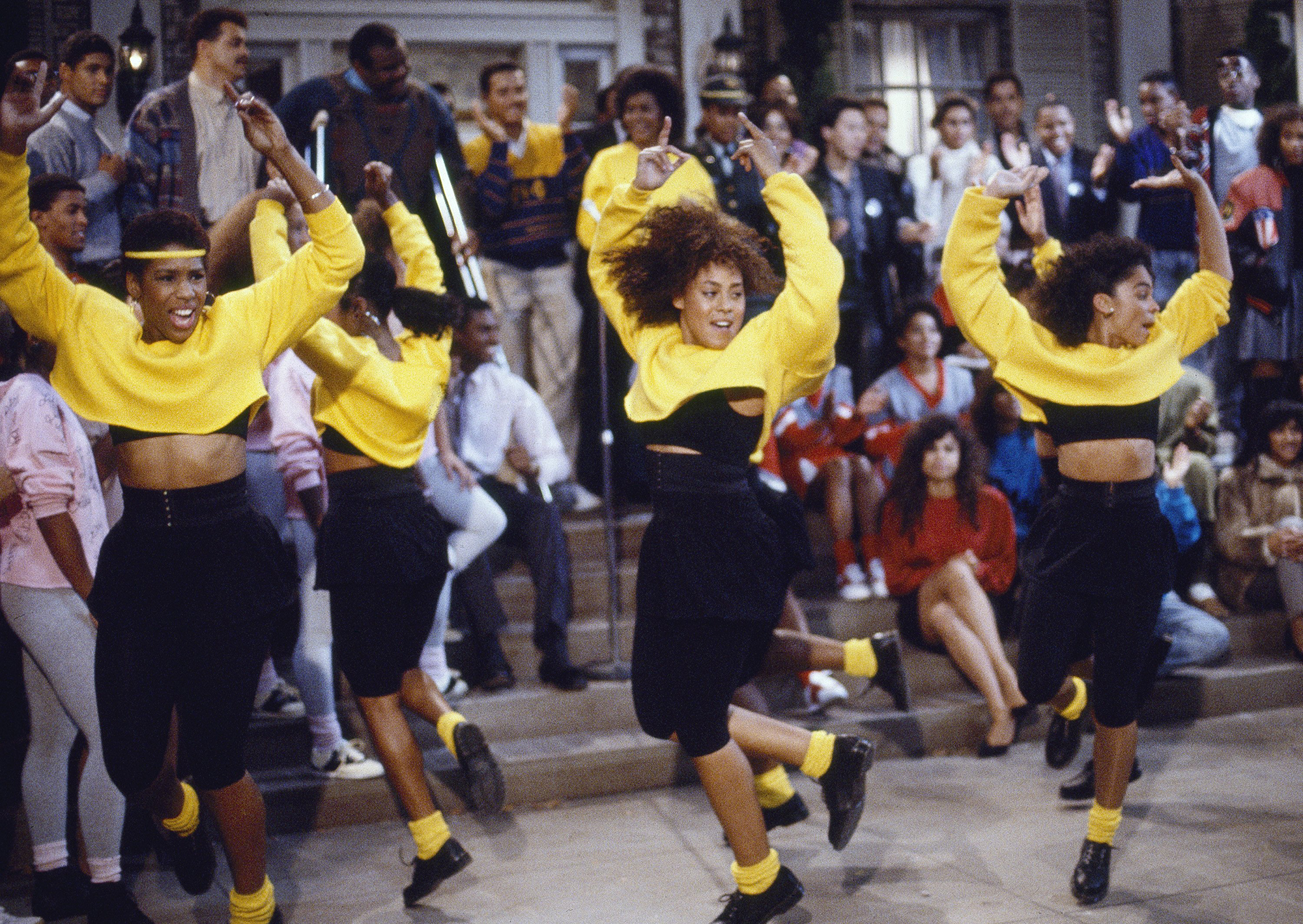
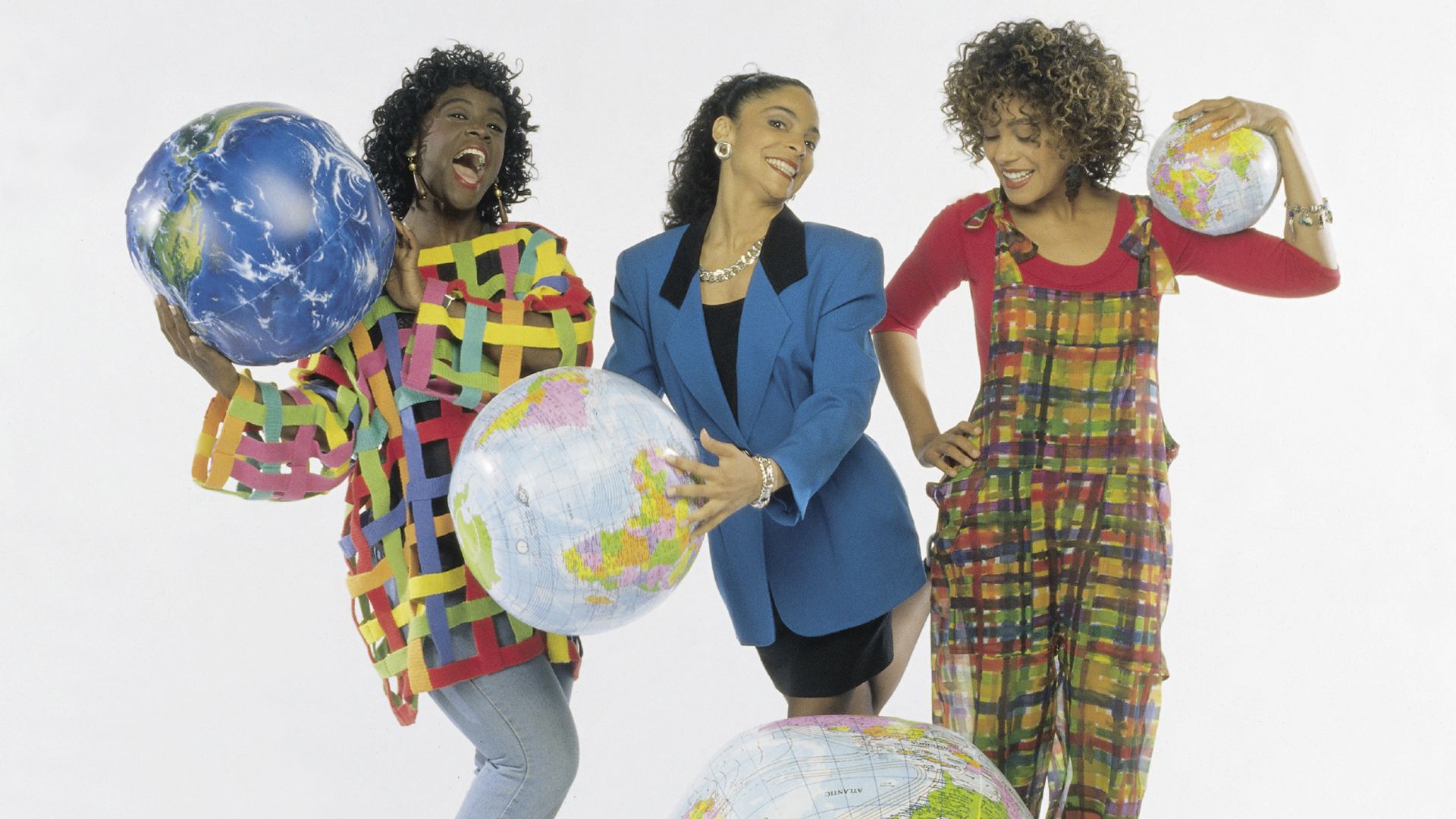
Unlike the more traditional students at the fictional Hillman College, Freddie was often depicted as a "hippie" of the late 1980s. Her aesthetic—characterized by layered clothing, unconventional accessories, and a distinct, natural hairstyle—challenged the prevailing social norms of the era. However, her significance in context goes far beyond her fashion choices. She acted as the ideological conscience of the group, frequently pushing her peers to engage with broader societal issues, including environmentalism, anti-apartheid movements, and gender equality.
The Contextual Importance of Hillman College
To understand Freddie, one must understand the environment of Hillman College. The show’s premise revolved around the experience of Black students navigating higher education in a post-civil rights era. As the series progressed under the creative direction of Debbie Allen, it shifted from a lighter sitcom format to a platform addressing serious, often taboo, subject matter.
Freddie’s character arc is inextricably linked to this maturation of the series. By positioning a character with Freddie’s progressive, slightly detached perspective within a traditional academic institution, the writers were able to facilitate complex dialogues. When the show tackled the HIV/AIDS epidemic, the Rodney King verdict, or the complexities of colorism, Freddie was often the character who articulated the emotional or political stakes of these events. Her presence in the "different world" of Hillman allowed the writers to bridge the gap between institutional learning and street-level activism.
Comparative Analysis: Freddie vs. Her Peers
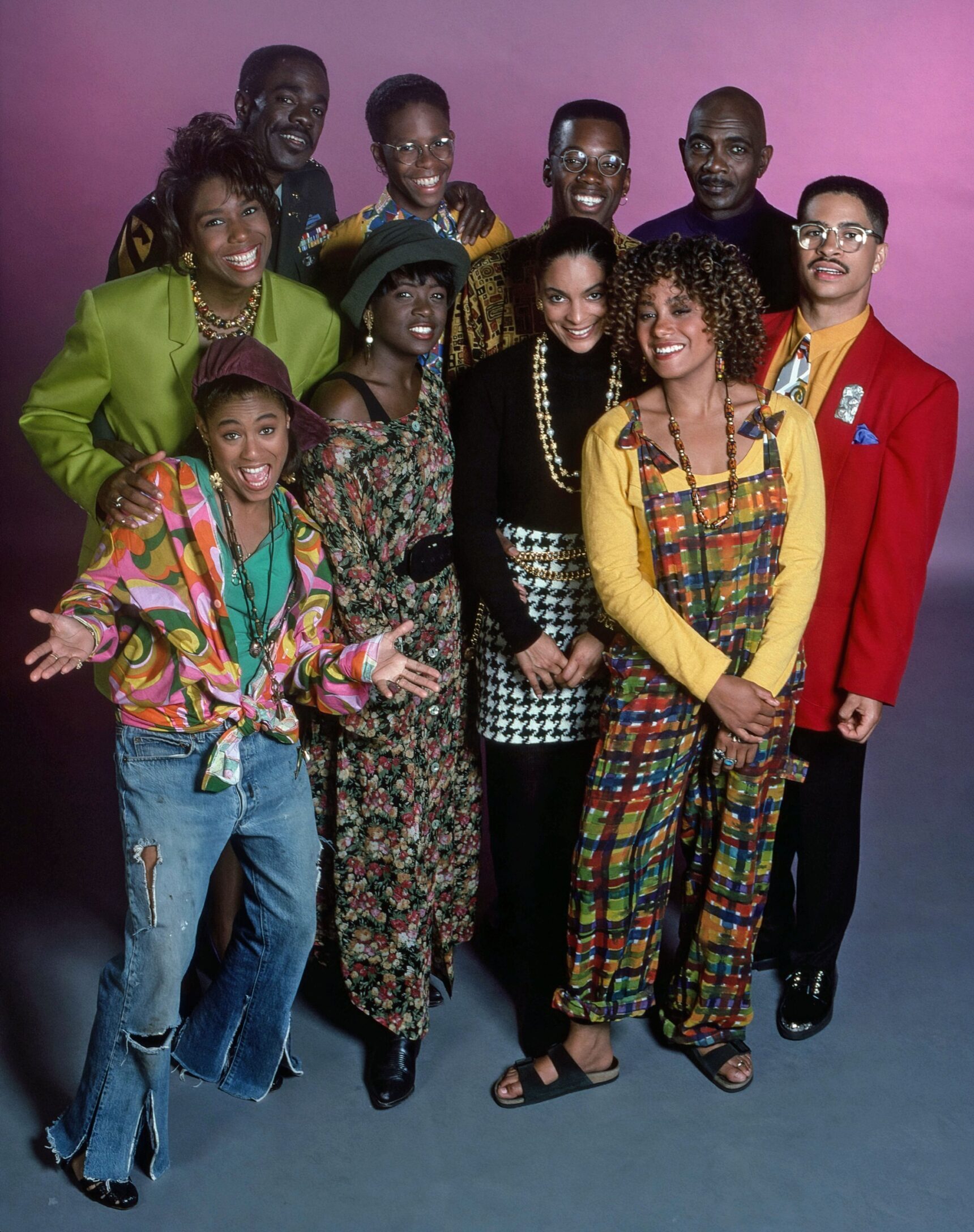
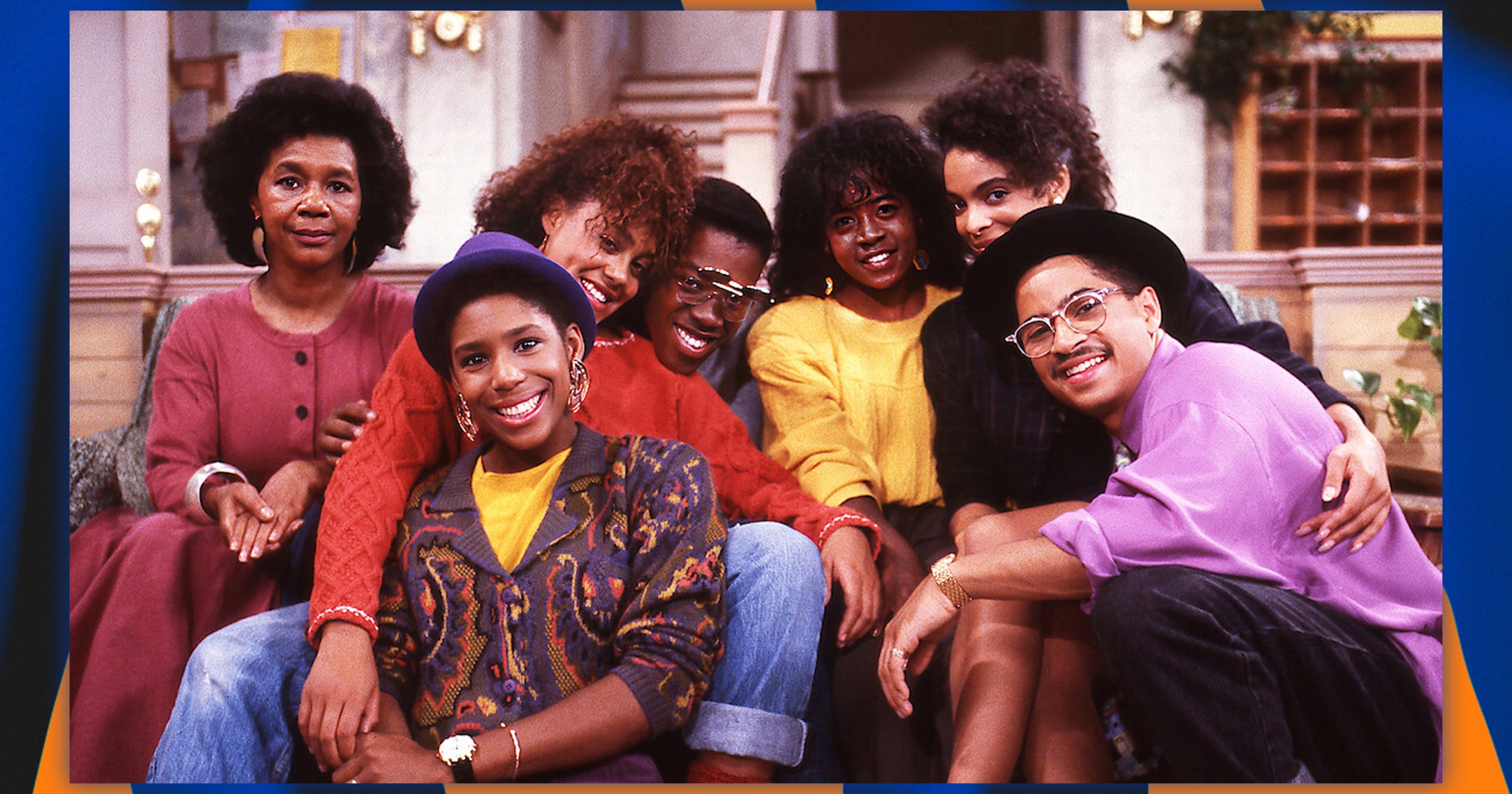
The narrative structure of A Different World relied on distinct character archetypes to create friction and growth. Freddie’s role was to act as a foil to characters like Whitley Gilbert, the affluent and fashion-conscious student from the South.
| Character | Archetype | Role in Context |
|---|---|---|
| Freddie Brooks | The Activist/Bohemian | Represents idealism and global awareness. |
| Whitley Gilbert | The Debutante | Represents upward mobility and class status. |
| Dwayne Wayne | The Intellectual/Geek | Represents technical ambition and romantic growth. |
| Kim Reese | The Pragmatist | Represents the challenges of balancing career and family. |
This dynamic created the "contextual" friction necessary for character development. Freddie’s idealism often clashed with Whitley’s pragmatism, providing the audience with a multifaceted look at the diversity of the Black experience. By analyzing Freddie in context with these characters, viewers see a microcosm of social integration where different ideologies are forced to coexist in a collegiate environment.
The Cultural Impact of Cree Summer’s Performance
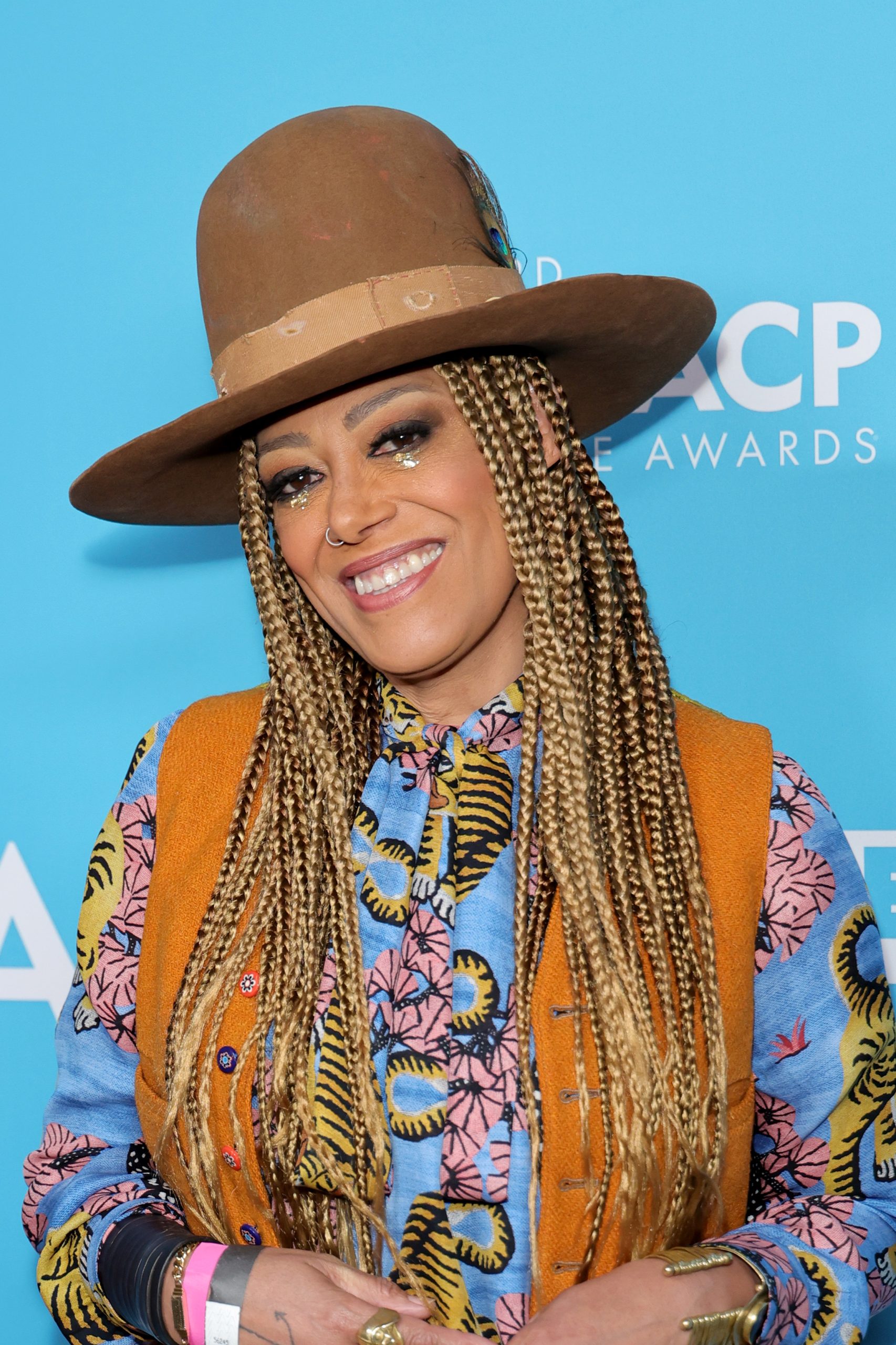
The portrayal of Freddie Brooks by Cree Summer was instrumental in the character’s longevity. Summer brought a sense of authenticity to the role that prevented Freddie from becoming a one-dimensional stereotype. In the context of 2026, looking back at the show, critics and sociologists often cite Freddie as a pioneering depiction of a young Black woman who did not feel the need to assimilate into conventional societal roles.
The character effectively "normalized" the intersection of Blackness and counter-culture. Before the character’s introduction, television rarely showcased young Black characters who prioritized environmental advocacy or world peace over traditional career success or dating hierarchies. Freddie Brooks expanded the boundaries of what Black femininity could look like on screen, making her a vital part of the show's legacy.
Challenges and Limitations in Character Development
While Freddie remains a beloved figure, her character did face criticism regarding the consistency of her development. Because she was often used as a vehicle for the show’s "message of the week," there were episodes where her personal growth felt subservient to the social issue being addressed.
For instance, her relationship with Dwayne Wayne was often treated as a secondary plot point to the heavier political themes of the show. In the context of modern television writing, which favors deep, serialized character arcs, some viewers might find the episodic nature of Freddie’s journey somewhat limiting. However, within the 1987–1993 television landscape, her ability to remain the same quirky, passionate, and principled individual across dozens of storylines was a testament to the character’s stability.
Why "Context" Matters in Retrospective Viewing
In 2026, audiences rediscovering A Different World often look for "context" to make sense of the show's relevance today. Freddie Brooks is the primary reason the show holds up for younger generations. Her concerns—climate change, systemic corruption, and the search for authentic self—are arguably more relevant today than they were when the show premiered.
When analyzing Freddie "in context," it is important to recognize that the show was not merely a sitcom; it was an educational tool. The production team worked closely with historical records and campus organizations to ensure that the issues discussed were grounded in reality. Freddie served as the vessel for these lessons, making dense political discussions palatable for a mainstream audience.
Frequently Asked Questions (FAQ)
1. Why is Freddie considered the "hippie" of A Different World?
Freddie is labeled a hippie because of her non-conformist attire, her advocacy for environmental conservation, and her generally relaxed, pacifist demeanor. She rejects the materialist values that other characters—most notably Whitley Gilbert—initially prize, preferring to focus on spiritual growth and global social issues.
2. How did Freddie contribute to the show's political themes?
Freddie acted as the character who introduced or championed most of the political narratives. Whether it was organizing protests, educating her friends on South African apartheid, or discussing women’s rights, she was the primary catalyst for the show’s shift toward hard-hitting social commentary.
3. Was Freddie’s character evolution consistent throughout the series?
While Freddie matured as she moved from a freshman to a senior, she remained true to her core values. The writers maintained her quirkiness, but she became more adept at balancing her idealism with the practical realities of entering the professional world after college.
4. What is the significance of the "different world" title in relation to Freddie?
The title refers to the specific experience of attending an HBCU, which provides a safe, affirming, and unique cultural space for Black students. For Freddie, this "different world" was the perfect incubator to explore her identity without the pressures of a broader society that often marginalized her interests and perspective.
5. Where can one find the best context for understanding Freddie’s evolution?
The most reliable source for understanding the development of the character is the later seasons of the show (seasons 4 through 6), where the writing team had more creative freedom to move away from lighthearted comedy and into substantive social and personal storytelling.
Final Recommendation for Viewers
To truly understand Freddie Brooks, do not view the series as a continuous linear progression. Instead, focus on the episodes that emphasize ensemble interactions, specifically those where Freddie and Whitley share screen time. This contrast provides the most clarity on her role as a counter-cultural figure. For those researching the era, prioritize the show’s later seasons, which contain the most significant and nuanced explorations of the characters' beliefs and social impact.
Image Gallery