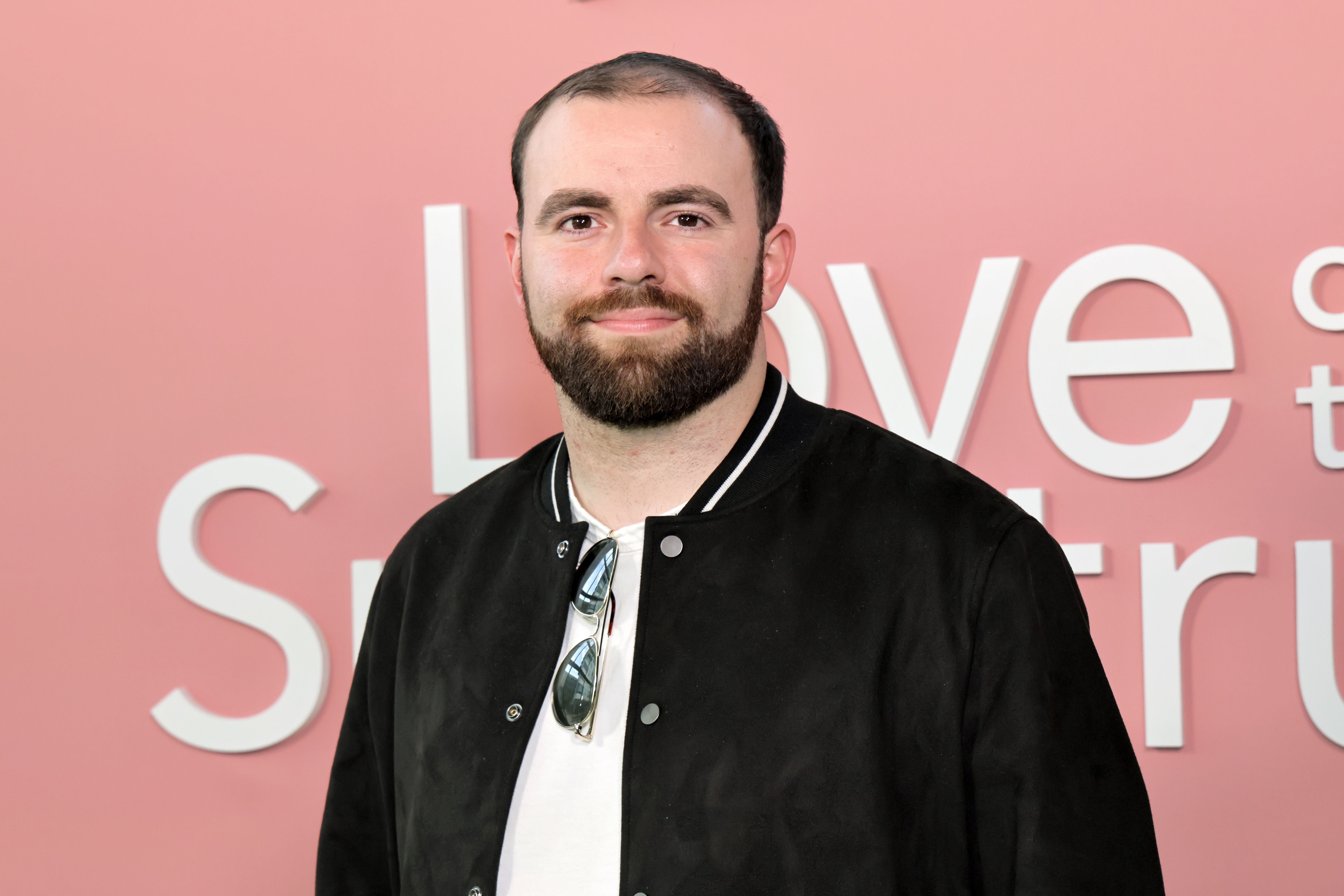
Understanding Solomon from Love on the Spectrum: An Insight into Autism Representation
Solomon is a featured participant in the Netflix reality series Love on the Spectrum U.S., where he openly shares his journey navigating dating and social connection as an autistic individual. The show provides a window into the varied...
Solomon is a featured participant in the Netflix reality series Love on the Spectrum U.S., where he openly shares his journey navigating dating and social connection as an autistic individual. The show provides a window into the varied experiences of people on the autism spectrum, highlighting how Solomon manages specific social challenges while seeking companionship and meaningful relationships.
Contents
The Premise of Love on the Spectrum and Authentic Representation
Love on the Spectrum has garnered significant attention for its approach to documenting the romantic lives of individuals on the autism spectrum. Unlike traditional reality dating shows that often rely on manufactured drama, this series focuses on the genuine experiences, obstacles, and milestones of its cast. Solomon’s appearance on the show is part of this broader commitment to showcasing neurodivergent voices in media.
Autism, or Autism Spectrum Disorder (ASD), is a developmental condition characterized by differences in social communication and interaction, as well as the presence of restricted or repetitive patterns of behavior, interests, or activities. Because the "spectrum" is wide, no two individuals experience autism in the same way. When Solomon discusses his experiences, he is speaking to his own unique life, which provides viewers with a singular, yet relatable, perspective on the reality of navigating adulthood and romance with a neurodivergent brain.
Solomon’s Journey in the Series
Solomon’s participation in the series revolves around his desire for romantic connection and the practical steps he takes to pursue it. Throughout the episodes he features in, viewers observe him navigating standard dating milestones—such as preparing for a first date, understanding social cues, and managing the anxiety that can accompany meeting someone new.
For many autistic adults, the dating world presents a specific set of challenges. Social interactions often involve unspoken rules, nuances, and rapid-fire conversational shifts that can be overwhelming. Solomon’s journey reflects the common experience of learning to balance one's own authentic communication style with the expectations of a partner. By documenting these moments, the show offers a practical look at how autistic individuals approach relationship building, emphasizing that the desire for love and companionship is universal, even when the navigation of social landscapes differs.
The Role of Reality TV in Shaping Public Perception
The inclusion of individuals like Solomon in mainstream media plays a pivotal role in shifting public perception of autism. Historically, portrayals of autism in film and television often leaned toward stereotypes or focused on high-support-needs individuals without providing a platform for those individuals to express their own internal realities.
By allowing participants to narrate their own lives, Love on the Spectrum avoids the "inspiration porn" trope—the practice of presenting disabled people as objects of inspiration for non-disabled audiences. Instead, Solomon and his peers are presented as fully realized human beings with their own preferences, humor, ambitions, and frustrations. This shift is essential for increasing neurodiversity awareness, as it moves the conversation away from viewing autism as a "deficit" to be cured and toward an understanding of it as a form of human diversity.
Navigating Social Nuance and Communication
A recurring theme for Solomon, and many others on the spectrum, is the intentional effort required to process social environments. Communication is often multifaceted, involving body language, tone, and figurative speech. When these elements are not inherently intuitive, individuals may employ conscious strategies to interpret them.
In the context of dating, these strategies might include:
- Direct Communication: Expressing needs and feelings clearly to avoid the ambiguity of "hinting."
- Scripting: Mentally preparing for conversation topics to reduce anxiety during social exchanges.
- Managing Sensory Input: Choosing dates or environments that are comfortable and minimize sensory overload.
Solomon’s interactions demonstrate that there is no "right way" to date. His approach serves as a reminder to the audience that success in romance is not about performing neurotypical behaviors, but about finding a partner who respects and understands one's individual needs.
Comparison of Neurodivergent Representation in Media
To understand the significance of Solomon's presence on screen, it is helpful to contrast contemporary reality-based representation with historical depictions in scripted drama.
| Feature | Scripted/Fictional Portrayals | Reality-Based (Love on the Spectrum) |
|---|---|---|
| Agency | Characters are written by non-autistic writers | Participants share their own experiences |
| Focus | Often centers on "fixing" or "curing" autism | Centers on finding happiness and connection |
| Internal Experience | External observations of "quirks" | Nuanced view of internal motivations/anxieties |
| Diversity of Experience | Often monolithic or stereotypical | Highlights a variety of personalities and traits |
The transition toward reality-based storytelling allows for a much broader range of the spectrum to be seen. Where scripted shows might simplify a character to make them palatable for a general audience, the reality format captures the messy, imperfect, and beautiful nature of human interaction.
Common Questions Regarding Autism and Dating
Is everyone on Love on the Spectrum autistic?
Yes, the core premise of the series is to focus specifically on the dating experiences of individuals on the autism spectrum. While each person’s diagnostic criteria and support needs vary, all participants identify as being on the spectrum.
Does the show accurately portray autism?
"Accuracy" is subjective because autism is a spectrum. While the show has been praised for providing a platform for autistic voices, it is not an exhaustive guide to all autistic experiences. It represents a subset of the community and should be viewed as one set of stories rather than a medical or universal definition.
How do participants manage social anxiety during filming?
The production team behind the show, including expert consultants, works to create a supportive environment. This often involves providing participants with breaks, clear expectations regarding the filming schedule, and accommodations that make the experience more manageable.
Are the dates staged?
The dates are genuine social encounters arranged with the participants' input. While the production team facilitates the introductions, the conversations and the outcomes—whether the date goes well or poorly—are authentic interactions between the participants.
What is the primary takeaway for viewers?
The primary takeaway is the normalization of neurodivergence in romantic settings. The show illustrates that autistic individuals have the same fundamental desire for connection and intimacy as everyone else and that they possess the capability to build meaningful, lasting relationships.
Next Steps for Learning More
If you are interested in better understanding the experiences of autistic adults, consider exploring resources provided by neurodiversity-affirming organizations. Organizations such as the Autistic Self Advocacy Network (ASAN) provide insights into the perspectives of the autistic community on issues ranging from healthcare and employment to social relationships. Viewing Solomon’s journey is just one entry point into a much wider conversation about the necessity of inclusivity and the importance of respecting diverse ways of interacting with the world.
Image Gallery