The Sid and Marty Krofft Net Worth Explained: A Television Legacy
Sid and Marty Krofft, the pioneering brothers behind some of television's most surreal and enduring children’s programming, have amassed a legacy that blends creative genius with complex business management. As of 2026, their estimated...
Sid and Marty Krofft, the pioneering brothers behind some of television's most surreal and enduring children’s programming, have amassed a legacy that blends creative genius with complex business management. As of 2026, their estimated collective net worth reflects decades of intellectual property rights, international syndication, and strategic production ventures that redefined the Saturday morning landscape during the 1970s and 1980s.
Contents
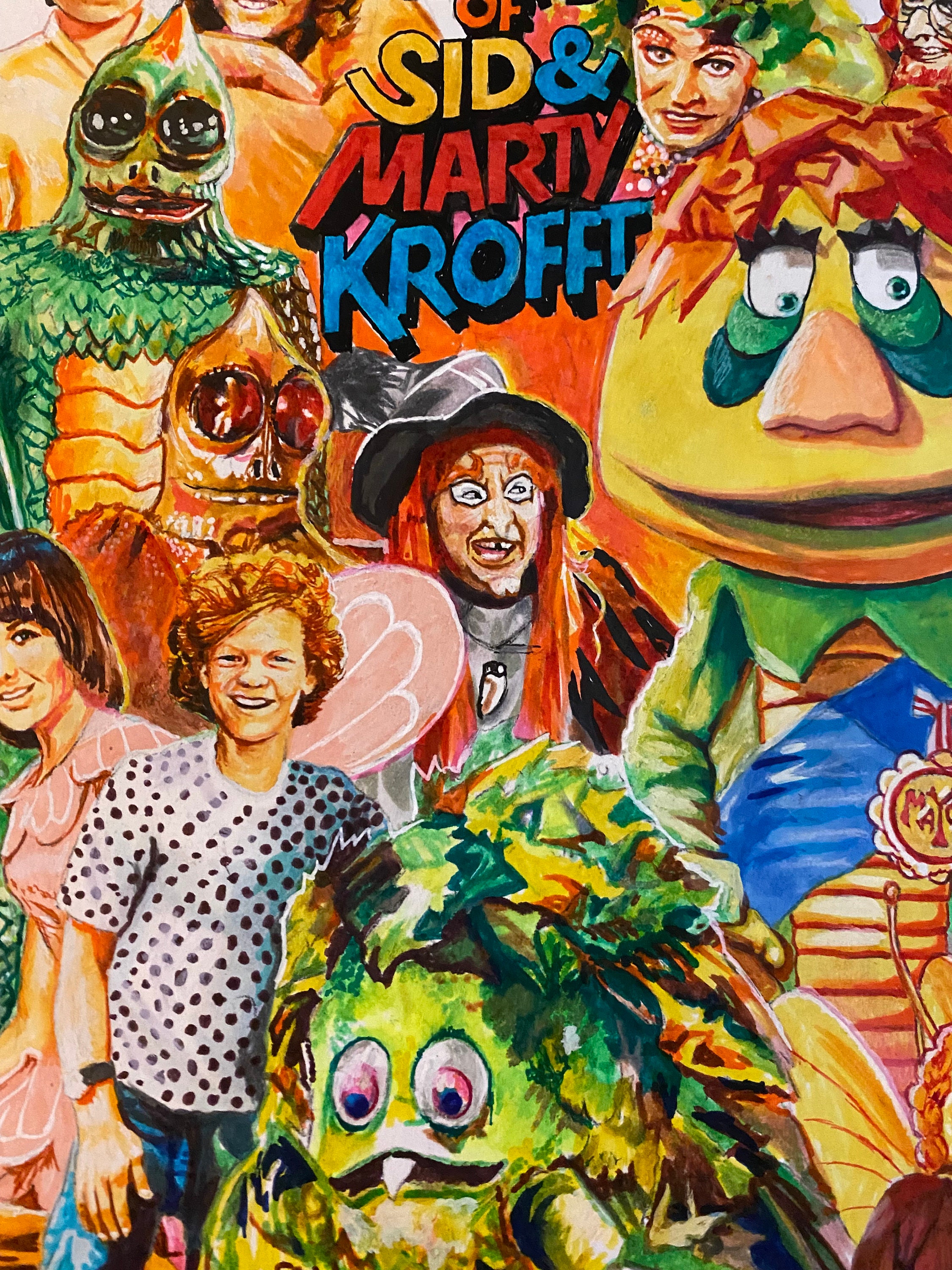
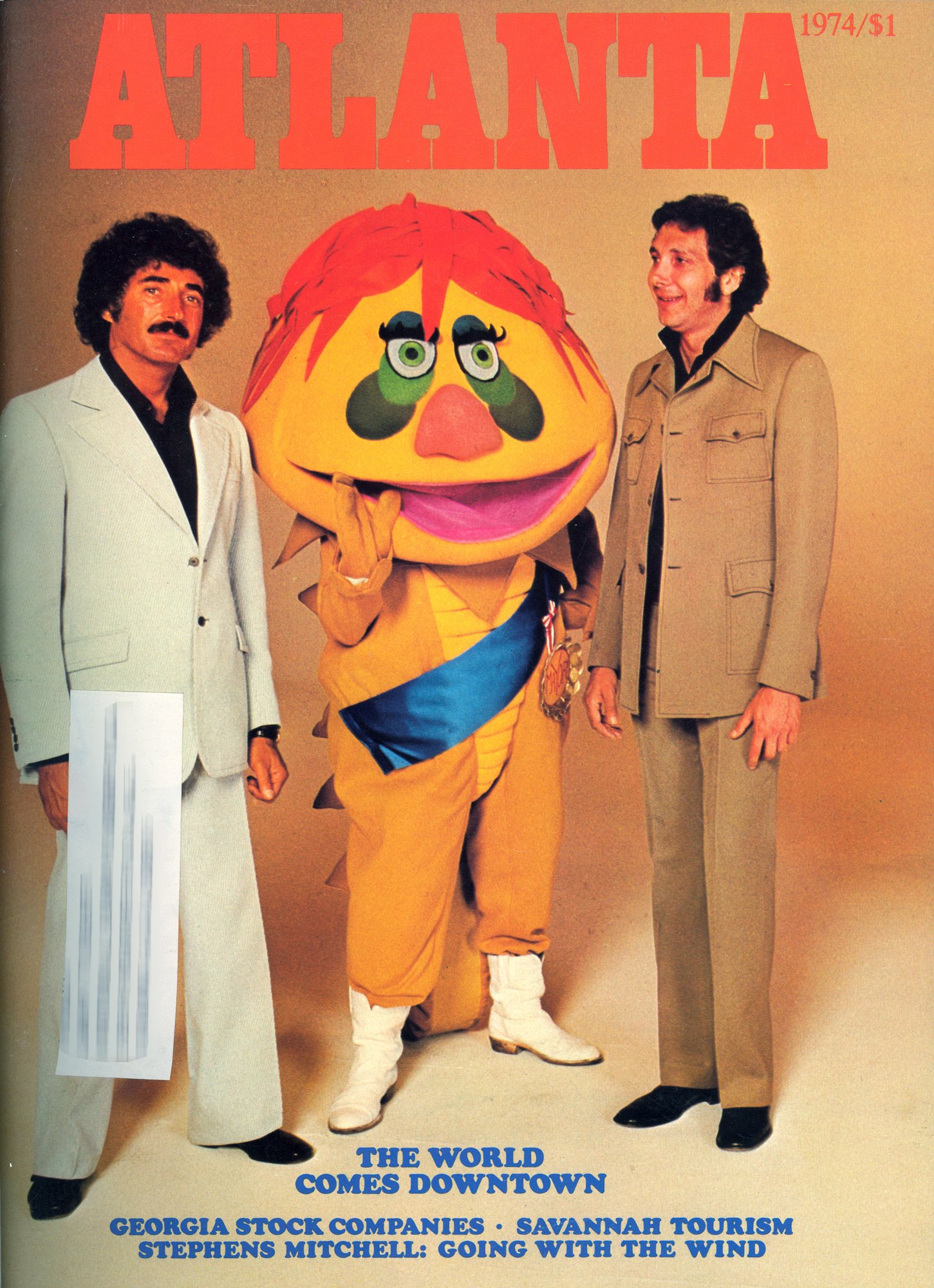
Sid and Marty Krofft are best understood not merely as performers or creators, but as a production powerhouse whose catalog of puppet-based and live-action fantasy shows remains a significant asset in the entertainment industry. Their wealth is largely derived from the enduring value of their independent studio’s library, which includes cult classics like H.R. Pufnstuf, Land of the Lost, and Sigmund and the Sea Monsters. While specific private financial figures are rarely disclosed by the brothers, their economic standing is grounded in the strategic retention of their master tapes and licensing rights, which have seen a resurgence in value through streaming platforms and high-definition remastering efforts.
The Foundation of the Krofft Financial Empire
The financial trajectory of Sid and Marty Krofft began long before their foray into television. Born into a family of puppeteers, the brothers honed their craft in the circus and vaudeville circuits across Europe and North America. This background in live performance gave them a distinct advantage: they were not just writers; they were craftsmen who understood production design, costume engineering, and audience engagement.
When they transitioned into television, they brought a "vertical integration" mentality to their work. Instead of being hired hands, they operated as independent producers. This meant they retained ownership of their sets, scripts, and—most importantly—the character intellectual property (IP). In the television industry, owning the IP is the primary driver of long-term wealth. Unlike shows produced by major networks where the network holds the rights, the Kroffts’ ability to maintain control over their content allowed them to capitalize on decades of syndication and merchandising.
Asset Valuation: The Krofft Library and Intellectual Property
The core of the brothers' net worth is their library of content. In the television industry, content libraries are treated as appreciating assets. The "Krofft Universe" occupies a unique niche in pop culture. Their shows are characterized by elaborate prosthetics, vibrant color palettes, and a psychedelic aesthetic that has retained a dedicated adult cult following while simultaneously appealing to new generations of children.
Key Factors Contributing to Their Valuation:
- Syndication Rights: The ability to license their shows to various broadcast and cable networks over four decades has provided a consistent, long-term revenue stream.
- Digital Distribution: With the advent of streaming services in the 2020s, the demand for "retro" content has increased. The high-definition restoration of their original 35mm and 16mm film masters has allowed the Kroffts to re-license their content to modern platforms.
- Merchandising and Licensing: The characters created by the brothers—such as Pufnstuf and the Sleestaks—have been utilized in various consumer product lines, from collectibles and apparel to limited-edition toy runs, contributing to a diversified income stream.
Comparison of Revenue Streams
To understand the scope of their business model, it is helpful to look at how their different ventures compare in terms of long-term financial stability.
| Revenue Source | Financial Impact | Growth Potential |
|---|---|---|
| Syndication (Legacy) | High (Consistent) | Stable |
| Streaming/VOD Licensing | Moderate/High | High |
| Merchandising/Licensing | Low/Moderate | Variable |
| Consulting/Cameos | Low | Stable |
The syndication of their legacy shows remains the bedrock of their financial status. Streaming platforms, however, represent the highest growth area, as these services often seek exclusive or bundled libraries to differentiate their offerings in a crowded market.
Production Philosophy and Operational Costs
The Kroffts were famously ambitious regarding their production values. In an era when most children's television was low-budget and static, they insisted on elaborate sets and intricate costumes. While this approach resulted in high initial production costs, it created a "timeless" visual quality that made their shows more watchable years later than those of their contemporaries.
From an investment perspective, this was a calculated risk. By over-investing in production design in the 1970s, they effectively "future-proofed" their shows. This has become an essential component of their net worth today; because the visual quality remains high, they are not required to spend exorbitant amounts on digital post-production or CGI to make the shows acceptable for modern viewing standards.
Legal and Structural Protections
Maintaining wealth in the entertainment industry requires rigorous protection of intellectual property. The brothers have historically been proactive in defending their copyright, which is essential for preserving the value of their catalog. By keeping their business operations lean and their legal protections robust, they have managed to avoid the common pitfalls of independent producers, such as over-leveraging or losing control of their assets to venture capital or larger media conglomerates.
Their business structure is largely built on the longevity of their brand. By acting as the stewards of their own legacy, they have ensured that their professional reputation—as the "Kings of Saturday Morning"—continues to carry market value, allowing them to participate in retrospective projects, interviews, and brand-building activities that sustain their profile in the public eye.
Common Misconceptions Regarding Celebrity Net Worth
It is common for public-facing estimates of celebrity net worth to be inaccurate. Many online trackers rely on public tax data or inflated industry rumors that do not account for debt, operational overhead, or the complexities of private corporate structures.
For figures like Sid and Marty Krofft, whose wealth is tied up in a private company and intellectual property, the actual liquid assets may differ significantly from the "estimated net worth" figures circulated online. A substantial portion of their value is illiquid capital—meaning it exists in the form of potential future earnings from their library rather than cash sitting in a bank account.
Frequently Asked Questions
What makes the Krofft library so valuable today?
The library is valuable because it represents a specific, non-replicable aesthetic that holds nostalgia for older generations while remaining visually engaging for modern audiences. The brothers’ retention of their copyrights allows them to benefit from every digital or physical sale of their work.
Do Sid and Marty Krofft still earn money from their old shows?
Yes. Every time their content is licensed for streaming, sold for broadcast, or utilized in authorized merchandising, the rights holders receive royalties or licensing fees.
How has the streaming era affected their business?
Streaming has drastically increased the value of their library. Digital platforms have an insatiable appetite for content, and the high visual quality of the Krofft shows makes them perfect candidates for platforms looking to fill their catalogs with recognizable, high-quality family entertainment.
Are their businesses still active in 2026?
The Krofft production entity continues to manage its archives and explore opportunities for new content or partnerships that leverage their existing character brands.
Why is their net worth often debated?
Because they operate as private entities, they do not disclose their financial statements. Most "net worth" reports are speculative estimations based on industry averages for library valuation rather than verified financial disclosures.
What is the biggest threat to their financial assets?
The primary threat to any intellectual property library is the loss of cultural relevance. However, the brothers have mitigated this by maintaining a strong, active presence in pop culture and ensuring their archives are preserved in high-quality digital formats.
Recommendation for Further Research
If you are interested in the specific financial history of the Kroffts’ production company, the most reliable information can be found in entertainment industry trade publications rather than celebrity gossip sites. Reports from outlets like Variety or The Hollywood Reporter often cover major licensing deals or library sales, which provide a more accurate picture of the economic realities facing independent producers. For individuals looking to understand the mechanics of intellectual property, researching the history of the Krofft library provides an excellent case study in why asset retention is the most critical element of long-term wealth management in the creative arts.
Image Gallery