How Much to Pay for Whole Life Insurance All at Once: Single Premium Costs and Strategies for 2026
To pay for whole life insurance all at once, you typically need a single lump-sum premium ranging from $10,000 to $500,000 or more, depending on the desired death benefit and your age. In 2026, a healthy 50-year-old might pay approxima...
To pay for whole life insurance all at once, you typically need a single lump-sum premium ranging from $10,000 to $500,000 or more, depending on the desired death benefit and your age. In 2026, a healthy 50-year-old might pay approximately $100,000 to secure an immediate, guaranteed permanent death benefit of roughly $250,000 to $300,000.
Contents
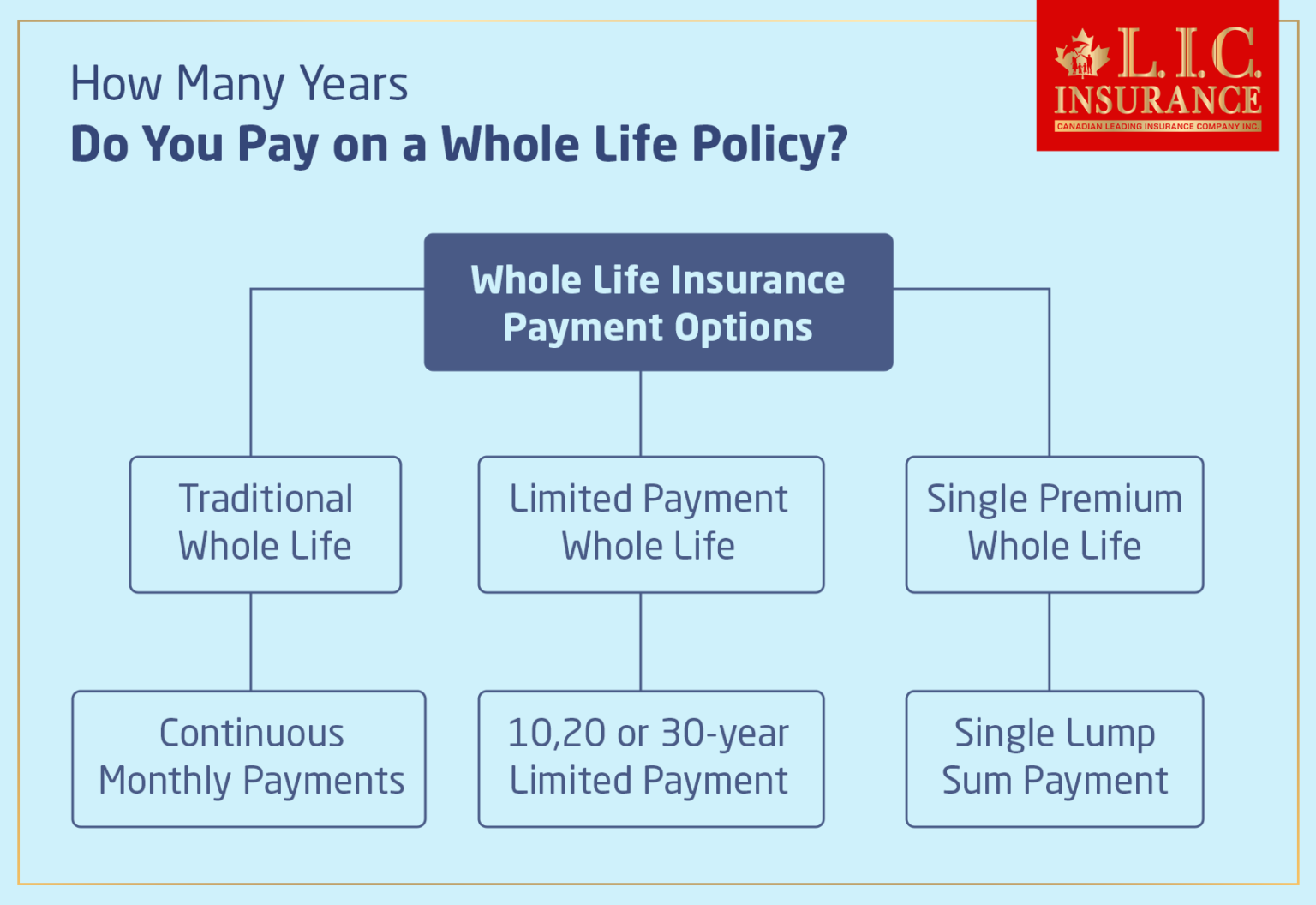
Whole life insurance is traditionally structured with monthly or annual premiums paid for the duration of the insured’s life. However, a specific financial vehicle known as Single Premium Whole Life (SPWL) allows policyholders to fully fund their coverage with a single transaction. This approach is often favored by individuals looking to transfer "lazy money" into an asset that provides a tax-free legacy for heirs, though it comes with specific regulatory classifications that differ from standard policies.
Understanding the Cost Structure of Single Premium Whole Life
The cost of "buying out" a life insurance policy in a single payment is determined by several actuarial factors. Unlike traditional policies where the cost is spread over decades, the insurance company must calculate the "Net Single Premium"—the amount of money needed today that, when combined with projected interest earnings, will cover the eventual death benefit and administrative expenses.
Age and Health Status
The primary driver of cost is the age of the applicant. Because the insurance company has a shorter timeframe to invest the premium for an older individual, the ratio between the premium paid and the death benefit received is narrower. For instance, a $100,000 payment from a 30-year-old might secure a $500,000 death benefit, whereas the same $100,000 from a 70-year-old might only yield $140,000 in coverage. Health underwriting also plays a critical role. In 2026, most carriers offer simplified underwriting for SPWL, but a "Preferred" health rating will still result in a significantly higher death benefit for the same premium compared to a "Standard" rating.
The Face Value Relationship
When paying all at once, you are essentially purchasing a block of death benefit. Most insurers have a minimum entry point, often starting at a $10,000 or $25,000 minimum premium. At the higher end, individuals in estate planning scenarios may move seven-figure sums into these policies to remove those assets from their taxable estate. The "cost" is effectively the opportunity cost of that capital, balanced against the immediate increase in the estate's total value via the death benefit.
The Modified Endowment Contract (MEC) Reality
When you pay for a whole life policy all at once, it almost automatically becomes a Modified Endowment Contract (MEC) under IRS Section 7702. This is the most critical technical detail for anyone considering a single-premium payment in 2026. The IRS established the "7-pay test" to prevent life insurance from being used purely as a tax-sheltered investment vehicle without a sufficient insurance component.
Tax Consequences of a MEC
Because a single premium exceeds the limit of what could be paid into the policy over seven years, the policy loses some of its tax advantages regarding lifetime access to cash. While the death benefit remains tax-free to beneficiaries, any loans or withdrawals taken from the policy's cash value are taxed on a Last-In, First-Out (LIFO) basis. This means the growth (interest/dividends) is withdrawn first and taxed as ordinary income. Furthermore, if you are under age 59½, withdrawals may be subject to a 10% federal tax penalty.
Why Some Choose a MEC Anyway
Despite the tax restrictions on withdrawals, many high-net-worth individuals in 2026 use SPWL specifically for the death benefit leverage. If the goal is not to touch the money during one's lifetime but rather to ensure a specific amount passes to children or a charity, the MEC status is irrelevant. The premium "cost" is viewed as a discounted purchase of a future tax-free payout.
Comparing Single Premium Costs by Age and Benefit
The following table provides estimated premium requirements for a guaranteed death benefit. These figures represent typical 2026 market rates for a healthy individual (Standard Plus rating) and are subject to specific carrier dividend scales and internal expenses.
| Issue Age | Single Premium Amount | Estimated Death Benefit | Immediate Cash Value (Approx.) |
|---|---|---|---|
| 35 | $50,000 | $285,000 | $41,500 |
| 45 | $50,000 | $190,000 | $43,000 |
| 55 | $50,000 | $145,000 | $44,500 |
| 65 | $50,000 | $110,000 | $46,000 |
| 75 | $100,000 | $165,000 | $92,000 |
Note: Cash values often start slightly lower than the premium due to immediate commission and administrative loads, but they grow over time through guaranteed interest and potential dividends.
Strategic Uses of "All-at-Once" Payments
Paying for life insurance in a single lump sum is rarely about basic income replacement; it is a sophisticated wealth management tool. In the economic landscape of 2026, several specific use cases have become prominent.
Funding Long-Term Care (LTC) Riders
Many modern SPWL policies include "hybrid" riders. By paying $100,000 upfront, a policyholder may gain access to a pool of long-term care benefits worth $300,000 or more. If the care is never needed, the death benefit passes to heirs. This "use it or lose it" solution solves the problem of traditional LTC insurance, where premiums are gone if no claim is made.
Estate Equalization
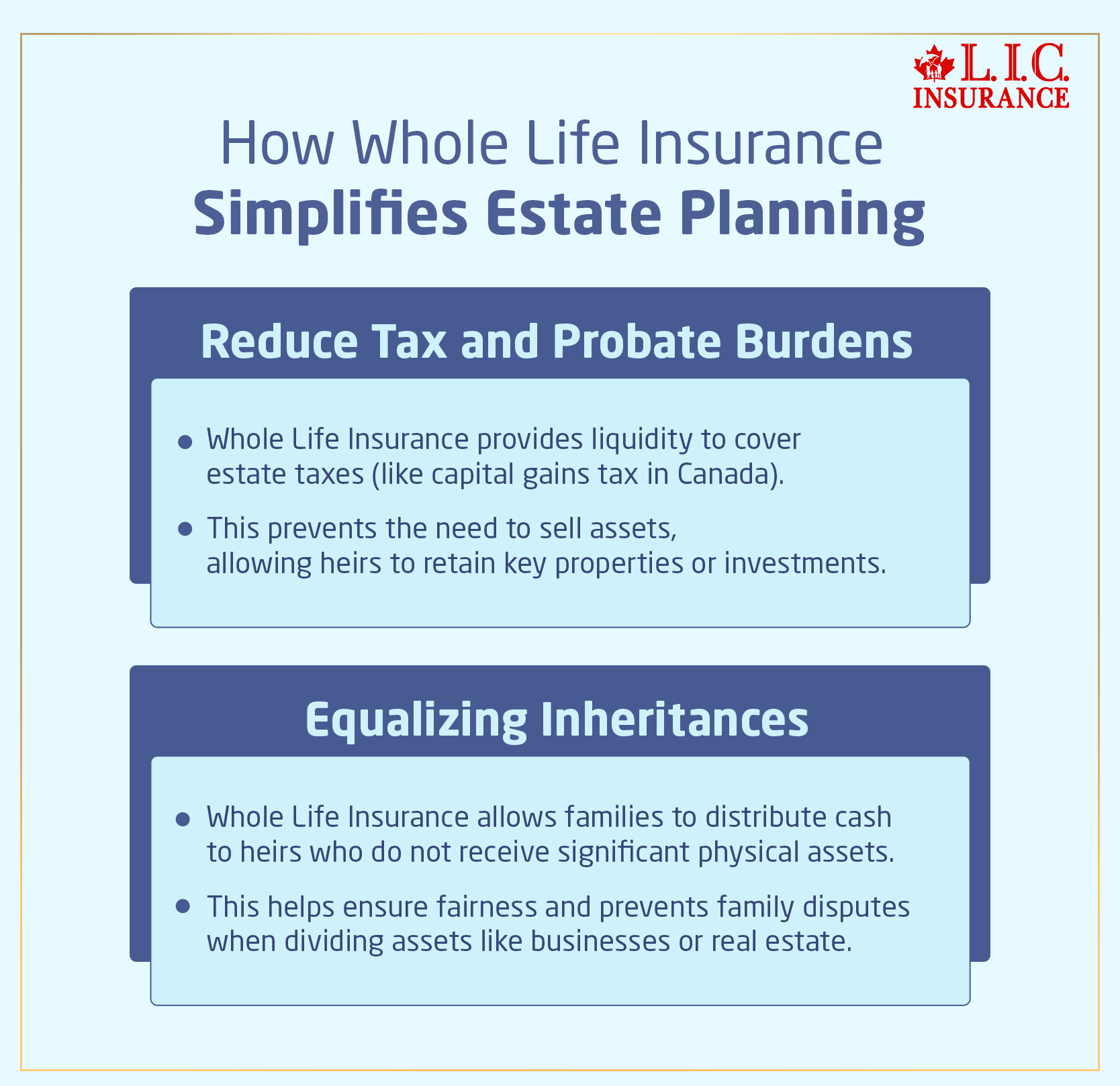
For individuals with illiquid assets, such as a family business or real estate, paying for a life insurance policy all at once can provide the necessary liquidity to equalize an inheritance. If one child inherits a $1 million business, a $1 million single-premium policy can ensure the other child receives an equivalent cash value, funded by a smaller upfront payment from the parent.
Maximizing Dividend Growth
In a participating whole life policy, dividends are paid based on the cash value. By funding the policy entirely on day one, the policyholder maximizes the base upon which dividends are calculated. While 2026 dividend interest rates vary, the compounding effect on a fully funded $200,000 cash value is significantly more powerful than the growth on a policy being funded $5,000 at a time.
Risks and Limitations of Single-Pay Strategies
While the convenience of "one and done" is appealing, there are several risks that must be verified before committing a large sum of capital.
- Illiquidity: Even though the policy has a cash value, surrendering the policy in the first few years often results in "surrender charges." You may receive less than your original premium if you cancel early.
- Opportunity Cost: In a high-interest-rate environment, the internal rate of return (IRR) of a whole life policy might underperform other investments like equities or even high-yield fixed-income products. The primary "win" is the tax-free death benefit, not necessarily the cash growth.
- Inflation Risk: A fixed death benefit secured in 2026 may have significantly less purchasing power thirty years later. While dividends can help the death benefit grow, this growth is not always guaranteed to outpace inflation.
How to Execute a Single Premium Payment
If you decide to move forward with a lump-sum payment, the process follows a specific sequence. It is not as simple as writing a check; the carrier must ensure the funds meet Anti-Money Laundering (AML) requirements and that the applicant meets the simplified underwriting criteria.
- Step 1: Suitability Analysis. A financial advisor must document why a single premium is appropriate for you, especially given the MEC tax status.
- Step 2: Carrier Selection. Not all companies offer SPWL. Look for "Mutual" companies (owned by policyholders) if you want the potential for dividends.
- Step 3: Underwriting. Most 2026 SPWL products use "accelerated underwriting," which involves a review of medical records and pharmacy databases rather than a full physical exam.
- Step 4: Asset Transfer. Funds are often moved via a 1035 Exchange (if moving money from an existing life insurance policy) or a direct wire transfer from a brokerage or savings account.
Frequently Asked Questions
Can I avoid MEC status if I pay all at once?
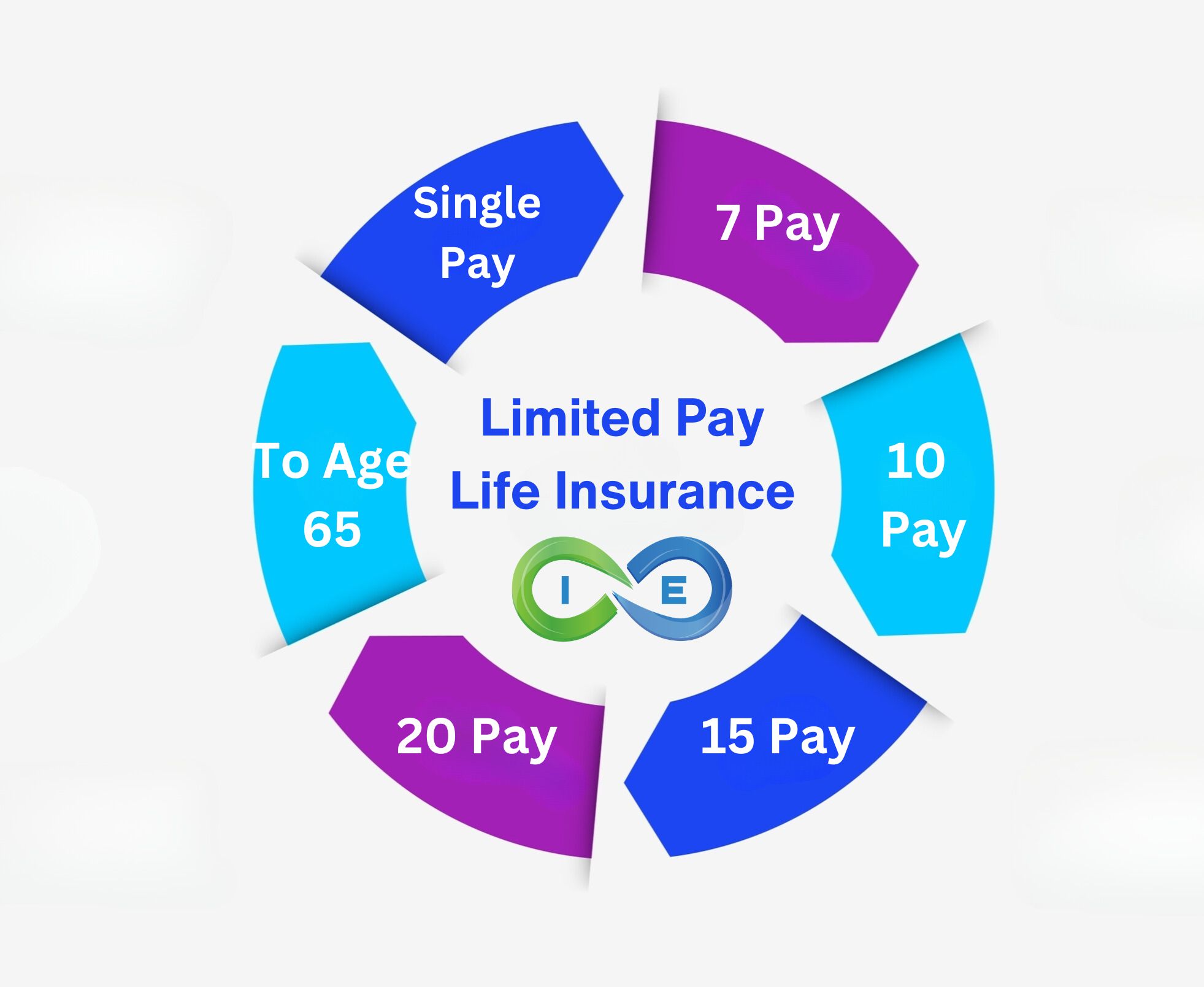
Generally, no. If you pay the entire premium in year one, the policy will fail the 7-pay test and be classified as a MEC. If you wish to avoid MEC status while still paying quickly, you should look into a 10-pay or 7-pay policy, which allows you to fund the policy over a slightly longer period while maintaining the tax-free status of withdrawals.
Is the death benefit still tax-free in 2026?
Yes. Under current federal law (Internal Revenue Code Section 101(a)), death benefits from life insurance policies are generally received by beneficiaries free of federal income tax, regardless of whether the policy is a MEC or a standard whole life policy.
What happens if the insurance company goes bankrupt?
Life insurance is regulated at the state level. Each state has a Life and Health Insurance Guaranty Association that provides coverage up to certain limits (often $300,000 in death benefits or $100,000 in cash value) if a carrier fails. In 2026, it remains vital to choose carriers with high ratings from agencies like A.M. Best or Moody’s.
Can I add more money later?
Most Single Premium Whole Life policies are "closed" after the initial payment. If you want to contribute more in the future, you would typically need to purchase a second policy, subject to new underwriting at your attained age.
Practical Recommendation
Before paying for whole life insurance all at once, evaluate your liquidity needs. If this lump sum represents your only major cash reserve, the MEC tax penalties make this a poor choice. However, if you have excess capital that is currently being taxed at high rates in a brokerage account, moving it into a single-premium policy can effectively "lock in" a legacy for your heirs with zero market risk. For 2026 planning, prioritize policies that offer Accelerated Death Benefit riders, which allow you to access the death benefit while living if you are diagnosed with a terminal or chronic illness.
Image Gallery