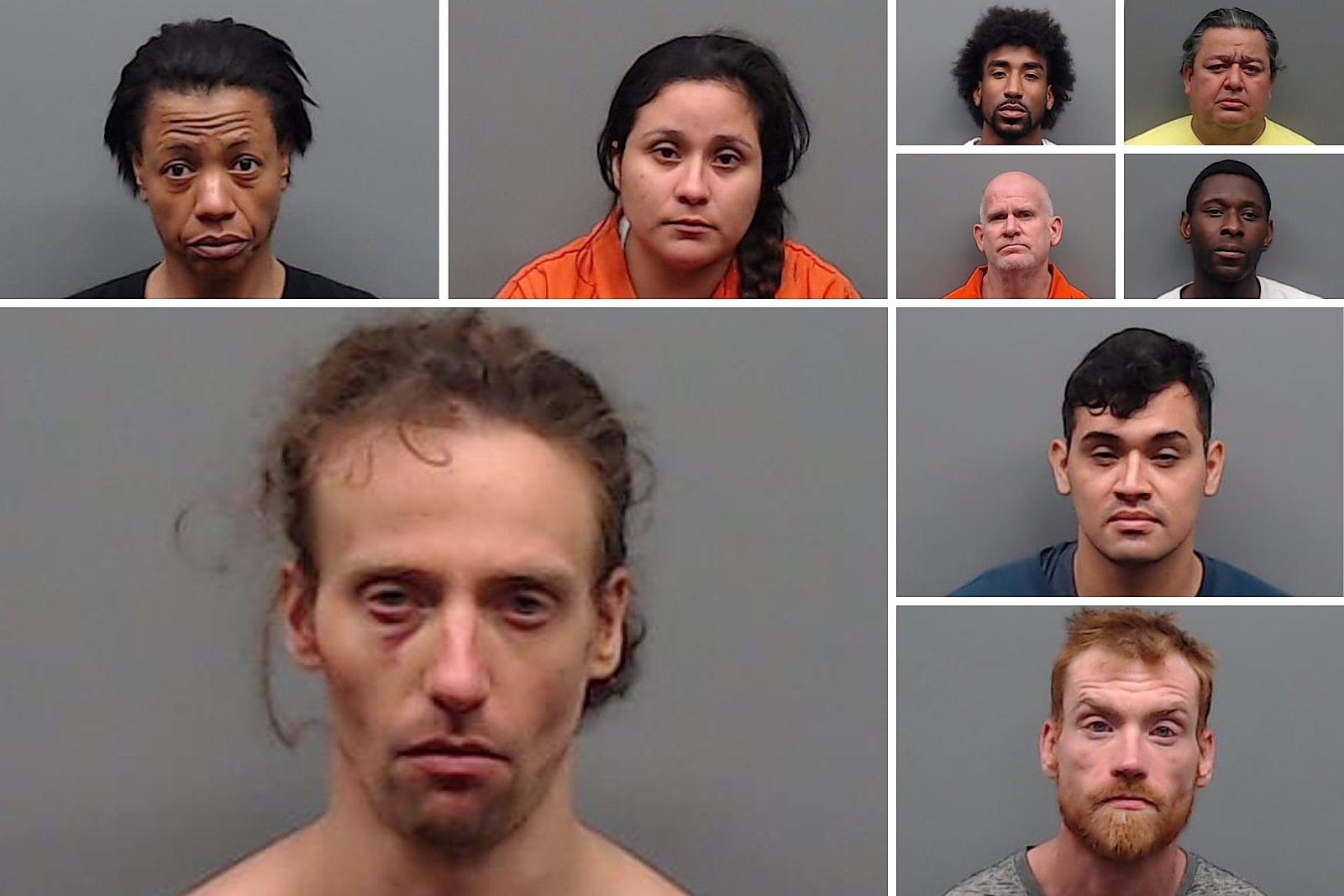
Navigating Gun Club Jail Mugshots and Public Records in 2026
The phrase "gun club jail mugshots" typically refers to public arrest records, booking photographs, and legal documentation associated with individuals linked to shooting ranges, private firearms organizations, or criminal incidents oc...
The phrase "gun club jail mugshots" typically refers to public arrest records, booking photographs, and legal documentation associated with individuals linked to shooting ranges, private firearms organizations, or criminal incidents occurring on club properties. Accessing these documents involves navigating state public records laws, county sheriff jail databases, and legal privacy frameworks that govern the publication of booking imagery.
Contents
Understanding Public Records and Booking Photographs
Public safety transparency laws require municipal and county law enforcement agencies to maintain accessible logs of individuals taken into custody. When an arrest occurs—whether related to a firearms violation at a local shooting facility or an unrelated offense involving a member of a recreational organization—booking records and mugshots are routinely generated by the arresting agency.
These repositories serve several official functions within the justice system:
- Identification and verification of defendants by law enforcement personnel, courts, and victims.
- Public accountability and transparency regarding municipal and county law enforcement operations.
- Media distribution to inform the community about ongoing criminal investigations or public safety threats.
However, the intersection of gun clubs, criminal allegations, and public mugshots often creates complex situations regarding reputation management, defamation, and the legal dissemination of unconvicted booking data.
Legal Frameworks and Public Access Standards
The dissemination of jail mugshots is governed by a patchwork of federal, state, and local statutes. In many jurisdictions, booking photographs are classified as public records under laws such as the Freedom of Information Act (FOIA) or state-level equivalents.
Despite this general openness, the regulatory landscape regarding commercial mugshot websites and law enforcement transparency underwent significant legislative shifts heading into 2026. Many states have enacted restrictions prohibiting law enforcement agencies from publishing mugshots for non-violent misdemeanors or prior to a formal conviction, aiming to protect the presumption of innocence.
| Jurisdiction Type | Standard Mugshot Policy | Impact on Gun Club Records |
|---|---|---|
| Federal Agencies | Restricted release except under specific public safety guidelines or court orders. | Rare public distribution unless federal firearms trafficking or interstate charges apply. |
| State Level (Open Access) | Immediate publication of all county jail bookings via public sheriff portals. | Full visibility of arrests occurring on or near local gun club properties. |
| State Level (Restricted) | Withholding of mugshots until conviction, extradition, or active fugitive status. | Protection of unconvicted members' booking photos from automated scraping sites. |
| Private Aggregators | Scraping and hosting public records for commercial extortion or ad-revenue models. | Frequently index names associated with local shooting ranges and clubs. |
Investigating Arrests Connected to Private Organizations
When an incident occurs at a private facility—such as a hunting organization, skeet shooting range, or tactical training center—local law enforcement handles the immediate response. Investigating whether an arrest record or mugshot exists requires following formal public information channels rather than relying on unverified third-party internet forums.
Step-by-Step Guide to Locating Official Booking Records
- Identify the Jurisdiction: Determine the exact county sheriff's department or municipal police precinct that responded to the incident on the club grounds.
- Access Official Inmate Locators: Visit the official county jail website or correctional facility portal. Most county databases provide active roster searches and historical booking logs.
- Submit Public Records Requests: If the online database does not yield historical records, file a formal public records request (such as a state FOIA or sunshine law request) with the agency's records division.
- Verify Court Dockets: Cross-reference any booking data with the local municipal or superior court clerk database to determine the actual criminal charges, case numbers, and current judicial status.
- Review Expungement or Sealing Status: Recognize that individuals who have had their records sealed, expunged, or dismissed may petition courts and publishing platforms to remove outdated booking imagery.
Common Misconceptions and Privacy Risks
The digital footprint of an arrest record can persist long after a legal matter is resolved. This creates distinct challenges for both shooting sports organizations and individuals falsely or temporarily associated with a criminal investigation.
Reputational Impact on Private Clubs Private gun clubs and recreational associations are frequently subjected to unwarranted negative publicity when a member is arrested. Official records often clarify whether an incident occurred on club property or was merely associated with an individual's personal life, protecting organizational liability and community standing.
- Innocence Until Proven Guilty: A mugshot represents an accusation of a crime, not a legal finding of guilt. Many jurisdictions have restricted commercial sites from charging removal fees to take down unconvicted mugshots.
- Accuracy of Aggregator Sites: Third-party background check and mugshot websites frequently fail to update their databases when charges are dropped or expunged, leading to obsolete or misleading information.
- Firearms Rights Implications: Arrests involving firearms—even when occurring at a gun club—can trigger immediate administrative reviews of concealed carry permits (CCW) and federal firearms licenses (FFLs) pending judicial review.
Frequently Asked Questions
Are all jail mugshots considered public domain?
While historically treated as public records, an increasing number of state laws and police departments restrict the public release of mugshots unless a conviction is secured or a specific public safety threat exists. Local state statutes dictate the exact availability of booking photographs.
Can gun clubs be held liable for member arrests?
Private gun clubs are generally not legally responsible for the criminal actions of individual members committed outside of club-sanctioned activities. Liability depends on whether the club leadership had prior knowledge of illegal acts occurring on premises and failed to take appropriate preventive measures.
How can someone remove a mugshot from the internet?
Individuals can request removal by contacting the specific county sheriff's department that published the record, utilizing state laws that mandate the takedown of unconvicted booking photos, or employing reputable online reputation management services to suppress outdated web listings.
Do federal agencies publish mugshots for firearms violations?
Federal law enforcement agencies, including the ATF and FBI, maintain strict internal guidelines regarding the release of booking imagery, typically withholding mugshots until a defendant makes an initial appearance in federal court or if a public safety alert is issued.
What is the difference between an arrest record and a criminal conviction?
An arrest record documents that an individual was taken into custody on suspicion of a crime, whereas a conviction is a formal judicial determination of guilt entered by a court of law following a trial or guilty plea.
Are background check companies allowed to show old mugshots?
Under the Fair Credit Reporting Act (FCRA) and various state consumer protection laws, background screening companies are generally prohibited from reporting non-conviction arrest records that are older than seven years.
Managing Public Records Responsibly
Navigating the intersection of criminal justice records, private organizational spaces, and digital privacy requires adherence to official legal channels. Relying on verified county sheriff portals and court clerk databases ensures accurate information while safeguarding due process rights and organizational integrity.
Image Gallery