The Role of Information Systems Laboratories in Modern Education and Enterprise
Information systems laboratories provide controlled, high-performance environments where academic institutions and enterprises simulate, test, and analyze complex digital architectures. By bridging abstract computing theory with practi...
Information systems laboratories provide controlled, high-performance environments where academic institutions and enterprises simulate, test, and analyze complex digital architectures. By bridging abstract computing theory with practical operational workflows, these specialized facilities enable applied research, rigorous software testing, hands-on pedagogy, and cybersecurity sandboxing without jeopardizing live production networks or operational business data.
Contents
Understanding the Information Systems Laboratory
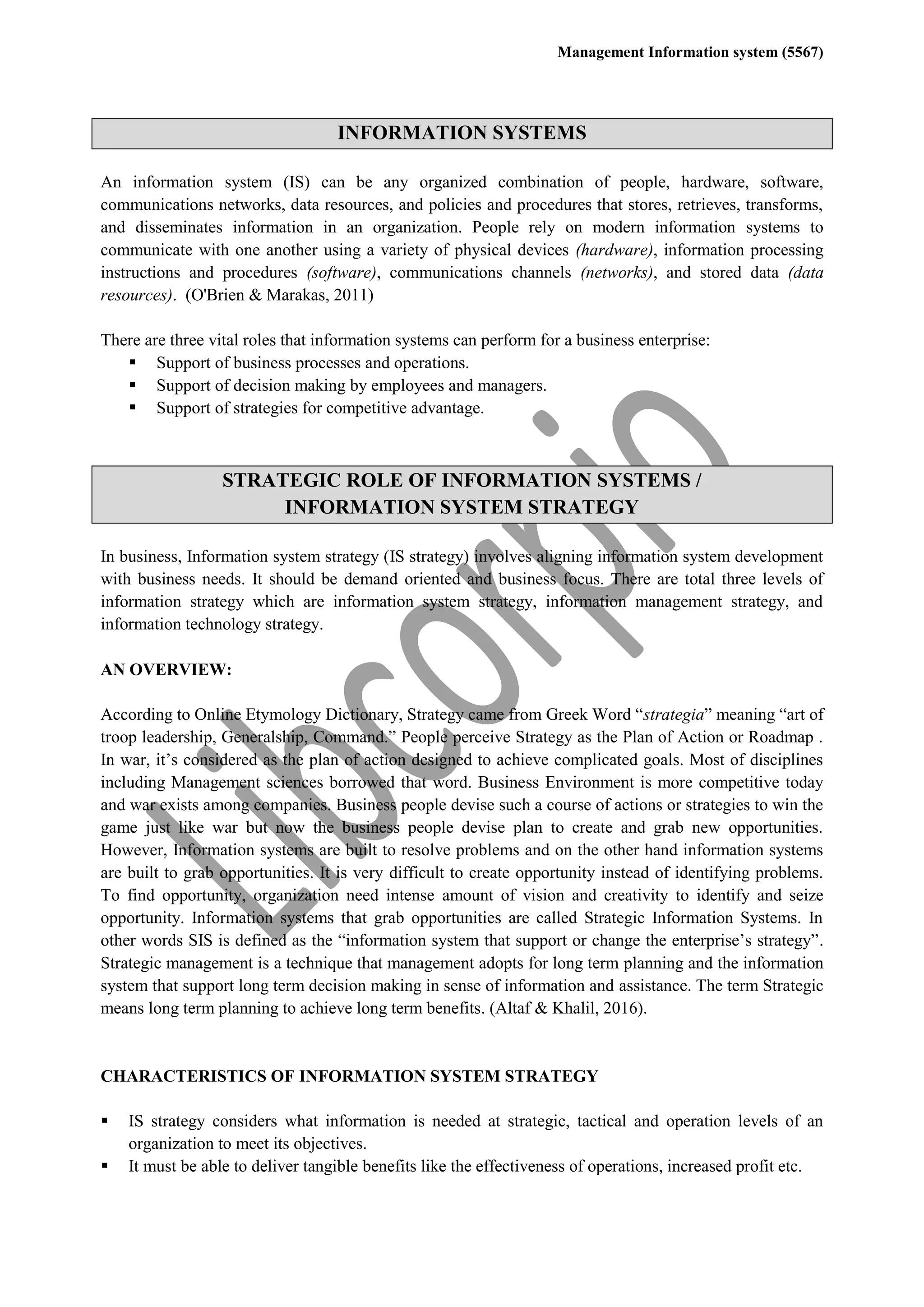
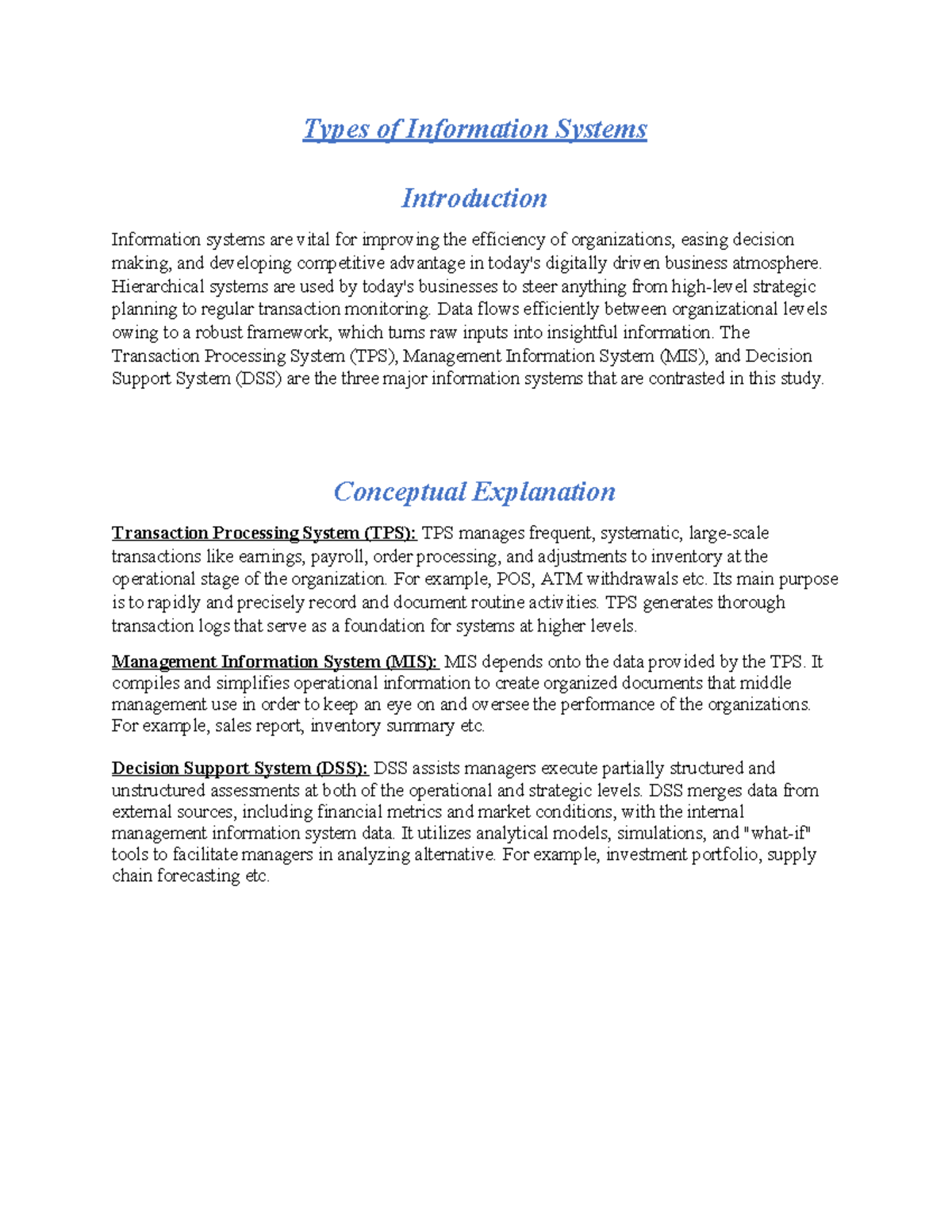
An information systems (IS) laboratory differs fundamentally from a general-purpose computer lab. While a standard lab focuses on workstation availability for productivity software, browsing, and basic coding, an IS laboratory serves as a micro-enterprise environment. It models business information technology ecosystems, integrating relational and non-relational database management systems (DBMS), enterprise resource planning (ERP) suites, networking equipment, continuous integration pipelines, and virtualization clusters.
Historically, computer science laboratories emphasized algorithmic computation, compiler design, and hardware logic. In contrast, information systems emerged as a discipline focused on the socioeconomic interface of computing—evaluating how software, data pipelines, hardware infrastructure, and human organizations interact. Consequently, the role of information systems laboratories has evolved to balance both technical configuration and business process modeling. Today, they function as collaborative testing grounds where system analysts, data engineers, and security auditors evaluate technologies under realistic operational constraints.
Core Operational Functions and Architecture
To understand how an IS laboratory supports research and training, one must examine its structural components. Modern laboratories integrate physical hardware with software-defined infrastructure to maximize flexibility.
1. Hybrid and On-Premises Infrastructure
Modern IS laboratories maintain on-premises server racks alongside hybrid cloud configurations. On-premises clusters—frequently running hypervisors such as VMware ESXi or open-source solutions like Proxmox VE—give administrators complete control over network packets, physical switching, and bare-metal configurations. This physical footprint allows learners and researchers to examine enterprise storage arrays (such as SAN and NAS systems), configure physical firewalls, and study low-level network performance characteristics.
At the same time, hybrid integration with major cloud providers such as AWS, Microsoft Azure, and Google Cloud Platform allows laboratories to replicate multi-region enterprise deployments. Through infrastructure-as-code (IaC) tools like Terraform and Ansible, laboratory administrators can provision and tear down ephemeral sandbox environments within minutes, controlling operational costs while offering scalable resources.
2. Data Engineering and Analytics Pipelines
A primary mandate of modern information systems is the management of organizational data assets. IS laboratories host structured data repositories, such as PostgreSQL and Oracle Database instances, alongside distributed non-relational platforms like Apache Cassandra, MongoDB, and Apache Kafka.
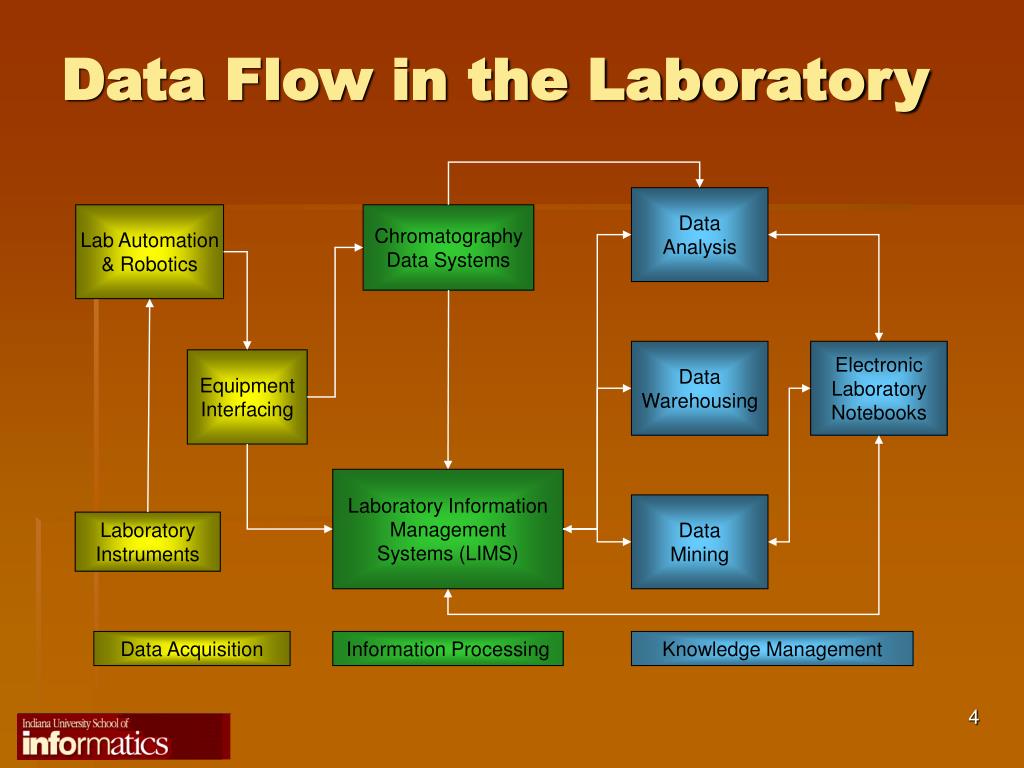
These setups allow researchers and students to construct end-to-end data pipelines. Users ingest raw data, execute extract-transform-load (ETL) routines, design multi-dimensional data warehouses, and feed data into business intelligence tools like Apache Superset, Tableau, or Power BI. By encountering real-world phenomena—such as schema drift, network latency, partition failures, and unindexed query bottlenecks—users develop practical troubleshooting skills that textbooks cannot duplicate.
3. Business Process and Enterprise Software Simulation
Enterprise information systems rely heavily on integrated commercial off-the-shelf (COTS) and open-source platforms. Laboratories frequently deploy sandbox instances of ERP suites, such as SAP S/4HANA (often through academic alliance initiatives) or Odoo, alongside Customer Relationship Management (CRM) platforms and supply chain modeling engines.
Simulating these platforms enables organizations to study business process reengineering (BPR), configuration auditing, and integration middleware without risking operational disruption. Students and analysts learn how enterprise service buses (ESBs) and RESTful application programming interfaces (APIs) bridge disparate legacy software with modern web services.
Academic and Pedagogical Value
The pedagogical role of information systems laboratories centers on experiential learning models. According to established instructional frameworks, theoretical knowledge of systems analysis and database normalization solidifies only when learners construct, stress-test, and break systems in supervised settings.
- Theoretical Concept (Lectures/Documentation)
- Laboratory Scenario (Isolated Virtual Sandbox)
- Execution & Observation (System Telemetry & Error Analysis)
- Refinement & Resolution (Configuration, Patching, Tuning)
In higher education, IS laboratories eliminate the gap between textbook knowledge and professional demands in several critical ways:
- Safe Failure Exploration: In production environments, configuration errors can lead to expensive downtime, regulatory penalties, or critical data loss. An IS laboratory operates on network segmentation and rollback snapshots, encouraging students to experiment with destructive procedures—such as corrupting database headers or triggering distributed denial-of-service (DDoS) simulations—to analyze recovery patterns firsthand.
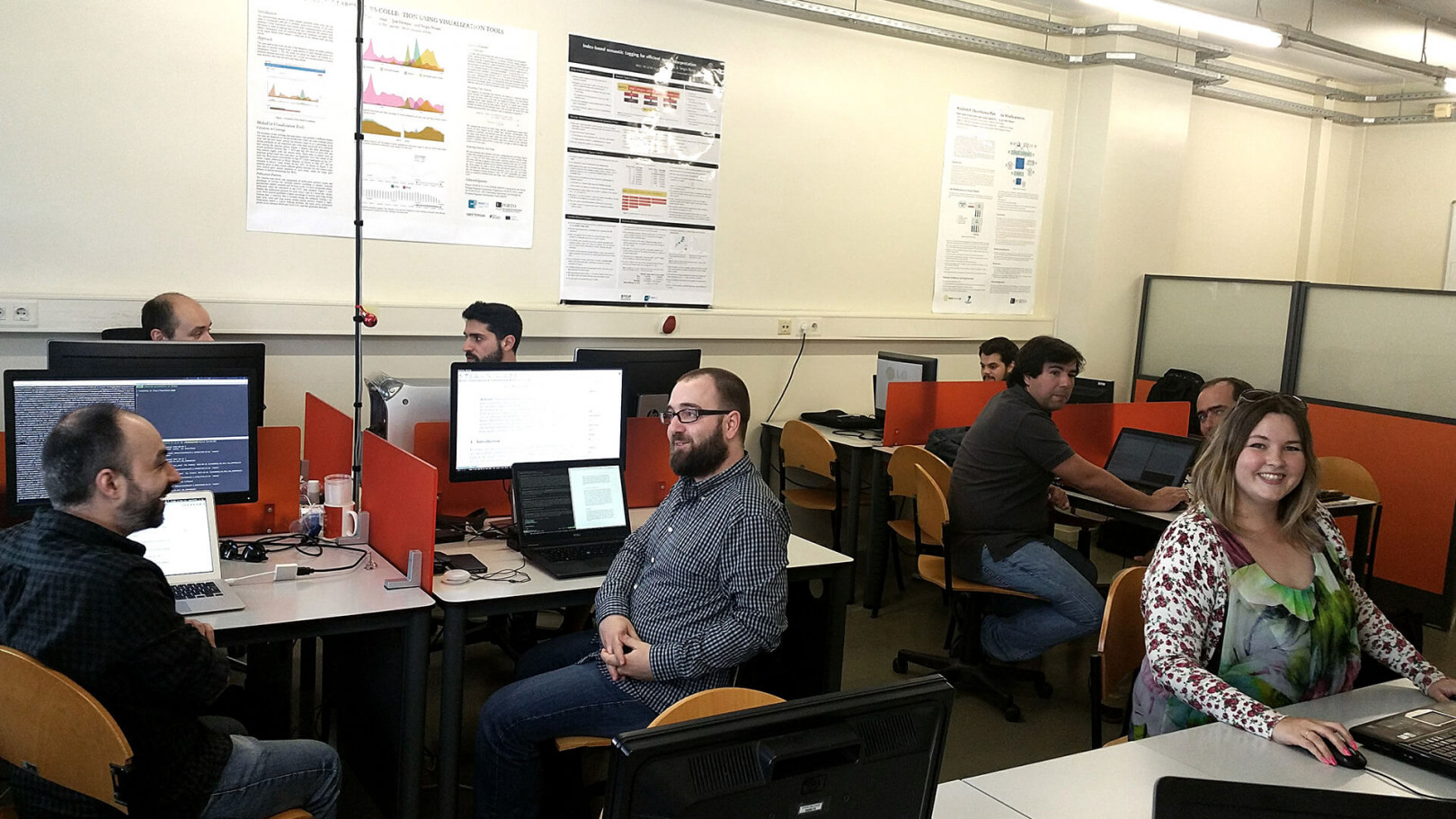
- Interdisciplinary Collaboration: Information systems problems span both business management and computer science. Laboratories function as collaborative workspaces where cross-disciplinary teams work simultaneously on system architecture, UI/UX testing, business requirement documentation, and security compliance.
- Bridging Curriculum Standards: Accreditation bodies, including the ABET Computing Accreditation Commission, require demonstrated experiential laboratory components for programs in information systems and information technology. Dedicated IS laboratories fulfill these practical evaluation criteria.
Enterprise and Research Applications
Beyond higher education, industrial organizations and research universities use information systems laboratories as testbeds for high-stakes digital transformation projects.
Enterprise Sandboxing and Pre-Deployment Validation
Before committing enterprise capital to new software stacks or infrastructure migrations, IT departments use dedicated testing labs to assess vendor claims. In an enterprise IS lab, engineers simulate full workload loads against prospective database architectures, verify identity and access management (IAM) federation through protocols like SAML and OAuth 2.0, and determine how microservices handle network partition events. Conducting these evaluations in an isolated, monitored environment prevents costly architectural failures in production.
Cybersecurity and Compliance Verification
Security auditing is among the most demanding tasks undertaken within modern information systems. IS laboratories host cyber ranges that replicate an organization's internal network topography. Inside these sandboxes, security personnel run controlled penetration tests, evaluate vulnerability scanners against known software versions, and validate incident response procedures. Furthermore, organizations can model compliance against regulatory frameworks, including HIPAA, GDPR, and PCI-DSS, verifying that audit logging, encryption-at-rest, and role-based access control (RBAC) mechanisms function correctly.
Comparison of Laboratory Models
Selecting or designing an information systems laboratory requires balancing cost, technical flexibility, administrative overhead, and computational capacity. The table below compares the four primary deployment models used across academic institutions and commercial enterprises.
| Laboratory Model | Primary Infrastructure | Key Advantages | Operational Constraints | Typical Use Case |
|---|---|---|---|---|
| Dedicated Physical On-Premises | Physical racks, enterprise switches, dedicated desktop hardware | Full hardware-level control; no cloud egress fees; zero reliance on external internet links | High capital expenditure (CapEx); requires dedicated physical space and HVAC; manual maintenance | Systems hardware research; bare-metal networking; low-level hardware diagnostics |
| Private Virtualized Cloud | Hypervisors (VMware, Proxmox, OpenStack) on central local servers | Rapid snapshot rollbacks; optimized hardware utilization; isolated multi-tenancy | Requires skilled hypervisor administrators; bounded by local server capacity | Academic coursework; simulated multi-tiered client-server architectures |
| Public Cloud-Hosted Sandbox | Cloud instances (AWS, Azure, GCP) provisioned via IaC | Elastic scaling; access to cutting-edge managed services (AI/ML, serverless); remote accessibility | High operational expenditure (OpEx); risk of unmonitored billing spikes; variable network latency | Advanced data engineering; global collaborative hackathons; cloud-native ERP deployment |
| Containerized Desktop / Edge | Lightweight virtualization (Docker, Podman, microVMs) | Minimal server footprint; runs locally on standard student/staff hardware; easily reproducible via Git | Limited capability to simulate complex network topologies; constrained by client-device hardware | Introductory database courses; microservice development; basic API design |
Operational Challenges and Governance
Maintaining an effective information systems laboratory requires continuous administrative oversight and proactive governance. Without clear operational policies, laboratories rapidly deteriorate into insecure, outdated, and unmanageable environments.
Resource Allocation and Cost Containment
Public cloud and virtualized infrastructure offer scalable computing power, but without strict resource governance, computing costs can quickly exceed budgetary limits. System administrators must implement strict quota systems, auto-shutdown schedules for idle virtual machines, and automated cleanup scripts that remove unattached block storage volumes and idle load balancers. In academic settings, student accounts should operate inside strict fiscal guardrails to prevent accidental cloud spending overruns.
Data Privacy and Synthetic Dataset Management
Real-world systems require realistic data for meaningful testing. However, populating an IS laboratory with active production databases introduces significant legal, ethical, and regulatory hazards. Regulations such as the European Union’s General Data Protection Regulation (GDPR) and the California Consumer Privacy Act (CCPA) prohibit unmasked production data from migrating into non-production or educational testing spaces.
To solve this, laboratories must deploy automated data masking or synthetic data generation tools. These platforms preserve referential integrity, distributions, and edge-case anomalies without exposing personally identifiable information (PII) or confidential corporate records.
Software Licensing and Vendor Alliances
Enterprise software licensing models frequently exclude laboratory and non-production testing from standard commercial contracts. Lab directors must negotiate academic alliance agreements—such as those offered by major enterprise software vendors—or rely on open-source solutions. Managing compliance across heterogeneous licenses, tracking seat activations, and updating expiring academic keys requires structured configuration management systems.
Practical Steps to Design an IS Laboratory
Building or modernizing an information systems laboratory involves a structured engineering workflow:
- Define Core Curricula and Technical Objectives: Identify whether the facility's primary mission is database administration, enterprise application integration, network security, or business analytics.
- Establish the Architectural Footprint: Determine the distribution between on-premises virtualization clusters and cloud platforms. Prioritize a modular architecture that supports rapid redeployments.
- Implement Infrastructure as Code (IaC): Store configuration states, network topographies, and container definitions in version-controlled repositories (e.g., using Git, Docker Compose, or Terraform scripts). This approach ensures any lab environment can be rebuilt from scratch after a failure.
- Deploy Rigorous Network Segmentation: Isolate lab environments from institutional or corporate production backbones using virtual local area networks (VLANs), strict firewall rules, and jump boxes to prevent testing activity from disrupting external services.
- Establish Lifecycle and Decommissioning Policies: Automate the expiration and destruction of temporary lab instances to reclaim storage, prevent configuration drift, and eliminate forgotten security vulnerabilities.
Frequently Asked Questions
What is the primary difference between an information systems lab and a computer science lab?
An information systems lab focuses primarily on how software, database architectures, and IT infrastructure support business operations, decision-making, and organizational processes. A computer science lab typically focuses on foundational computing principles, such as compiler design, algorithmic complexity, kernel engineering, and low-level hardware design.
Can an information systems laboratory operate entirely in the cloud?
Yes. Many modern organizations and universities deploy purely cloud-based or virtual laboratories using platforms like AWS Academy, Microsoft Learn for Educators, or containerized environments. However, cloud-only configurations introduce ongoing subscription fees, necessitate reliable high-speed internet connectivity, and limit hands-on experience with physical routing, switching, and bare-metal server maintenance.
What are the standard hardware requirements for an on-premises IS lab?
A standard on-premises host cluster requires multi-core enterprise processors (such as AMD EPYC or Intel Xeon), a minimum of 256 GB to 512 GB of RAM per host server to support multiple concurrent virtual machines, high-throughput NVMe storage configured in redundant RAID arrays, and managed switches capable of 10GbE networking with 802.1Q VLAN tagging support.
How do educational institutions prevent security breaches originating from IS labs?
Laboratories implement physical and logical isolation. Network administrators configure dedicated firewalls, demilitarized zones (DMZs), and air-gapped subnets to ensure traffic inside the lab cannot traverse into university or corporate production systems. Additionally, outbound traffic is typically filtered to prevent the laboratory from inadvertently taking part in external network abuse or cyberattacks.
Which enterprise software systems are most commonly hosted in IS laboratories?
Common platforms include relational and NoSQL databases (such as PostgreSQL, MySQL, Oracle Database, and MongoDB), Enterprise Resource Planning platforms (such as SAP S/4HANA and Odoo), Business Intelligence suites (such as Apache Superset and Tableau), messaging queues (such as Apache Kafka), and container orchestration platforms (like Kubernetes).
Actionable Next Steps
To upgrade an existing facility or build a new information systems laboratory, begin by conducting a formal requirements assessment of your target software stacks and user concurrency demands. Audit your current networking infrastructure to ensure sufficient physical switch throughput and VLAN capabilities before purchasing physical servers or signing cloud agreements. For immediate operational improvements, migrate manual lab provisioning processes to Infrastructure-as-Code workflows using Git and containerization frameworks, ensuring environments can be deployed, rebuilt, and scaled reliably.
Image Gallery