Why Keanu Reeves in Toy Story 4 Was More Than Just a Celebrity Cameo
Keanu Reeves’ portrayal of Duke Caboom in Toy Story 4 matters because it transcended typical "stunt casting" to provide a profound exploration of performance anxiety and rejection. By aligning the "Keanussance" cultural moment with a c...
Keanu Reeves’ portrayal of Duke Caboom in Toy Story 4 matters because it transcended typical "stunt casting" to provide a profound exploration of performance anxiety and rejection. By aligning the "Keanussance" cultural moment with a character grappling with professional inadequacy, Pixar added significant thematic weight to the film’s narrative of self-worth.
Contents
In the landscape of modern animation, celebrity voices are often used as marketing tools rather than artistic choices. However, the inclusion of Keanu Reeves as Duke Caboom—Canada’s greatest stuntman—served a much deeper purpose within the Toy Story mythos. As of 2026, looking back at the franchise’s evolution, Reeves’ contribution remains a benchmark for how a high-profile cameo can enhance a film’s emotional resonance without overshadowing the core ensemble.
The Cultural Phenomenon of the "Keanussance"
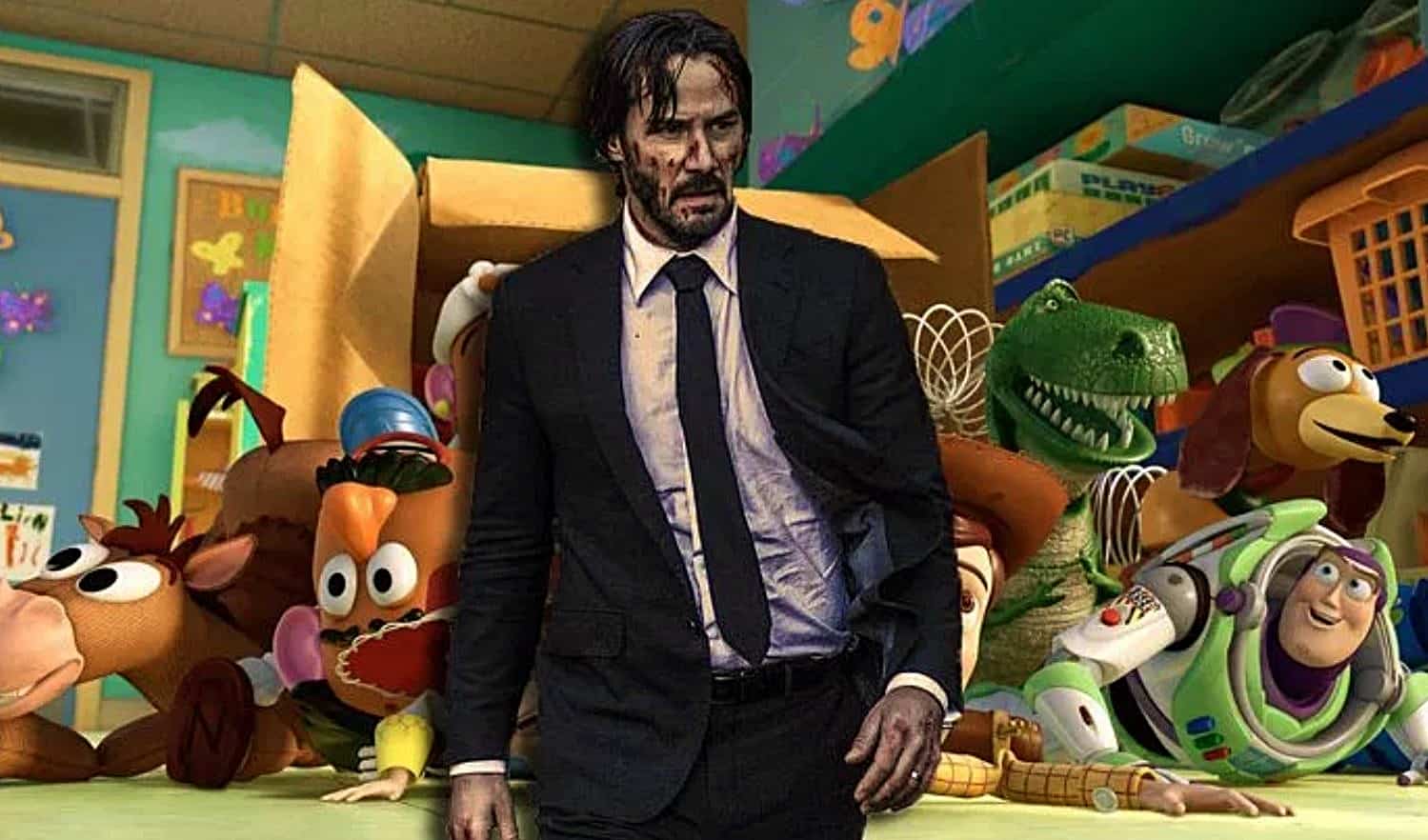
To understand why this cameo mattered, one must revisit the cultural climate of the late 2010s. In 2019, Keanu Reeves was experiencing a massive career resurgence, colloquially known as the "Keanussance." This period saw the success of John Wick: Chapter 3 – Parabellum, a viral appearance in Always Be My Maybe, and a highly publicized reveal for the video game Cyberpunk 2077.
Pixar’s decision to cast Reeves at the peak of this internet-led adoration was a masterstroke of timing. However, the cameo mattered because it didn't just capitalize on his popularity; it subverted it. Reeves, known for playing stoic, unstoppable heroes like Neo and John Wick, was cast as a toy who was fundamentally broken by his inability to perform the very tasks he was built for. This juxtaposition between the actor's "invincible" public persona and the character's deep-seated insecurity created a layer of meta-commentary that resonated with both children and adults.
Breaking Down Duke Caboom: The Maple Leaf Maverick
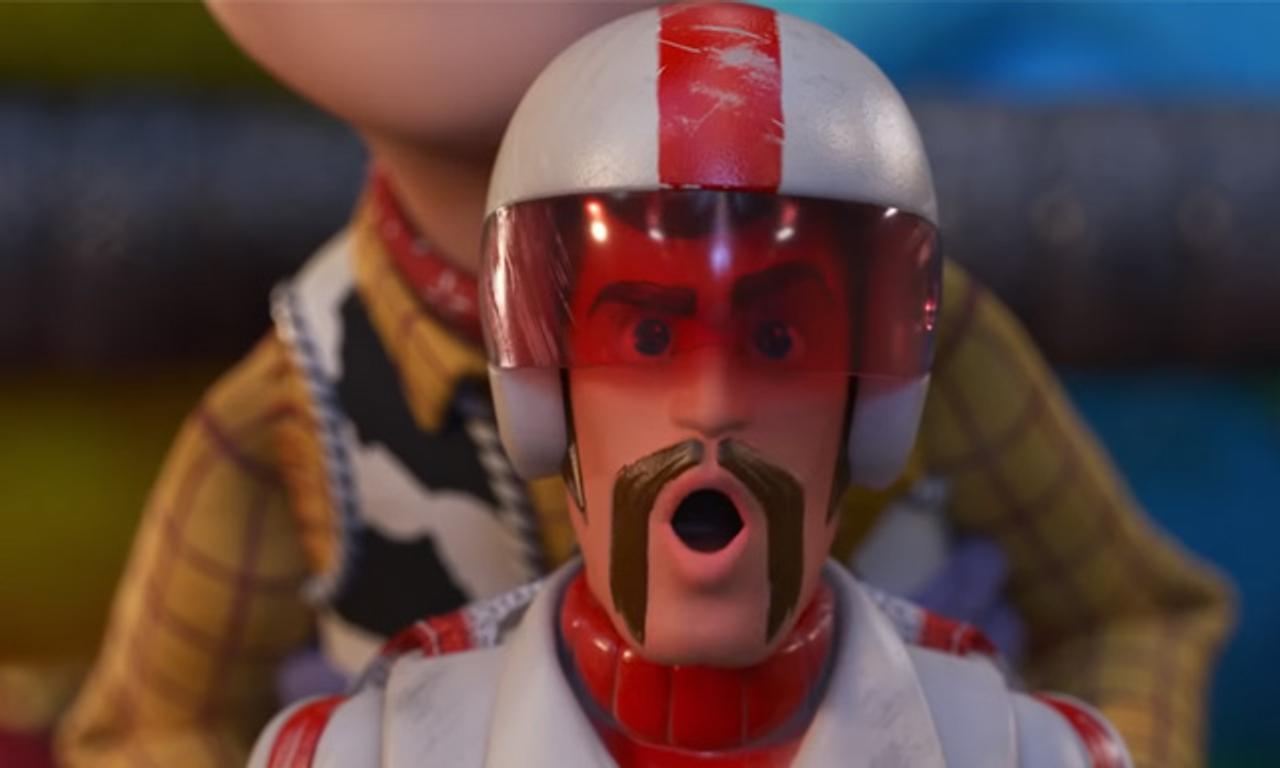
Duke Caboom is introduced as a 1970s action figure based on Canada’s most famous stuntman. On the surface, he is a source of comedic relief—a dramatic, pose-striking daredevil with a magnificent mustache. But his narrative function is far more critical to the themes of Toy Story 4.
The Backstory of "Toy Trauma"
Duke’s primary motivation is rooted in "toy trauma." He was owned by a boy named Réjean, who discarded him after realizing the toy could not actually jump as far as the television commercial suggested. This "false advertising" trauma is a recurring theme in the Toy Story universe (notably seen with Buzz Lightyear in the first film), but Reeves brings a unique pathos to the role.
The cameo matters because it highlights the psychological toll of unrealistic expectations. Duke is a victim of marketing, a toy living in the shadow of an idealized version of himself. Reeves’ performance captures this through a blend of hyper-masculine bravado and sudden, crushing vulnerability.
Thematic Depth: Why the Cameo Matters for the Franchise
While Toy Story 4 focuses primarily on Woody’s transition from a "child’s toy" to a "lost toy," Duke Caboom serves as a crucial mirror to this journey. He represents the middle ground: a toy who wants to be loved but is paralyzed by the fear of failure.
Addressing Performance Anxiety
In an era where mental health and the pressure to perform are significant cultural talking points, Duke Caboom’s struggle with performance anxiety felt remarkably modern. When Duke eventually overcomes his fear to help Woody and Bo Peep, it isn't just an action beat; it is a moment of therapeutic catharsis. Reeves’ earnestness makes the "Yes I Canada!" catchphrase feel like a genuine mantra of self-belief rather than just a pun.
Parallelism with the Core Cast
Duke’s arc reinforces the movie's central thesis: that a toy’s value is not determined by its original "programming" or its relationship with a single child. By the end of the film, Duke finds a new purpose within the carnival community. This reinforces Woody's eventual decision to leave Bonnie, proving that there is a vibrant, meaningful life for toys outside of traditional ownership.
The Production Process: Reeves’ Creative Input
One reason this cameo remains so impactful in 2026 is the level of dedication Reeves brought to the recording booth. Pixar animators have frequently recounted how Reeves didn't just show up to read lines; he helped shape the character’s physical language.
During initial meetings at the Pixar campus, Reeves famously climbed onto a table to demonstrate how Duke Caboom would strike poses. He wanted to understand the "why" behind the character’s dramatic flair. He suggested that Duke should be constantly posing because he was trying to convince himself of his own greatness. This physical comedy, translated into the animation, turned a minor supporting character into a scene-stealer. This level of collaboration ensures that the cameo feels integrated into the film’s DNA rather than being a tacked-on celebrity appearance.
Technical Analysis of Duke Caboom’s Character Arc
| Feature | Duke Caboom | Standard Stunt Casting |
|---|---|---|
| Narrative Purpose | Essential to the theme of "lost toys" and redemption. | Usually for marquee value or one-off jokes. |
| Character Depth | Explores imposter syndrome and commercial rejection. | Often one-dimensional or a caricature of the actor. |
| Actor Input | Reeves contributed to the physical posing and backstory. | Actor typically follows a rigid script. |
| Thematic Impact | Mirrors Woody’s journey toward independence. | Rarely impacts the protagonist’s growth. |
| Legacy (as of 2026) | Remains a standout fan-favorite with merchandise longevity. | Often forgotten after the initial theatrical run. |
Why Reeves Was the Perfect Choice
Reeves’ voice is distinct—deep, slightly gravelly, but infused with an unmistakable sincerity. In Toy Story 4, this sincerity is what prevents Duke Caboom from becoming a mere joke. When Duke cries out about Réjean, the audience feels the genuine sting of a child’s disappointment.
Furthermore, Reeves has a reputation in Hollywood for being one of the most humble and kind individuals in the industry. This real-world reputation bleeds into the character. Duke Caboom is a "good guy" who just needs a win. The audience is predisposed to root for Keanu Reeves, and by extension, they are predisposed to root for Duke. This emotional shorthand is a powerful tool in storytelling, especially in a film that already has a massive cast of established characters.
Analyzing the Impact on the Animation Industry
The success of Keanu Reeves in Toy Story 4 influenced how animation studios approached celebrity casting in the following years. It moved the needle away from "just finding a famous voice" toward finding an actor whose public narrative could complement the character’s internal struggle.
By 2026, we see this trend continuing. Studios are looking for "character-actor synergy." The cameo matters because it proved that you can have a "big name" in a small role, and if the writing and the actor’s commitment are there, that character can become just as iconic as the leads.
Frequently Asked Questions
Why did Duke Caboom have such a hard time jumping?
Duke Caboom’s character is a play on the real-world discrepancy between toy commercials and actual toy performance. In his backstory, his owner Réjean expected Duke to perform the impossible stunts seen in the TV ads. When the toy physics didn't match the marketing, Réjean felt let down. This created a cycle of shame for Duke, who felt he was a "failure" because he couldn't defy the laws of physics as promised.
Is Duke Caboom based on a real person?
While Duke Caboom is a fictional toy, he is heavily inspired by 1970s stunt icons, most notably Evel Knievel. Knievel was famous for his motorcycle jumps and had a line of toys that were legendary for being difficult to operate and often failing to live up to the heights of the real stunts. The Canadian branding is a specific Pixar creative choice to lean into Keanu Reeves’ own Canadian heritage.
How did the "Keanussance" affect the movie’s marketing?
The "Keanussance" provided Toy Story 4 with a massive boost in social media engagement. When the trailers featuring Duke Caboom were released, the internet’s existing affection for Reeves created a viral wave of support. However, because the character was genuinely well-written, this interest didn't dissipate after the film's release; it translated into lasting popularity for the character.
What does Duke Caboom’s arc tell us about the movie's ending?
Duke Caboom’s arc is a precursor to Woody’s final decision. Duke finds happiness not by returning to a child, but by using his skills to help other "lost toys" and finding a community among the carnival attractions. His success provides a "proof of concept" for Woody: that there is a life worth living beyond the bedroom floor.
Does Keanu Reeves return as Duke Caboom in any other media?
Since Toy Story 4, the character has appeared in various Pixar shorts and promotional materials. Reeves’ distinct voice is central to the character’s identity, and his willingness to return to the role for smaller projects has helped maintain Duke Caboom’s status as a top-tier Pixar side character through the mid-2020s.
Practical Recommendation: Finding Value in the Details
For those revisiting Toy Story 4 or analyzing its production, the key takeaway is to look beyond the "meme-ability" of Duke Caboom. To truly appreciate why the cameo matters, watch the scene where Duke finally makes his big jump at the carnival. Note the specific way Reeves delivers the line, "I’m not a failure!" It is a moment of pure, unironic triumph.
If you are a student of film or animation, use the Duke Caboom cameo as a case study in thematic casting. It illustrates how an actor’s persona can be leveraged to tell a story about identity and expectations, rather than just being used for name recognition on a poster. In the broader context of the Toy Story franchise, Duke Caboom stands as a testament to the idea that even a "stunt" can have a heart of gold.
Image Gallery