Selecting and Maintaining Naturalizer Block Heels for Optimal Comfort and Style
Naturalizer block heels are engineered to provide a balance of elevated aesthetics and biomechanical support, utilizing the brand’s proprietary N5 Contour technology to prioritize arch support, balanced weight distribution, and cushion...
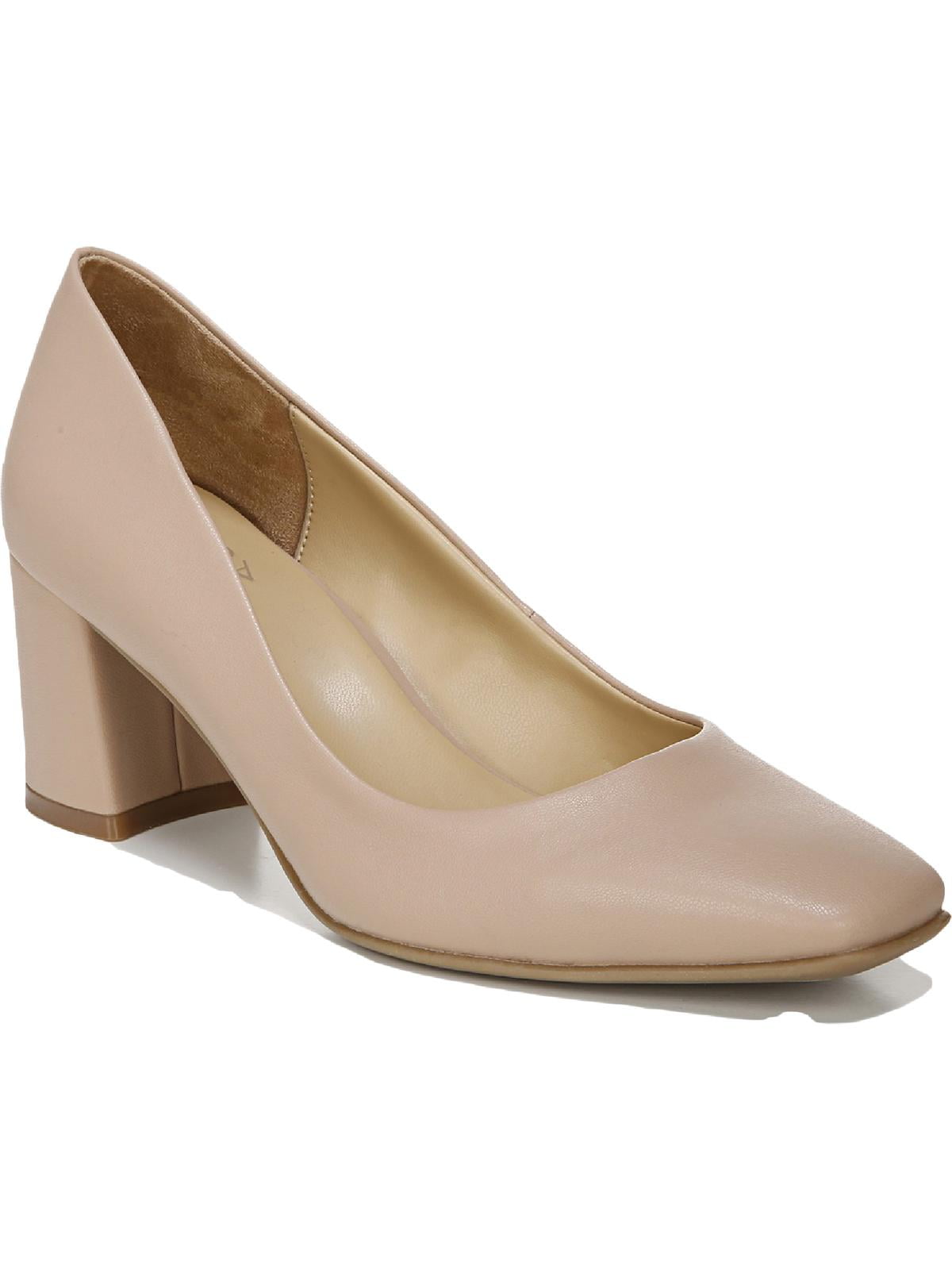
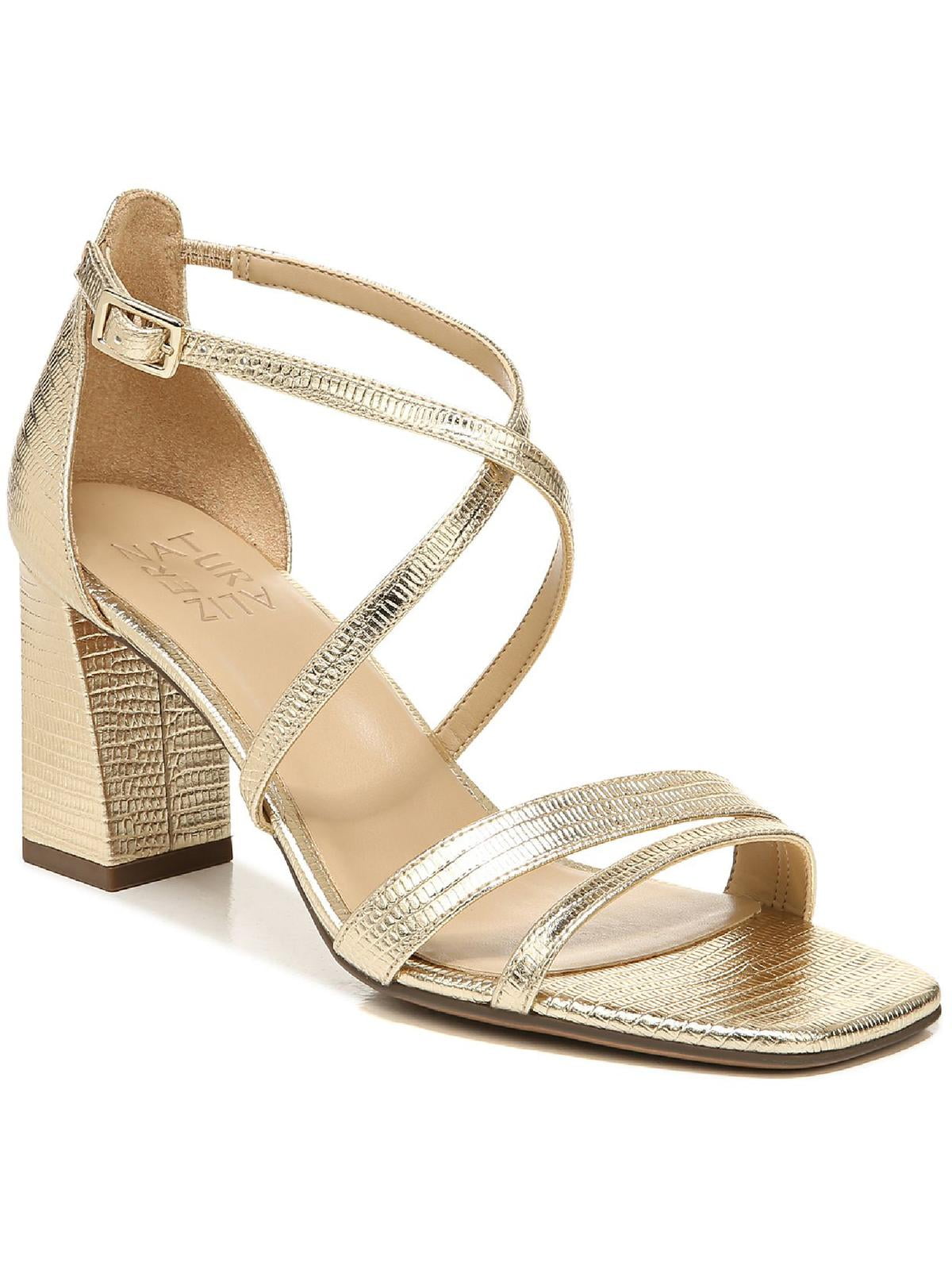
Naturalizer block heels are engineered to provide a balance of elevated aesthetics and biomechanical support, utilizing the brand’s proprietary N5 Contour technology to prioritize arch support, balanced weight distribution, and cushioned insoles. Designed for consumers who require professional or formal footwear without compromising on long-term wearability, these shoes feature a widened heel base that distributes body weight more effectively than traditional stiletto designs, reducing localized pressure on the forefoot and heel strike.
Contents
Understanding the Engineering Behind Naturalizer Block Heels
The primary value proposition of Naturalizer footwear lies in its focus on anatomical alignment. Unlike standard fashion footwear that often prioritizes silhouette over structure, the block heel category within the brand is built upon the "N5 Contour" platform. This system incorporates several technical features aimed at mitigating the common discomforts associated with heeled footwear.
The block heel design functions as a structural stabilizer. By increasing the surface area of the heel base, the design lowers the center of gravity and minimizes the risk of ankle rolls, which are common with narrow-based heels. Furthermore, the internal construction includes a molded footbed that mirrors the natural shape of the human arch. This targeted support prevents the foot from collapsing or sliding forward, which is the leading cause of "toe-squeeze" and metatarsal pain in standard high heels.
Key Components of the N5 Contour System
- Dual-Density Cushioning: Layers of varying foam densities are placed beneath the heel and the ball of the foot to provide both shock absorption and energy return.
- Contoured Arch Support: A rigid, yet flexible, shank provides longitudinal stability, helping the foot maintain its natural arc during the gait cycle.
- Breathable Linings: Use of moisture-wicking materials reduces internal friction, which is essential for preventing blisters during extended periods of wear.
- Flexible Outsoles: The outsoles are engineered with flex grooves that allow the shoe to move with the foot’s natural motion, preventing the stiff, "clunky" sensation associated with many block-heeled designs.
Identifying Your Needs: Heel Height and Occasion
Selecting the correct block heel requires an assessment of your intended environment. Naturalizer offers a range of heights, typically categorized by the primary use case—office, social, or long-duration standing.
For professional settings where you may be standing for several hours, a lower block heel (1.5 to 2 inches) is usually recommended. These provide the necessary elevation for professional attire while keeping the ankle at a neutral, lower-stress angle. Conversely, mid-to-high block heels (2.5 to 3.5 inches) are better suited for shorter social events or dinner engagements where formal aesthetics take precedence over prolonged mobility.
Comparison of Block Heel Profiles
| Heel Type | Ideal Environment | Mobility Level | Support Profile |
|---|---|---|---|
| Low Block (1-2") | Daily Office / Commuting | High | Maximum Stability |
| Mid Block (2-2.5") | Meetings / Business Formal | Moderate | Balanced |
| High Block (3"+) | Formal Events / Dinners | Limited | Minimal |
Material Selection and Maintenance
The longevity of your footwear is highly dependent on the upper material. Naturalizer utilizes both genuine leather and high-grade synthetic materials, each requiring a different maintenance protocol.
Leather Maintenance
Leather is breathable and conforms to the foot over time, making it an excellent choice for frequent wearers. However, it requires periodic conditioning to prevent cracking. Use a neutral leather cream every 3 to 6 months to maintain the suppleness of the material. If the heels become wet, allow them to air dry away from direct heat sources, such as radiators, which can cause the leather to become brittle.
Synthetic/Vegan Leather Maintenance
Synthetic materials are generally more resistant to environmental factors like rain or scuffs but do not offer the same breathability as natural leather. These are best maintained by wiping them down with a damp, soft cloth after use. Avoid using heavy polishes or oils, as these may not penetrate the surface and can leave a tacky residue.
Troubleshooting Common Fit Issues
Even with high-quality ergonomic shoes, minor fit adjustments may be necessary. If you experience heel slippage, the issue is often related to the volume of the shoe rather than the length. Using a silicone heel grip can effectively reduce space at the back of the shoe without needing to size down, which could result in toe compression.
For those who find the ball of the foot still experiences pressure, adding a thin, adhesive metatarsal pad can provide additional cushioning. It is vital that these additions do not push the foot too far forward; if your toes are overhanging the front edge of the shoe, the fit is incorrect, regardless of the padding used.
Establishing a Rotation Routine
To maximize the lifespan of your block heels, avoid wearing the same pair on consecutive days. Allowing the internal padding and lining material 24 hours to air out and regain its shape prevents the premature breakdown of the foam. This simple habit can double the effective lifespan of the cushioning system.
Frequently Asked Questions
Are Naturalizer block heels suitable for wide feet? Yes, Naturalizer is one of the few major footwear brands that consistently produces wide-width variations across their block heel collection. When shopping, ensure you filter by "Wide Width" to confirm that the entire shoe structure—not just the upper—is modified to accommodate a wider foot bed.
How do I clean the exterior of a suede-finished block heel? Suede requires a specialized brush to lift the nap and remove dust. For stains, use a dedicated suede eraser. Avoid using water on suede, as it can cause permanent water spots and alter the texture of the material.
Can I replace the insoles in my Naturalizer heels? Most Naturalizer models feature integrated N5 Contour insoles that are glued in place for structural integrity. Attempting to remove these may damage the inner construction of the shoe. If you require custom orthotics, look for models that indicate "removable insoles" or size up slightly to accommodate a thin 3/4 length insert.
Do these heels require a break-in period? While designed for immediate comfort, leather models often require a few hours of wear to soften and mold to the unique contours of your foot. It is recommended to wear them indoors for short periods before committing to a full day of wear.
What is the best way to store these shoes? Store your block heels in a cool, dry place, ideally using shoe trees or tissue paper to maintain the shape of the toe box. Avoid stacking them in a way that puts pressure on the heel base, as this can degrade the stability features over time.
Next Steps for Selection
To ensure the best experience, visit a retailer that offers a brannock device measurement service to verify your current size, as foot dimensions can shift over time. If ordering online, review the specific product description for notes on whether the fit is "true to size," "runs small," or "runs large." Always test the shoes on a carpeted surface at the end of the day—when your feet are at their largest—to ensure they provide sufficient comfort during your most demanding hours.
Image Gallery