Mastering the Associated Press Style Guide for Professional Writing
Using the Associated Press (AP) Style Guide effectively requires a structured approach to grammar, punctuation, and industry-specific terminology to ensure consistency, clarity, and authority in your writing. The guide serves as the de...
Using the Associated Press (AP) Style Guide effectively requires a structured approach to grammar, punctuation, and industry-specific terminology to ensure consistency, clarity, and authority in your writing. The guide serves as the definitive reference for journalists, public relations professionals, and corporate communications teams, providing standardized rules for everything from numerical expressions to professional titles. By mastering the search tools and logical categorization within the manual, you can maintain institutional standards and improve the readability of complex information.
Contents
Understanding the Role of the AP Style Guide
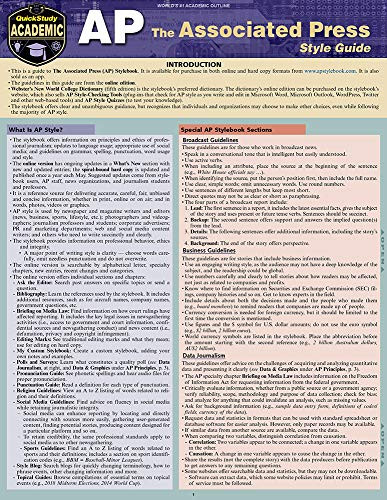
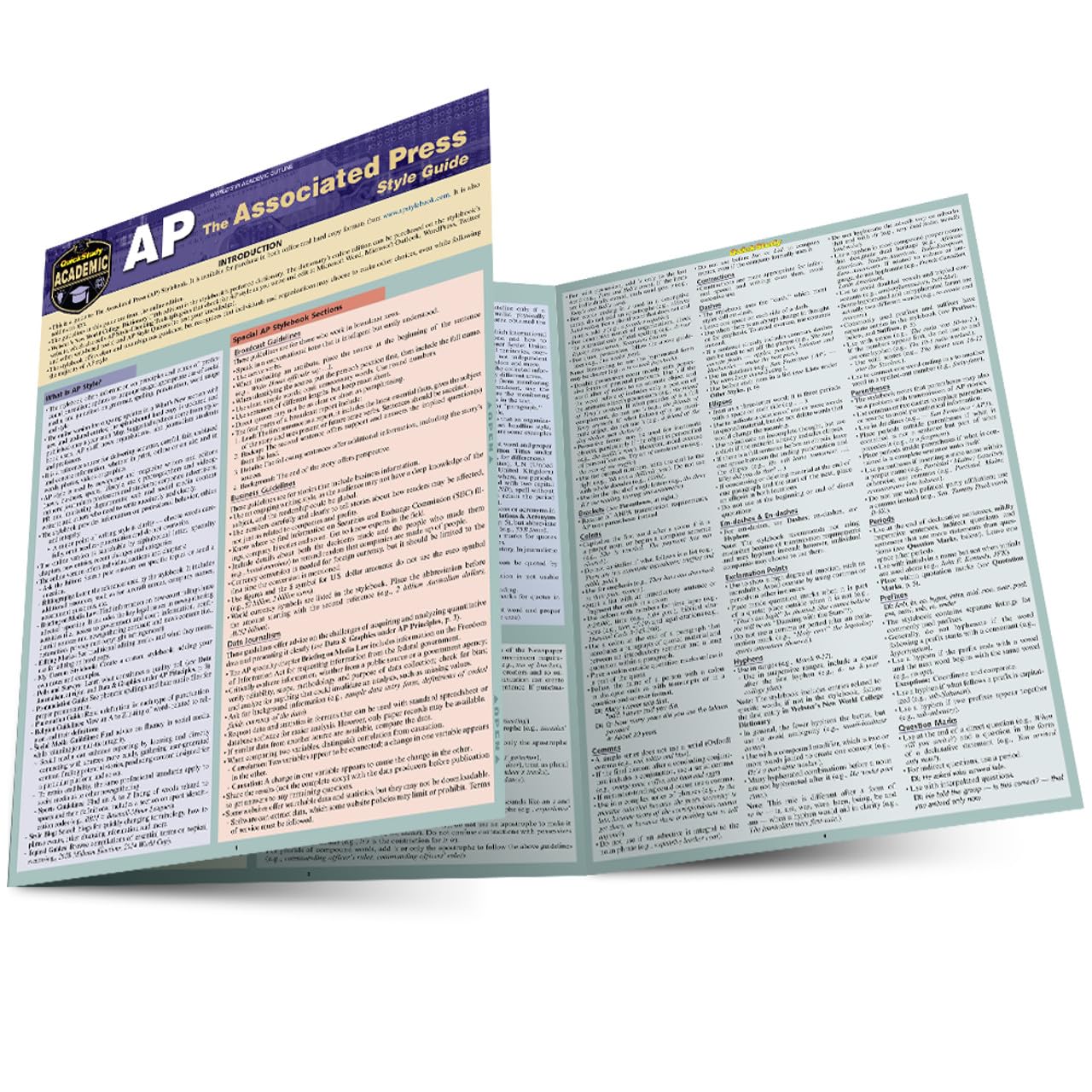
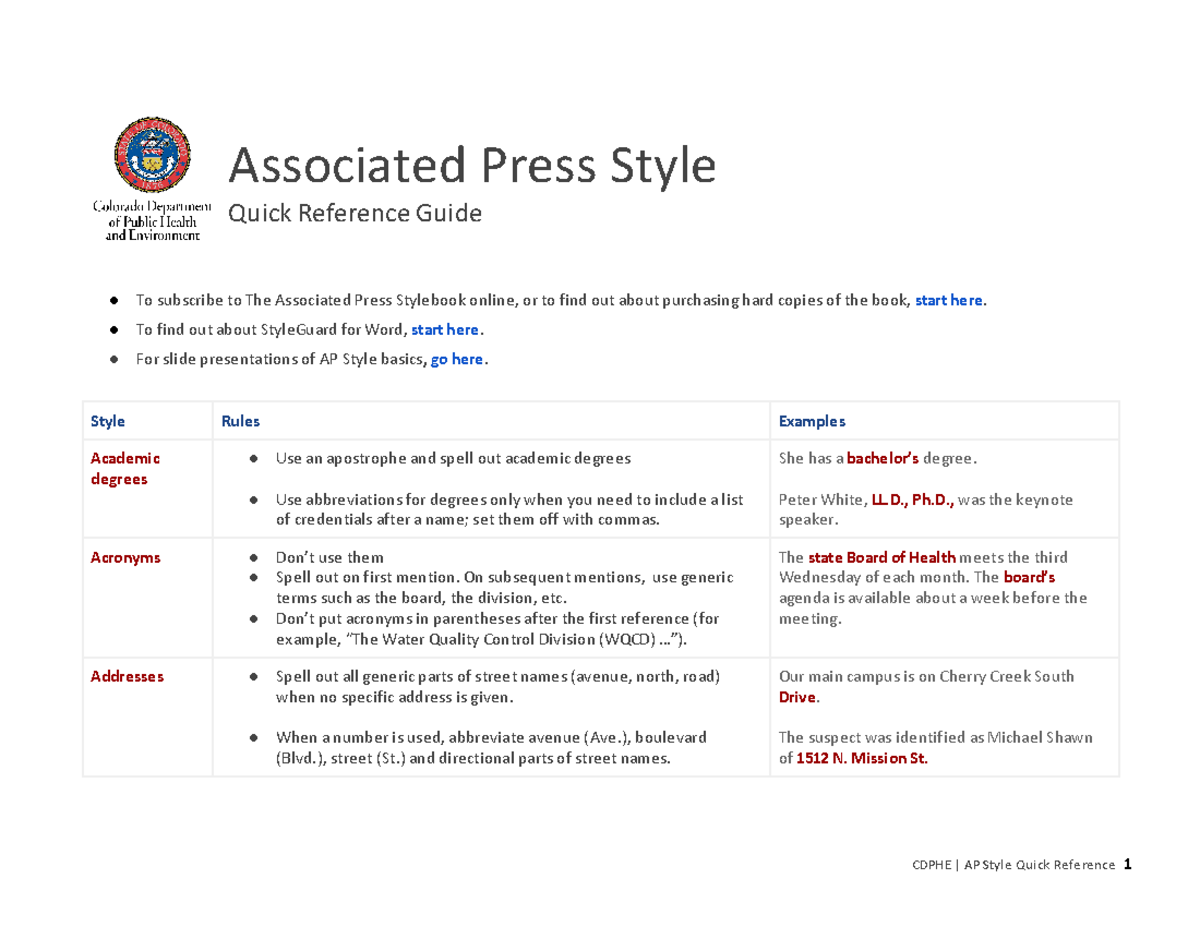
The Associated Press Stylebook is more than a grammar manual; it is a living document that defines the standard for professional, objective communication. In the media and corporate landscape, consistency is the bedrock of credibility. Whether you are drafting a press release, a white paper, or a news report, using AP style allows your audience to focus on your content rather than being distracted by inconsistent formatting.
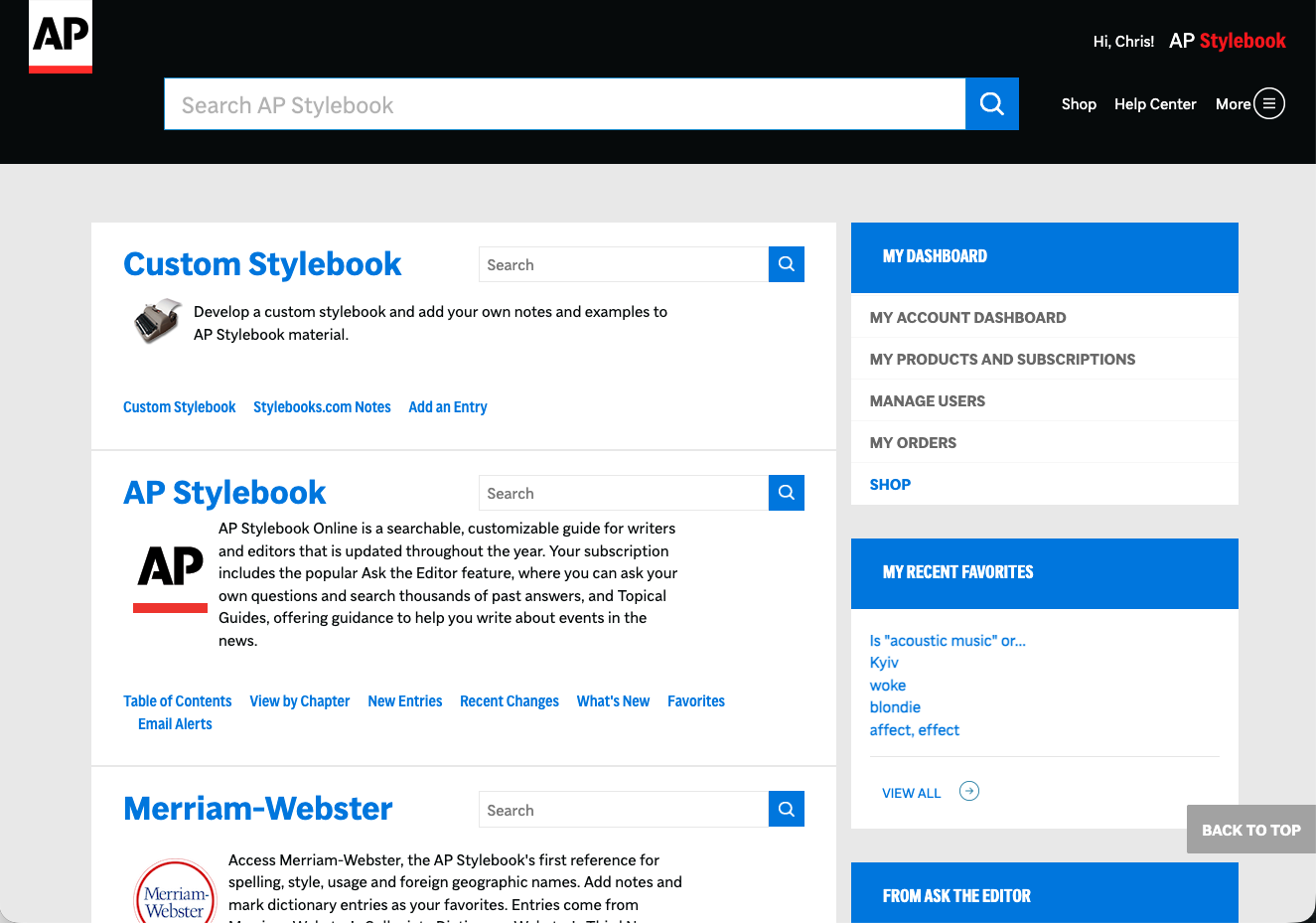
The guide is updated regularly to reflect shifts in language, social norms, and technological advancements. As of 2026, the digital version of the Stylebook is the most common interface, offering a robust search function and interactive features that allow users to bookmark entries and create custom style guides tailored to specific organizational needs.
Navigating the Digital Interface
If you are using the online subscription version, the effectiveness of your research relies on how you interact with the search and category features. Avoid treating the Stylebook like a dictionary where you only check a specific word. Instead, utilize the topical categories to understand the underlying logic of the entries.
Using the Search Engine Effectively
When searching for a term, the engine prioritizes exact matches. However, complex topics—such as "military titles" or "legal entities"—are often better found by searching for the category header or the primary noun. If a search yields no specific entry, look for the "General Guidelines" section, which outlines the core principles of the style, such as the preference for simplicity and the avoidance of unnecessary capitalization.
The Power of "Ask the Editor"
One of the most underutilized features of the professional subscription is the "Ask the Editor" column. If your organization encounters a naming convention or a technical term that is not explicitly covered in the current edition, you can submit a query. Accessing these archives provides insights into how the editors weigh evolving language, which can be invaluable when establishing house style for your company.
Core Rules for Effective Implementation
To use the guide consistently, you must familiarize yourself with the pillars of the style. Most professional writing errors stem from deviations in these foundational areas.
1. Numerical Expressions
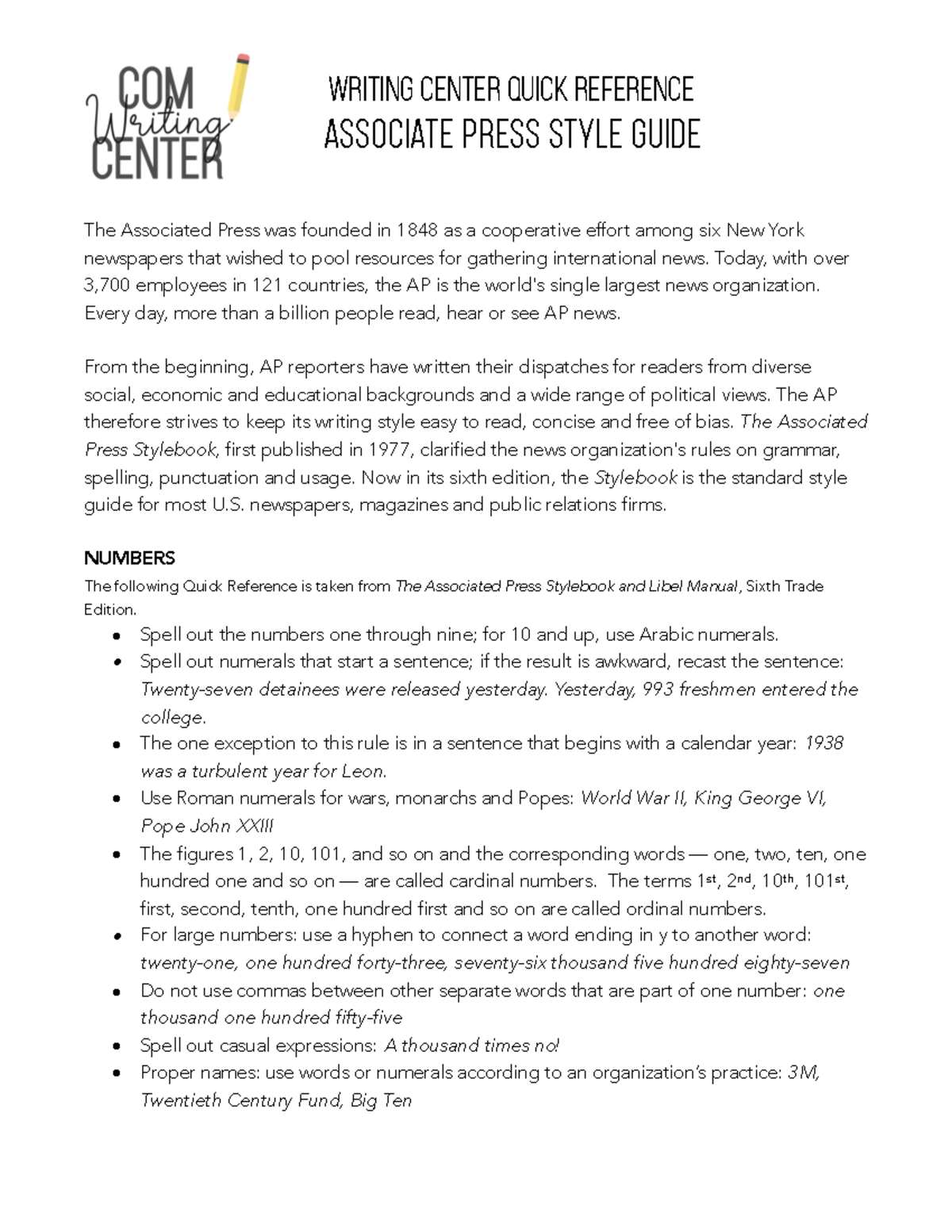
The general rule in AP style is to spell out numbers zero through nine and use figures for 10 and above. However, there are significant exceptions that often trip up writers:
- Ages: Always use figures (e.g., "a 5-year-old boy").
- Dimensions and Measurements: Always use figures (e.g., "the 6-foot-tall fence").
- Starting a Sentence: Never start a sentence with a numeral. If the number is significant, either spell it out or restructure the sentence.
2. Capitalization and Titles
AP style favors lowercase for job titles unless they are used immediately before a name as a formal title. For example, you would write "the president said," but "President Joe Biden said." Understanding the distinction between formal and occupational titles is critical for maintaining professional tone in corporate documents.
3. Punctuation Nuances
The most notable feature of AP style is the omission of the Oxford (serial) comma. You should only use a comma in a series before a conjunction if it is required for clarity (e.g., to distinguish between items in a complex list). This is a frequent point of friction for writers transitioning from academic styles like APA or MLA.
Integrating AP Style into Organizational Workflow
Using the guide effectively is not just an individual task; it is an organizational process. To maintain high standards, consider the following integration strategies:
- Establish a "House Style" Supplement: Create a brief internal document that lists the exceptions your organization makes to the AP Stylebook. For example, if your company insists on a specific way of formatting product version numbers that deviates from AP standards, document it clearly so all writers remain consistent.
- Automated Verification: Utilize browser-based plugins or writing software that can be configured to flag common AP style violations. While these tools do not replace the human eye, they serve as a first line of defense for basic numerical and punctuation rules.
- Quarterly Reviews: Designate a point person to review the annual updates from the AP Stylebook. Trends in language, such as the move toward gender-neutral terminology or updated geographic descriptors, change annually.
Comparison of Style Guide Objectives
It is essential to distinguish the AP Stylebook from other prominent writing standards to ensure you are selecting the correct guide for your specific project.
| Feature | AP Stylebook | Chicago Manual | APA Style |
|---|---|---|---|
| Primary Audience | Journalists, PR, Marketing | Publishers, Book Editors | Social Sciences, Academic |
| Punctuation | No Oxford Comma | Includes Oxford Comma | Includes Oxford Comma |
| Tone | Concise, fast-paced | Formal, descriptive | Analytical, structured |
| Focus | Objectivity, readability | Precision, citation | Research, methodology |
Common Mistakes and How to Avoid Them
Even experienced writers frequently fall into "habit traps" when applying the guide. Recognizing these can save hours of editorial time.
- Over-capitalization: Writers often capitalize words they feel are important, such as "Board of Directors" or "Departmental Policy." AP style dictates that these should generally be lowercase unless they are part of a proper title or a formal, specific entity name.
- Inconsistent Abbreviation: AP style is specific about which abbreviations are acceptable on first reference. For example, never use a state abbreviation in the body of a story without the city name preceding it. Always consult the "States" entry for the definitive list of state spellings and their appropriate usage.
- Date Formatting: Remember that months with five or more letters are abbreviated when used with a specific date (e.g., "Jan. 12," but "March 12"). This rule is frequently ignored by writers who rely on automated formatting from word processors.
Frequently Asked Questions
How do I decide if a word needs to be hyphenated? AP style uses hyphens to avoid ambiguity and to form compound modifiers. The primary rule is to hyphenate two or more words that act as a single adjective before a noun. However, do not hyphenate if the construction follows the noun. For example: "The well-known expert," but "The expert is well known."
What if the AP Stylebook contradicts my company's branding? Always prioritize your company's official brand guidelines for product names, taglines, and trademarks. AP style governs the surrounding prose, but it should not override your legal or registered branding requirements.
Should I use AP style for social media posts? While you can be more flexible on platforms with character limits, maintaining the core principles of AP style—especially regarding numbers and titles—reinforces your organization's professionalism. Use the guide to ensure that even in short-form content, your abbreviations and stylistic choices remain consistent.
Are there specific rules for inclusive language? Yes. The AP Stylebook provides extensive guidance on gender, race, and disability. Always refer to the most recent sections on "Disabilities" and "Race-related coverage" to ensure your writing is respectful and aligns with current professional standards.
Does the online subscription allow team access? The digital version of the AP Stylebook offers team accounts that permit administrators to push specific notes and customized rules to all team members, ensuring everyone is using the same version of your organization’s style guide.
Next Steps for Professional Implementation
To begin your mastery of the AP Stylebook, start by auditing your last five pieces of published content against the guide’s rules for numerical expressions and capitalization. Compile a list of the top three errors you consistently make. By focusing on these patterns, you will significantly reduce your editing time. If you represent an organization, schedule a training session where team members review the "General Guidelines" section together, ensuring that everyone shares a unified understanding of the house style and the importance of objective, clear communication.
Image Gallery