Google in the Netherlands: Infrastructure, Services, and Digital Impact Explained
Google operates in the Netherlands as a critical provider of cloud infrastructure, digital advertising, and consumer services. Its presence is anchored by massive data centers in Eemshaven and Middenmeer, a major commercial hub in Amst...
Google operates in the Netherlands as a critical provider of cloud infrastructure, digital advertising, and consumer services. Its presence is anchored by massive data centers in Eemshaven and Middenmeer, a major commercial hub in Amsterdam, and significant integration into the Dutch digital economy through specialized localized search algorithms and strict adherence to European Union and Dutch privacy regulations.
Contents
The relationship between Google and the Netherlands is multifaceted, spanning from large-scale physical infrastructure to the everyday digital habits of millions of Dutch citizens. As of 2026, Google remains the dominant search engine in the country, while its cloud division and hardware presence continue to expand. Understanding how Google operates within this specific European context requires looking at its physical footprint, its economic role, and the regulatory environment that shapes its Dutch operations.
Physical Infrastructure: The Backbone of Dutch Connectivity
The Netherlands serves as one of Google’s most vital hubs in Europe due to its robust power grid, proximity to subsea internet cables, and business-friendly climate. Google has invested billions of euros into Dutch infrastructure to support its global services and the local digital ecosystem.
Data Center Locations and Expansion
Google’s primary physical assets in the Netherlands are its hyperscale data centers. The facility in Eemshaven (Groningen), which opened in 2016, represents one of Google’s largest investments in Europe. By 2026, this site has seen multiple expansions to meet the growing demand for AI processing and cloud storage.
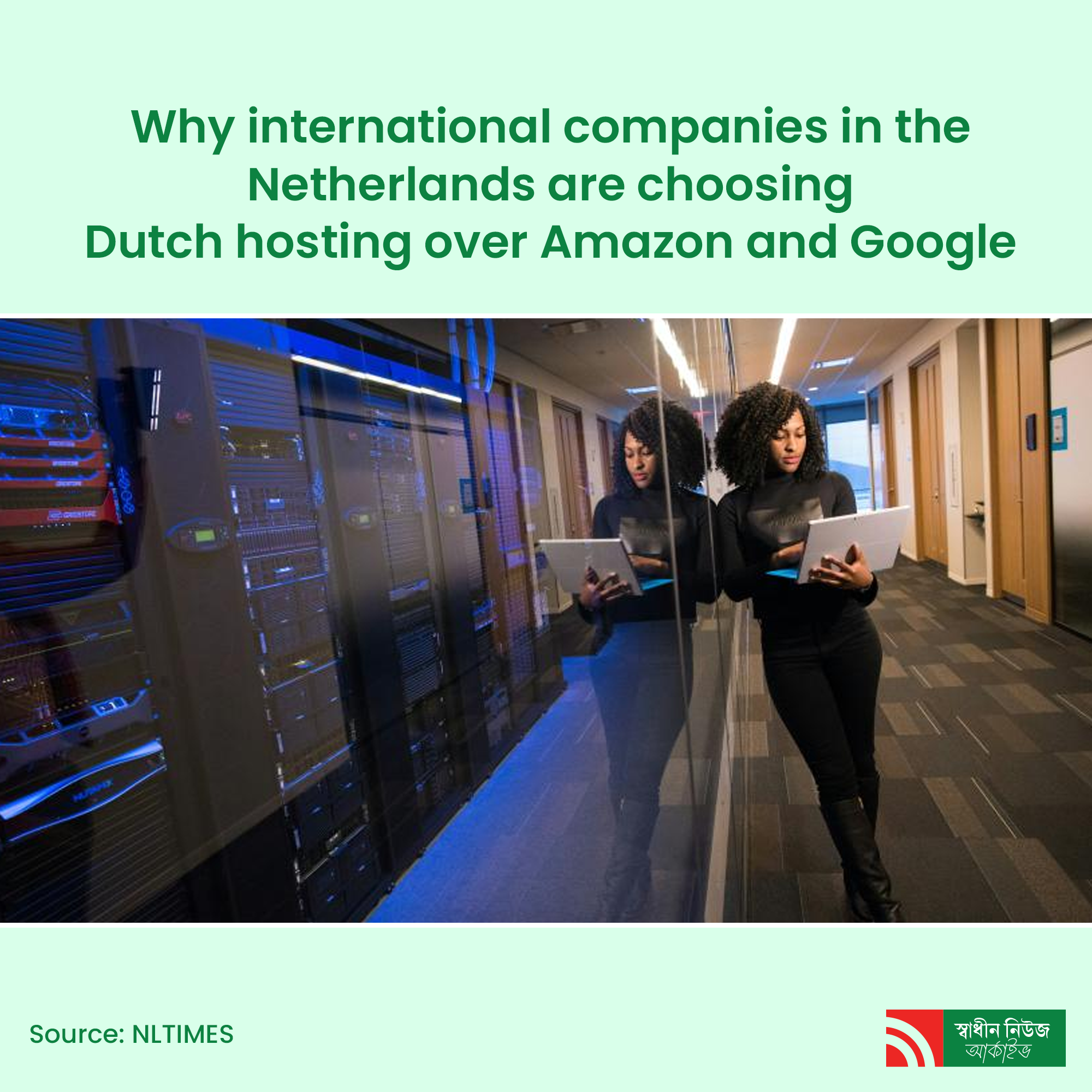
A second major site is located in Agriport (Middenmeer), in the province of North Holland. These facilities do not just serve Dutch users; they are part of a global network that ensures low latency for services like YouTube, Gmail, and Google Cloud across Northern Europe. The choice of these locations is strategic, leveraging the Netherlands' position as a "digital gateway" to Europe, alongside the AMS-IX (Amsterdam Internet Exchange), one of the world's largest internet exchange points.
Energy Consumption and Sustainability
A significant point of discussion regarding Google in the Netherlands is energy. Data centers require immense amounts of electricity and water for cooling. Google has addressed this by entering into several Power Purchase Agreements (PPAs) with Dutch wind and solar farms. In 2026, Google continues its commitment to operating on 24/7 carbon-free energy, meaning every hour of electricity used by Dutch data centers is matched by local renewable production. This is particularly relevant in the Netherlands, where land use and nitrogen emissions are sensitive political topics.
The Amsterdam Office: Sales, Marketing, and Engineering
While the data centers handle the "weight" of the internet, the commercial and strategic heart of Google Netherlands is located in Amsterdam. Specifically, Google occupies significant office space in the Zuidas business district and other parts of the city.
The Amsterdam office serves as the headquarters for Google Netherlands (Google Nederland BV). Its primary functions include:
- Google Ads Support: Helping Dutch SMEs and large enterprises navigate the digital advertising landscape.
- Engineering and Product Development: A portion of the workforce focuses on specialized engineering tasks, often related to Chrome or specific localized features for the European market.
- Cloud Consultancy: Assisting Dutch firms like ABN AMRO, Randstad, and Heineken in migrating their operations to Google Cloud Platform (GCP).
The office culture is quintessentially "Google," but it is heavily influenced by Dutch work-life balance and a direct communication style. It acts as a bridge between the global tech giant’s ambitions and the specific needs of the Dutch market.
Search and Localization: Google.nl
The search experience for a user in the Netherlands is distinct from that of a user in the US or even neighboring Germany. Google.nl is optimized for the Dutch language and local user intent.
Language Nuances and Compound Nouns
The Dutch language is known for its frequent use of long compound nouns (e.g., zorgverzekeringsstelsel or belastingaangifte). Google’s natural language processing (NLP) models, including the advanced Gemini-based architectures used in 2026, are specifically tuned to understand these structures. This ensures that when a user searches for a specific legal term or a niche Dutch product, the engine provides accurate, context-aware results rather than breaking the word into irrelevant components.
Local Search Ecosystem
Google Maps and Local Search are deeply integrated with Dutch infrastructure. This includes:
- Cycling Directions: The Netherlands has the most advanced bicycle routing in Google Maps, reflecting the country's unique transport habits.
- Public Transport Integration: Real-time data from NS (Dutch Railways) and regional carriers like GVB or RET are standard features.
- Payment Systems: Google Pay has seen widespread adoption in the Netherlands, especially following the migration of the Dutch banking system away from the "Maestro" standard toward Mastercard and Visa Debit systems.
Regulatory Landscape and Privacy
Operating in the Netherlands means Google must navigate the General Data Protection Regulation (GDPR), enforced locally by the Autoriteit Persoonsgegevens (AP), the Dutch Data Protection Authority.
The Dutch Data Protection Authority (AP)
The AP is known for being one of the more proactive regulators in Europe. Over the past several years, it has conducted numerous investigations into how Google handles student data in schools (via Google Workspace for Education) and how it processes location data. Google has had to make specific concessions for the Dutch market, such as providing clearer "opt-out" mechanisms for tracking and improving transparency regarding how data is used for ad profiling.
Government and Education Sector
The Dutch government has a complex relationship with Google. While many government agencies use Google services for efficiency, there are ongoing Data Protection Impact Assessments (DPIAs) to ensure that the use of Google Cloud or Workspace does not violate the privacy of Dutch citizens. In 2026, these frameworks are well-established, with Google providing a "sovereign cloud" option for government entities that require data to remain within specific jurisdictional boundaries.
Google Cloud in the Dutch Enterprise Market
The Netherlands is a highly digitized economy, making it a lucrative market for Google Cloud Platform (GCP). Dutch companies are often "cloud-first," and Google competes aggressively with Microsoft Azure and AWS for local market share.
| Service Category | Key Usage in the Netherlands | Major Dutch Clients |
|---|---|---|
| Data Analytics | Processing large-scale maritime and logistics data. | Port of Rotterdam |
| Retail Solutions | Personalized shopping experiences and inventory. | Bol.com / Ahold Delhaize |
| Financial Services | Risk assessment and secure transaction processing. | ABN AMRO / ING (Hybrid Cloud) |
| Sustainability | Tracking carbon footprints using Earth Engine. | Various AgTech startups |
Google Cloud’s presence is supported by "Region: europe-west4," which is the technical designation for the Dutch data center cluster. This ensures that data residency requirements—often a legal necessity for Dutch financial and healthcare institutions—are met by keeping data physically within the borders of the Netherlands.
Economic Impact and Training Programs
Google’s presence extends beyond its own payroll. The company claims a significant "halo effect" on the Dutch economy.
- Google for Startups: Google provides credits and mentorship to the thriving Dutch startup scenes in Amsterdam, Eindhoven, and Delft.
- Growth with Google (Groeien met Google): This is a localized training initiative that has provided digital skills training to hundreds of thousands of Dutch professionals and students. Topics range from basic coding to advanced AI implementation for small business owners.
- Indirect Employment: The construction and maintenance of data centers in Eemshaven and Middenmeer have created thousands of temporary and permanent jobs in regions that historically struggled with high unemployment.
Challenges and Controversies
It is not all seamless integration. Google faces ongoing scrutiny in the Netherlands regarding:
- Market Dominance: Like elsewhere, Dutch authorities monitor Google's dominance in search and advertising to ensure fair competition for local publishers.
- Taxation: The "Dutch Sandwich" tax structure, which was famously used by tech giants to route profits, has been largely dismantled by 2026 due to international tax reforms (OECD Pillar Two). Google now operates under a much stricter and more transparent tax regime in the Netherlands.
- Land and Resource Use: The expansion of data centers is a point of friction with local communities concerned about "horizon pollution" (the aesthetic impact of large buildings) and the massive amounts of drinking water sometimes used for cooling during heatwaves.
FAQs about Google in the Netherlands
Does Google have a Dutch customer service phone number?
Google generally does not provide direct phone support for free consumer services like Gmail or Search. However, for business users of Google Workspace or Google Ads, there is dedicated support available in Dutch through the Google Admin console or the Ads support portal. Most consumer help is handled through the automated Google Help Centers.
Are Google’s data centers in the Netherlands secure?
Yes, the facilities in Eemshaven and Middenmeer are high-security zones with multiple layers of physical protection, including biometric identification and 24/7 surveillance. They are also built with redundancy in mind, ensuring that even if one part of the facility loses power, the services remain online for the rest of the country.
How does "Right to be Forgotten" work in the Netherlands?
Under GDPR, Dutch citizens have the right to request the removal of search results that are "inadequate, irrelevant, or no longer relevant." If you are in the Netherlands, you can submit a request via Google’s legal help page. If Google denies the request, Dutch citizens can appeal to the Autoriteit Persoonsgegevens or a Dutch court.
Is Google Pixel hardware available in the Netherlands?
Yes, as of 2026, the Netherlands is a tier-one market for Google hardware. This means the latest Pixel phones, watches, and Nest home devices are sold directly through the Google Store NL and through major local retailers like MediaMarkt, Coolblue, and KPN.
Can I visit the Google office in Amsterdam?
The Google office in Amsterdam is a private workplace and is not open to the general public for tours. However, Google frequently hosts industry events, developer meetups, and educational workshops that can be attended with a prior invitation or registration.
Practical Recommendations for Users and Businesses
For those interacting with Google in a professional or personal capacity in the Netherlands, the following steps are recommended:
- For Businesses: Leverage the europe-west4 region for any cloud deployments to ensure the lowest latency and compliance with local data residency regulations.
- For Job Seekers: Monitor the Google Careers page specifically for Amsterdam and Eemshaven roles. The company frequently looks for bilingual talent (Dutch and English) for its sales and cloud support divisions.
- For Privacy-Conscious Users: Regularly perform a "Privacy Checkup" on your Google Account to manage what data is being collected, especially since Dutch privacy laws provide you with significant leverage to control your digital footprint.
Image Gallery