The Story of Daniel Neeleman and the Ballerina Farm Venture: An Analysis of Modern Lifestyle Entrepreneurship
The story of Daniel Neeleman and the Ballerina Farm venture centers on the intersection of modern digital content creation, traditional agricultural labor, and the high-profile lifestyle brand curated by Hannah Neeleman. By leveraging...
The story of Daniel Neeleman and the Ballerina Farm venture centers on the intersection of modern digital content creation, traditional agricultural labor, and the high-profile lifestyle brand curated by Hannah Neeleman. By leveraging social media platforms to document a back-to-the-land transition, the family has created a significant cultural touchpoint regarding domesticity, entrepreneurship, and agricultural aesthetics in the 2020s.
Contents
The Origins of Ballerina Farm
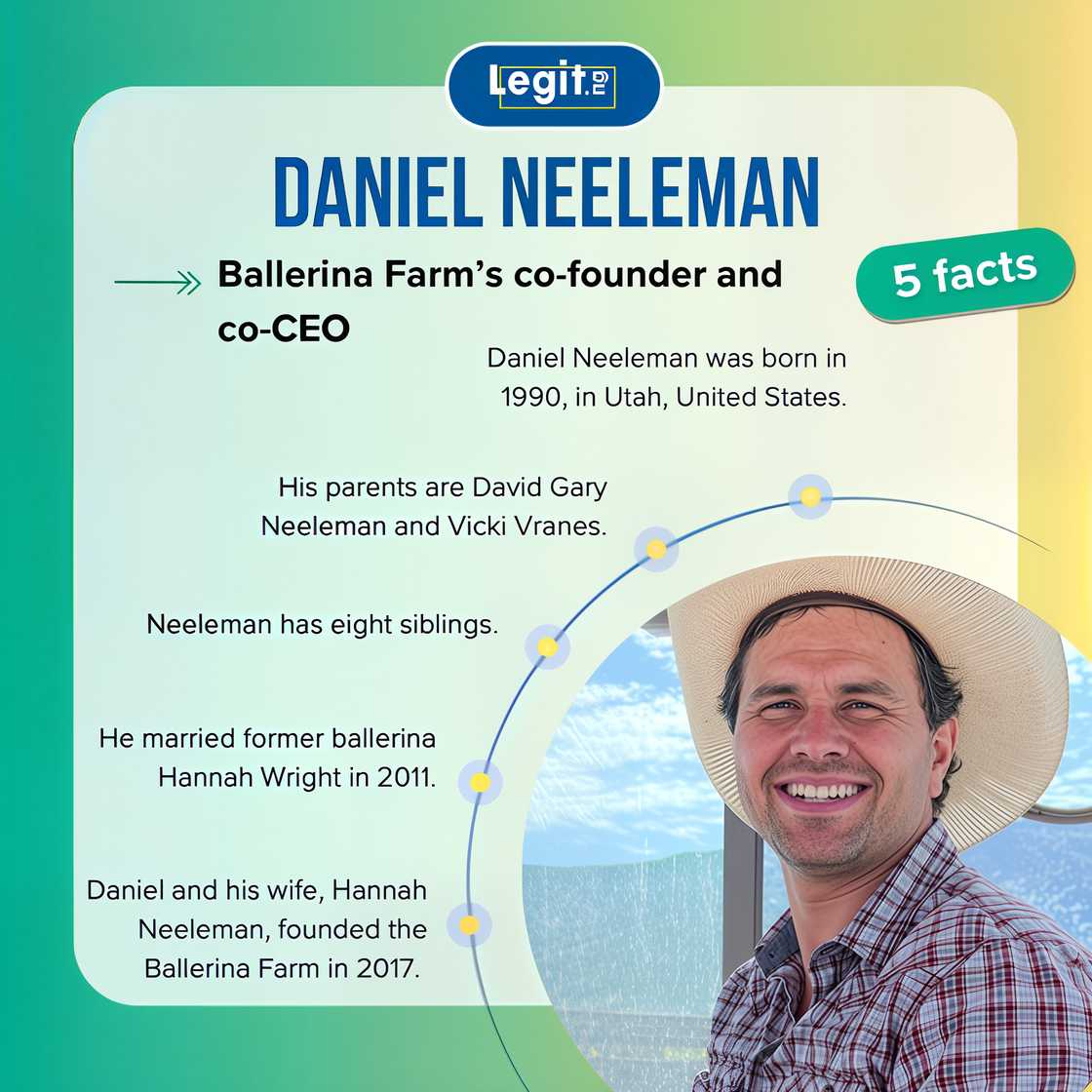
The Ballerina Farm phenomenon began as a shift in lifestyle for Hannah and Daniel Neeleman. Hannah, a former professional ballerina, and Daniel, who grew up in a prominent business family, opted to leave urban life to establish a working farm in rural Utah. The venture was framed around the desire to reconnect with food production, sustainable living, and the raising of their children in an environment dedicated to manual labor and traditional values.
As a brand, Ballerina Farm functions as a direct-to-consumer e-commerce entity. It focuses on the sale of heritage-breed pork, grass-fed beef, and kitchen goods. The business model relies heavily on the "homesteading" narrative, which has seen a resurgence in popularity across social media platforms. By documenting the daily realities—both the challenges and the successes—of farm life, the Neelemans cultivated a massive audience that engages with their products not merely as food items but as extensions of a specific, intentional lifestyle.
The Role of Daniel Neeleman in the Business Infrastructure
While the visual brand of Ballerina Farm is heavily centered on Hannah’s daily activities and her background as a dancer, Daniel Neeleman’s role as a strategic partner and co-founder is fundamental to the operation’s scale. His background provided the initial capital and logistical framework necessary to transition from a small-scale family project to a professionalized, high-growth venture.
Daniel’s involvement highlights a shift in how modern agricultural businesses are marketed. Unlike traditional farming entities that rely on wholesale distribution or regional markets, the Ballerina Farm venture utilizes digital content as its primary marketing channel. This model requires a sophisticated understanding of platform algorithms, supply chain logistics, and branding. The "story" of their life serves as the vehicle for brand loyalty, effectively eliminating traditional middle-market advertising costs by building a community that views the founders as personal icons.
Operational Scope and Direct-to-Consumer Logistics
The logistics of Ballerina Farm represent a complex integration of traditional animal husbandry and modern e-commerce technology. Managing a ranch while maintaining a digital storefront requires a dual-track operational strategy.
Essential Components of the Ballerina Farm Business Model
| Component | Function | Strategic Importance |
|---|---|---|
| Content Production | Filming daily farm life | Builds trust and brand identity |
| Direct Sales | Selling beef and pork online | Higher margins than wholesale |
| Supply Chain | Raising heritage breeds | Provides a premium product differentiator |
| Platform Algorithms | Leveraging social trends | Ensures organic growth and visibility |
The business must navigate the complexities of cold-chain logistics—ensuring that meat products remain at safe temperatures from the processing facility to the customer’s doorstep. This requires significant investment in shipping infrastructure, including specialized packaging and reliable courier partnerships. Furthermore, the reliance on social media means that any shift in platform policy or algorithm visibility directly impacts the lead flow for their store, making digital presence a core operational risk and asset.
Cultural Impacts and Audience Reception
The public discourse surrounding Ballerina Farm often focuses on the dichotomy between the "aesthetic" of homesteading and the labor-intensive reality of farming. Critics and supporters alike often debate the "trad-wife" label sometimes applied to Hannah Neeleman’s content. The brand occupies a space where modern feminist questions regarding career and domestic roles collide with a conservative, agrarian lifestyle ideal.
For the audience, the appeal is rooted in the perceived authenticity of the work. Despite the polished nature of the videography, the fundamental task remains the same: the stewardship of land and livestock. This creates a powerful connection for viewers who may feel alienated by modern urban life, leading to high conversion rates for their subscription boxes and specialty goods.
Financial and Ethical Considerations in Modern Homesteading
Operating a commercial farm in the 21st century requires navigating a complex web of environmental regulations, labor laws, and ethical standards. Prospective entrepreneurs looking at the Ballerina Farm model must understand that the "lifestyle" aspect is supported by significant underlying business costs.
- Capital Requirements: Establishing a working ranch involves substantial land acquisition, equipment procurement, and livestock maintenance costs.
- Regulatory Compliance: Any business processing meat for interstate commerce must adhere to strict USDA (United States Department of Agriculture) standards, which include rigorous facility inspections.
- Digital Scaling: The cost of maintaining a high-quality digital storefront, customer service department, and logistics team is often underestimated by those focusing solely on the "farm" aspect of the brand.
It is critical to note that while the content appears spontaneous, the professionalization of such a venture requires a team-based approach to content editing, inventory management, and digital marketing.
Risks and Challenges of the Public Brand
The most significant risk for the Ballerina Farm venture is the vulnerability inherent in being a public-facing brand. When a company’s valuation and identity are tied to the daily life of its founders, the business remains sensitive to public perception. Any deviation from the projected image or external criticism of their lifestyle can impact brand sentiment.
Furthermore, the environmental impact of large-scale shipping of perishable goods is a point of ongoing debate in the sustainable agriculture community. While the Neelemans promote heritage breeds and rotational grazing—practices often associated with better environmental outcomes than industrial feedlots—the carbon footprint associated with direct-to-consumer individual parcel shipping remains an inherent challenge for the business model.
Frequently Asked Questions
What is the core business of Ballerina Farm? Ballerina Farm is primarily a direct-to-consumer e-commerce brand specializing in heritage-breed pork, grass-fed beef, and kitchenware, supported by a content-led marketing strategy.
How does Daniel Neeleman contribute to the venture? Daniel Neeleman provides the entrepreneurial and operational backbone of the company, focusing on the logistics, business scaling, and strategic management required to move the brand from a lifestyle project to a commercial enterprise.
Is the Ballerina Farm model sustainable? From a business standpoint, the model is highly effective due to high customer lifetime value and brand loyalty. From an agricultural standpoint, it relies on regenerative farming practices; however, the long-term sustainability is subject to the same market fluctuations and climate challenges as any other agricultural entity.
Why is there so much interest in their story? The interest stems from the "aspirational lifestyle" narrative. Viewers are drawn to the aesthetic depiction of self-sufficiency, which contrasts with the complexities of modern digital life, creating a unique intersection of celebrity and agriculture.
What are the primary hurdles for starting a similar business? The main hurdles include securing significant initial capital for land and livestock, navigating complex food safety and shipping regulations, and the constant demand for high-quality content production to maintain audience engagement.
Next Actions for Interested Entrepreneurs
For those interested in the nexus of agriculture and digital branding, the key takeaway is that the Ballerina Farm venture is a hybrid model. It is not just a farm; it is a media company that happens to produce food.
If you are looking to replicate or analyze this model, begin by assessing the regulatory landscape for your specific product and state. Research the costs associated with cold-chain shipping, as these will likely be your largest variable expense. Finally, understand that the "content" is not an accessory to the business—it is the core engine. Without a narrative that resonates with a specific audience, the logistical costs of direct-to-consumer shipping are rarely sustainable. Focus on your niche, establish your brand voice, and ensure that your operational infrastructure can scale before accelerating your digital marketing efforts.
Image Gallery