Walmart All Over the World: Understanding the Global Presence and Strategy of the World's Largest Retailer
Walmart operates a massive international footprint spanning multiple continents, adapting its domestic big-box model through localized acquisitions, minority stakes, and e-commerce platforms tailored to distinct consumer behaviors. Whi...
Walmart operates a massive international footprint spanning multiple continents, adapting its domestic big-box model through localized acquisitions, minority stakes, and e-commerce platforms tailored to distinct consumer behaviors. While the company is famously rooted in the United States, its global operations—managed primarily through Walmart International—represent a vital component of its overarching business model, regulatory navigation, and supply chain strategy.
Contents
The Evolution of Walmart International
The global trajectory of Walmart began with a measured approach to geographic expansion, starting with Walmart Mexico in 1991 through a joint venture with Cifra. This initial step proved that the everyday low price (EDLP) model could cross borders, provided it respected local supply chains and consumer preferences. Throughout the late 1990s and 2000s, Walmart pursued an aggressive acquisition strategy, entering markets such as Canada, the United Kingdom, China, South America, and Central America.
However, managing retail operations across vastly different cultural, economic, and regulatory landscapes presented significant operational hurdles. Early international strategies often assumed that American-style sprawling hypermarkets would universally appeal to shoppers worldwide. In densely populated urban centers or regions with established traditional retail networks, massive suburban supercenters frequently struggled with zoning laws, real estate acquisition costs, and supply chain logistics.
Consequently, Walmart's international strategy shifted from direct, majority-owned expansion to focused optimization. The company began divesting from underperforming or structurally mismatched markets—such as exiting Germany and South Korea in 2006, selling its UK subsidiary Asda, and reducing its majority stake in major businesses like Walmart Brazil (subsequently renamed Grupo Big, later acquired by Carrefour Brasil). Instead, Walmart concentrated resources on high-growth regions where it could achieve market leadership through omnichannel integration, digital marketplaces, and strategic local partnerships.
Current Geographic Footprint and Operating Segments
Walmart International operates in multiple countries outside the United States, maintaining market presence through wholly-owned subsidiaries, majority-owned enterprises, and significant minority investments. The operational structure relies heavily on local management teams who understand regional supply chains, consumer credit behaviors, and regulatory frameworks.
Walmart Mexico and Central America (Walmex)
Walmex represents one of Walmart International’s most successful and expansive operations. Operating in Mexico, Costa Rica, Guatemala, Honduras, Nicaragua, and El Salvador, Walmex functions as a publicly traded subsidiary where Walmart retains a majority ownership stake. The format mix here is highly diversified, ranging from Bodega Aurrera discount stores and Sam's Club wholesale clubs to traditional Walmart supercenters and Walmart Express supermarkets. This multi-format approach allows the company to capture market share across different socio-economic strata in Latin America.
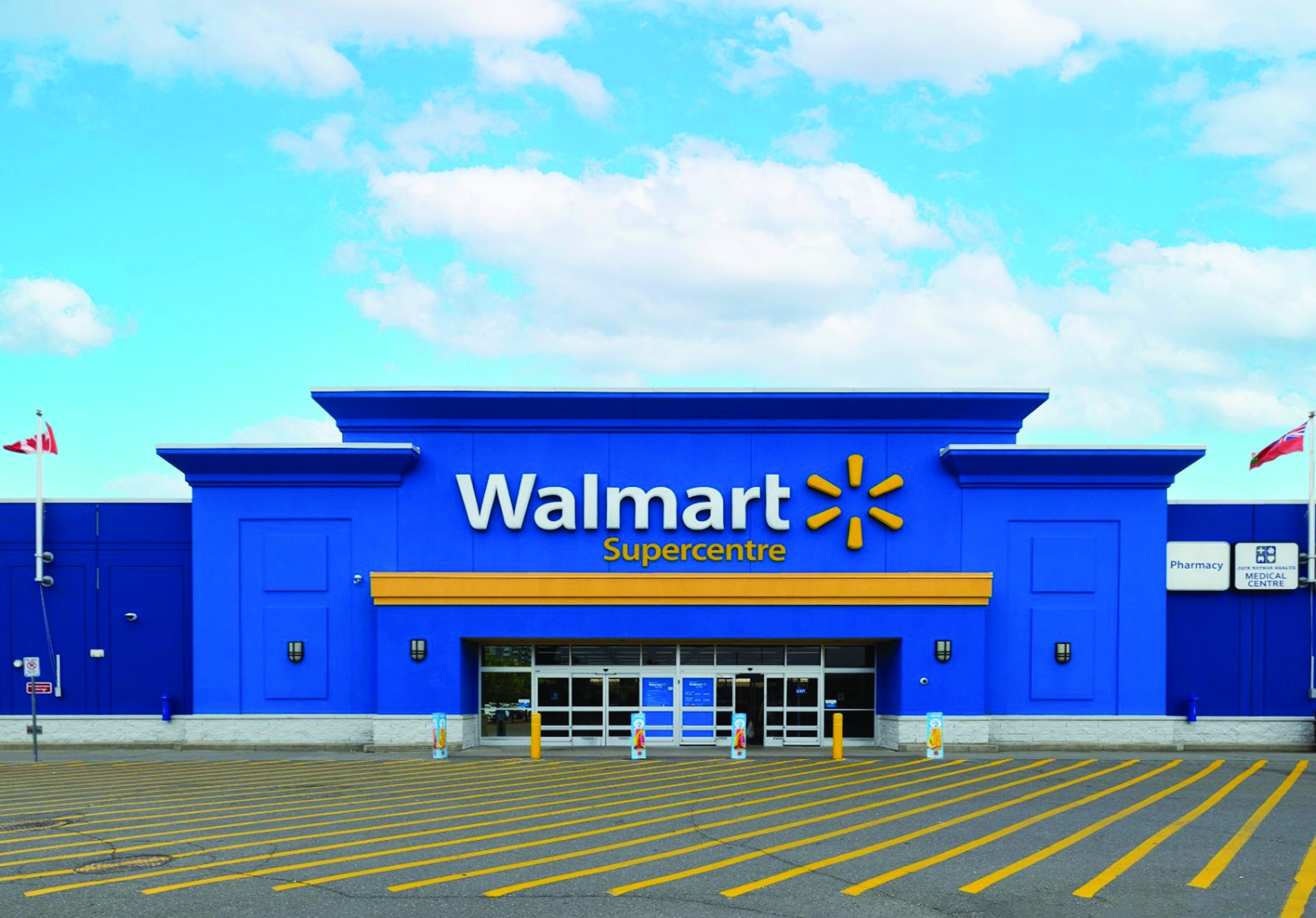
Walmart Canada
Walmart Canada operates over 400 stores nationwide and serves as a major pillar of the international portfolio. Entering the Canadian market in 1994 with the acquisition of Woolco stores, Walmart Canada integrated its supply chain and distribution network closely with its U.S. operations due to geographic proximity. The product assortment is heavily tailored to Canadian regulatory standards, bilingual packaging requirements, and regional consumer preferences, featuring both supercenters and discount stores alongside a robust e-commerce platform.
Walmart Chile and Flipkart in India
In other key regions, Walmart employs strategic investments and e-commerce vehicles to maintain a global presence without heavy physical footprints everywhere. In Chile, Walmart Chile operates prominent supermarket chains like Líder, a brand deeply embedded in local retail culture. In India, rather than traditional brick-and-mortar retail—which faces strict foreign direct investment regulations regarding multi-brand retail—Walmart secured a majority stake in Flipkart, one of India's leading e-commerce marketplaces, alongside a significant investment in PhonePe, a major digital payments platform.
Strategic Approaches to International Retail
Expanding retail operations globally requires balancing centralized corporate governance with localized execution. Walmart’s international strategy relies on several distinct operational pillars designed to mitigate cross-border friction.
Localization vs. Standardization
A central challenge for multinational retailers is deciding whether to enforce a standardized global brand or adapt locally. Walmart learned through costly trial and error that American consumer habits do not automatically translate abroad. For example, in China, early Walmart stores featured wide aisles and towering shelves typical of U.S. supercenters, but local shoppers preferred picking live seafood from tanks and purchasing smaller, frequent quantities of fresh produce. Walmart restructured its Chinese hypermarkets to feature extensive wet markets inside the stores, hired local buying teams, and eventually embraced digital ecosystems like JD.com to bridge the gap between physical retail and online delivery.
Omnichannel Integration and Digital Partnerships
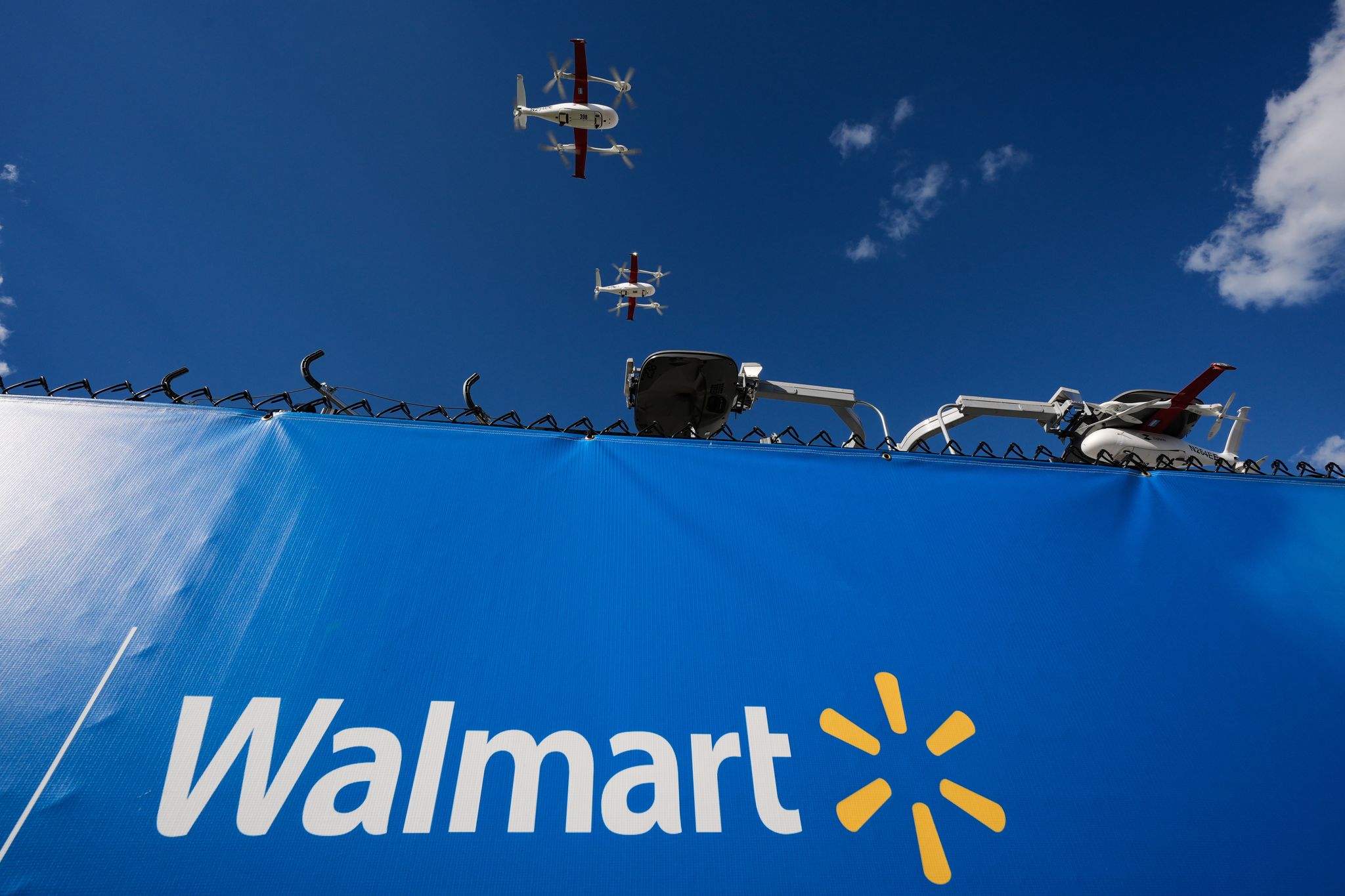
Rather than relying purely on physical square footage, Walmart International increasingly leverages digital platforms to scale its reach. In markets like Mexico and Canada, omnichannel capabilities allow customers to utilize curbside pickup, home delivery, and mobile applications. By acquiring stakes in native digital giants like Flipkart in India, Walmart gains immediate access to established logistics networks, technological infrastructure, and millions of active digital consumers without the capital expenditure of building physical retail infrastructure from scratch.
Supply Chain Resilience and Sourcing
Global sourcing is a cornerstone of Walmart's value proposition. The company utilizes international procurement offices to source goods directly from manufacturers worldwide, feeding both its domestic U.S. operations and its international subsidiaries. However, geopolitical shifts, trade tariffs, supply chain bottlenecks, and environmental regulations have forced Walmart to diversify its manufacturing hubs. Operations in countries like India, Vietnam, and Mexico play an increasingly critical role in nearshoring and diversifying supply chains away from single-country dependencies.
Key International Markets Comparison
To understand the scope and operational diversity of Walmart’s global footprint, the following table outlines key operating regions, formats, and strategic vehicles used by the company.
| Region / Subsidiary | Primary Formats | Strategic Approach | Key Operational Focus |
|---|---|---|---|
| Walmart Canada | Supercenters, Discount Stores | Wholly-owned subsidiary | Omnichannel delivery, supply chain integration with U.S. |
| Walmex (Mexico & Central America) | Supercenters, Bodega Aurrera, Sam's Club, Walmart Express | Majority-owned publicly traded subsidiary | Multi-format penetration, localized private label growth |
| Walmart Chile | Supercenters, Líder Supermarkets | Wholly-owned subsidiary | Deep integration into local grocery and discount retail |
| Flipkart (India) | E-commerce Marketplace | Majority investment | Digital-first retail scale, logistics tech, and fintech integration |
Challenges and Operational Risks of Global Retail
Operating a retail empire across international borders exposes a corporation to complex macroeconomic, political, and financial risks. Understanding these variables explains why Walmart periodically restructures or exits certain international territories.
Regulatory and Compliance Scrutiny
Multinational corporations must navigate diverse legal frameworks, labor laws, tax codes, and anti-corruption regulations, such as the U.S. Foreign Corrupt Practices Act (FCPA). Compliance costs are substantial, and regulatory non-compliance in foreign jurisdictions can result in severe financial penalties and reputational damage. Additionally, foreign direct investment laws in developing economies frequently restrict foreign ownership percentages in retail, necessitating complex joint-venture agreements or minority stakes.
Currency Fluctuations and Economic Volatility
Because Walmart reports its financial statements in U.S. dollars, international revenues are subject to foreign exchange rate volatility. Inflationary pressures, currency devaluations in emerging markets, and shifting central bank interest rates can significantly impact the reported profitability of international segments, even when local currency sales remain robust.
Intense Local and Global Competition
Walmart competes against formidable regional and global rivals in every international market it enters. In Canada and Latin America, established local supermarket chains and hard discounters—such as Loblaw, Metro, and various local operators—possess deep consumer loyalty and entrenched supply chains. In the digital arena, competitors ranging from Amazon to hyper-local quick-commerce apps challenge Walmart's e-commerce margins and delivery speeds.
Frequently Asked Questions
Does Walmart have stores in Europe?
Walmart does not currently operate retail stores in Europe. The company previously operated Asda in the United Kingdom and entered the German market in the late 1990s. However, Walmart struggled to achieve profitability due to intense domestic discount competition, regulatory restrictions on pricing, and cultural mismatches. Walmart sold its German operations in 2006 and divested its majority stake in Asda in 2021, though Asda continues to source goods through a retail partnership with Walmart.
How does Walmart operate in countries where it has no physical stores?
In countries like India, where foreign direct investment regulations limit traditional multi-market physical retail for foreign entities, Walmart operates through strategic investments in e-commerce and digital infrastructure. By taking a majority stake in platforms like Flipkart and investing in digital payment ecosystems, Walmart participates in high-growth retail economies without owning physical storefronts.
Are prices and product selections the same internationally as in the U.S.?
No. Product assortments and pricing strategies are heavily localized to match regional consumer preferences, dietary habits, cultural norms, and local regulatory requirements. While the underlying supply chain philosophy remains focused on value, local buying teams curate merchandise specifically tailored to the purchasing power and lifestyle of shoppers in each country.
Why did Walmart sell off several of its international divisions?
Walmart’s divestitures—such as exiting Brazil, the UK, Germany, and parts of Asia—stemmed from a strategic pivot toward markets where the company could achieve dominant market scale, high growth, and strong returns on investment. Rather than maintaining low-margin or unprofitable operations requiring intensive capital, Walmart redirected those resources toward omnichannel development, digital acceleration, and core high-performing markets like Mexico and Canada.
Is Walmart considered a global company or a U.S. company with international branches?
Walmart is a multinational corporation headquartered in Bentonville, Arkansas, United States. While its domestic U.S. operations generate the vast majority of its total annual revenue, Walmart International functions as a major global business segment with multi-billion-dollar revenues, tens of thousands of employees, and thousands of retail units operating outside the United States.
Strategic Outlook and Future Direction
Walmart's international strategy has matured from an ambitious blueprint of rapid physical expansion into a disciplined, technology-driven portfolio management approach. By prioritizing digital marketplaces, nearshored supply chains, and localized retail formats, Walmart maintains a resilient global presence. The company's ability to balance centralized operational efficiencies with regional consumer adaptability remains the defining characteristic of its international footprint in 2026 and beyond.
Image Gallery