Remembering the Faithless Singer: The Enduring Legacy of Maxi Jazz
Maxi Jazz, the iconic voice and frontman of the British electronic dance music group Faithless, passed away on December 23, 2022, leaving behind a profound legacy that reshaped the landscape of late 20th-century dance music. As a poet,...
Maxi Jazz, the iconic voice and frontman of the British electronic dance music group Faithless, passed away on December 23, 2022, leaving behind a profound legacy that reshaped the landscape of late 20th-century dance music. As a poet, musician, and spiritual figurehead, his influence transcended the boundaries of the genre, turning tracks like "Insomnia" and "God is a DJ" into global cultural touchstones that remain vital in 2026.
Contents
The Man Behind the Voice: Early Life and Musical Roots
Born Maxwell Fraser on June 14, 1957, in Brixton, London, Maxi Jazz grew up deeply influenced by his Caribbean heritage and the burgeoning sounds of the city’s sound system culture. Before he became the face of a stadium-filling electronic act, he was deeply entrenched in the reggae and hip-hop scenes. His journey to global stardom began with the formation of the Soul Food Cafe System, a collective that allowed him to experiment with the blend of spoken word, rap, and soulful lyricism that would eventually define the Faithless sound.
This foundation was critical to his identity. Unlike many electronic music vocalists who were treated as session performers, Maxi Jazz was a songwriter of considerable depth. His delivery was characterized by a meditative, almost rhythmic cadence that provided a human anchor to the intense, propulsive electronic production of bandmates Rollo Armstrong and Sister Bliss. He did not simply sing over a beat; he narrated the ecstasy and the exhaustion of the dance floor, effectively bridging the gap between the underground club scene and mainstream chart success.
Faithless: Redefining the Electronic Landscape
Faithless emerged in 1995, during a period when electronic music was moving from the fringes of rave culture into the spotlight of global consciousness. Their debut album, Reverence, established a blueprint for what a dance act could achieve. At the heart of this success was the 1996 hit "Insomnia," a song that captured the specific, frantic energy of 1990s club life.
Core Contributions to the Faithless Identity
The group’s success was not accidental; it was a result of a highly technical and aesthetic synergy:
- The Vocal Narrative: Maxi Jazz utilized his background as a DJ and rapper to create lyrics that were often introspective and socially conscious, contrasting sharply with the upbeat, hedonistic lyrics typical of 90s dance music.
- Production Sophistication: Working with Sister Bliss and Rollo, the group layered complex textures, orchestral arrangements, and driving trance beats, elevating electronic music into an "album-oriented" experience rather than just a collection of singles.
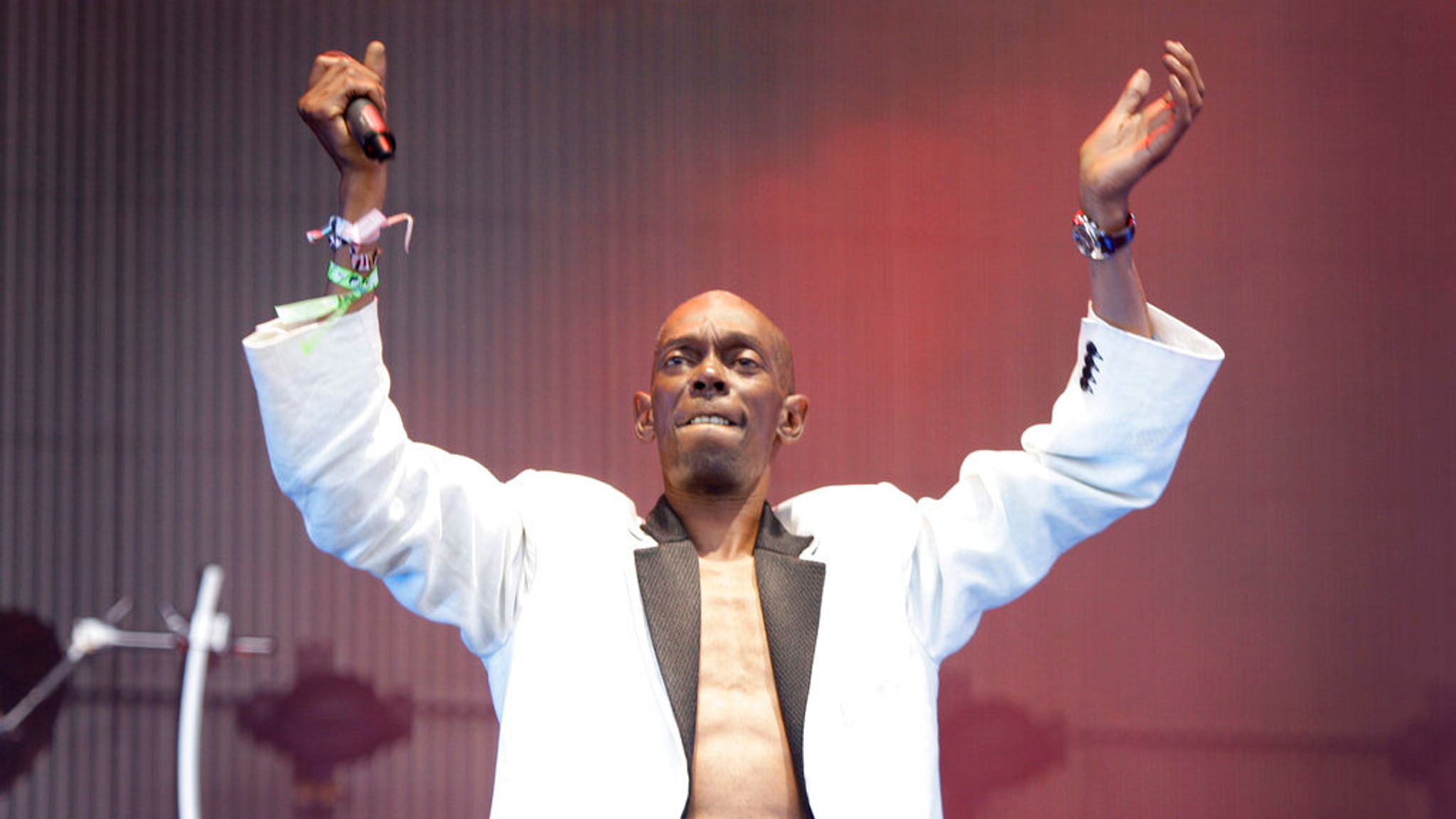
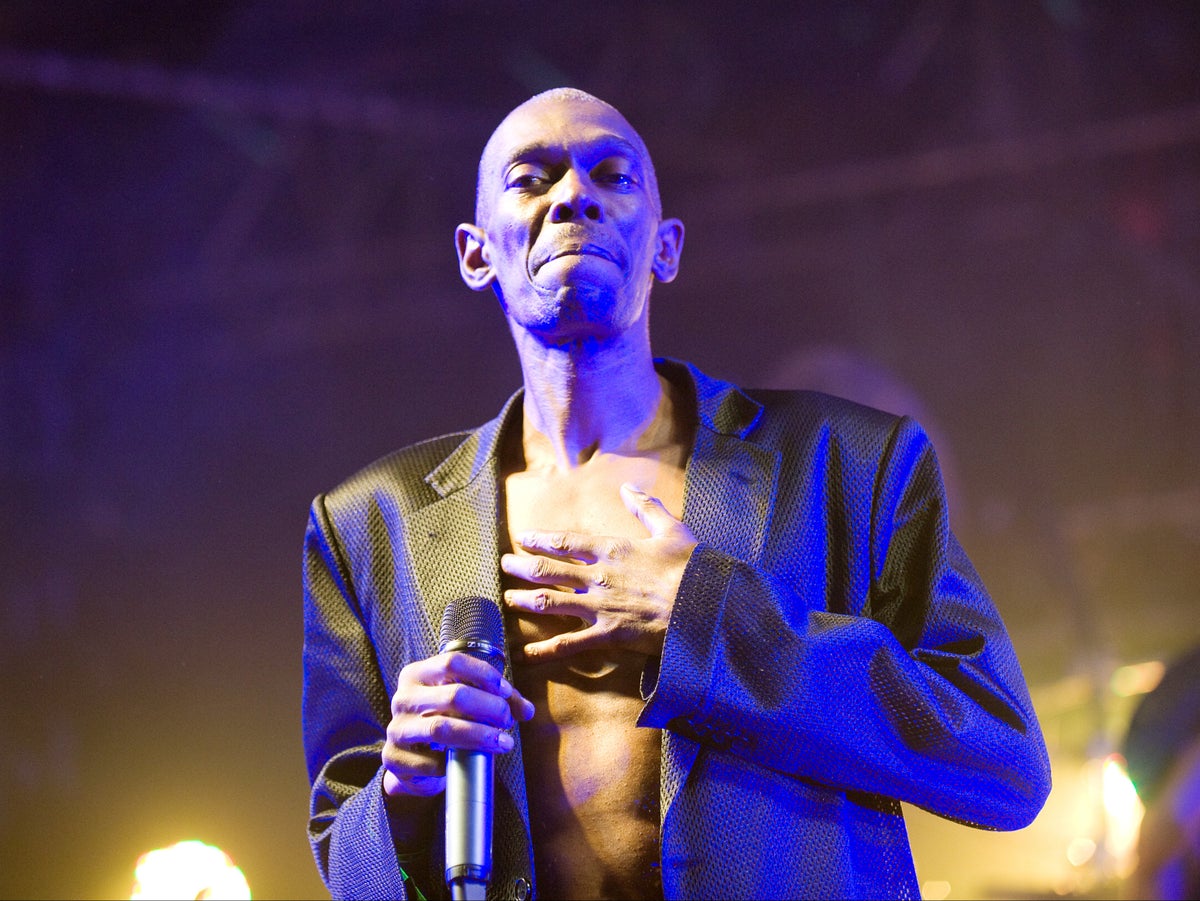
- Live Performance Energy: Faithless was one of the few dance acts that could perform live in a way that mimicked the intensity of a rock band, largely due to Maxi Jazz’s charismatic presence and ability to command arena-sized crowds.
The Philosophical Weight of a Dance Anthem
Maxi Jazz was often described as a "Buddhist rapper" or a spiritual figure. His lyrics were not merely filler for a 128-BPM beat; they often contained questions about existence, morality, and the purpose of music itself. When he famously recited, "I want to be a gift to you," in his live performances, it highlighted his philosophy that the artist’s role was to serve the audience.
This perspective elevated the role of the dance floor. To Maxi Jazz, a concert was not just an entertainment venue; it was a space for communal connection. This specific, intentional approach is why, in 2026, the music of Faithless continues to resonate with new generations who discover these tracks through modern digital archives and festival circuit revivals.
Comparative Impact: Then vs. Now
To understand the scope of his influence, one must view his output in the context of the evolving electronic music industry.
| Aspect | 1990s/2000s Context | 2026 Perspective |
|---|---|---|
| Distribution | Physical CDs and Vinyl focus | Streaming and algorithmic discovery |
| Performance | Rave and stadium tours | Immersive AV and festival residencies |
| Artistic Role | Studio-bound producer focus | Frontman as brand and orator |
| Genre Status | Counter-culture / Emerging | Core pillar of global pop culture |
The transition from physical media to streaming has allowed "God is a DJ" and "We Come 1" to remain in high rotation. The modern listener does not experience these tracks as relics of a bygone rave era but as timeless compositions that hold up against contemporary production standards.
The Influence on Modern Electronic Music
Maxi Jazz proved that electronic music could carry emotional weight without sacrificing danceability. His legacy is found in the current generation of artists who blend spoken-word poetry with heavy, atmospheric electronic beats. He broke the archetype of the "faceless" DJ-led track, proving that a band-centric model—where the vocalist acts as the emotional conduit—could reach millions.
His death in 2022 prompted a wave of tributes from across the music industry, confirming his status as a bridge-builder between different musical communities. His commitment to authenticity meant he never chased trends; instead, the trends eventually caught up to the sound he helped cultivate.
Frequently Asked Questions
Did Maxi Jazz continue performing with Faithless until his death?
Maxi Jazz maintained a complex relationship with the band over the decades. While he stepped away from the group in 2011 to pursue other projects, including his own band, Maxi Jazz & The E-Type Boys, he remained a foundational figure and occasionally rejoined the Faithless project for live performances and studio contributions, cementing his role as the group’s permanent spiritual core.
Why is "Insomnia" considered such a significant track?
"Insomnia" is widely regarded as a watershed moment for dance music. It successfully fused trance elements with radio-friendly song structures and relatable, relatable, and humanizing lyrics about the struggle of sleeplessness. It established the "stadium dance" sound, proving that electronic music could dominate commercial radio while retaining the credibility of the club scene.
Was Maxi Jazz a solo artist as well?
Yes, he was a multi-faceted musician. Beyond Faithless, he was an accomplished DJ, a poet, and a songwriter who led his own blues and funk-influenced band, The E-Type Boys. His solo work highlighted his versatility, showing that his artistic interests extended well beyond the electronic genre.
How has the legacy of Faithless survived in 2026?
The legacy endures through consistent digital consumption, the influence on contemporary DJs, and the continued licensing of their music in film and media. Their ability to write songs about human experience—rather than just dance floor mechanics—ensures their tracks remain relevant for listeners who value lyrical depth alongside sonic impact.
How can new listeners best appreciate his work?
To fully understand his legacy, one should listen to the studio albums in their entirety, starting with Reverence (1996) and Sunday 8PM (1998). These albums provide a comprehensive view of his range, moving from high-energy club anthems to mid-tempo, reflective, and often somber explorations of the human condition.
Looking Ahead: Preserving the Artistic Vision
As we reflect on his passing several years later, the primary task for fans and curators is to move beyond the hits. While "Insomnia" will always be the most recognizable aspect of his career, the true value of Maxi Jazz’s work lies in the albums that explored the quieter, more philosophical sides of his writing. For those looking to dive deeper into his influence, revisit the original long-form studio releases, which contain the narrative arcs and poetic interludes that define his unique contribution to 20th-century music.
The most appropriate next action for fans is to engage with his non-Faithless projects, specifically the blues-infused work of his later years, to gain a full picture of an artist who refused to be confined by a single label.
Image Gallery