Why Dogs Like Bones: The Biological and Behavioral Science Behind the Habit
Dogs are instinctively drawn to bones because of their evolutionary history as wild scavengers and hunters. Bones provide essential nutrients like calcium and phosphorus, and the marrow inside offers a high-energy fat source. Beyond nu...
Dogs are instinctively drawn to bones because of their evolutionary history as wild scavengers and hunters. Bones provide essential nutrients like calcium and phosphorus, and the marrow inside offers a high-energy fat source. Beyond nutrition, chewing bones triggers the release of endorphins, providing mental stimulation, stress relief, and natural dental cleaning.
Contents
The Evolutionary Roots: Canid Ancestry and Bone-Crushing
To understand why a modern Labrador or Beagle is obsessed with a bone, one must look back thousands of years. The domestic dog (Canis lupus familiaris) descends from a line of ancient wolves. These ancestors were opportunistic feeders and "hypercarnivores," meaning their diet consisted of more than 70% meat. In the wild, when a kill was made, competition was fierce. To survive, canids evolved to utilize every possible part of the carcass, including the skeletal structure.
Evolutionary biology shows that canids developed specific physiological adaptations for bone consumption. Their premolars and molars are designed not just for shearing flesh, but for crushing hard surfaces. This "bone-crushing" phenotype allowed them to access the calorie-dense marrow that other predators might leave behind. While modern dogs have been domesticated for millennia, these primal urges remain hardwired into their DNA. The act of gnawing on a bone is a functional expression of an ancestral survival strategy that ensured their predecessors survived during periods of prey scarcity.
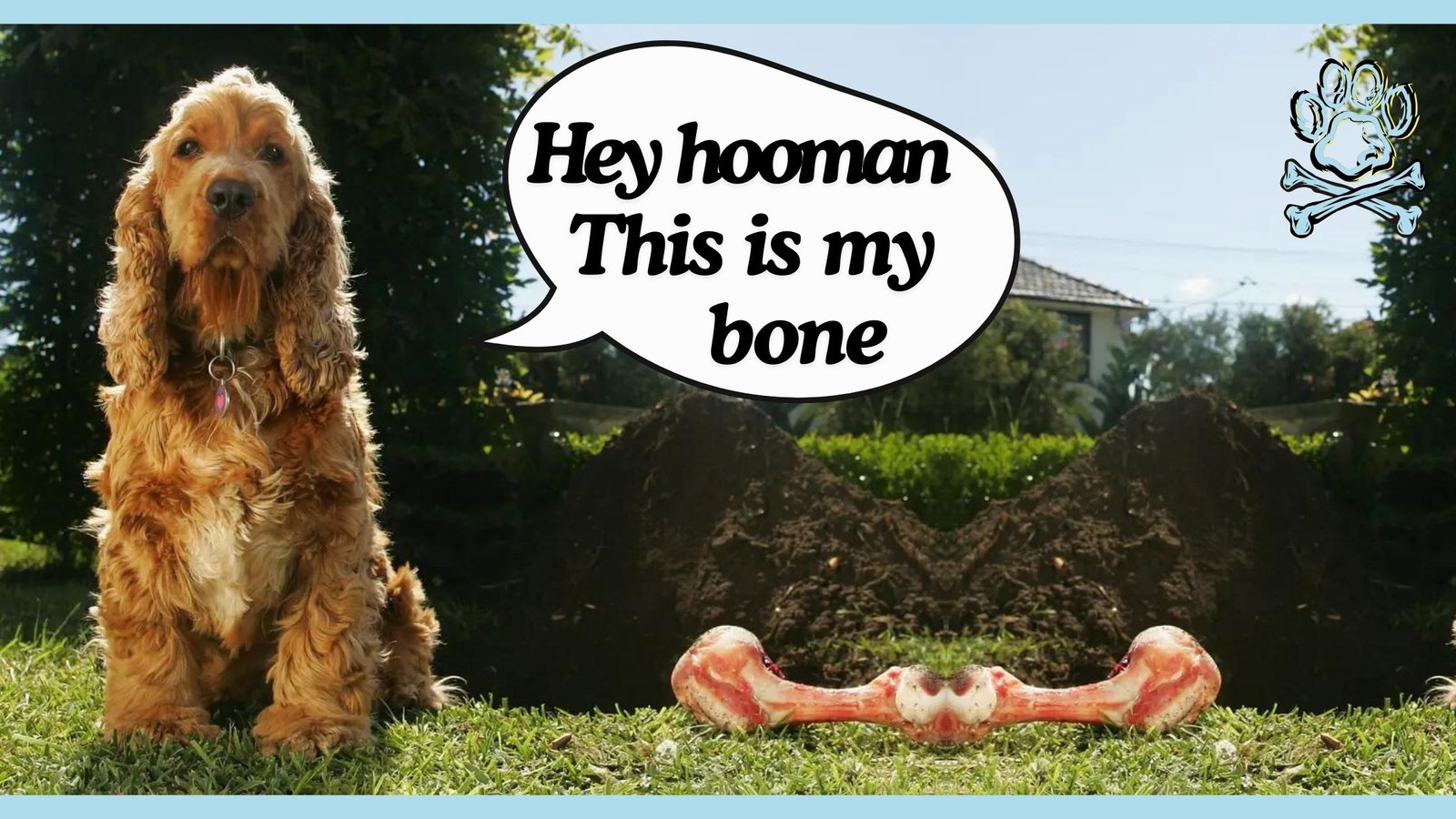
Furthermore, the "caching" behavior—where a dog buries a bone in the backyard—is a direct leftover from wild ancestors who would hide surplus food from competitors. For a dog in 2026, the bone isn't just a snack; it is a high-value resource that satisfies a deep-seated biological drive to "hunt" and "preserve."
Nutritional Motivation: The Hidden Treasures Inside Bones
While meat provides protein, bones offer a unique nutritional profile that is difficult to find elsewhere in the natural world. For a dog, a bone is essentially a multi-vitamin encased in a durable shell.
The Role of Bone Marrow
The primary nutritional prize is the marrow. Marrow is a soft, fatty tissue found in the center of long bones. It is incredibly dense in lipids and essential fatty acids, providing a concentrated burst of energy. In the wild, marrow was often the difference between starvation and survival. Even today, dogs can smell the rich, fatty scent of marrow through the hard outer layer of the bone, which is why they will spend hours licking and scraping at the center.
Essential Minerals
Bones themselves are composed primarily of calcium phosphate. When dogs gnaw on "edible" bones (softer bones like wings or necks), they ingest minerals that are vital for their own skeletal health.
- Calcium: Essential for muscle contraction, heart health, and bone density.
- Phosphorus: Works alongside calcium to maintain structural integrity.
- Magnesium and Trace Minerals: Found in the bone matrix, these support metabolic functions.
As of 2026, veterinary nutritionists emphasize that while bones provide these minerals, they must be balanced correctly within a dog's total diet to prevent issues like constipation or mineral toxicity.
The Behavioral and Psychological Benefits of Chewing
If you observe a dog with a bone, you will notice a state of intense focus. This isn't just about hunger; it is about psychological satisfaction. The act of chewing is a self-soothing behavior for canines.
Endorphin Release and Stress Reduction
When a dog chews, the repetitive motion triggers the release of endorphins and dopamine in the brain. These "feel-good" hormones help to lower cortisol levels, effectively reducing anxiety and stress. This is why many trainers recommend high-value chews or bones for dogs prone to separation anxiety or noise phobias. The bone acts as a natural sedative, keeping the dog occupied and calm.
Solving the Problem of Boredom
Modern dogs often suffer from a lack of environmental enrichment. Without a "job" to do, they may turn to destructive behaviors like chewing furniture or shoes. A bone provides a complex "puzzle" that requires physical effort and mental strategy. Determining how to angle the jaw to get the best leverage or how to reach the deepest pocket of marrow provides hours of cognitive engagement. For a dog, a bone is both a toy and a task.
Physical Health: Dental Care and Jaw Strength
The benefits of bones extend to physical maintenance, particularly regarding oral hygiene and musculoskeletal health.
Natural Toothbrushing
As a dog gnaws on a hard bone, the mechanical action scrapes against the surface of the teeth. This process helps to remove dental plaque and prevent the buildup of tartar (calculus). In 2026, periodontal disease remains one of the most common health issues in adult dogs; recreational chewing can be a supplementary tool in a broader dental care regimen. Furthermore, the act of chewing stimulates saliva production, which contains natural enzymes that help combat oral bacteria.
Exercising the Jaw
A dog’s jaw muscles (the masseter and temporalis) require regular exercise to remain strong. Chewing on resistant surfaces like bones provides a "workout" for the head and neck muscles. This is especially important during the puppy teething stage, as it helps relieve the discomfort of erupting teeth and helps the adult teeth set firmly into the jawbone.
Safety First: Understanding the Risks of Different Bone Types
While the benefits are significant, not all bones are created equal. Providing the wrong type of bone can lead to life-threatening emergencies.
The Danger of Cooked Bones
This is the most critical rule of canine safety: Never give a dog cooked bones. When bones are cooked—whether boiled, baked, or fried—their molecular structure changes. The heat removes the moisture and makes the bone brittle. Instead of crumbling under pressure, cooked bones tend to splinter into sharp, needle-like shards. These shards can:
- Puncture the esophagus or stomach lining.
- Cause intestinal perforations.
- Lead to "bone peritonitis," a severe and often fatal abdominal infection.
Raw vs. Recreational Bones
Veterinarians generally categorize bones into two types: edible and recreational. Edible raw bones are the soft, non-weight-bearing bones of birds (like chicken necks or wings). These can be fully consumed and digested. Recreational bones are large, hard, weight-bearing bones (like beef femurs) intended for gnawing, not swallowing.
| Bone Type | Description | Safety Level | Primary Risk |
|---|---|---|---|
| Raw Edible Bones | Chicken/duck necks, wings, backs. | High (if appropriately sized) | Choking if swallowed whole. |
| Raw Recreational | Large beef/bison marrow bones or knuckles. | Medium | Cracked teeth or "stuck" jaw. |
| Cooked Bones | Leftover ribs, steak bones, poultry bones. | Dangerous | Splintering and internal perforation. |
| Commercial "Bone" Treats | Processed, smoked, or flavored bones. | Low/Medium | Chemical additives and potential splintering. |
| Synthetic Chews | Nylon or rubber bone-shaped toys. | High | Ingestion of plastic pieces. |
How to Safely Offer a Bone to Your Dog
To maximize the benefits and minimize the risks, owners should follow strict safety protocols when introducing bones into a dog's routine.
- Supervision is Mandatory: Never leave a dog alone with a bone. If the bone breaks or the dog attempts to swallow a large chunk, you must be there to intervene.
- Size Matters: The bone should be larger than the dog’s snout. If it can fit entirely inside the dog's mouth, it is a choking hazard. For large breeds, only massive knuckle bones or femurs are appropriate for recreational chewing.
- Know Your Dog's Chewing Style: "Gulpers" (dogs that try to swallow things whole) should generally not be given bones. "Nibblers" who take their time are much better candidates.
- Watch the Teeth: If your dog is an aggressive chewer, they may exert enough force to fracture their own carnassial teeth on hard marrow bones. If you hear a loud "cracking" sound, inspect their teeth immediately.
- Hygiene: Raw bones can carry bacteria like Salmonella or Listeria. Always wash your hands and sanitize the area where the dog was chewing after they are finished.
Professional Advice Limitation: The information provided here is for educational purposes. Consult with your veterinarian before introducing raw bones into your dog's diet, especially if your dog has a history of pancreatitis, sensitive digestion, or dental issues.
Modern Alternatives and the 2026 Perspective
In 2026, many pet owners are opting for safer, lab-tested alternatives that mimic the experience of a bone without the risks of splintering or bacterial contamination. Products such as ultra-durable rubber chews, "hard-cheese" Himalayan yak chews, and specialized dental chews are designed to provide the same endorphin release and mechanical cleaning.
While these synthetic options are safer, they often lack the "high-value" olfactory appeal of a real marrow bone. If you choose to provide real bones, the FDA's guidelines on bone treats (updated regularly through 2026) remain a vital resource for identifying safe products.
Frequently Asked Questions
Can puppies have bones?
Puppies can have soft, raw edible bones once they have their adult teeth (usually around 6 months). However, their developing jaws and teeth are more prone to injury. It is often safer to provide rubber teething toys or specialized puppy chews until they are fully grown.
Why does my dog bury their bones?
This is an instinctual behavior known as "caching." In the wild, canids would bury food to hide it from scavengers and to keep it cool in the earth, which acted as a natural refrigerator. Even if your dog has plenty of food, the instinct to "save for a rainy day" remains strong.
How long should I let my dog chew on a bone?
Recreational chewing sessions should be limited to 15–20 minutes. This prevents excessive wear on the teeth and reduces the risk of digestive upset from ingesting too much rich marrow at once.
My dog swallowed a bone splinter. What should I do?
Monitor your dog closely for signs of distress, such as lethargy, vomiting, abdominal pain, or straining to defecate. If you suspect they swallowed a sharp cooked bone, contact an emergency veterinarian immediately. Do not induce vomiting unless specifically instructed, as the splinter could cause damage on the way back up.
Are "rawhide" chews the same as bones?
No. Rawhide is a byproduct of the leather industry and is often treated with chemicals. It is notoriously difficult to digest and poses a significant risk of intestinal blockage. Most modern veterinarians in 2026 recommend avoiding rawhide in favor of natural bones or high-quality synthetic alternatives.
Recommended Next Steps
If you want to satisfy your dog's natural urge to chew, start by consulting your veterinarian to ensure your dog’s teeth are healthy enough for bones. For most owners, the safest route is providing a large, raw, non-weight-bearing beef knuckle bone from a reputable butcher. Always supervise the session, limit it to 20 minutes, and discard the bone once it becomes small enough to be swallowed. If your dog is an aggressive "power chewer," consider transitioning to high-durability rubber toys filled with frozen wet food to provide a similar mental challenge with zero risk of splintering.
Image Gallery