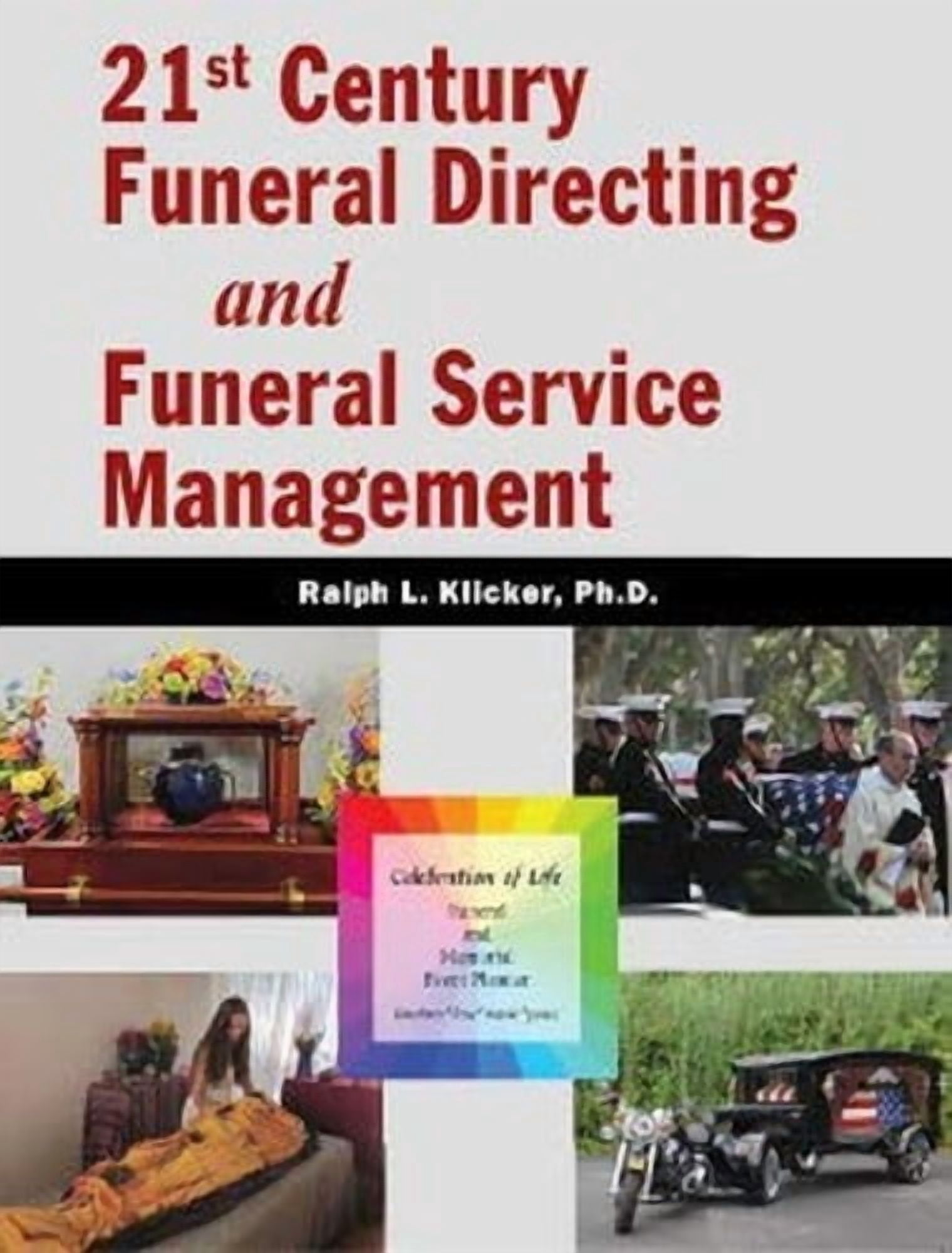
Comprehensive Guide to 21st Century Life Funeral and Insurance Solutions
21st Century Life Insurance Company specializes in final expense and funeral insurance policies designed to cover end-of-life costs such as burial, cremation, and outstanding medical debts. These simplified-issue whole life policies ty...
21st Century Life Insurance Company specializes in final expense and funeral insurance policies designed to cover end-of-life costs such as burial, cremation, and outstanding medical debts. These simplified-issue whole life policies typically offer coverage ranging from $2,000 to $25,000, require no medical examinations, and provide a permanent death benefit that remains level throughout the policyholder's life.
Contents
Understanding the Role of 21st Century Life in 2026
As of 2026, the landscape of end-of-life planning has shifted significantly. With the average cost of a traditional funeral service and burial now frequently exceeding $12,000 in many urban areas, families are increasingly turning to specialized insurance products to avoid the "sticker shock" of immediate bereavement expenses. 21st Century Life Insurance Company, headquartered in Texas, has positioned itself as a niche provider focusing almost exclusively on the "final expense" market.
Unlike traditional life insurance, which might be intended to replace income for a surviving spouse or pay off a mortgage, 21st century funeral insurance is a targeted financial tool. It is designed to be accessible to seniors—a demographic that may have developed health conditions that would disqualify them from standard term or whole life policies. By focusing on simplified underwriting, 21st Century Life allows applicants to secure coverage based on a few health questions rather than a rigorous physical exam or blood work.
The Mechanics of Final Expense Insurance
To understand why a policy from 21st Century Life differs from a standard policy, one must look at the structural components of final expense insurance. These are almost always Whole Life Insurance products, which means they do not expire as long as premiums are paid.
Simplified Issue vs. Fully Underwritten
The primary appeal of 21st Century Life is the "simplified issue" process. In 2026, the efficiency of digital underwriting allows for nearly instant decisions. When you apply, you answer a series of "Yes/No" questions regarding your medical history (such as recent hospitalizations, chronic illnesses, or terminal diagnoses). Because the company takes on a higher risk by not requiring a medical exam, the premiums are generally higher per dollar of coverage than a fully underwritten policy, but the accessibility for those aged 50 to 85 is much higher.
Cash Value Accumulation
Because these are whole life policies, they accumulate a small amount of cash value over time. While the primary purpose is the death benefit, the policyholder can technically borrow against this cash value in an emergency. However, it is important to note that any outstanding loans at the time of death will be deducted from the final payout, potentially leaving the family short of the funds needed for the funeral.
Policy Options and Coverage Tiers
21st Century Life typically offers three main tiers of coverage based on the applicant's health profile. In 2026, these tiers are essential for determining the "waiting period" before full benefits are active.
- Level Benefit Plan: This is for the healthiest applicants. From the first day the policy is active, the full death benefit is available. If the insured passes away a month after the policy starts, the beneficiary receives 100% of the face value.
- Graded Benefit Plan: For those with moderate health risks (such as controlled diabetes or high blood pressure), the policy may feature a "graded" period. Usually, if death occurs during the first two years from natural causes, the policy pays out a percentage (e.g., 30% the first year, 70% the second). Accidental death is usually covered at 100% from day one.
- Modified/Return of Premium: For applicants with more severe health issues, the company may offer a plan where, if the insured dies within the first two years, the beneficiaries receive only the premiums paid plus a small amount of interest (often 10%). After the two-year mark, the full benefit becomes active.
Comparing Final Expense to Other Options
It is common for consumers to confuse funeral insurance with "pre-need" contracts sold by funeral homes. The following table clarifies the distinctions between these options as they stand in 2026.
| Feature | 21st Century Life (Final Expense) | Pre-Need Funeral Contract | Standard Term Life Insurance |
|---|---|---|---|
| Portability | High (Valid at any funeral home) | Low (Often tied to one home) | High |
| Medical Exam | No (Simplified Health Questions) | No | Yes (Usually Required) |
| Payout Target | Beneficiary (Cash) | Funeral Director (Service) | Beneficiary (Cash) |
| Policy Duration | Lifetime (Whole Life) | N/A (Service Contract) | Fixed Term (10-30 years) |
| Cost Lock-in | Premiums are fixed | Prices for services are locked | Premiums are fixed |
| Max Coverage | Typically $25,000 - $50,000 | Limited to service cost | Millions of dollars |
The Application and Verification Process
Applying for coverage with 21st Century Life in 2026 has been streamlined through the use of tele-underwriting and digital signatures. The process generally follows these steps:
1. Initial Assessment
The applicant (or their adult child acting as a caregiver) contacts an agent or uses the online portal. You will need to provide basic information: date of birth, Social Security number (for identity verification), and a summary of health history.
2. The Medical Questionnaire
This is the most critical part of the process. Questions typically focus on the last 2-5 years of health. 21st Century Life will look for "knockout" conditions, which might include current dialysis, a recent diagnosis of Alzheimer’s/Dementia, or being currently hospitalized. Truthfulness is paramount here, as the company will cross-reference answers with the Medical Information Bureau (MIB) and prescription drug databases.
3. Premium Quotation
Based on age and health, a fixed monthly premium is calculated. In 2026, most policyholders opt for Automatic Bank Draft (EFT). Many insurance companies, including 21st Century Life, align the withdrawal date with the receipt of Social Security benefits to ensure the policy does not lapse due to insufficient funds.
4. Policy Issue
Once approved, the policy is issued. It is vital to store the physical or digital policy documents where the named beneficiary can find them. A common failure in the insurance industry is "unclaimed benefits" because the family was unaware a policy existed.
How Beneficiaries Claim the Death Benefit
The primary "problem" 21st Century Life solves is the immediate need for liquidity after a death. Most funeral homes require payment—or a verified assignment of insurance—before they will perform services.
To file a claim in 2026:
- Obtain the Death Certificate: The beneficiary must obtain a certified copy of the death certificate.
- Contact the Claims Department: 21st Century Life requires a completed claim form.
- Assignment of Benefits: If the family doesn't have the cash up-front, they can often "assign" a portion of the policy directly to the funeral home. The insurance company pays the funeral home for the services, and any remaining balance is paid to the beneficiary.
- Payout Timeline: Most final expense claims are processed within 24 to 72 hours once all documentation is verified, which is significantly faster than the 30-60 day wait often seen with large-estate life insurance.
Potential Pitfalls and Considerations
While 21st Century Life provides a valuable service for those who cannot get coverage elsewhere, consumers should be aware of specific limitations.
The "Cost of Convenience" If you are 55 years old and in excellent health, a standard term or whole life policy from a larger diversified carrier might offer more coverage for the same premium. 21st Century Life is a specialized tool; it is most effective for those who have been declined elsewhere or who only need a small, guaranteed amount of money for a specific purpose.
Lapse Risks These policies have no "grace period" beyond the standard 31 days required by state law. If a senior misses a payment because they changed bank accounts or moved, the policy can lapse. Unlike term insurance, which you might let go once the kids are grown, a funeral policy is intended to be held until the very end.
Inflation Concerns A $10,000 policy purchased today in 2026 might cover a full funeral. However, due to inflation in the death-care industry, that same $10,000 might only cover a basic cremation and a small service 20 years from now. It is often recommended to build in a "buffer" when choosing a coverage amount.
Frequently Asked Questions
Does 21st Century Life require a blood test?
No. 21st Century Life utilizes simplified underwriting, which relies on a health questionnaire and a review of your prescription history. No physical exam, blood work, or physician’s statement is generally required for the final expense products.
Can I be turned down for coverage?
Yes. While the underwriting is "simplified," it is not "guaranteed issue." If you have certain terminal illnesses or are currently in a nursing home, you may be declined. In those cases, you would need to look for a "Guaranteed Issue" provider, which usually has a mandatory two-year waiting period for all applicants.
Will my premiums go up as I get older?
No. Policies through 21st Century Life are "Level Premium" plans. Once you are locked in at a specific rate, that rate remains the same for the life of the policy, regardless of your age or any declining health conditions you may develop later.
Can I use the money for things other than a funeral?
Yes. The death benefit is paid in cash to your beneficiary. While the intent is to cover funeral costs, the beneficiary can use the funds for anything—paying off your credit card debt, covering your final utility bills, or even travel expenses for family members coming to the service.
Is 21st Century Life the same as 21st Century Insurance (Auto)?
No. This is a common point of confusion. 21st Century Insurance (often associated with Farmers Insurance) focuses on auto and home coverage. 21st Century Life Insurance Company is a separate entity focused on life and health products, particularly final expense coverage.
Professional Advice Limitation
This article provides general information about life insurance products and is not intended as financial, legal, or tax advice. Insurance regulations and product availability vary by state. Consumers should consult with a licensed insurance professional or financial advisor to determine which policy best fits their specific needs and jurisdictional requirements.
Final Recommendation
If you are between the ages of 50 and 85 and your primary goal is to ensure your children or spouse are not burdened with $10,000 to $20,000 in immediate funeral costs, 21st Century Life is a strong candidate for your needs. Its primary value lies in its simplicity and the speed of its claims process. Before signing, ensure you understand if you qualify for a "Level" or "Graded" benefit, as this significantly impacts your coverage during the first two years of the policy.
Image Gallery