The Definitive Guide to Sesame Street Character Names: Legacy Icons and 2026 Cast Updates
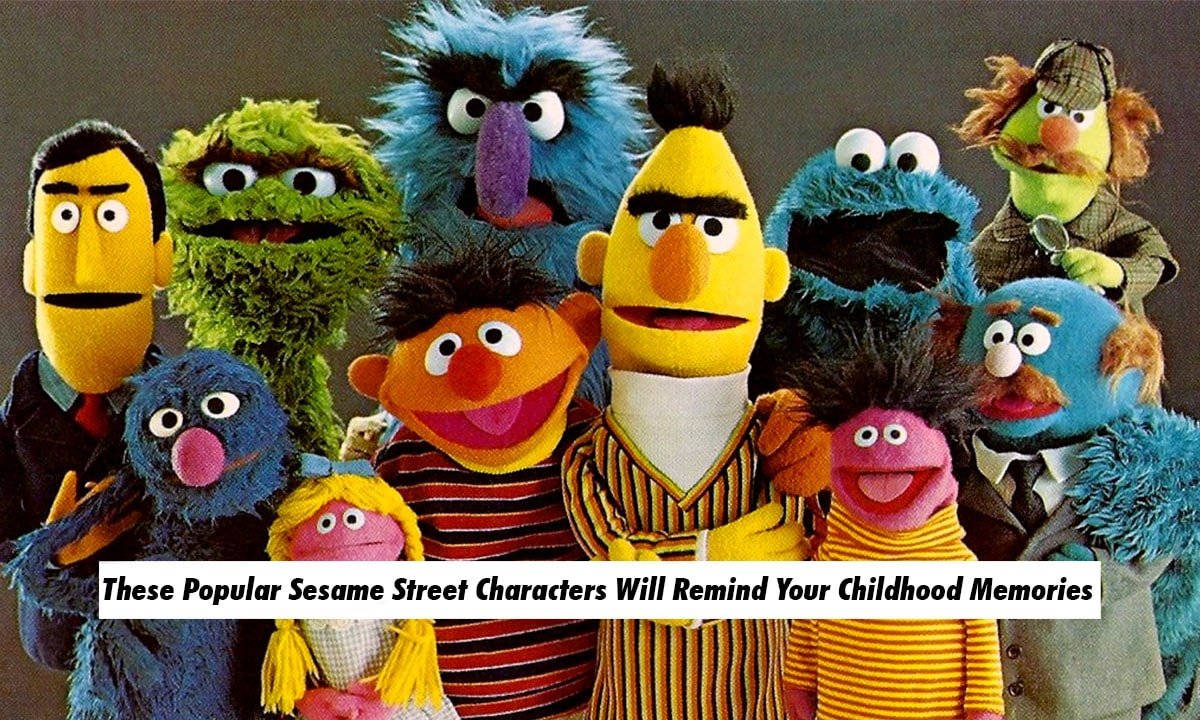
Sesame Street features a legendary ensemble of Muppets and human characters, led by core icons such as Big Bird, Elmo, Cookie Monster, Bert, Ernie, and Oscar the Grouch. As of 2026, the cast has expanded to include newer, inclusive fig...
Sesame Street features a legendary ensemble of Muppets and human characters, led by core icons such as Big Bird, Elmo, Cookie Monster, Bert, Ernie, and Oscar the Grouch. As of 2026, the cast has expanded to include newer, inclusive figures like Ji-Young, Julia, and TJ, maintaining the program's status as a global leader in early childhood education and social-emotional development.
Contents
The Pillars of the Neighborhood: Core Muppet Characters
The longevity of Sesame Street is anchored by its "core" Muppets. These characters have remained staples of the program since its inception in 1969 or their subsequent rise to prominence in the 1980s. Each character serves a specific pedagogical purpose, designed by the Sesame Workshop (formerly the Children's Television Workshop) to address cognitive and emotional milestones.
Big Bird
The 8-foot-2-inch bright yellow canary remains the heart of the show. Originally performed by Caroll Spinney and now by Matt Vogel, Big Bird represents the "surrogate child." He experiences the world with the curiosity and occasional confusion of a six-year-old, allowing children to identify with his learning process. His best friend, Mr. Snuffleupagus ("Snuffy"), transitioned from an "imaginary" friend to a visible member of the community in the mid-1980s to teach children about credibility and being believed by adults.
Elmo
While Elmo appeared as a background "Anything Muppet" as early as the 1970s, he became a cultural phenomenon in the mid-1980s under Kevin Clash’s performance (now Ryan Dillon). Elmo is perpetually three-and-a-half years old. His segments, particularly "Elmo's World," focus on basic exploration and social-emotional vocabulary. In the 2026 programming block, Elmo continues to be the primary gateway for younger toddlers entering the Sesame ecosystem.
Cookie Monster
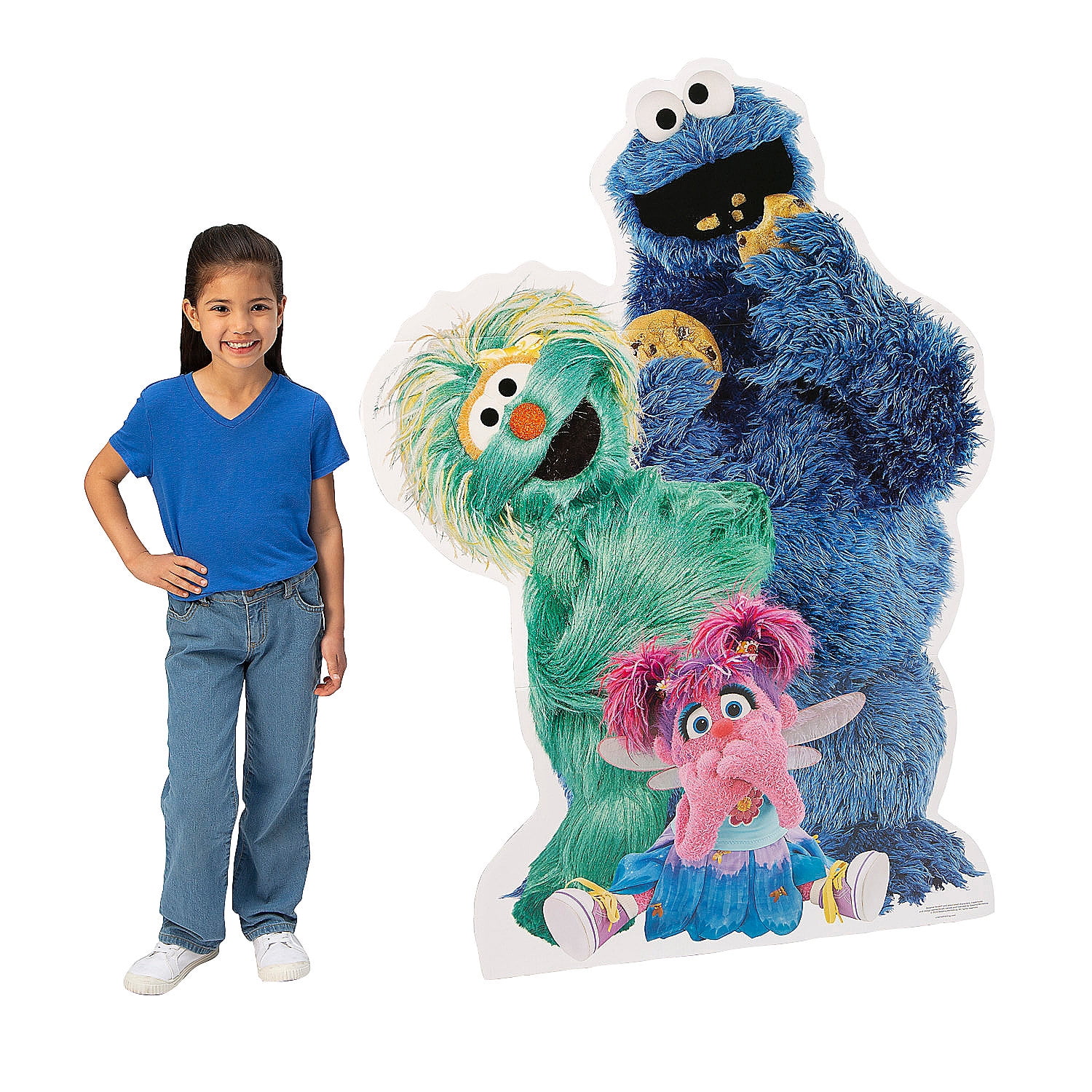
Sid, better known as Cookie Monster, serves as a masterclass in executive function and impulse control. While his primary motivation remains the consumption of cookies, his modern story arcs emphasize "sometimes foods" and the self-regulation required to wait for a snack. His interactions with Guy Smiley or the human cast often highlight comedic but educational moments regarding mathematics and sharing.
Bert and Ernie
This iconic duo represents the dynamics of friendship and conflict resolution. Ernie is the free-spirited, creative prankster, while Bert is the serious, hobby-oriented (pigeons and paperclips) foil. Their relationship teaches viewers how individuals with vastly different personalities can maintain a deep, respectful bond.
The Evolution of Diversity: Inclusive Character Names and Roles
In the 2020s, and continuing into the 2026 season, Sesame Street has proactively introduced characters that represent a broader spectrum of human experience. These additions are not merely "guest stars" but are integrated into the fabric of the neighborhood to foster empathy and self-representation.
Julia: Autism Awareness
Introduced in 2017 as part of the "Sesame Street and Autism: See Amazing in All Children" initiative, Julia is a 4-year-old Muppet with autism. Her character is designed to show that while she may do things a little differently—such as flapping her arms when excited or being sensitive to loud noises—she is a valued friend. In 2026, Julia’s role has expanded to include segments on neurodivergent learning strategies in classroom settings.
Ji-Young: Asian American Representation
Ji-Young, a spunky 7-year-old Korean American Muppet, debuted in 2021. Her character focuses on the "ABCs of Racial Literacy" and celebrates her heritage through food, music, and language. She often plays electric guitar, breaking stereotypes about quiet or passive archetypes, and provides a platform for discussing "upstanding"—standing up against unfairness.
Ameera: Physical Disability and Displacement
Ameera is a 2022 addition to the global Sesame family. A witty 8-year-old girl who uses a wheelchair or bright purple crutches due to a spinal cord injury, she was initially developed for Ahlan Simsim (the Middle Eastern version of the show). Her presence in the 2026 domestic US broadcasts highlights the resilience of children in crisis and the normalcy of physical disabilities.
TJ: Filipino American Heritage
TJ joined the cast more recently, bringing Filipino American representation to the street. His segments often involve his grandmother (Lola) and emphasize the importance of "malasakit" (caring for others) and learning the Tagalog language.
Complete Reference Table of Sesame Street Characters (2026 Status)
| Character Name | Debut Year | Primary Role / Educational Focus | Notable Characteristic |
|---|---|---|---|
| Big Bird | 1969 | Literacy & Empathy | 8'2" Yellow Canary; lives in a large nest |
| Oscar the Grouch | 1969 | Emotional Regulation | Lives in a trash can; loves "yucky" things |
| Grover | 1970 | Persistence & Self-Confidence | Blue, furry; often has multiple jobs (waiter, etc.) |
| Count von Count | 1972 | Numeracy & Mathematics | A vampire who loves counting everything |
| Abby Cadabby | 2006 | STEM & Nature | A 3-year-old fairy-in-training |
| Rosita | 1991 | Bilingualism (Spanish/English) | The first regular bilingual Muppet; plays guitar |
| Telly Monster | 1979 | Worry Management | Often anxious; loves triangles |
| Snuffleupagus | 1971 | Friendship & Trust | Large, woolly mammoth-like creature |
| Zoe | 1993 | Artistic Expression | Orange Muppet; loves ballet and her rock, Rocco |
| Rudy | 2017 | Family Dynamics | Abby Cadabby’s stepbrother; orange and furry |
The Human Neighbors: Historical Legacy and 2026 Roster
While the Muppets often take center stage, the human cast provides the "anchor" of reality for the show. These characters interact with Muppets as equals, teaching children how to communicate with adults.
The Legacy Cast (1969–2010s)
Bob (Bob McGrath): One of the four original cast members, Bob was the resident music teacher. His tenure lasted nearly five decades, making him a foundational figure in children's television history.
Maria (Sonia Manzano): Joining in 1971, Maria provided a vital Latina perspective. Her marriage to Luis and the birth of their daughter Gabi were landmark moments in realistic television storytelling for children.
Luis (Emilio Delgado): The owner of the Fix-It Shop, Luis was a calm, fatherly figure who mentored generations of viewers in both Spanish and English.
Gordon and Susan (Hal Miller/Matt Robinson/Roscoe Orman and Loretta Long): As the original residents of 123 Sesame Street, they provided the "family" structure for the street, focusing on community leadership and education.
The Current 2026 Human Ensemble
In the current 2026 season, the human cast reflects a modern, urban community:
- Alan (Alan Muraoka): The proprietor of Hooper’s Store, Alan has been a mainstay since 1998, offering a warm, mentoring presence.
- Chris (Chris Knowings): Working alongside Alan at Hooper’s, Chris is known for his energetic comedic timing and rapport with Elmo and Abby.
- Nina (Suki Lopez): A bilingual Latina character who works at the bike shop and the laundromat, Nina brings a youthful, vibrant energy to the street's educational segments.
- Charlie (Violet Tinnirello): A child character who moved to the street in Season 50, Charlie provides a peer-level perspective for the younger viewers.
International Sesame Street Characters: A Global Network
Sesame Workshop operates in over 150 countries, often creating localized versions of the show with unique characters that address specific regional needs.
- Kami (South Africa - Takalani Sesame): An HIV-positive Muppet who helps destigmatize the virus and teaches health and wellness.
- Zari (Afghanistan - Baghch-e-Simsim): A young girl who focuses on girls' empowerment and the importance of going to school.
- Chamki (India - Galli Galli Sim Sim): A 5-year-old girl who champions school readiness and gender equality.
- Lola (Mexico - Plaza Sésamo): A high-energy monster who focuses on diversity and the environment.
Comparative Analysis: Classic vs. Modern Character Dynamics
When analyzing the "Character Names from Sesame Street," it is essential to distinguish between the slapstick, vaudevillian roots of the early characters and the research-driven, social-emotional focus of the modern era.
- Classic Era (1969-1989): Focus was heavily on "cognitive" goals—the alphabet, numbers, and basic categorization. Characters like the Count and early Grover were designed around these drills.
- Transition Era (1990-2010): Focus shifted toward "social-emotional" health. Characters like Zoe and Rosita were introduced to provide gender balance and cultural diversity.
- Integrated Era (2011-2026): Focus is on "inclusive systemic" education. Characters like Julia and Ji-Young address complex topics such as neurodiversity, racial identity, and economic hardship (e.g., the introduction of Lily, a Muppet experiencing homelessness).
Frequently Asked Questions About Sesame Street Characters
What is the real name of Cookie Monster?
Cookie Monster revealed in a 2004 episode (and later confirmed via social media) that his "real" name before he started eating cookies was Sid. However, he remains almost exclusively known by his descriptive moniker.
Which Sesame Street character has autism?
Julia is the 4-year-old Muppet with autism. She was introduced in 2017 to help children and families understand the nuances of neurodiversity. She is often seen with her stuffed rabbit, Fluffster, and uses noise-canceling headphones when the street gets too loud.
Are Bert and Ernie brothers?
No, Bert and Ernie are officially described as best friends and roommates. Their relationship was designed to model a healthy, platonic friendship between two individuals with contrasting temperaments.
Who is the newest character on Sesame Street in 2026?
As of 2026, TJ (a Filipino American Muppet) and Ameera (a Muppet who uses a wheelchair) are among the most significant recent additions to the domestic US cast, reflecting the show's 2020s expansion of inclusive representation.
Why did Snuffleupagus stop being imaginary?
For the first 14 years, only Big Bird could see Mr. Snuffleupagus. In 1985, the producers decided to have the adults finally meet him. This change was made following concerns from child psychologists that telling children "adults won't believe you" (regarding Snuffy) might discourage children from reporting real-life issues or abuse.
Conclusion: The Enduring Legacy of the Sesame Cast
The character names from Sesame Street represent more than just entertainment; they are a carefully curated "curriculum of kindness." From the 1969 debut of Big Bird to the 2026 inclusion of diverse global voices, these entities have adapted to meet the shifting needs of the world’s children. Whether it is Elmo’s infectious laugh or Oscar’s grumpy resilience, every resident of the street serves a vital role in building a smarter, stronger, and kinder generation.
For parents and educators in 2026, understanding these characters' backstories and educational goals allows for deeper engagement with the show's content, ensuring that the lessons of the street continue to resonate long after the television is turned off.
Image Gallery