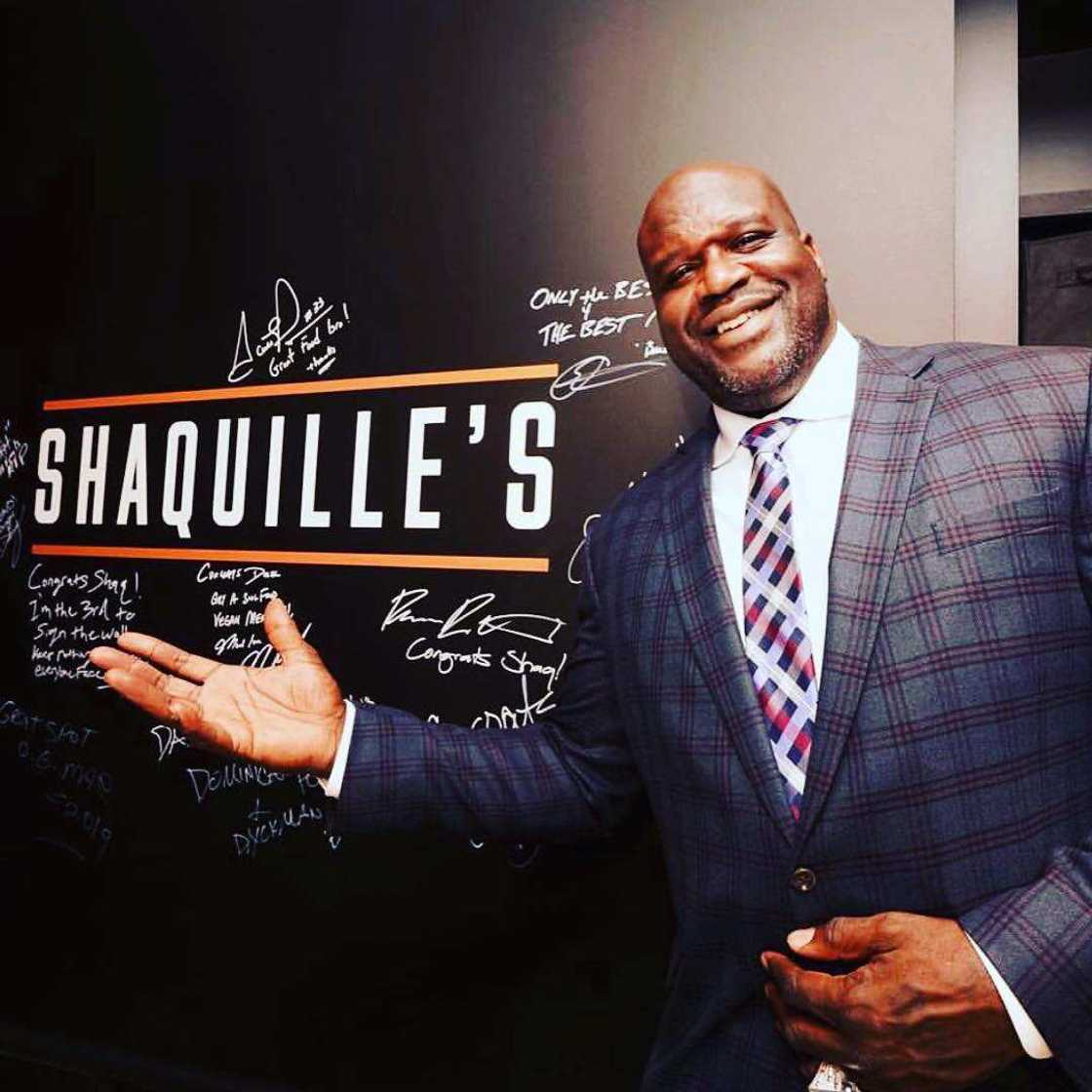
Who Has More Net Worth Shaq or LeBron? A Financial Comparison
When comparing the fortunes of basketball legends Shaquille O'Neal and LeBron James, LeBron James maintains a significantly higher net worth, largely due to his massive active NBA contracts, unprecedented equity stakes in global brands...
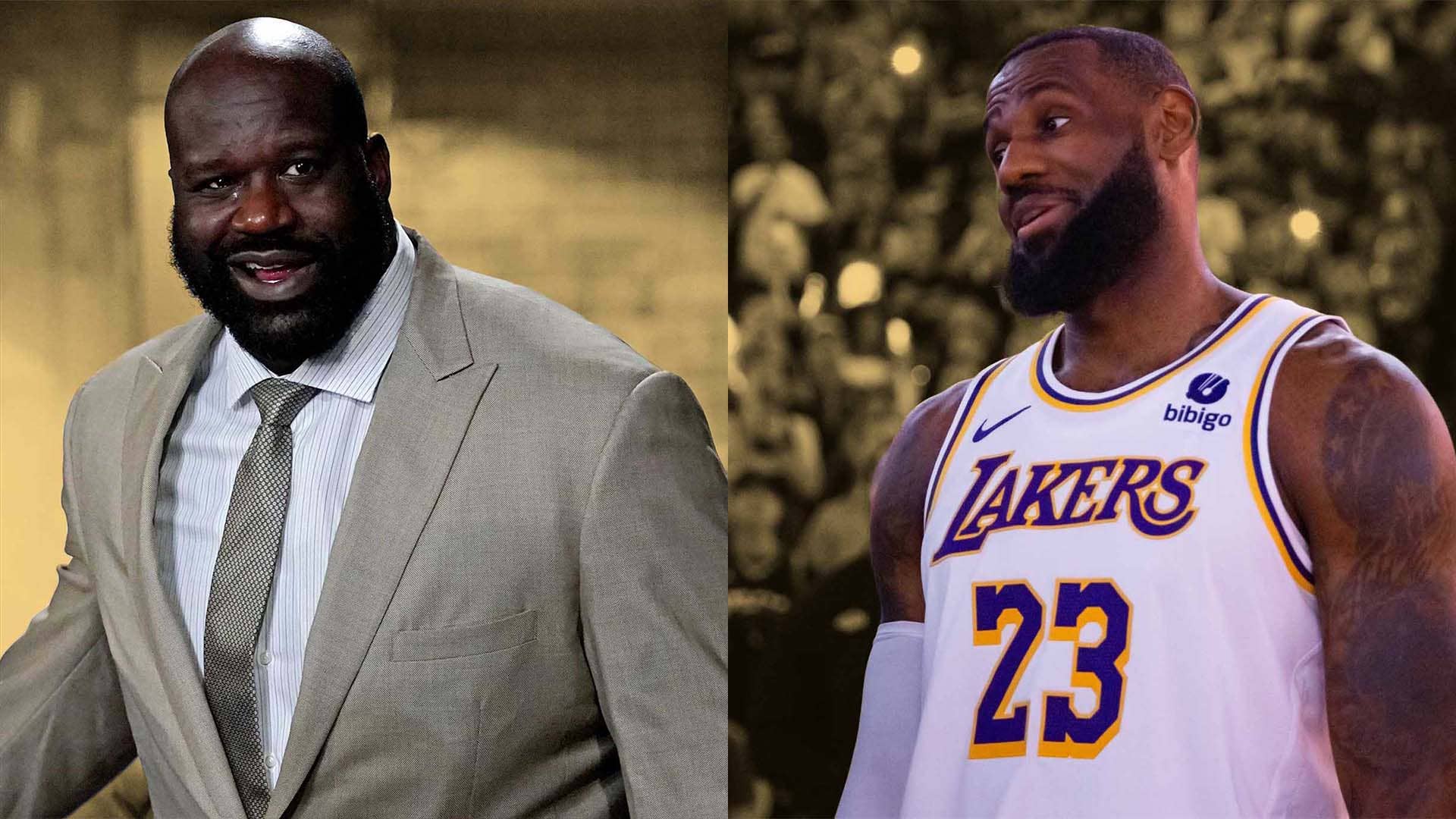
When comparing the fortunes of basketball legends Shaquille O'Neal and LeBron James, LeBron James maintains a significantly higher net worth, largely due to his massive active NBA contracts, unprecedented equity stakes in global brands, and expansive media production companies. While Shaquille O'Neal has built an incredible business empire worth hundreds of millions through shrewd franchising, early tech investments, and relentless corporate endorsements, LeBron James has ascended into the billionaire athlete tier while still playing in the NBA.
Contents
Evaluating the financial standing of two of the greatest players in National Basketball Association history requires a deep dive into career earnings, corporate partnerships, equity ownership, media ventures, and real estate portfolios. Both athletes redefined what it means to be a modern sports celebrity, transitioning from hardwood dominance to boardrooms, venture capital funds, and global brand stewardship. Understanding how their fortunes accumulated reveals starkly different strategic paths to extraordinary wealth.
Shaquille O'Neal: The Blueprint of Endorsement and Diversification
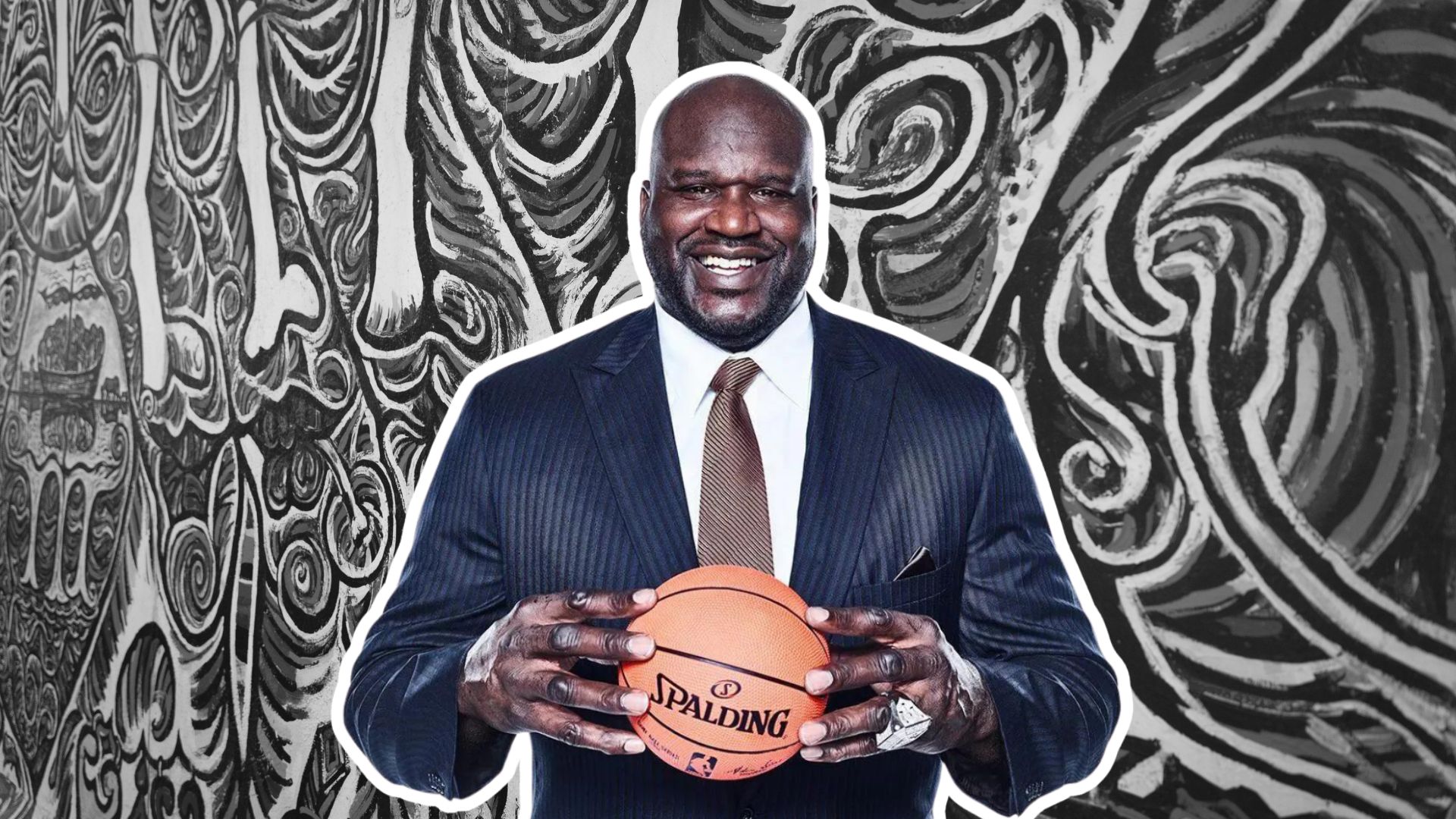
Shaquille O'Neal earned approximately $292 million in salary during his 19-year NBA career playing for franchises including the Orlando Magic, Los Angeles Lakers, Miami Heat, Phoenix Suns, Cleveland Cavaliers, and Boston Celtics. While that figure represents a massive fortune by standard metrics, O'Neal’s post-playing career earnings have vastly eclipsed his court salaries. His net worth is widely estimated to be in the range of $400 million to $500 million.
O'Neal’s financial transformation is rooted in a pivotal early-career lesson about brand equity. After signing a massive sneaker deal with Reebok early in his career, a mother criticized him in a store for charging too much for shoes. This confrontation prompted O'Neal to buy out his Reebok contract, partner with retail giant Walmart, and create an affordable, accessible footwear line that sold over 400 million pairs. This philosophy of accessible consumer goods laid the groundwork for his future business endeavors.
Today, O'Neal’s portfolio includes massive franchise holdings, including dozens of Auntie Anne's pretzels, Five Guys burger restaurants, car washes, and 24-Hour Fitness centers. Furthermore, his long-standing partnership with Papa John's—both as a board member and a franchisee—along with his ubiquitous television commercials for brands like Carnival Cruise Line, General Insurance, and Icy Hot, generates tens of millions annually.
LeBron James: The First Active NBA Billionaire
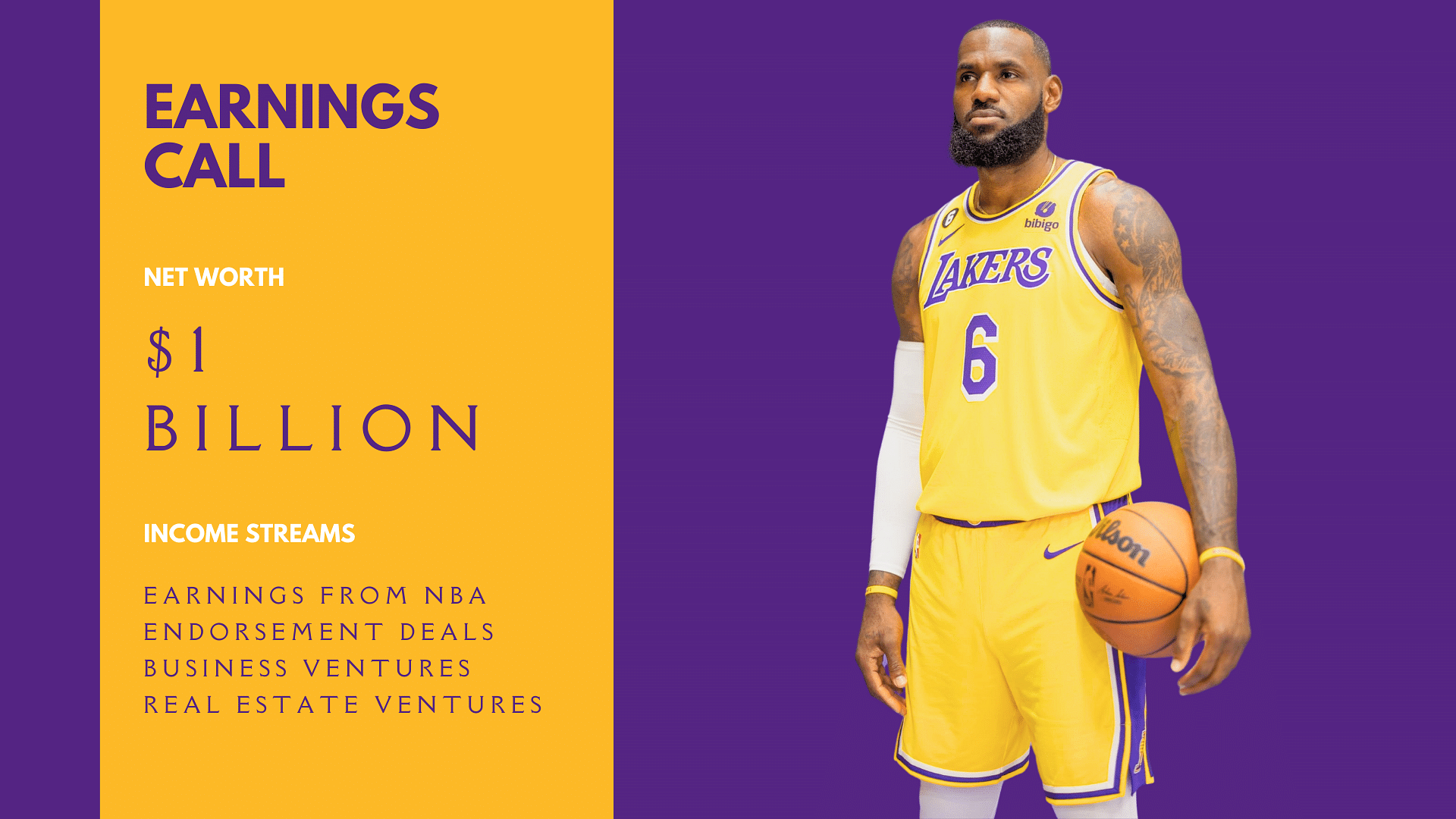
LeBron James reached a historic milestone in 2022 when Forbes officially certified him as a billionaire while he was still active in the NBA. His net worth is estimated to exceed $1.2 billion. Unlike previous generations of athletes who relied almost entirely on playing contracts and standard endorsement fees, James secured his billionaire status by prioritizing equity ownership, strategic joint ventures, and long-term business partnerships.
During his career with the Cleveland Cavaliers, Miami Heat, and Los Angeles Lakers, James has earned hundreds of millions in salary alone, surpassing Michael Jordan in career playing earnings. However, the vast majority of his wealth stems from off-court investments and business enterprises. His financial trajectory shifted profoundly when he signed a lifetime endorsement contract with Nike in 2015, a deal projected to pay him tens of millions annually and eventually yield over $1 billion over his lifetime.
Beyond endorsements, James co-founded SpringHill Company, a major entertainment development and production company that secured significant outside investment and produces films, television shows, and digital content. He also owns a significant stake in Fenway Sports Group, making him a part-owner of the Boston Red Sox, Liverpool F.C., and the Pittsburgh Penguins. His early investment in Blaze Pizza also yielded massive returns when he and his business partners scaled the franchise rapidly across the United States.
Detailed Financial Comparison: Shaq vs. LeBron
To understand the disparity in net worth between the two icons, it helps to examine the core components of their wealth accumulation across playing salaries, major equity deals, business ventures, and global market positioning.
| Financial Category | Shaquille O'Neal | LeBron James |
|---|---|---|
| Estimated Net Worth | $400 Million – $500 Million | $1.2 Billion+ |
| Career Playing Salary | ~$292 Million | ~$530 Million+ (Active) |
| Primary Endorsements | Reebok, Icy Hot, Papa John's, Carnival Cruise | Nike (Lifetime), AT&T, PepsiCo, Crypto.com |
| Major Equity & Ventures | Franchise restaurants, car washes, retail lines | SpringHill Company, Fenway Sports Group, Blaze Pizza |
| Business Strategy | High-volume franchising and accessible consumer goods | High-stakes equity stakes, media production, and institutional ownership |
The table above highlights that while Shaquille O'Neal built a sprawling portfolio of small-to-medium enterprises and widespread consumer endorsements, LeBron James operates at an institutional investment level, securing equity shares in major sports conglomerates and global media properties.
The Evolution of Athlete Wealth Management
The financial trajectories of O'Neal and James illustrate a broader evolution in professional sports economics. When O'Neal entered the league in 1992, modern sports marketing was evolving, but athletes rarely secured ownership stakes in the brands they promoted. O'Neal pioneered the shift toward equity-demanding partnerships later in his career, but much of his initial wealth relied on cash endorsement deals and traditional franchising.
By the time LeBron James entered the NBA in 2003, his business team—led by longtime friend and manager Maverick Carter—deliberately structured every major deal to prioritize equity over cash. When James partnered with Beats by Dre, he took an equity stake rather than a simple endorsement fee, netting a massive payout when Apple acquired the company. This "equity-first" mindset has allowed James to accumulate wealth that scales alongside global markets rather than depending strictly on personal appearances and commercial fees.
Furthermore, the globalization of the NBA and the advent of social media have exponentially increased the earning potential of modern athletes. James entered the league during the digital media revolution, allowing him to build a direct-to-consumer media footprint through platforms like Uninterrupted, bypassing traditional media gatekeepers and capturing maximum value from his personal brand.
Real Estate and Lifestyle Portfolios
Both athletes maintain substantial real estate portfolios that serve as both personal residences and long-term wealth preservation assets.
Shaquille O'Neal has historically bought and sold sprawling estates, most notably his massive 31,000-square-foot compound in Orlando, Florida, which featured a custom indoor basketball court and a massive garage for his vehicle collection. He also maintains properties in other major metropolitan areas to accommodate his broadcasting career with TNT.
LeBron James owns multiple multi-million-dollar properties, including a custom-built mansion in Brentwood, Los Angeles, another estate in the same neighborhood, and a sprawling property in Akron, Ohio. These real estate holdings appreciate consistently and provide stable collateral for broader financial maneuvers, though they represent a relatively small percentage of their total net worth compared to business equity and corporate investments.
Frequently Asked Questions
Who has made more money from NBA contracts, Shaq or LeBron?
LeBron James has earned significantly more from NBA contracts than Shaquille O'Neal. Because of rising salary caps, maximum contract inflation, and a longer career span, James's cumulative playing salary exceeds $530 million, whereas O'Neal earned roughly $292 million during his era.
Does Shaq own a piece of any major sports teams?
Shaquille O'Neal previously owned a minority stake in the Sacramento Kings from 2013 to 2022, which he sold to pursue other business ventures. In contrast, LeBron James holds ownership stakes in multiple major sports franchises globally through his partnership with Fenway Sports Group.
How did LeBron James become a billionaire while still playing?
LeBron James achieved billionaire status through a combination of high career salaries, his lifetime endorsement deal with Nike, and strict adherence to securing equity stakes in companies like Beats by Dre, Blaze Pizza, and his media venture, The SpringHill Company, rather than accepting cash-only endorsement fees.
What are Shaq's most successful business ventures?
Shaquille O'Neal's most successful business ventures include his extensive franchise portfolio (encompassing Papa John's, Auntie Anne's, and fitness centers), his long-running corporate spokesperson roles, and his early investments in technology and real estate. His ability to connect with mass-market consumers has made him one of the most marketable figures in sports history.
Are Shaq and LeBron considered the wealthiest basketball players of all time?
Neither Shaq nor LeBron holds the absolute record for the wealthiest basketball player. Michael Jordan remains the wealthiest basketball player in history, with a net worth estimated in the multi-billions, primarily driven by his ownership of the Charlotte Hornets (which he largely sold at a massive valuation) and the unprecedented global success of the Jordan Brand under Nike.
Practical Recommendations for Wealth Analysis
When evaluating the net worth of public figures and elite athletes, observers should distinguish between gross career earnings, liquid cash, and estimated enterprise valuations. Media reports often conflate annual income with total net worth. For those tracking sports business trends, analyzing equity structures, brand longevity, and business management teams provides a far more accurate predictor of long-term financial security than simple playing salaries or endorsement counts.
Image Gallery