Understanding the Black Ranger Animal Trend: Aesthetics, Archetypes, and Cultural Impact
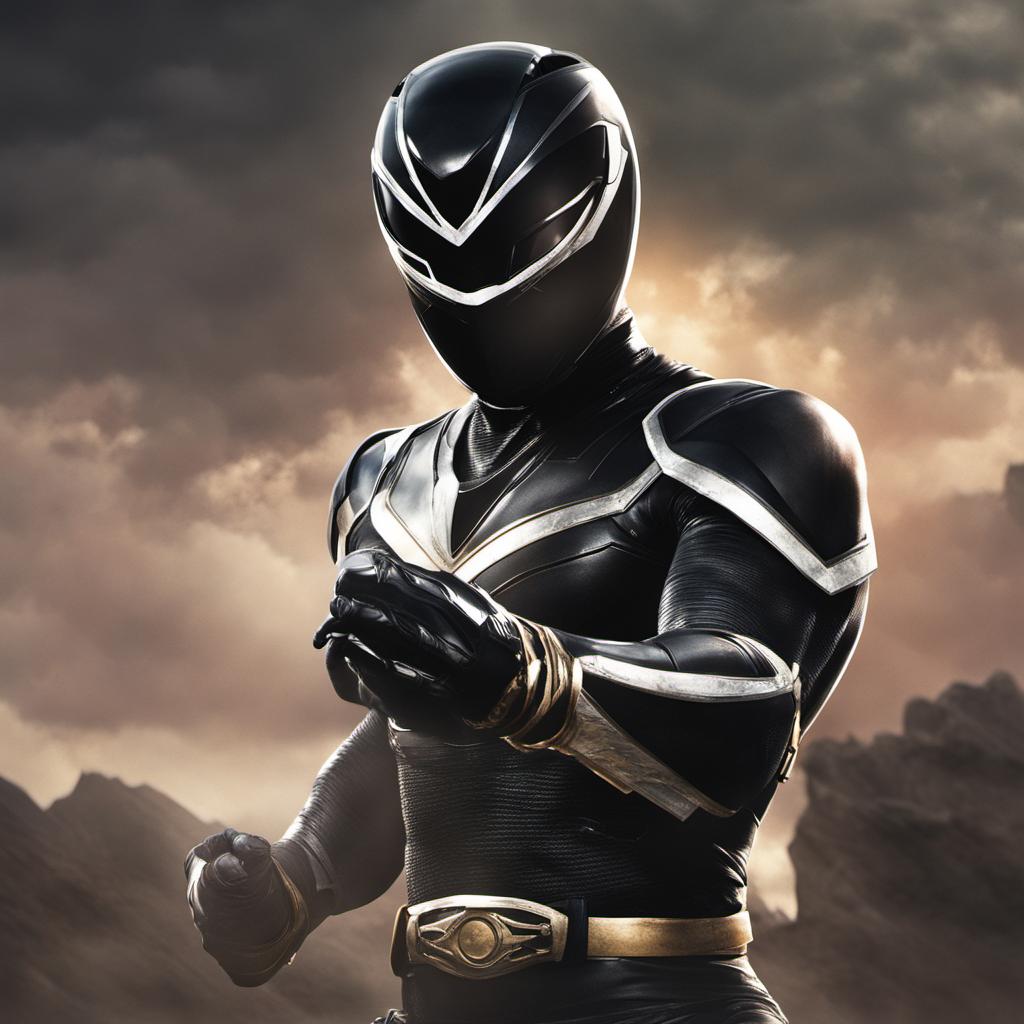
The Black Ranger animal trend is a digital subculture phenomenon that categorizes personality traits and physical "vibes" using animals associated with the Black Ranger archetype from the Power Rangers franchise. It blends 1990s nostal...
The Black Ranger animal trend is a digital subculture phenomenon that categorizes personality traits and physical "vibes" using animals associated with the Black Ranger archetype from the Power Rangers franchise. It blends 1990s nostalgia with modern "aura" culture, focusing on themes of stealth, strength, and quiet leadership.
Contents
Since its surge in late 2024 and its stabilization as a mainstay aesthetic in 2026, the "Black Ranger animal" trend has moved beyond simple cosplay into a sophisticated method of self-identification. For many, it represents the "cool, reliable second-in-command"—a character who doesn’t need the spotlight of the Red Ranger but possesses a distinct, often more formidable, presence. To understand this trend, one must look at the intersection of Sentai history, animal symbolism, and the way social media algorithms reward highly specific visual identities.
The Origins of the Black Ranger Archetype
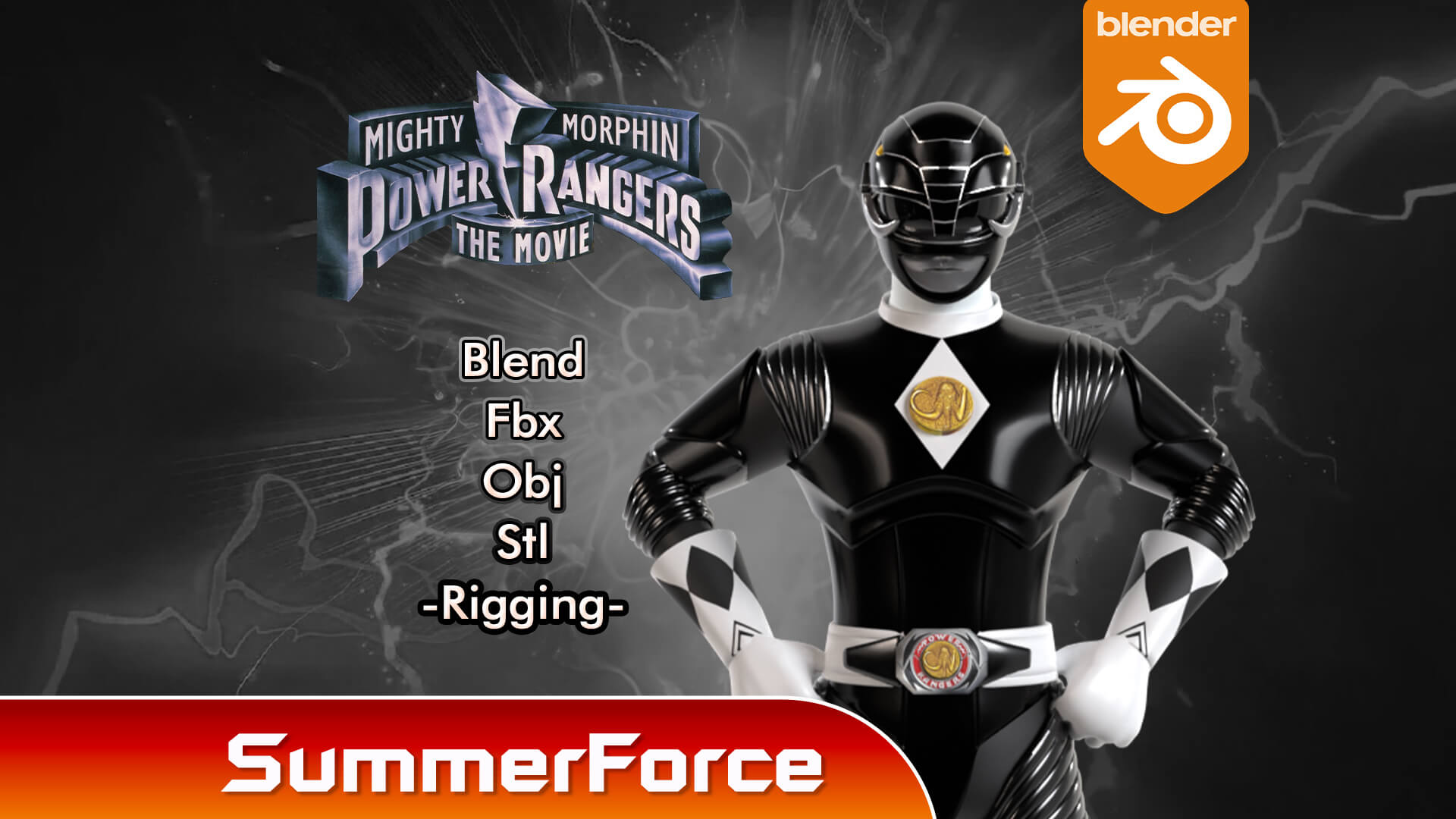
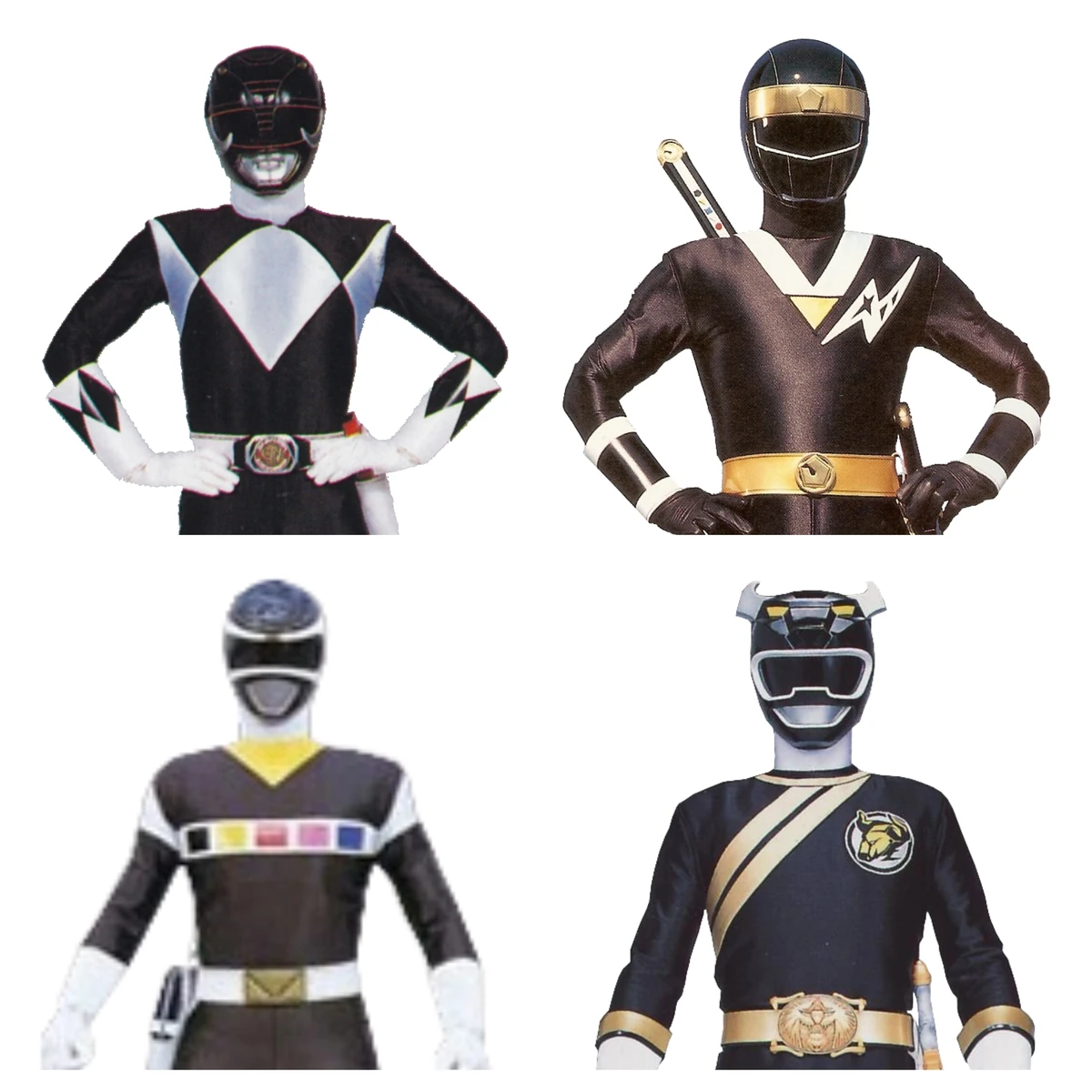
The trend finds its roots in the Mighty Morphin Power Rangers (MMPR) series, which debuted in 1993. The original Black Ranger, Zack Taylor, was associated with the Mastodon. This established the initial blueprint for the "animal" aspect: prehistoric, powerful, and heavy-hitting. Unlike the agile Pterodactyl or the balanced Tyrannosaurus, the Mastodon represented an unstoppable force.
As the franchise evolved, so did the animals associated with the color black. In Power Rangers Wild Force, the Black Ranger was linked to the Bison, emphasizing grounded strength. In Jungle Fury, it was the Wolf, shifting the archetype toward the "lone wolf" or tactical specialist. By 2026, the trend has distilled these decades of television history into a set of "vibe" markers that users apply to themselves or their pets.
From Screen to Social Media
The transition from a TV show to a social media trend occurred as Gen Z and Millennials began reclaiming childhood motifs to describe modern social hierarchies. The Black Ranger became the ultimate symbol for "Main Character Energy" that is understated rather than overt. On platforms like TikTok and Instagram, the trend typically involves "core" edits—fast-paced video montages that pair sleek animal footage with "phonk" music or heavy bass tracks, juxtaposed with the creator’s own aesthetic.
Identifying the Core Animals of the Trend
While the official franchise has used many animals, the 2026 trend has narrowed the focus to a few "Top Tier" animals that carry the most social currency. Each animal represents a specific subset of the Black Ranger personality.
1. The Mastodon (The Classic Powerhouse)
The Mastodon remains the "OG" of the trend. In social media terms, being a "Mastodon-type" means you are the anchor of your friend group. You are perceived as someone who is physically or mentally immovable. This archetype is often associated with gym culture and "tank" roles in gaming.
2. The Black Panther (The Sleek Tactician)
Though not the original MMPR animal, the Black Panther has become synonymous with the Black Ranger trend due to the broader cultural impact of the Black Panther films. In the context of the trend, the Panther represents agility, mystery, and elegance. It is the preferred animal for those focusing on fashion, "stealth wealth" aesthetics, and high-intensity movement.
3. The Wolf (The Disciplined Loner)
The Wolf archetype, derived from Power Rangers Wild Force and Jungle Fury, is for the individual who values loyalty to a small "pack" but functions highly effectively on their own. This is the most common animal used in "grindset" or "sigma" edits within the trend, highlighting a sense of stoicism and tactical brilliance.
4. The Raven or Crow (The Intellectual Shadow)
Increasingly popular in 2026, the Raven has been adopted into the Black Ranger trend to represent the "smart" or "occult" side of the archetype. This leans into the darker, more mysterious elements of the color black, appealing to those who identify with the "strategist" role.
The Psychology of the "Black Ranger" Appeal
Why has this specific color and its associated animals captured the zeitgeist? Psychologists and cultural critics point to the "Shadow Work" aspect of the color black. In color psychology, black symbolizes authority, elegance, and protection.
In the Power Rangers hierarchy, the Red Ranger is often the "leader" who carries the burden of public expectation. The Black Ranger, however, is frequently the "coolest" member of the team—the one with the best moves, the most interesting side-plots, and a sense of independence. The trend allows participants to claim that "coolness" without the perceived "cringe" of seeking the center-stage leadership role.
The "Aura" Factor
In 2026, the concept of "aura points" dominates social interaction. Having "Black Ranger aura" implies a high level of competence and a low level of "try-hard" energy. Using animal imagery—like a stalking panther or a standing bison—serves as a visual shorthand for this specific type of social capital.
How to Categorize Your "Black Ranger" Vibe
If you are looking to participate in or understand where someone fits within the trend, use the following comparison table to identify the traits and associated animals.
| Animal Archetype | Core Personality Trait | Power Rangers Reference | Modern Aesthetic |
|---|---|---|---|
| Mastodon | Unshakable Strength | MMPR (Zack/Adam) | Heavy Lifting / Resilience |
| Bison | Grounded Loyalty | Wild Force (Danny) | Earthy / Protective |
| Wolf | Tactical Stoicism | Jungle Fury (RJ) | Minimalist / Lone Wolf |
| Frog | Hidden Depth/Agility | MMPR Movie (Adam) | Unexpected Skill / Quirky |
| Lion | Bold Authority | Wild Force / Ninja Storm | Assertive / Regal |
| Panther | Stealth & Grace | Cultural Crossover | High Fashion / Tactical |
How to Participate in the Trend (2026 Guidelines)
Participating in the Black Ranger animal trend requires more than just wearing black. It is about the synthesis of animal imagery and personal "lore."
- Identify Your Animal: Review the table above. Do you resonate more with the brute force of the Mastodon or the tactical silence of the Wolf?
- Visual Consistency: The trend relies on a "dark mode" aesthetic. High-contrast lighting, monochromatic outfits, and sleek textures (leather, tech-wear, or matte fabrics) are essential.
- The "Zord" Edit: Use AI-generation tools or video editing software to overlay animal spirits behind your own silhouette. In 2026, the "Spirit Animal Overlay" filter is the most common way to signal your participation.
- Sound Selection: Audio choice is critical. The trend avoids "bright" or "pop" sounds, opting instead for industrial techno, deep house, or slowed-and-reverb versions of nostalgic 90s tracks.
Common Mistakes and Misinterpretations
The most frequent error is confusing the Black Ranger trend with general "Goth" or "Emo" aesthetics. While both use the color black, the Black Ranger trend is rooted in action, discipline, and heroism. It is an "active" aesthetic, whereas Goth or Emo subcultures are often more focused on emotional expression or Victorian-era mourning styles.
Another mistake is over-performing. The essence of the Black Ranger is "cool under pressure." If a video or post feels too desperate for attention, it loses the "Black Ranger aura" and is often critiqued by the community as "Red Ranger energy" (being too "main character" in a loud way).
The Role of Technology and AI in 2026
By 2026, the trend has been significantly amplified by augmented reality (AR). Mobile apps now allow users to see their "Spirit Zord" in AR when looking in a mirror. This technology uses facial recognition to "match" a user’s features to the traits of the aforementioned animals, further cementing the trend's presence in daily life.
Frequently Asked Questions
What was the original Black Ranger animal?
The original animal (or Zord) was the Mastodon, piloted by Zack Taylor in the first season of Mighty Morphin Power Rangers (1993). It represented heavy artillery and durability.
Can the Black Ranger animal be a bird?
Yes. While less common in the early seasons, the concept of the "Corvid" (Raven or Crow) has been adopted into the trend in recent years to represent the "Tactical Scout" or intellectual version of the Black Ranger.
Why is the "Frog" included in the Black Ranger trend?
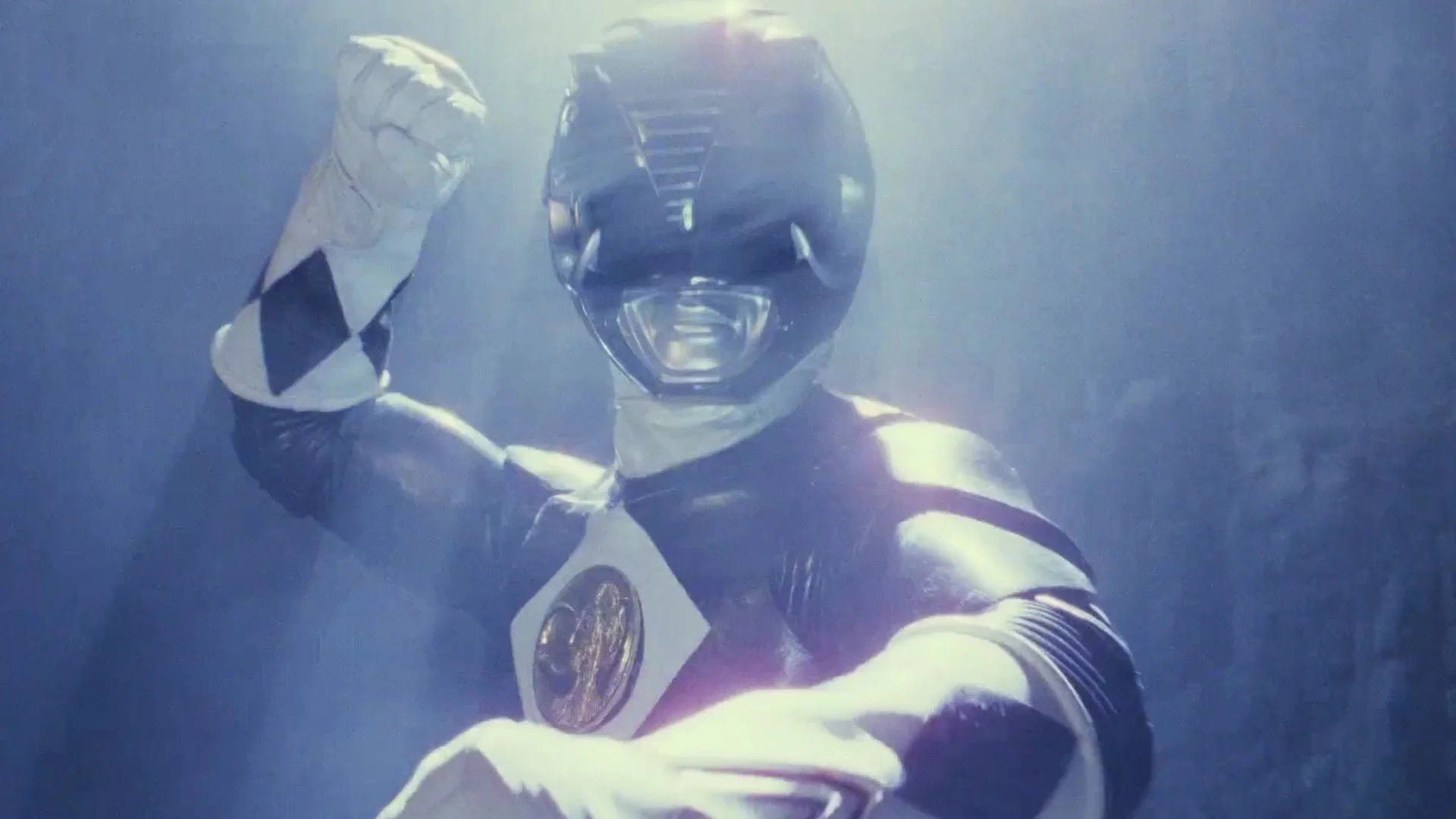
In the 1995 Power Rangers movie, the Black Ranger (Adam Park) was given the spirit of the Frog. Initially a joke in the film ("I'm a frog?"), the community has reclaimed it as a symbol of agility, hidden potential, and the "leap of faith" required in difficult situations.
Does the trend have any connection to astrology?
There is a significant overlap. Many users in 2026 map their zodiac signs to Black Ranger animals (e.g., Capricorns as Mastodons, Scorpios as Panthers, and Virgos as Ravens).
Is the trend limited to the Power Rangers franchise?
While it started there, the "Black Ranger animal trend" has evolved into a broader archetype. It now includes influences from John Wick, Batman, and various anime (like Jujutsu Kaisen), all of which contribute to the "black-clad warrior with animal-like precision" trope.
Final Recommendation
To truly master the Black Ranger animal trend, focus on consistency and subtlety. The most respected "versions" of this trend are those that don't explicitly name the animal but embody its traits through movement, fashion, and social interaction. Whether you identify with the crushing power of the Mastodon or the silent grace of the Panther, the goal is to project a sense of reliable, quiet competence. Start by auditing your digital presence: remove the "noise" and focus on the sleek, focused energy that has defined the Black Ranger for over three decades.
Image Gallery