Understanding Recent Operational Changes at the Summit Abortion Clinic in Detroit
The Summit Medical Center in Detroit has undergone significant transitions in recent years following the shift in Michigan's legal landscape regarding reproductive healthcare. These changes primarily involve the formal codification of...
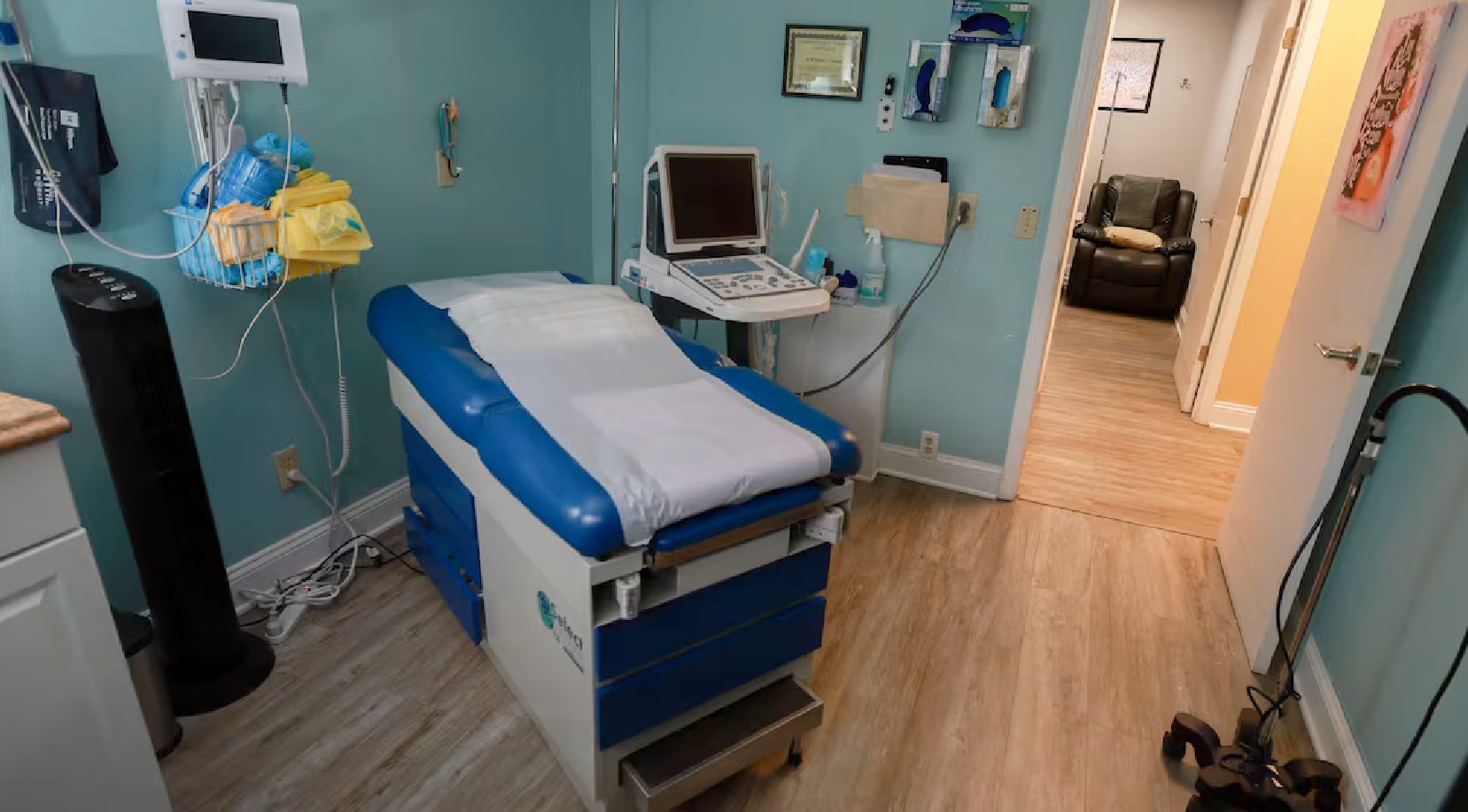
The Summit Medical Center in Detroit has undergone significant transitions in recent years following the shift in Michigan's legal landscape regarding reproductive healthcare. These changes primarily involve the formal codification of abortion rights under the Michigan Reproductive Health Act and the subsequent operational adjustments clinics have made to accommodate increased demand, updated clinical safety protocols, and evolving state-level regulatory standards for reproductive health facilities.
Contents
The Legal Context of Reproductive Healthcare in Michigan
To understand the operational shifts at clinics like the Summit Medical Center in Detroit, one must first look at the legal transformation that occurred following the 2022 midterm elections. Michigan voters passed Proposal 3, which enshrined the right to reproductive freedom—including abortion—into the state constitution. This historical shift fundamentally altered how clinics operate, moving from an environment of constant legal uncertainty and potential criminalization to one where the state is constitutionally mandated to protect access to these services.
By 2026, the legislative landscape has matured. The Michigan Reproductive Health Act (RHA) removed several antiquated restrictions that had previously burdened providers, such as specific building code requirements that were often criticized as medically unnecessary "TRAP" laws (Targeted Regulation of Abortion Providers). For the Summit Medical Center, this meant a transition away from navigating cumbersome regulatory hurdles toward a model focused on scaling capacity and integrating seamlessly with broader healthcare systems.
Operational Adjustments and Service Capacity
The most noticeable change for patients interacting with the clinic involves the expansion of services and the streamlining of the intake process. Since the legal landscape stabilized, many facilities in Michigan, including Summit, have moved toward a more integrated healthcare approach.
- Volume Management: With Michigan becoming a regional "safe haven" for patients traveling from states with restrictive abortion bans (such as Ohio, Indiana, and Kentucky), the clinic had to expand its scheduling capabilities. This has involved the adoption of advanced telehealth screening tools to ensure that patients are appropriately triaged before arriving on-site.
- Clinical Protocols: In line with current national guidelines from the American College of Obstetricians and Gynecologists (ACOG), the facility has updated its clinical pathways. This includes an increased focus on medication abortion availability, which now accounts for a significant portion of patient visits, necessitating different staffing requirements compared to surgical procedures.
- Staffing and Security: Recognizing the increased visibility of clinics in a post-Dobbs environment, there has been a documented investment in physical security measures and staff training to manage public interaction and ensure the safety of both patients and personnel.
Navigating Patient Access and Requirements in 2026
For individuals seeking care at the Summit Medical Center in 2026, the process is markedly different from the period preceding the state constitutional amendment. Access is now governed by medical standard-of-care guidelines rather than politically motivated waiting periods or mandatory biased counseling requirements that were struck down under the RHA.
Patients are encouraged to utilize the clinic's digital portals to confirm their eligibility and understand the cost structure. Because Michigan law now protects the right to choose, clinics have prioritized efficiency. However, because of the influx of out-of-state patients, wait times can fluctuate. It is standard procedure for the clinic to verify residency and insurance coverage, though the clinic remains a primary site for those seeking care regardless of their state of origin.
Comparative Overview of Clinic Operations
| Feature | Pre-2022 Environment | Current Status (2026) |
|---|---|---|
| Legal Basis | Subject to restrictive state statutes | Constitutional protection (Proposal 3) |
| Regulatory Burden | High (Targeted regulations/TRAP laws) | Standardized medical oversight |
| Patient Demographics | Primarily local residents | Significant regional/out-of-state volume |
| Service Focus | Defensive compliance | Capacity and patient throughput |
| Counseling | Mandated biased scripts | Evidence-based medical counseling |
The Role of Technology in Clinical Efficiency
One of the most significant "changes" that may not be apparent to a casual observer is the digitization of the patient intake experience. To handle the increased patient volume without compromising the quality of care, the clinic has integrated electronic health record (EHR) systems that allow for more secure and rapid communication between referring physicians and the clinic staff.
This digital transformation helps minimize the time a patient spends in the clinic by allowing for pre-registration and preliminary medical history reviews to be completed remotely. This is essential for patients traveling long distances, as it allows for a "one-stop" visit structure where the necessary diagnostic testing and consultations occur in a streamlined fashion, often allowing the procedure to be completed in a single day.
Addressing Common Challenges and Misconceptions
Despite the positive legal developments, patients often face hurdles related to insurance coverage and misinformation. A primary question for many is whether their specific insurance plan covers services at the Summit Medical Center. While the Affordable Care Act and state laws dictate certain coverage mandates, the reality of insurance networks can be complex.
It is a common mistake for patients to assume that because a clinic is legal and open, all insurance carriers are mandated to cover the full cost of the procedure without a co-pay or deductible. Patients should always verify their coverage by calling the number on the back of their insurance card, specifically asking for coverage related to "reproductive health services" or "surgical/non-surgical abortion care." The clinic’s billing department is usually equipped to assist with this verification, but proactive patient communication is the best way to avoid unexpected expenses.
Frequently Asked Questions
Is the Summit Medical Center in Detroit currently accepting new patients? Yes. The clinic continues to operate and accept patients. Because of high regional demand, it is highly recommended to book appointments through their official scheduling channels as early as possible to secure a preferred date.
Has the cost of services changed significantly in 2026? While the cost of medical services generally rises with inflation and the cost of supplies, the removal of certain state-mandated regulatory requirements has helped stabilize costs compared to what they might have been under a restrictive regulatory environment. However, costs remain variable based on the type of procedure and individual health needs.
Do I need a referral from another doctor to visit the clinic? Generally, no. The clinic operates as a direct-access facility for reproductive healthcare. However, if you are being referred for specific medical complications, having your records transferred from your primary care provider can expedite the assessment process.
Are there restrictions for out-of-state patients? No. Michigan’s current laws allow the clinic to provide care to residents from other states. The clinic is experienced in managing the logistical needs of patients who have traveled long distances to access legal, safe, and professional reproductive healthcare.
What should I bring to my appointment? You should bring a valid government-issued photo ID, your current insurance card, and any relevant medical records or medications you are currently taking. The clinic staff will provide a specific list of items during the confirmation process.
Next Steps for Prospective Patients
If you are seeking services at the Summit Medical Center in Detroit, the most critical next step is to initiate contact through their verified website or official telephone line. Avoid third-party booking sites that may provide outdated information or redirection services that do not lead to the clinic's actual scheduling system.
Verify your insurance status and, if you are traveling from out of state, inquire about the clinic’s travel support or lodging resources. The staff at the Summit Medical Center are trained to provide guidance on the logistics of your visit, ensuring that your medical care is handled with the appropriate privacy and professionalism that modern standards require. Always prioritize official communications from the clinic to ensure your information is accurate and your appointment is confirmed.
Image Gallery