How Auto Insurance Can Cover a Temporary Car: Coverage Options and Rules
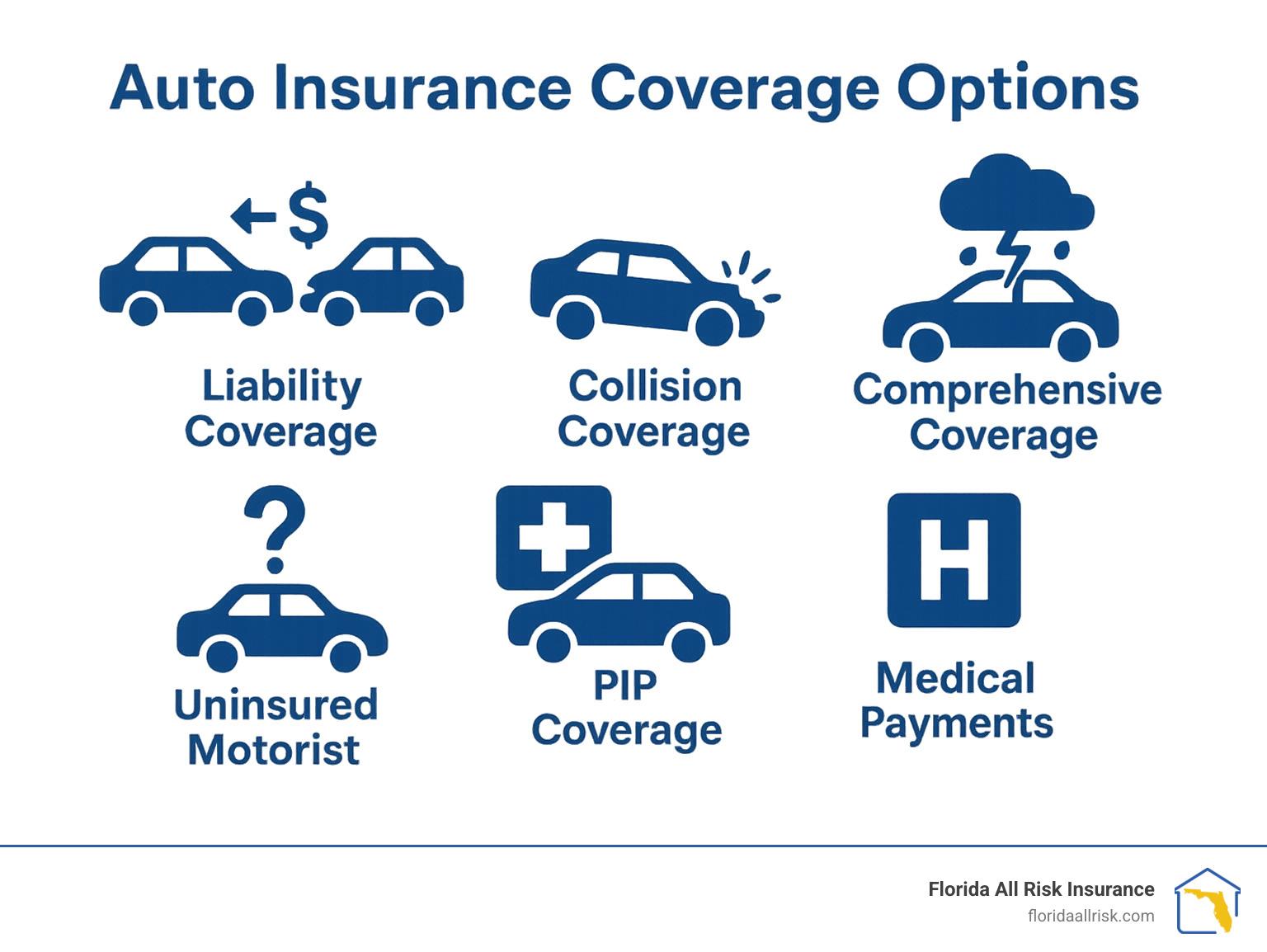
Auto insurance covers a temporary car through existing policy provisions, optional policy endorsements, or specialized short-term coverage. Most personal auto insurance policies extend liability, collision, and comprehensive protection...
Auto insurance covers a temporary car through existing policy provisions, optional policy endorsements, or specialized short-term coverage. Most personal auto insurance policies extend liability, collision, and comprehensive protections to temporary substitute vehicles, loaners, or rental cars under specific conditions. Understanding how your existing policy transfers—or where coverage gaps exist—ensures you remain fully protected on the road.
Contents
Disclaimer: Auto insurance regulations, policy terms, and legal requirements vary significantly by state and country. The information provided below is for educational purposes. Consult a licensed insurance agent or legal professional regarding your specific policy terms.
Understanding Temporary Vehicle Coverage Under Existing Policies
When you drive a car you do not own, your personal auto insurance policy does not automatically vanish. Standard auto insurance contracts issued across North America include explicit provisions regarding "non-owned vehicles" and "temporary substitute autos." However, the exact mechanics of how insurance follows the driver versus how it follows the vehicle depend heavily on contract wording and state regulations.
In general, auto insurance follows the car first and the driver second. When you borrow a vehicle with the owner's permission, the vehicle owner’s primary insurance policy responds first to any covered loss. If damages exceed the owner's policy limits, your personal auto insurance policy acts as secondary coverage to absorb the remaining liability. Conversely, if you drive a commercial rental car or a dealership loaner, your personal policy often steps up as the primary insurer for liability and physical damage, provided you carry collision and comprehensive coverage on at least one vehicle listed on your policy.
Understanding the legal definitions within your insurance agreement is crucial before taking the keys to any temporary vehicle:
- Temporary Substitute Auto: A vehicle you temporarily drive while your insured vehicle is unavailable due to breakdown, repair, servicing, loss, or destruction.
- Permissive Use: A clause allowing non-listed drivers to operate your covered vehicle occasionally with your express or implied consent.
- Non-Owned Vehicle: A vehicle not owned by, registered to, or furnished for the regular use of you or any resident relative.
Key Scenarios for Insuring a Temporary Vehicle
Different driving scenarios trigger distinct insurance clauses. Evaluating the context of your temporary vehicle use helps determine whether your current policy provides sufficient coverage or if additional protection is required.
- Temporary Vehicle Scenario
- Rental Vehicle: Personal policy liability/comp/collision transfers
- Dealership Loaner: Personal policy or dealership's garage policy
- Borrowed Car: Owner's policy primary; personal policy secondary
1. Driving a Rental Vehicle for Personal Travel
If you rent a car for personal vacation or errands, your existing personal auto insurance policy typically extends its coverage limits to the rental unit within the United States and Canada. If you maintain comprehensive and collision coverage on your personal policy, those physical damage protections carry over to the rental vehicle, subject to your policy deductible.
However, standard personal policies rarely cover administrative fees assessed by rental companies after an accident, such as loss of use (income the rental agency loses while the car is in the shop) or diminished value (the drop in resale value caused by accident history).
2. Driving a Dealership or Repair Shop Loaner Car
When your primary car is in the shop for routine maintenance or collision repair, service centers frequently supply a loaner vehicle. Insurance coverage for loaner cars generally falls under the "Temporary Substitute Auto" provision of your personal auto policy.
Under this clause, your personal insurance transfers seamlessly to the loaner vehicle, maintaining identical policy limits, liability thresholds, and physical damage deductibles. Dealerships usually require you to sign a loaner agreement confirming that your insurance acts as primary coverage while the vehicle is in your custody.
3. Borrowing a Friend or Family Member's Vehicle
Borrowing a vehicle from a friend or relative for a short duration relies primarily on the vehicle owner's policy under the permissive use doctrine. As long as you have explicit permission to drive the vehicle and do not reside in the same household, the owner's liability and physical damage coverage apply first in the event of an accident.
If you live in the same household or drive the vehicle on a regular, recurring basis, insurance carriers require you to be listed explicitly as a named driver on the owner's policy. Unlisted household drivers who operate a vehicle routinely risk claim denial under standard policy exclusion rules.
4. Buying or Test-Driving a New Vehicle
When purchasing a new or used car, insurance companies grant a contractual grace period during which your existing coverage extends to the newly acquired vehicle. This grace period typically ranges from 7 to 30 days depending on the insurance carrier and state laws.
If your policy already includes comprehensive and collision coverage on at least one existing vehicle, that physical damage protection extends to the new car during the grace period. If your current policy only carries liability coverage, the new vehicle receives only liability protection until you formally add physical damage coverage with your agent.
Standalone and Alternative Temporary Insurance Solutions
When existing auto insurance is unavailable, insufficient, or undesirable to use, alternative coverage mechanisms can bridge the gap.
Non-Owner Auto Insurance Policies
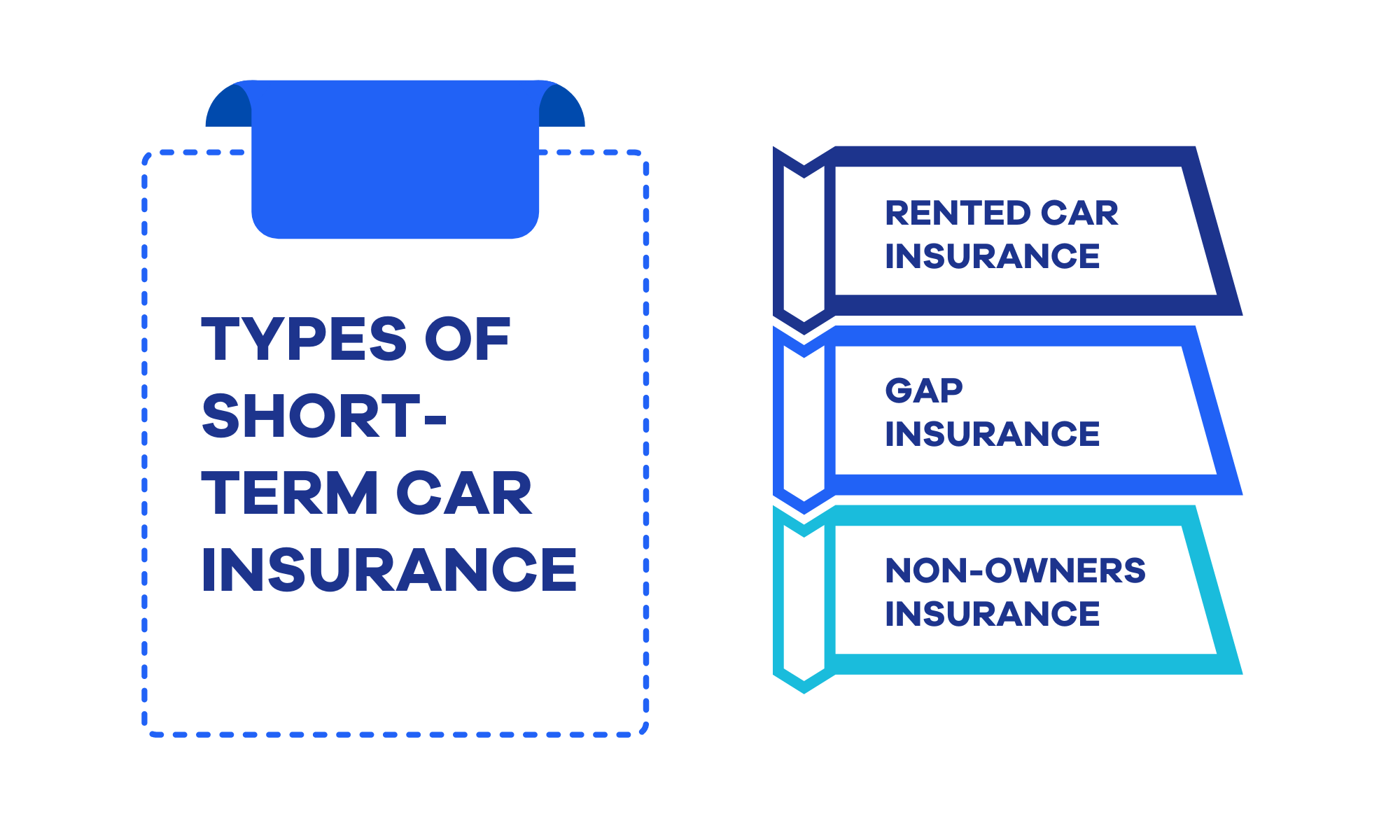
For drivers who do not own a vehicle but frequently rent or borrow cars, a non-owner auto insurance policy provides continuous liability coverage. This policy pays for bodily injury and property damage you cause to others while operating a non-owned vehicle. Non-owner policies do not include comprehensive or collision coverage for the vehicle being driven, but they prevent coverage gaps that lead to higher premium rates in the future.
Rental Car Counter Protections
Rental companies offer several voluntary insurance products at the point of sale:
- Collision Damage Waiver (CDW) / Loss Damage Waiver (LDW): Technically a contractual waiver rather than insurance, CDW transfers financial responsibility for vehicle damage, theft, loss of use, and diminished value from you to the rental company.
- Supplemental Liability Protection (SLP): Boosts third-party liability coverage up to $1,000,000 or more, protecting personal assets if an accident results in severe injury or damage.
- Personal Accident Insurance (PAI): Covers medical costs and accidental death benefits for the driver and passengers inside the rental car.
- Personal Effects Coverage (PEC): Insures personal belongings inside the rental car against theft or damage.
Credit Card Rental Insurance Benefits
Many major credit card issuers provide rental car collision coverage as a cardholder benefit, provided you book the entire rental reservation with that card and formally decline the rental agency’s CDW/LDW option.
Most credit card coverage is secondary, meaning it only pays for damages remaining after your primary personal auto insurance policy pays its share (such as covering your deductible). A select group of premium credit cards offer primary coverage, absorbing vehicle damage claims directly without involving your personal auto insurer or triggering rate increases.
Comparing Temporary Auto Coverage Options
The following table summarizes how different insurance mechanisms apply when driving a temporary vehicle, including coverage scope, primary payment responsibility, and key restrictions:
| Coverage Mechanism | Primary vs. Secondary | Covers Physical Damage to Vehicle? | Covers Third-Party Liability? | Key Limitations & Exclusions |
|---|---|---|---|---|
| Personal Auto Policy (Transfer) | Primary (for rentals/loaners) | Yes (if policy includes Comp/Collision) | Yes (up to policy limits) | Excludes loss of use, towing fees, and international travel outside US/Canada. |
| Permissive Use (Owner's Policy) | Primary (follows the car) | Yes (subject to owner's policy limits) | Yes (subject to owner's policy limits) | Excludes unlisted household members and regular, habitual drivers. |
| Non-Owner Auto Insurance | Secondary to vehicle owner's policy | No | Yes | Does not cover damage to the driven car; no comprehensive/collision available. |
| Rental Agency CDW / LDW | Primary contractual waiver | Yes | No | Voided by breach of rental agreement (e.g., unauthorized drivers, off-roading). |
| Credit Card Rental Coverage | Typically Secondary (Primary on select cards) | Yes (theft and collision damage) | No | Excludes luxury cars, long rentals (>30 days), and third-party liability claims. |
Important Factors Affecting Deductibles and Limits
When your personal policy transfers to a temporary car, the contractual terms of your existing coverage govern the claim process:
- Deductible Application: If you crash a rental car or loaner vehicle, you must pay the collision deductible specified on your personal auto policy before insurance covers the remaining repair costs.
- Policy Limit Constraints: Liability limits do not increase simply because you are driving a different or more expensive vehicle. If your policy cap is $50,000 for property damage and you damage a $90,000 temporary vehicle, you remain personally liable for the difference.
- Commercial Use Exclusions: Standard personal auto insurance policies strictly exclude coverage for business-related driving, such as rideshare driving, commercial deliveries, or corporate travel reimbursed by an employer. Business travel requires a commercial auto policy or specific business use endorsements.
To learn more about policy guidelines and driver protections, refer to resource manuals from the National Association of Insurance Commissioners (NAIC) or review consumer guides published by the Insurance Information Institute.
Action Plan: Steps to Secure Coverage Before Driving a Temporary Car
To prevent costly coverage gaps before taking control of a temporary automobile, follow this structured action plan:
Step 1: Contact Primary Insurer
- Verify policy transfer rules, deductibles, and geographic limits.
Step 2: Check Credit Card Benefits
- Confirm whether rental coverage is primary or secondary.
Step 3: Inspect the Temporary Vehicle
- Document all existing scratches and dents with dated photos/video.
Step 4: Decide on Counter Protection
- Purchase agency CDW/LDW if gaps like Loss of Use exist.
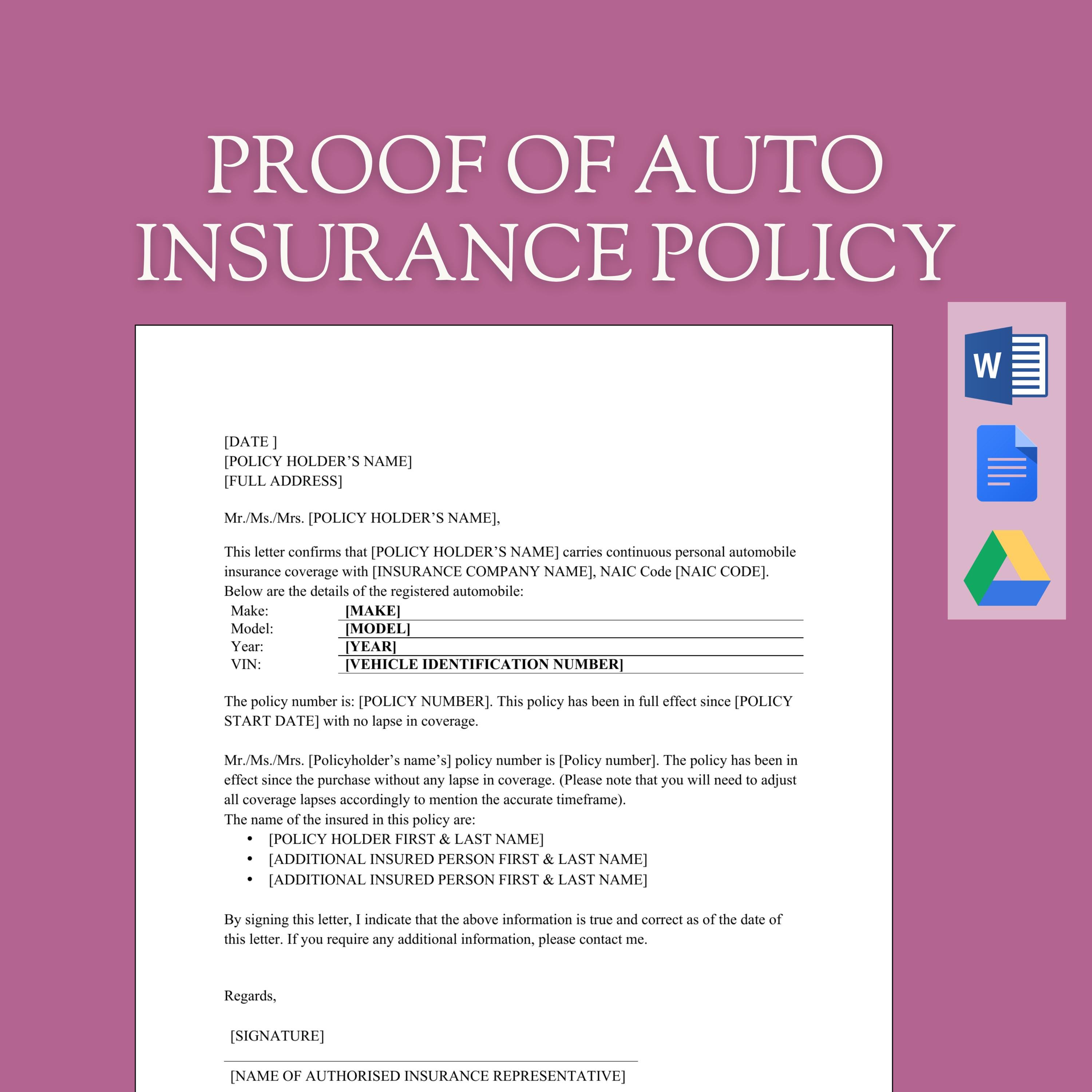
Step 5: Secure Proof of Coverage
- Carry digital or printed insurance cards and emergency phone numbers.
Contact Your Insurance Provider: Call your agent or insurer directly. Ask explicitly: "Does my current physical damage and liability coverage extend to a rental car or loaner vehicle, and does it cover loss of use charges?"
Review Credit Card Terms: If renting, call your credit card issuer to verify if rental coverage is active, whether it operates as primary or secondary insurance, and which vehicle types are excluded.
Conduct a Pre-Drive Vehicle Inspection: Before leaving a rental lot or dealership, take high-resolution photos and video of all existing exterior and interior damage. Ensure the service agent records pre-existing damage on the official rental agreement.
Evaluate the Need for Counter Coverage: If you carry only liability insurance on your personal auto policy, purchasing the rental company's Collision Damage Waiver (CDW) is strongly recommended to protect against physical vehicle damage.
Keep Proof of Insurance Accessible: Carry physical or digital copies of your personal auto insurance card, your credit card terms (if relying on card benefits), and the temporary vehicle's registration or rental contract in the vehicle at all times.
Common Pitfalls and Coverage Gaps
Failing to analyze policy nuances can lead to expensive out-of-pocket expenses following an incident in a temporary vehicle. Watch out for these frequent mistakes:
- Assuming Permissive Use Covers Household Residents: Insurance policies typically require all resident family members or co-habitants of driving age to be listed explicitly on the policy. If a family member living with you borrows your car without being listed, the insurer can deny coverage.
- Overlooking Loss of Use Charges: If a rental car is damaged, the rental agency charges a daily rate for every day the vehicle sits in a repair shop. Because standard personal insurance rarely covers "loss of use," drivers face unexpected bills totaling hundreds or thousands of dollars.
- Driving Across International Borders: Standard North American auto policies generally extend coverage to Canada, but explicitly exclude coverage in Mexico and other international destinations. Separate Mexican auto insurance must be purchased when driving across the southern US border.
- Exceeding Grace Period Limits: Relying on the temporary auto acquisition grace period without formally contacting your agent to add a newly purchased car can leave you completely uninsured if an accident occurs after the window expires.
Frequently Asked Questions
Does my liability auto insurance cover a temporary car?
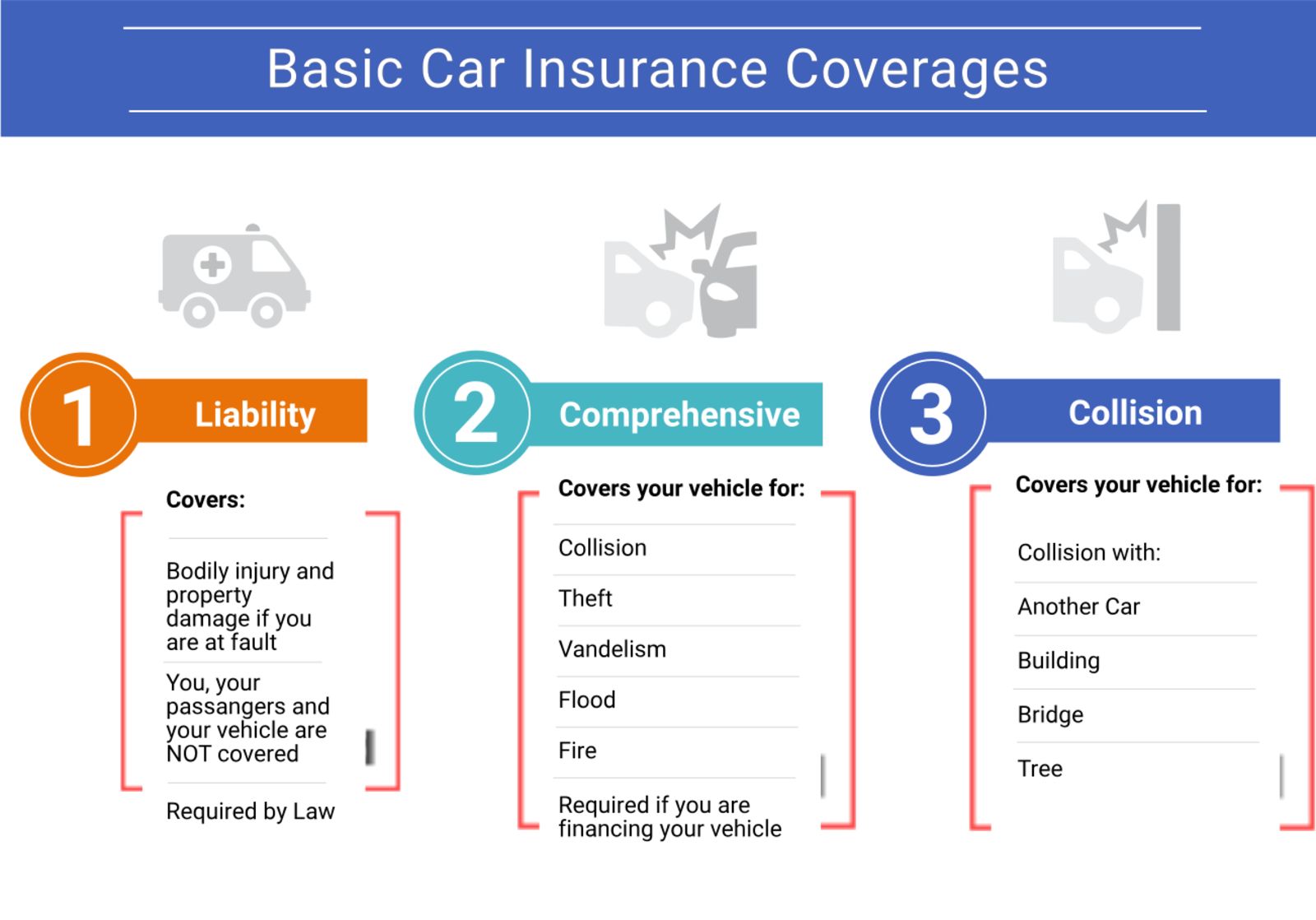
Yes, personal liability insurance typically follows you when operating a temporary substitute vehicle, loaner, or personal rental car. It covers bodily injury and property damage you cause to third parties up to your policy limits. However, liability insurance does not pay for physical damage to the temporary vehicle itself.
What happens if I get into an accident in a borrowed car?
When you borrow a car with permissive use, the owner's insurance policy acts as primary coverage for property damage and liability. If the damages exceed the owner's policy limits, your personal auto insurance acts as secondary coverage to pay the remaining costs, provided the claim meets your policy conditions.
Is credit card rental insurance enough coverage on its own?
Credit card rental insurance usually provides secondary collision and theft coverage for the rental vehicle itself, but it almost never provides third-party liability insurance. Unless you carry a personal auto policy or purchase supplemental liability insurance at the rental counter, relying solely on credit card benefits leaves you exposed to third-party injury and property claims.
Does personal auto insurance cover rental car loss of use fees?
Most standard personal auto policies do not cover loss of use or administrative fees charged by rental agencies. To protect against loss of use charges, drivers can purchase a rental endorsement from their auto insurer, pay for the rental agency's Loss Damage Waiver (LDW), or use a premium credit card that explicitly covers administrative costs.
How long does an auto insurance grace period last for a new vehicle?
Auto insurance grace periods for newly acquired vehicles typically range between 7 and 30 days, depending on your state regulations and policy terms. You must notify your insurance company before this period expires to add the vehicle officially and maintain continuous coverage.
Final Recommendation
Before operating any temporary car, verify your coverage directly with your insurance company. If your personal policy includes comprehensive and collision coverage with high liability limits, your policy transfers seamlessly to most loaners and rentals within your home country.
However, if you only carry state-minimum liability, drive internationally, or wish to avoid paying out-of-pocket for loss of use fees and insurance deductibles, purchasing the rental agency’s Damage Waiver or carrying a non-owner insurance policy is the safest path to complete financial protection.
Image Gallery