Essential Uses for Soldering Irons: A Comprehensive Guide
A soldering iron is a versatile hand tool used to join two or more metal components by melting a filler material known as solder. Its primary function is creating reliable, conductive electrical connections, though it is also widely em...
A soldering iron is a versatile hand tool used to join two or more metal components by melting a filler material known as solder. Its primary function is creating reliable, conductive electrical connections, though it is also widely employed in stained glass artistry, jewelry making, and precision mechanical repairs where permanent, heat-fused bonds are required.
Contents
Understanding the Soldering Iron
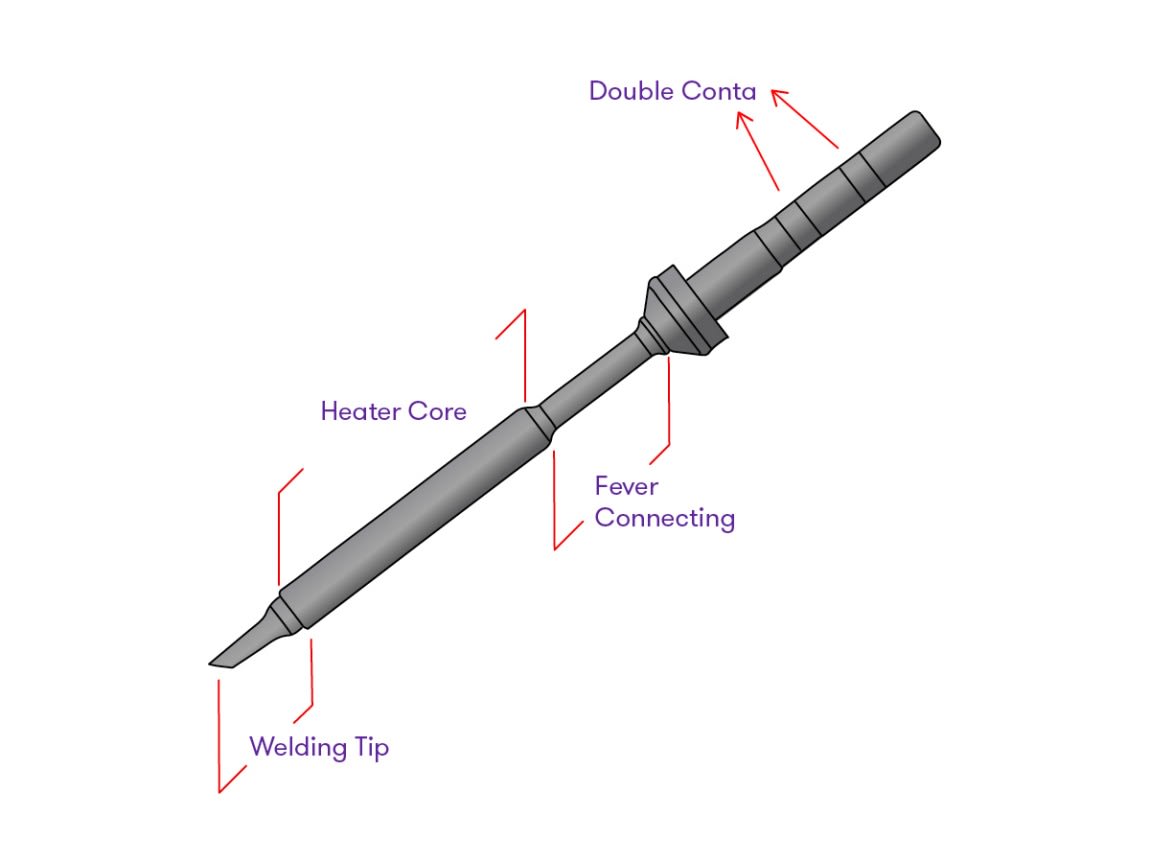
At its core, a soldering iron is a thermal device designed to reach temperatures ranging from 300°F to 900°F (150°C to 480°C). It consists of a heated metal tip—the interface between the tool and the workpiece—supported by a handle that provides thermal and electrical insulation for the user. While the fundamental operation of heating metal remains consistent, the specific application determines the power rating (measured in Watts), tip geometry, and the type of solder wire (alloy) required.
Electronic and Electrical Assembly
The most common use for a soldering iron is within the realm of electronics. Because electrical signals require low-resistance paths, soldering is the standard method for securing components to printed circuit boards (PCBs) and wiring harnesses.
PCB Component Mounting
Soldering irons allow technicians to mount through-hole components such as resistors, capacitors, integrated circuits, and transistors onto circuit boards. The process involves placing the component lead through a copper pad on the board and heating both simultaneously. Once the solder is applied, it flows into the junction, creating a "fillet" that ensures both mechanical stability and electrical conductivity.
Wire Splicing and Terminal Attachment
In electrical repair, soldering is often preferred over simple crimping for permanent, low-resistance connections. When splicing wires, tinning the conductors—applying a thin layer of solder to the exposed copper strands—prevents fraying and oxidation. This creates a solid, unified mass that is easier to secure to terminals or splice together.
Jewelry and Metalwork
Beyond electronics, jewelers utilize soldering irons for precision metal joining, particularly when working with softer metals like silver, gold, or brass.
Soft Soldering vs. Hard Soldering
It is vital to distinguish between soft soldering and brazing (often called hard soldering). Soldering irons are typically used for "soft soldering," which involves lead-free alloys with a melting point below 840°F (450°C). This is ideal for attaching jump rings, delicate clasps, or ornamental findings to jewelry pieces where excessive heat would damage the surrounding aesthetic of the metal.
Stained Glass Artistry
Stained glass fabrication is a distinct use case for the soldering iron. In this practice, copper foil is wrapped around the edges of glass pieces. The soldering iron is used to melt solder along the foil lines, fusing the individual glass segments into a single, structurally sound window or panel. Unlike electronic soldering, this requires a higher-wattage iron capable of maintaining heat over long, continuous seams.
Maintenance and Technical Repair
Soldering irons are essential tools for equipment maintenance, particularly in reviving legacy electronics or fixing modern consumer devices.
- Desoldering: Using tools like solder suckers or copper braid (wick) in conjunction with an iron, technicians can melt and remove existing solder to extract faulty components without damaging the sensitive PCB traces.
- Trace Repair: If a conductive path on a circuit board is broken, a small amount of solder or a "jumper wire" can be used to bridge the gap, restoring functionality to the device.
- Plastic Welding: While not intended for metal, soldering irons with specialized tips can be used to melt and fuse thermoplastic materials, effectively welding cracked plastic casings or joining components.
Essential Soldering Tool Comparison
| Application | Recommended Power | Typical Tip Type | Solder Type |
|---|---|---|---|
| Small Electronics | 15W–30W | Conical/Fine | 60/40 Tin-Lead or SAC305 |
| General Wiring | 40W–60W | Chisel | Lead-Free Resin Core |
| Stained Glass | 80W–100W | Large Chisel | 60/40 Tin-Lead |
| Heavy-Duty/Metal | 100W+ | Massive Chisel | Acid Core (Non-electric) |
Safety and Best Practices
Working with temperatures capable of melting metal necessitates strict safety protocols. Always operate in a well-ventilated area, as the rosin flux typically found in solder wire produces fumes that can irritate the respiratory system.
- Protective Gear: Always wear safety glasses to prevent solder splashes.
- Surface Protection: Use a heat-resistant mat or stand to prevent accidental burns to workbenches.
- Tip Maintenance: Keep the soldering tip "tinned" by maintaining a light coating of solder on it. This prevents the tip from oxidizing and losing its ability to transfer heat efficiently.
- Power Management: If using an adjustable-temperature station, start with the manufacturer's recommended temperature for the specific solder alloy to avoid damaging heat-sensitive components.
Troubleshooting Common Issues
Even experienced users encounter challenges. A "cold solder joint"—characterized by a dull, grainy appearance—often occurs when the components were not heated sufficiently. This creates a weak, high-resistance connection that may fail under vibration. To correct this, reheat the joint and add a small amount of fresh flux to facilitate proper wetting. If the solder fails to stick to the component, it is likely that the surface is oxidized; cleaning the leads with a mild abrasive or flux pen is the standard remedy.
Frequently Asked Questions
Can I use a soldering iron for welding? No. Soldering and welding are distinct processes. Welding involves melting the base metals together at extremely high temperatures, whereas soldering only melts the filler material to bond the base metals.
What is the best solder for home electronics? For general electronic hobbyist use, 60/40 (tin/lead) rosin-core solder is widely regarded as the easiest to work with due to its low melting point and excellent flow characteristics. For projects involving contact with food or medical items, always utilize lead-free alternatives.
How do I know when the tip is too oxidized to use? If the tip has turned black or gray and solder beads up and falls off rather than coating the surface, it is heavily oxidized. You can use a damp sponge, brass wool, or a specialized tip tinner to clean and re-coat the surface.
Is it safe to solder indoors? Yes, provided the area is well-ventilated. A desktop fume extractor or a simple fan to move air away from your face is recommended to avoid inhaling flux smoke.
What is the difference between a soldering iron and a soldering gun? A soldering iron is designed for continuous work, such as electronics assembly, and maintains a constant temperature. A soldering gun is intended for intermittent, high-heat tasks like heavy-duty wiring, as it reaches operating temperature rapidly upon pulling the trigger.
Next Steps To begin your first project, assess the scale of your work. For small circuit boards, prioritize an adjustable-temperature station with a fine chisel tip. For general repairs, a basic 40W fixed-wattage iron is usually sufficient. Acquire a stand, a brass tip-cleaning sponge, and a spool of rosin-core solder to complete your primary setup. If you are working on a high-value piece, practice on scrap components first to develop the coordination needed to create smooth, shiny, and durable joints.
Image Gallery