Fort Benning: Comprehensive Guide to History, Transition to Fort Moore, and Visitor Information
Fort Benning, officially renamed Fort Moore in 2023, is a United States Army installation located in the Chattahoochee River Valley spanning Georgia and Alabama, primarily in Muscogee and Chattahoochee counties. This historic military...
Fort Benning, officially renamed Fort Moore in 2023, is a United States Army installation located in the Chattahoochee River Valley spanning Georgia and Alabama, primarily in Muscogee and Chattahoochee counties. This historic military reservation serves as the premier home of the United States Army Maneuver Center of Excellence, training thousands of infantry and armor soldiers, officers, and international military personnel annually.
Contents
Historical Significance and the Evolution to Fort Moore
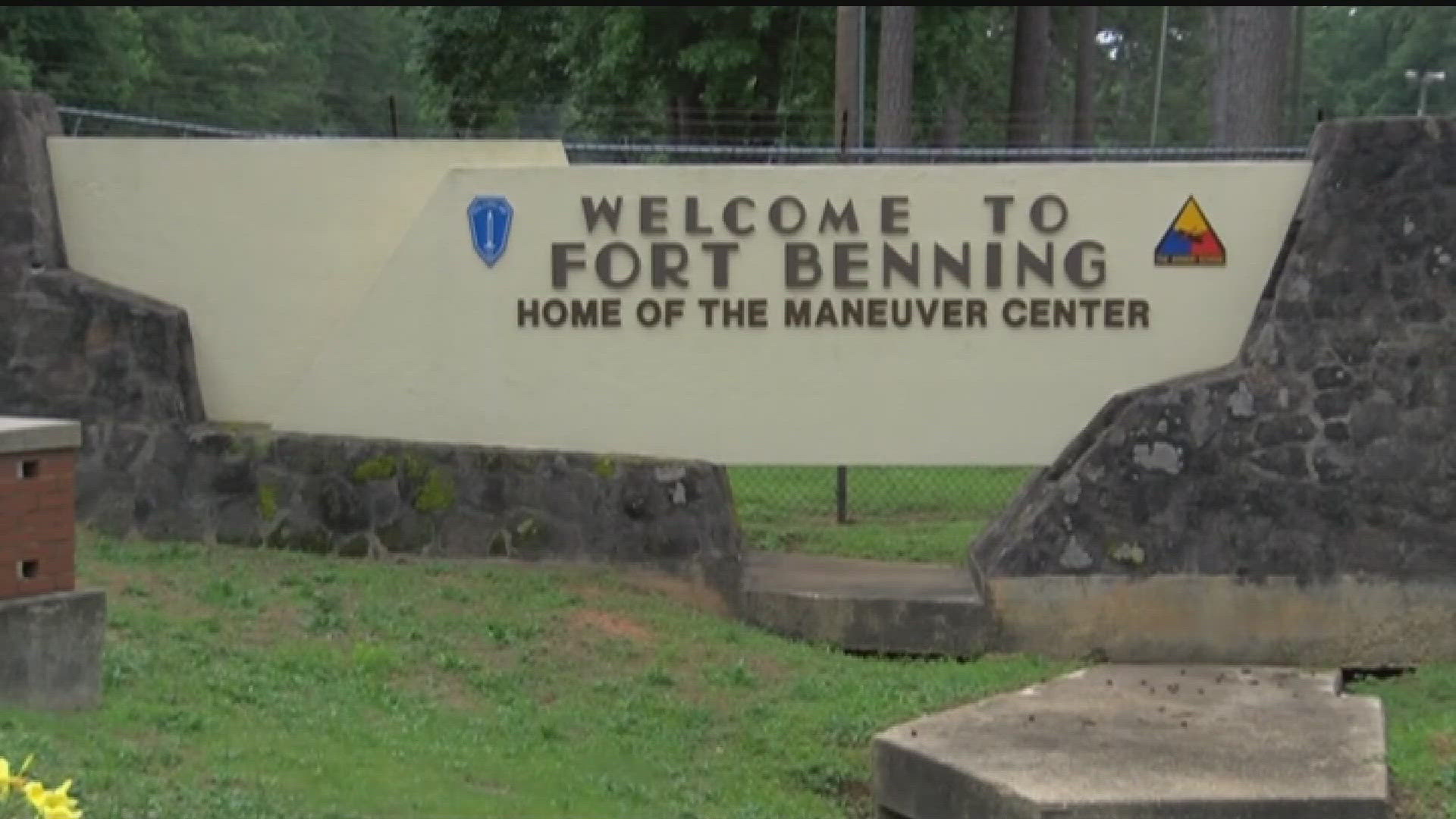
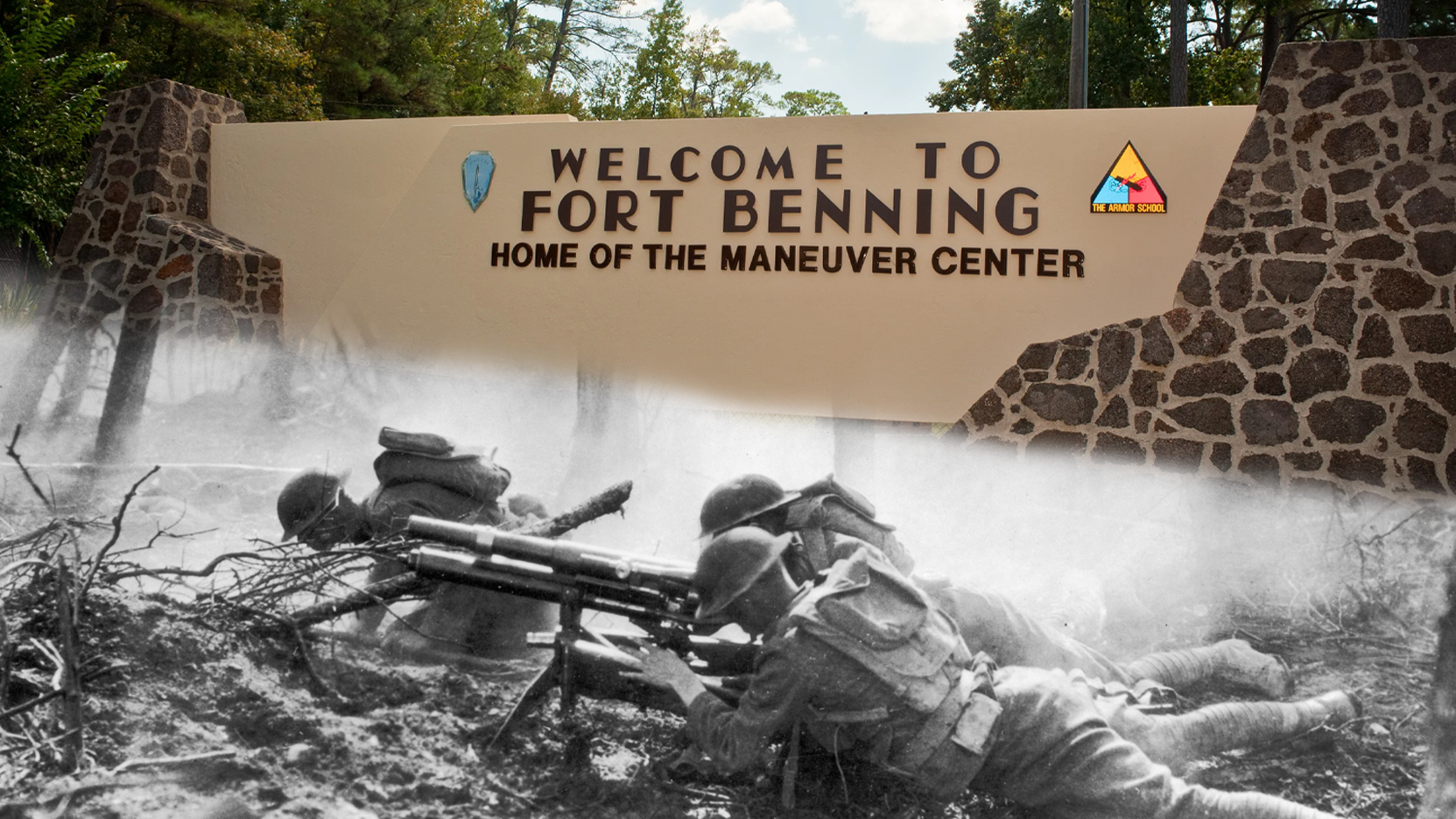
The installation was established in October 1918, near the close of World War I, and was originally named Camp Benning in honor of Brigadier General Henry L. Benning, an officer from Columbus, Georgia, who served in the Confederate States Army. In 1922, the camp was permanently established as a military post and redesignated as Fort Benning. For over a century, the base earned the moniker "Home of the Infantry," expanding its tactical capabilities to encompass airborne training, ranger assessment, and armor school instruction.
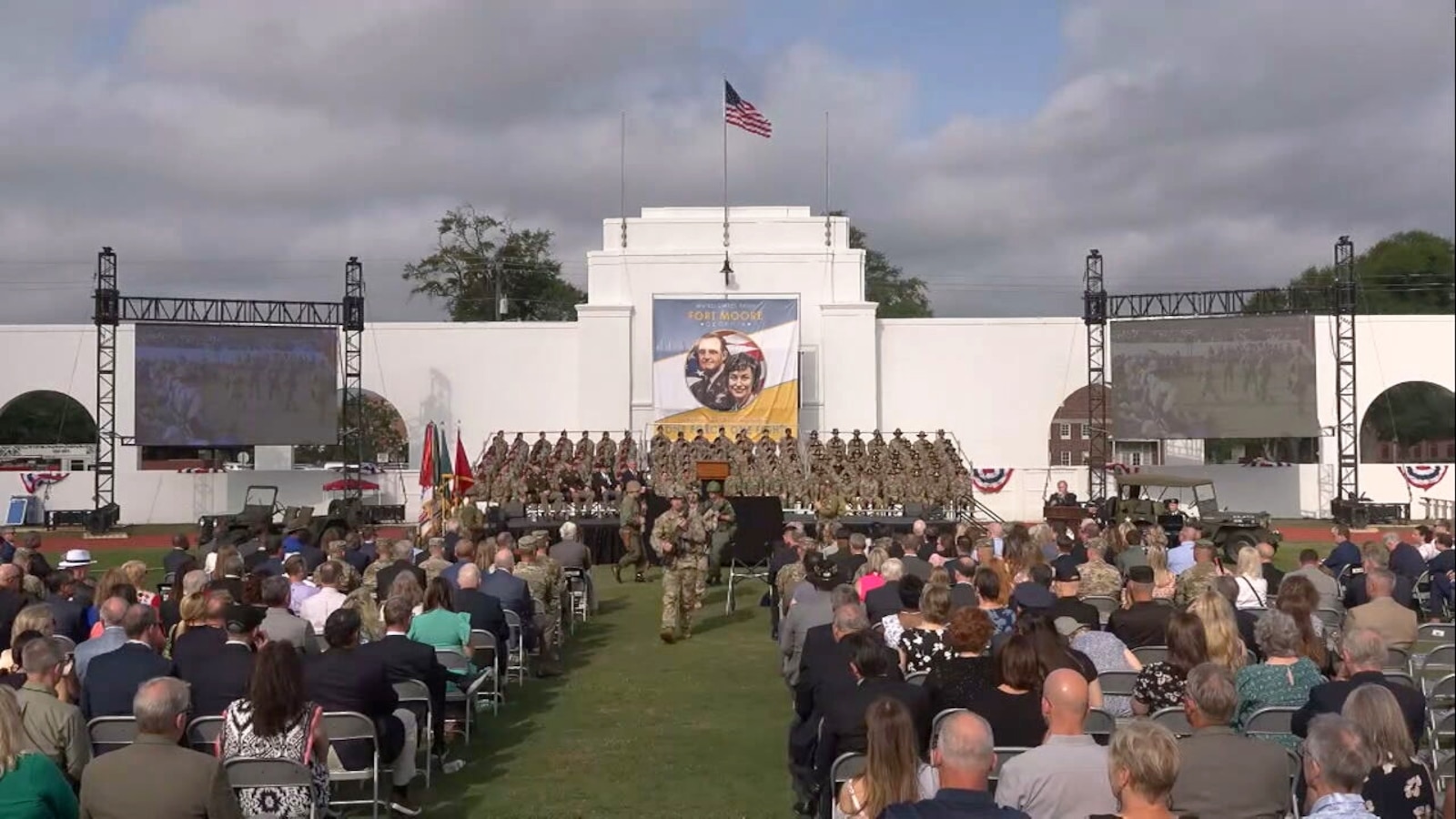
In compliance with the National Defense Authorization Act passed by Congress, the post underwent a historic renaming process to remove Confederate designations. On May 11, 2023, the installation was officially renamed Fort Moore. The new name honors Lieutenant General Hal Moore and his wife, Julia Moore. Lieutenant General Moore is celebrated for his tactical leadership of the 1st Battalion, 7th Cavalry Regiment during the historic Battle of Ia Drang in the Vietnam War, as depicted in the book and film "We Were Soldiers Once... and Young." Julia Moore revolutionized military family support systems, successfully advocating for casualty notification and survivor assistance that laid the foundation for modern military survivor benefits.
Core Military Missions and Training Units
Fort Moore remains an anchor point for United States Army combat readiness, integrating infantry and armor disciplines into a single comprehensive command structure. The Maneuver Center of Excellence coordinates curriculum design, doctrine development, and physical training standards for combat arms personnel across all active duty, Reserve, and National Guard components.
Key units and training pipelines operating at the installation include:
- The United States Army Infantry School: Responsible for basic infantry training, advanced individual training, and officer basic courses.
- The United States Army Armor School: Trains crew members, cavalry scouts, and officers on armored platforms, including the M1A2 Abrams main battle tank and the Stryker infantry carrier vehicle.
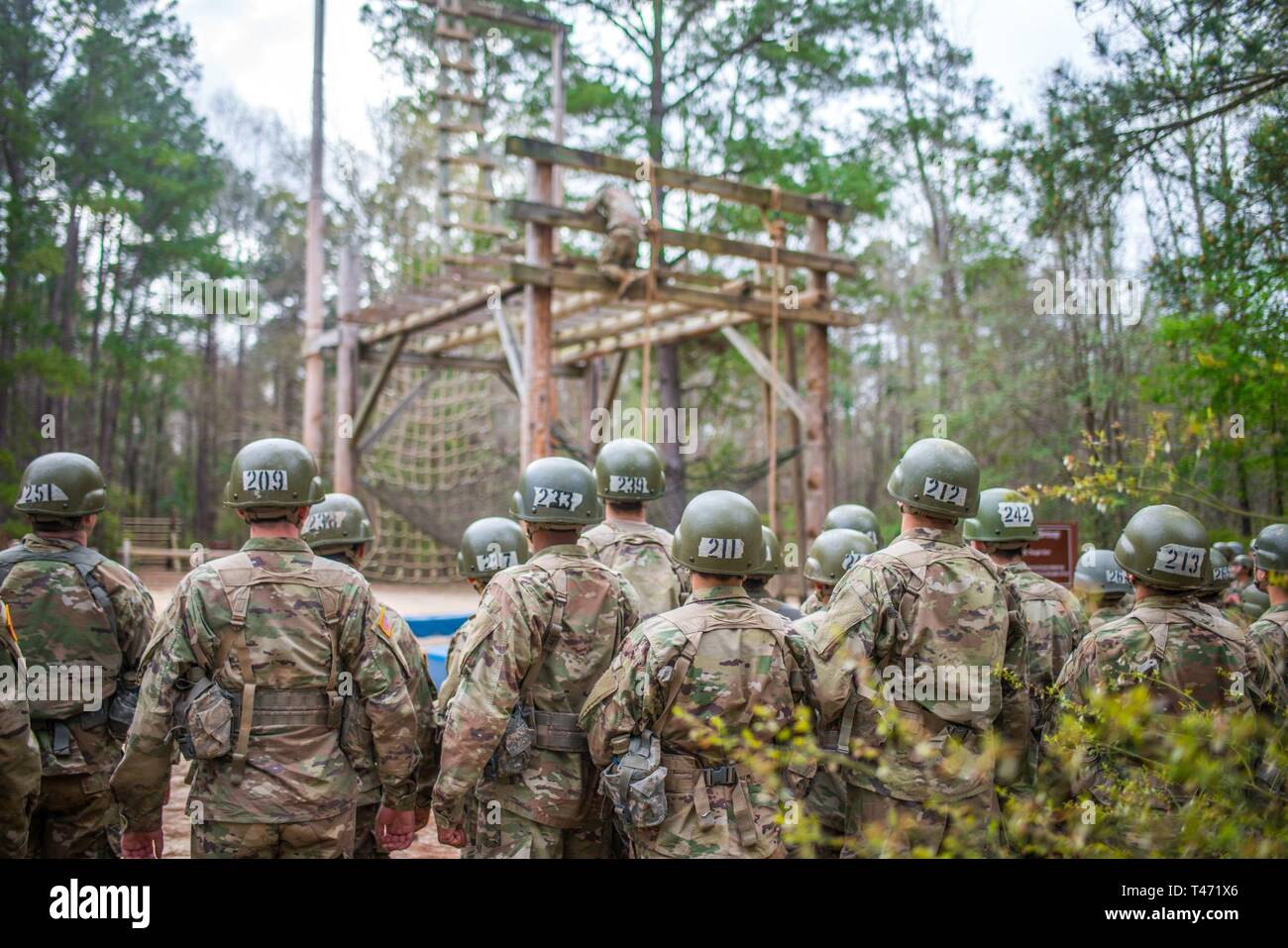
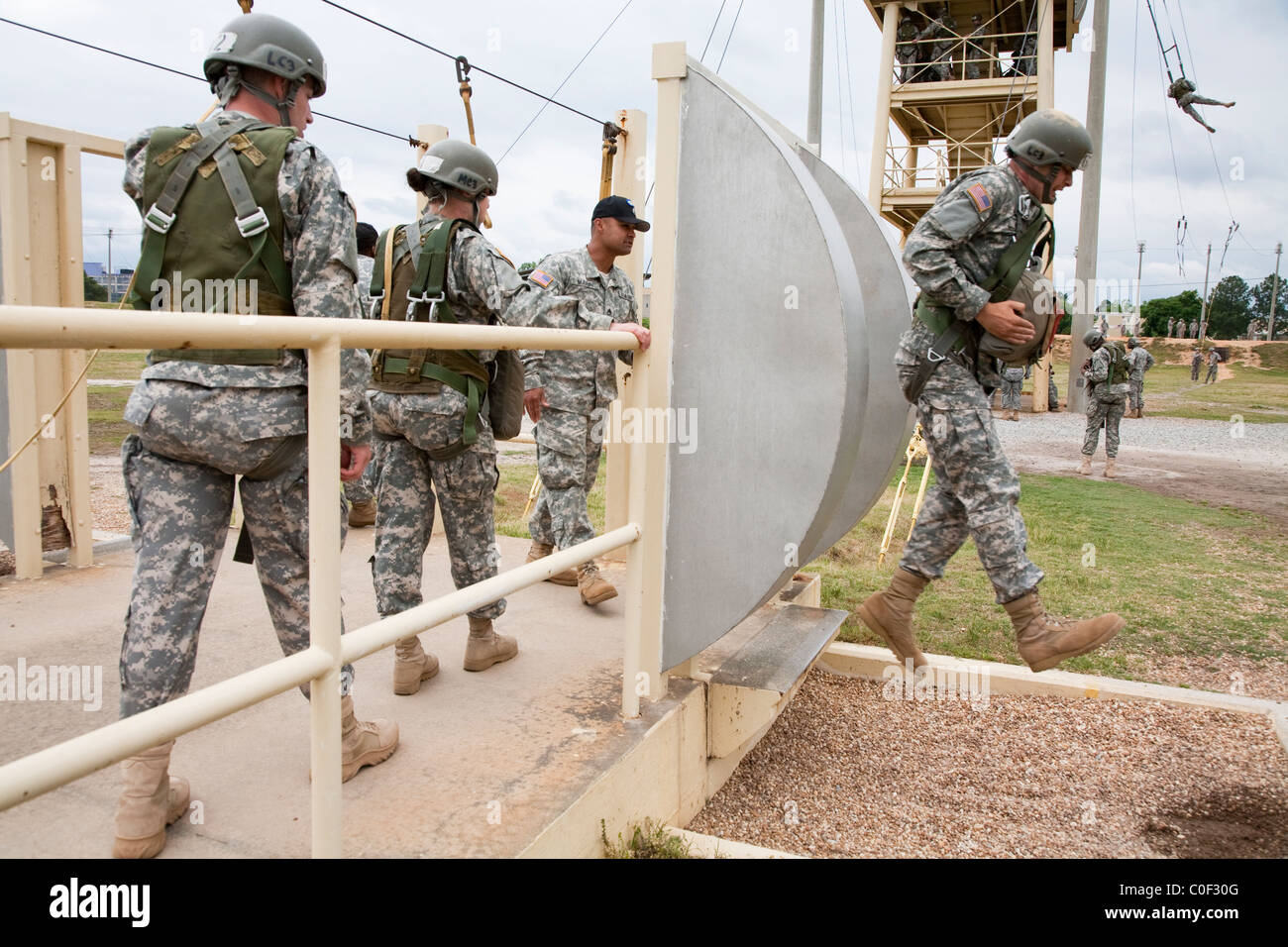
- The Airborne and Ranger Training Brigade: Conducts grueling evaluation and instruction programs, including Basic Airborne Course, Jumpmaster School, Pathfinder School, and the legendary United States Army Ranger School.
- The Western Hemisphere Institute for Security Cooperation (WHINSEC): Provides professional military education and training to military, law enforcement, and civilian personnel from Western Hemisphere nations.
Geographic Layout, Regional Infrastructure, and Access
Straddling the Georgia-Alabama state line with the vast majority of its infrastructure located south of Columbus, Georgia, Fort Moore covers approximately 182,000 acres of terrain. The installation features diverse geographical environments, ranging from sandy coastal plains to dense pine forests, which provide optimal conditions for tactical maneuvers and live-fire exercises.
Visitors, contractors, and incoming personnel must navigate specific security protocols to gain entry to the installation:
- Visitor Control Center (VCC): Located outside the main access points, where all non-Department of Defense ID holders must undergo background screening and obtain temporary pass credentials.
- Primary Access Gates: Including the Benning Road Gate, I-185 Gate, and Lindsey Creek Parkway Gate, which manage heavy daily commuter traffic.
- Transportation Access: Situated directly accessible via Interstate 185, connecting the installation to Columbus, Georgia, and regional transit corridors leading to Atlanta and Montgomery.
| Gate Name | Operational Status | Primary Purpose / Restrictions |
|---|---|---|
| Benning Road Gate | Open 24/7 (Subject to change) | Primary historic access point near main garrison areas and administrative headquarters. |
| I-185 Gate | Open 24/7 | High-capacity corridor handling primary interstate commuter traffic and freight logistics. |
| Lindsey Creek Parkway Gate | Restricted / Peak Hours | Manages commuter flow for personnel accessing medical facilities and southern training areas. |
| Harmony Church Gate | Limited Hours | Dedicated access point for remote training complexes, ranges, and armor facilities. |
Major On-Post Facilities and Community Services
Fort Moore operates as a self-sustaining municipality, featuring robust infrastructure designed to support active-duty service members, their families, civilian contractors, and military retirees.
- Martin Army Community Hospital (MACH): A state-of-the-art, multi-story medical facility offering comprehensive inpatient, outpatient, emergency, and specialty healthcare services to eligible beneficiaries.
- Housing and Lodging: Managed through privatized partnerships offering modern residential communities, alongside temporary lodging facilities like theIHG Army Hotels on post for incoming families and transient trainees.
- MWR (Morale, Welfare, and Recreation): Operates fitness centers, swimming pools, bowling alleys, outdoor recreation areas, and leisure travel offices.
- Education and Transition Services: Provides academic counseling, vocational training, and employment assistance through the Soldier for Life-Transition Assistance Program (SFL-TAP).
National Infantry Museum and Tourism
Beyond its active military function, Fort Moore is a prominent regional destination for military history enthusiasts. The National Infantry Museum and Soldier Center, located just outside the installation gates on Benning Road, is a world-class facility dedicated to preserving the history of the United States Army infantryman.
Visitors to the museum complex can explore:
- Interactive galleries showcasing artifacts from the American Revolution to modern counter-terrorism operations.
- The Vietnam Memorial Park, featuring a replica of an operational base camp and a moving tribute wall.
- The Dignity Memorial Vietnam Wall, a 3/4-scale replica of the national monument in Washington, D.C.
- The WWII Company Street, preserving authentic wooden barracks, mess halls, and orderly rooms from the 1940s training era.
Frequently Asked Questions
What is the difference between Fort Benning and Fort Moore?
Fort Benning and Fort Moore refer to the exact same military installation. The post was officially renamed Fort Moore in May 2023 to honor Lieutenant General Hal Moore and Julia Moore, replacing the previous Confederate-derived designation in compliance with congressional mandates.
How do visitors access Fort Moore?
Visitors without a Department of Defense ID card must report to the Visitor Control Center near the main gates to submit a valid government-issued photo ID, vehicle registration, and proof of insurance for a background check before receiving a temporary pass.
What units are stationed at Fort Moore?
Fort Moore is the headquarters of the Maneuver Center of Excellence, housing the United States Army Infantry School, Armor School, Airborne and Ranger Training Brigade, and various support and medical units.
Can civilians visit the National Infantry Museum?
Yes, the National Infantry Museum is open to the general public and is located immediately outside the installation boundaries, allowing visitors to tour exhibitions without requiring a military security pass.
What medical facilities are available on the installation?
Martin Army Community Hospital serves as the primary healthcare hub for service members, families, and retirees, offering comprehensive emergency, surgical, and primary care services.
Strategic Conclusion and Recommendations for Visitors
Navigating Fort Moore requires careful attention to security protocols, facility locations, and installation guidelines. Whether you are an incoming service member reporting for initial entry training, a family member relocating to the Chattahoochee Valley, or a civilian tourist visiting the National Infantry Museum, preparation is essential. Ensure that you verify current gate operating hours, carry valid identification documentation, and utilize official Department of Defense resources for the most up-to-date travel and access advisories.
Image Gallery