Taxation of Life Insurance When Given: A Comprehensive Guide to Transfers and Gifts
When a life insurance policy is given to another person or entity, the primary tax implications involve federal gift taxes on the policy's current value and potential estate tax inclusion if the original owner dies within three years o...
When a life insurance policy is given to another person or entity, the primary tax implications involve federal gift taxes on the policy's current value and potential estate tax inclusion if the original owner dies within three years of the transfer. While the death benefit remains generally income tax-free to the beneficiary, "giving" a policy with an outstanding loan can inadvertently trigger income tax under the transfer-for-value rule.
Contents
Transferring ownership of a life insurance policy—often referred to as "gifting" or "assigning" the policy—is a sophisticated estate planning strategy. Whether you are giving a policy to a child, a spouse, or an Irrevocable Life Insurance Trust (ILIT), the IRS views this action as a transfer of a capital asset. In 2026, with the sunset of various provisions from the Tax Cuts and Jobs Act (TCJA) of 2017, understanding the nuances of gift tax exclusions and estate tax thresholds is more critical than ever for high-net-worth individuals and middle-market families alike.
The Legal Definition of "Giving" a Policy
In the context of life insurance, "giving" does not mean simply naming someone as a beneficiary. Naming a beneficiary is a revocable action that carries no immediate tax consequence because the policy owner retains "incidents of ownership."
True gifting occurs when the owner executes an absolute assignment, transferring all legal rights, titles, and interests to another party. These rights include:
- The right to change the beneficiary.
- The right to surrender or cancel the policy.
- The right to borrow against the cash value.
- The right to assign the policy as collateral for a loan.
Once these rights are surrendered, a gift has occurred in the eyes of the IRS, triggering a need for valuation and reporting.
Valuation of a Life Insurance Gift
You cannot simply use the "face value" (death benefit) of the policy to determine the size of the gift for tax purposes. Because the insured is still alive, the gift's value is based on the policy's current worth, which varies by policy type.
Permanent Life Insurance (Whole Life or Universal Life)
For a policy that is "paid up," the gift value is generally the replacement cost—what the insurer would charge for a single-premium policy of the same face amount for an individual of the insured's current age. For policies currently in the premium-paying stage, the value is the Interpolated Terminal Reserve (ITR) plus any unearned premiums paid beyond the date of the gift. The ITR is a technical figure provided by the insurance company that represents the reserve the insurer holds for that specific policy.
Term Life Insurance
Gifting a term life insurance policy is simpler but less common for estate planning. The value of the gift is typically the "unearned premium." For example, if you paid an annual premium of $1,200 on January 1st and gave the policy away on July 1st, the gift value would be $600.
Federal Gift Tax Implications in 2026
As of 2026, the federal gift tax landscape has shifted following the expiration of the temporary high exemptions of the early 2020s.
The Annual Exclusion
The first line of defense against gift taxes is the Annual Gift Tax Exclusion. In 2026, an individual can give up to a certain amount (adjusted for inflation, typically around $18,000–$19,000) to any number of people without filing a gift tax return. If the value of the life insurance policy is below this threshold, no tax is owed, and no reporting is required. If the policy value exceeds this, the donor must file IRS Form 709.
The Lifetime Exemption
Amounts exceeding the annual exclusion count against the donor's lifetime gift and estate tax exemption. In 2026, following the sunset of the TCJA, this exemption has reverted to approximately $7 million (adjusted for inflation) per person. For many, gifting a policy is a way to "freeze" the value of an asset. By giving away a policy worth $50,000 today, the owner removes the eventual $2 million death benefit from their taxable estate, effectively leveraging their exemption.
The Three-Year Look-Back Rule (Section 2035)
One of the most significant risks when giving a life insurance policy is Internal Revenue Code Section 2035. If the original owner transfers ownership of a policy and dies within three years of the transfer date, the IRS "looks back" and pulls the entire face value of the death benefit back into the deceased's gross estate for tax purposes.
This rule is designed to prevent "deathbed transfers" intended to dodge estate taxes. To avoid this, many taxpayers choose to have an Irrevocable Life Insurance Trust (ILIT) apply for a new policy directly, rather than transferring an existing one. If the trust is the original applicant and owner, the three-year rule does not apply because the insured never held incidents of ownership.
Income Tax and the "Transfer for Value" Trap
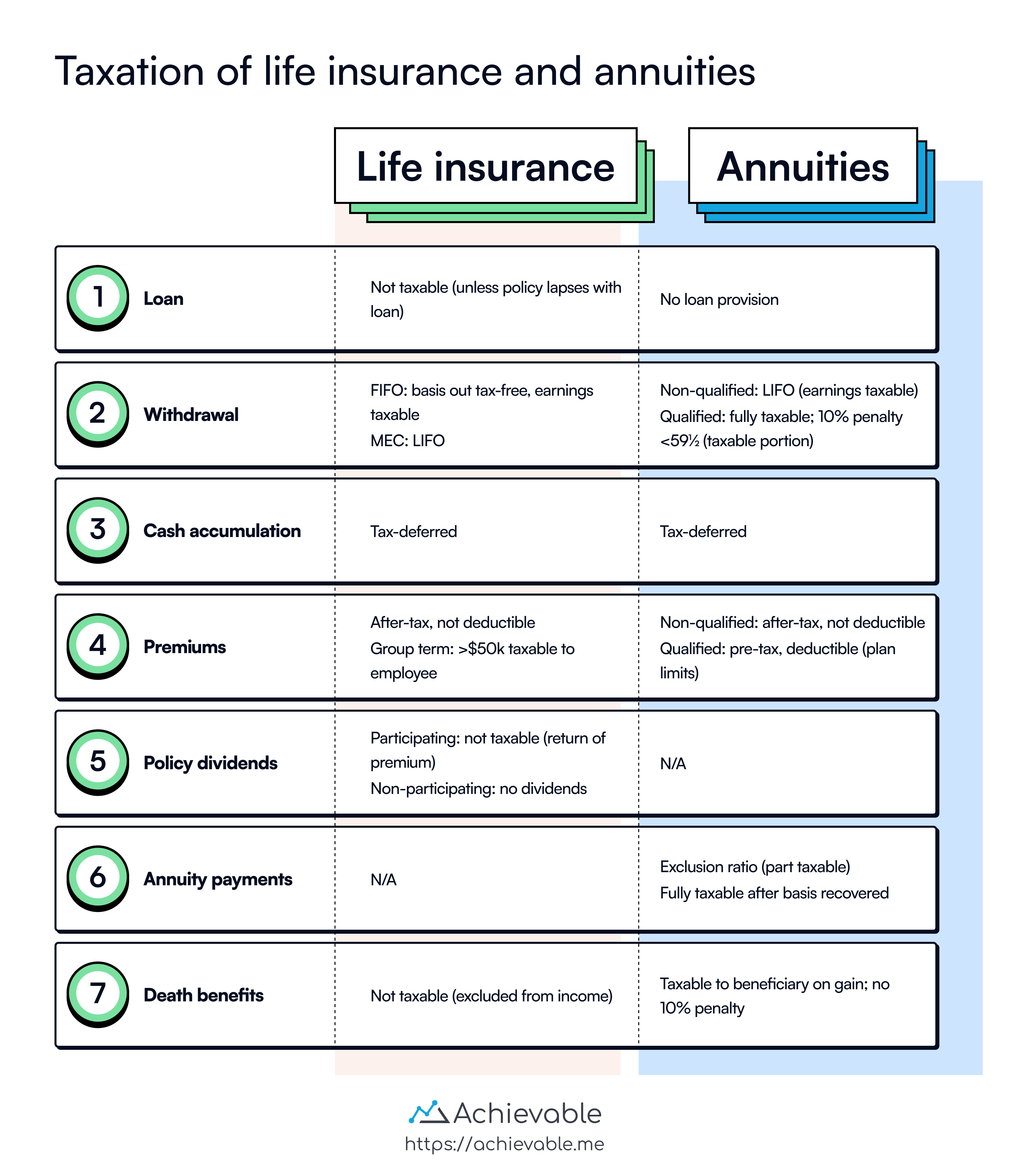
While life insurance death benefits are generally received income tax-free under Section 101(a)(1), "giving" a policy can sometimes backfire, making the proceeds taxable. This occurs through the Transfer for Value Rule.
If a policy is transferred for "valuable consideration," the tax-free status is lost. The beneficiary will only receive the amount of the consideration plus subsequent premiums tax-free; the remainder is taxed as ordinary income.
When a "Gift" Becomes a "Sale"
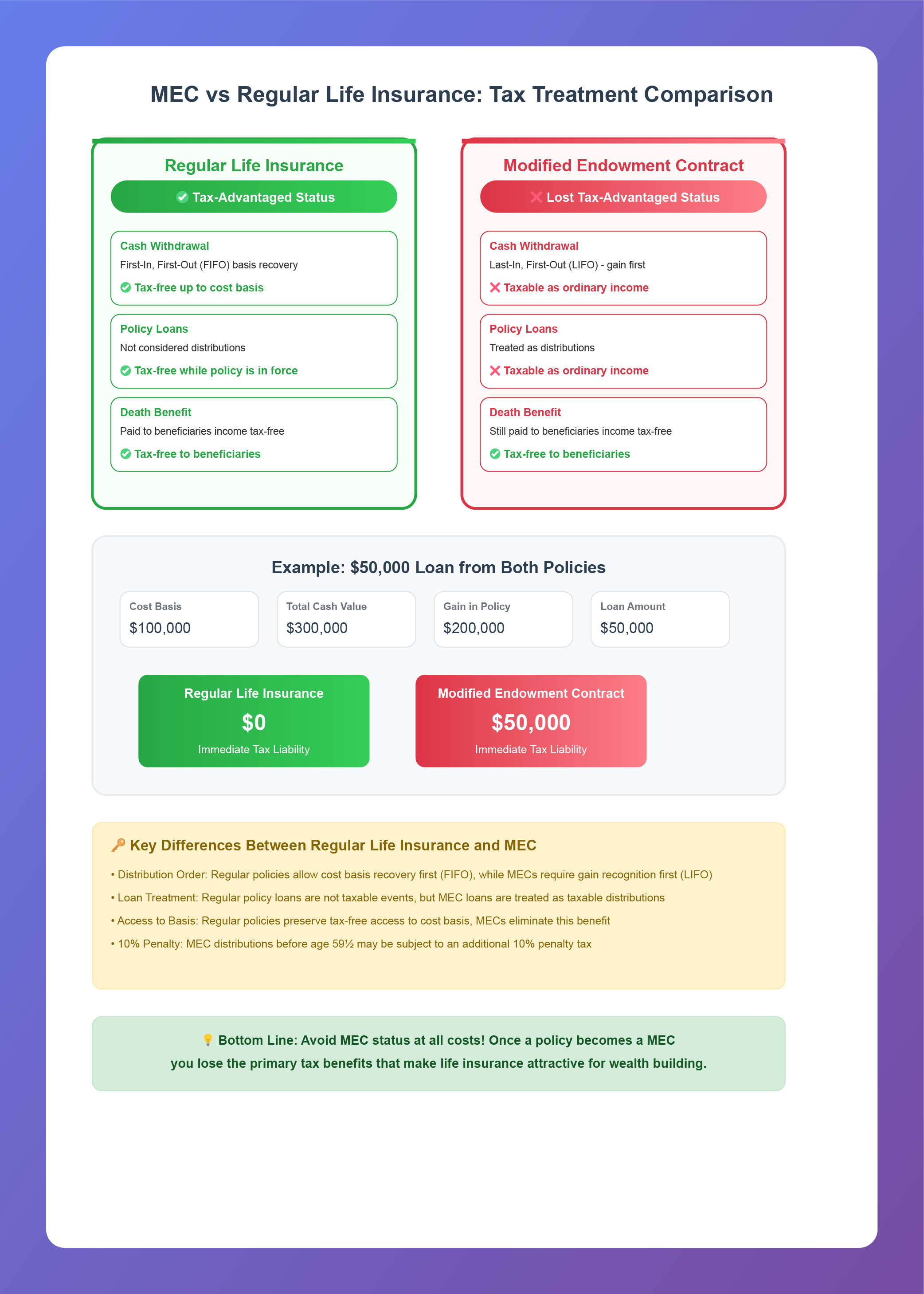
A common mistake occurs when a policyholder gives away a policy that has an outstanding policy loan. If the loan amount exceeds the owner's cost basis (total premiums paid), the IRS may view the transfer as a partial sale because the new owner is assuming the debt. This "relief of debt" constitutes consideration, potentially triggering both immediate income tax for the donor and stripping the policy of its tax-exempt death benefit status for the recipient.
Exceptions to the Transfer for Value Rule
The IRS provides "Safe Harbors" where a transfer for value does not result in the loss of tax-free death benefits. These include transfers to:
- The insured person themselves.
- A partner of the insured.
- A partnership in which the insured is a partner.
- A corporation in which the insured is a shareholder or officer.
Gifting to a Charitable Organization
Giving a life insurance policy to a qualified 501(c)(3) charity is a potent philanthropic tool. When you transfer absolute ownership to a charity:
- Immediate Deduction: You may be eligible for a charitable income tax deduction roughly equal to the lesser of the policy's value (ITR) or your cost basis.
- Premium Deductions: If you continue to pay the premiums on the policy now owned by the charity, those payments are also deductible as charitable contributions.
- Estate Removal: The death benefit is removed from your taxable estate, reducing potential estate tax liability.
Summary of Tax Consequences by Transfer Type
The following table outlines how different types of "giving" impact various tax categories in 2026.
| Transfer Type | Gift Tax Impact | Estate Tax Impact | Income Tax Impact |
|---|---|---|---|
| Direct Gift to Individual | Based on ITR/Replacement cost; counts against annual/lifetime limits. | Included in estate if donor dies within 3 years. | Generally none, unless a loan is attached to the policy. |
| Transfer to an ILIT | Complex; usually requires "Crummey Powers" to use annual exclusion. | Removed from estate if 3-year rule is satisfied. | Generally none; death benefit remains tax-free. |
| Charitable Gift | No gift tax (charitable deduction applies). | Fully removed from gross estate. | Possible income tax deduction for donor. |
| Naming a Beneficiary | None (not a completed gift). | Full face value included in donor's estate. | Death benefit is income tax-free to recipient. |
Common Pitfalls to Avoid
1. The "Unholy Trinity" (Goodman Triangle)
In insurance planning, a "Goodman Triangle" occurs when three different people occupy the roles of the insured, the owner, and the beneficiary. For example, if a wife owns a policy on her husband’s life and names their child as the beneficiary, the IRS views the death benefit as a gift from the wife to the child at the moment of the husband's death. This can trigger massive, unexpected gift taxes on the full face value of the policy. To avoid this, the owner and the beneficiary should generally be the same person or entity.
2. Failure to File Form 709
Many taxpayers assume that because no "cash" changed hands, no tax return is needed. However, any transfer of a permanent life insurance policy where the ITR exceeds the annual exclusion ($18k–$19k in 2026) must be reported on a gift tax return. Failing to do so can lead to penalties and complicates the eventual settling of the estate.
3. Ignoring the Cost Basis
Before giving a policy, calculate your cost basis (total premiums paid minus any dividends or withdrawals). If the policy's value has grown significantly or if there is a loan, the tax consequences of a transfer change. If the loan is greater than the basis, you will owe income tax on the "gain" at the time of the gift.
Frequently Asked Questions
Can I give my life insurance policy to my spouse tax-free?
Yes. Under the Unlimited Marital Deduction, you can transfer ownership of a life insurance policy to your spouse without triggering gift taxes, provided your spouse is a U.S. citizen. However, this may not be an effective estate planning strategy, as the death benefit will still be included in the surviving spouse's estate.
What happens if I give away a policy but keep paying the premiums?
Each premium payment you make on a policy you no longer own is considered a new gift to the new owner. If the premium exceeds the annual exclusion, it will count against your lifetime exemption and require a gift tax filing.
Does the three-year rule apply to term insurance?
Yes. Even though term insurance has no cash value, the transfer of the right to the death benefit is subject to Section 2035. If you transfer a term policy and die within three years, the entire death benefit is included in your taxable estate.
How do I get the "Interpolated Terminal Reserve" value?
You must request a Form 712 from your life insurance company. This is the official IRS document where the insurer calculates and certifies the value of the policy for gift or estate tax purposes.
Is the death benefit of a "given" policy taxable to the beneficiary?
Usually, no. Life insurance proceeds are exempt from income tax under Section 101(a). However, if the "Transfer for Value" rule was triggered during the gift (e.g., due to a policy loan), a portion of the proceeds may become taxable as ordinary income.
Final Recommendation
Taxation of life insurance when given is a high-stakes area of financial planning where small clerical errors can lead to six-figure tax bills. Because 2026 marks a period of significant transition in estate tax exemptions, you should not execute an ownership transfer without a current valuation (Form 712) and a review by a qualified tax attorney or CPA. If the goal is to reduce your taxable estate, consider using an Irrevocable Life Insurance Trust to avoid the three-year look-back rule entirely.
Image Gallery