The Prince and Princess of Sweden Explained: Roles, Titles, and Succession
In Sweden, the titles of Prince and Princess are held by members of the House of Bernadotte, but their official status changed significantly following a 2019 royal decree. Currently, the "Royal House" includes those who perform officia...
In Sweden, the titles of Prince and Princess are held by members of the House of Bernadotte, but their official status changed significantly following a 2019 royal decree. Currently, the "Royal House" includes those who perform official duties for the King, such as Crown Princess Victoria, Prince Daniel, Prince Carl Philip, and Princess Sofia, while other grandchildren of the King hold the titles personally without being part of the formal Royal House.
Contents
The Swedish monarchy is one of the oldest in the world, yet it has undergone radical modernization over the last half-century. To understand who the princes and princesses of Sweden are in 2026, one must distinguish between the Royal House (those who represent the state) and the Royal Family (the broader kin of King Carl XVI Gustaf). This distinction is not merely social; it dictates who receives state funding, who carries the style of "Royal Highness," and who is expected to fulfill a lifetime of public service.
The Constitutional Framework of Swedish Royalty
The status of Swedish royalty is governed by the Act of Succession, one of Sweden’s four fundamental laws. Originally established in 1810, the act was drastically amended in 1979 (taking effect on January 1, 1980) to introduce absolute primogeniture. This change ensured that the eldest child of the monarch, regardless of gender, would be the heir to the throne.
This legal shift is the reason why Victoria is the Crown Princess, despite having a younger brother, Carl Philip. Before 1980, Carl Philip was born as Crown Prince, but the retroactive change in law moved his sister ahead of him in the line of succession. Today, the titles of Prince and Princess are granted by the monarch, but the right to succeed to the throne is strictly regulated by this constitutional act.
The 2019 Reform: Narrowing the Royal House
A pivotal moment in the modern history of the Swedish monarchy occurred in October 2019. King Carl XVI Gustaf announced a major restructuring of the Royal House to manage the increasing number of members in the line of succession.
Under this reform, the children of Prince Carl Philip and Princess Sofia, as well as the children of Princess Madeleine and Mr. Christopher O'Neill, were removed from the Royal House. While they retain their titles of Prince and Princess and their places in the line of succession, they are no longer styled as "His/Her Royal Highness" (HRH). Furthermore, they are not expected to perform official duties as adults and will not receive the "apanage" (the taxpayer-funded annual grant) for their personal upkeep.
This move was widely seen as a proactive measure to keep the monarchy relevant and fiscally responsible, allowing the King's grandchildren to lead more private lives and pursue careers without the constraints of royal protocol.
Profiles of the Primary Princes and Princesses
Crown Princess Victoria and Prince Daniel
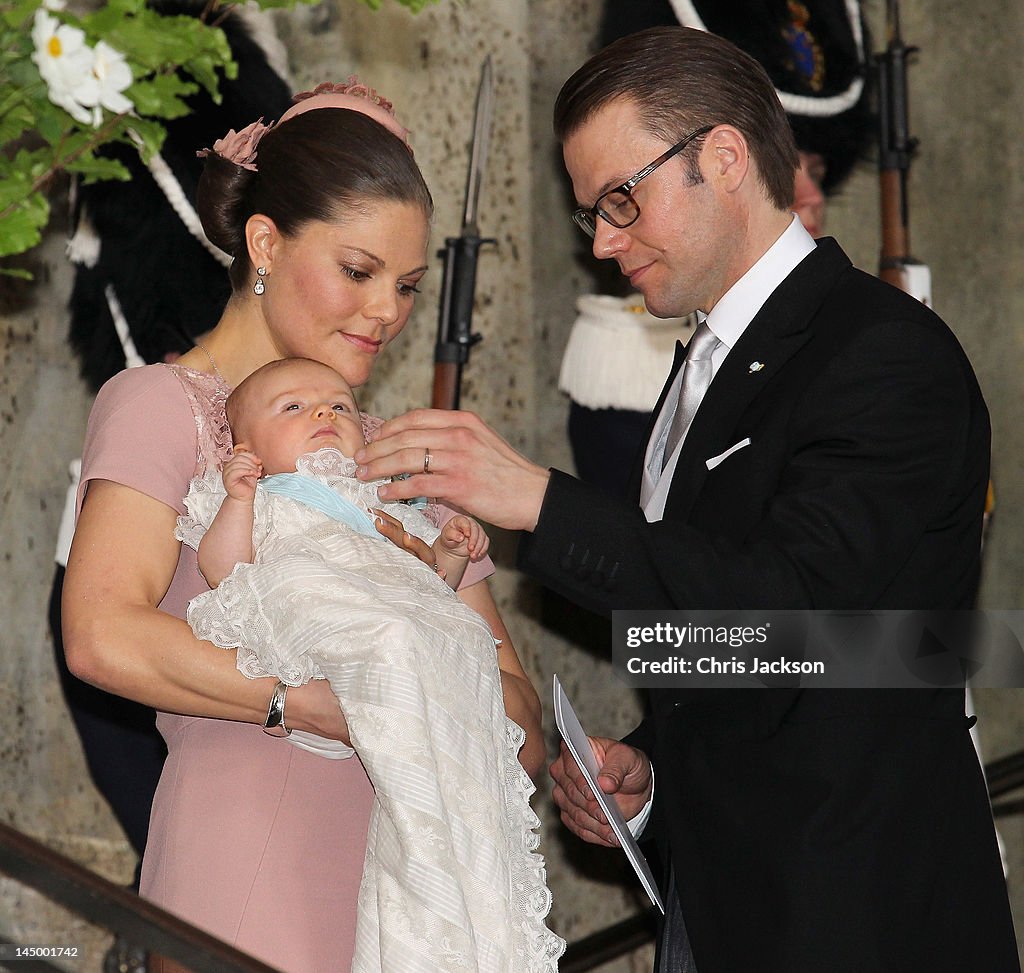
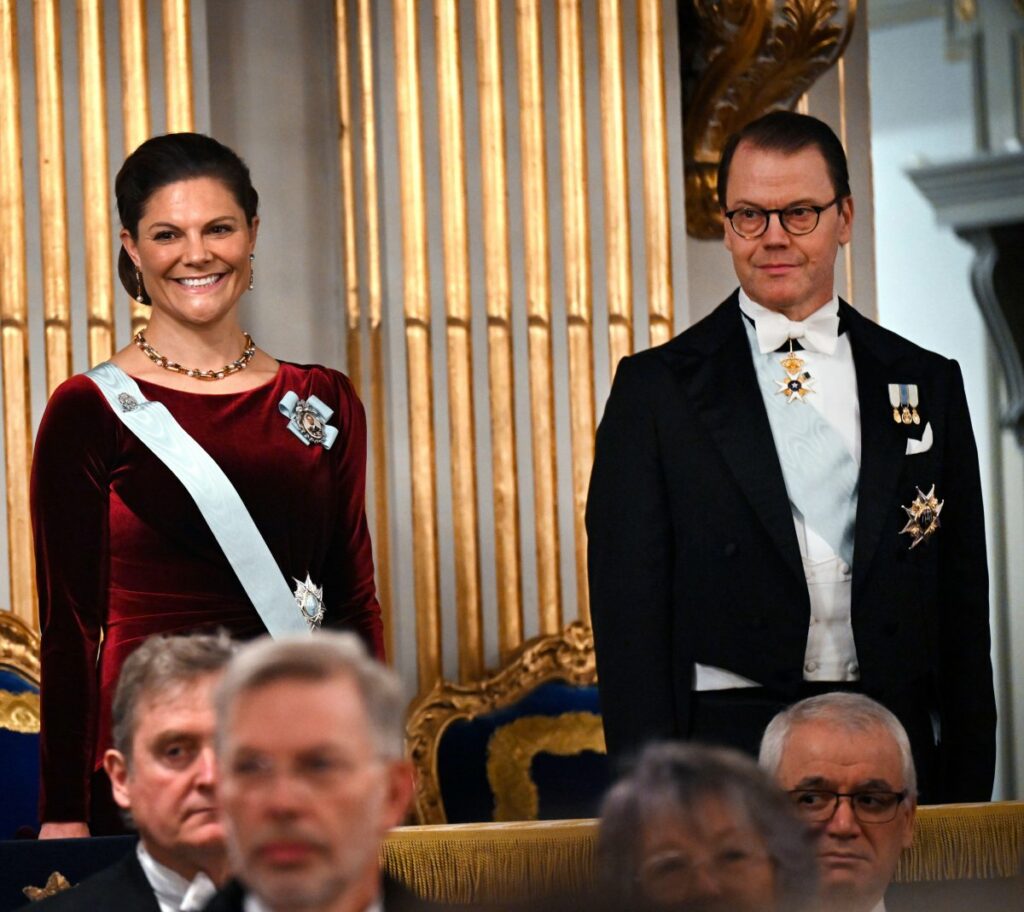
As the heir apparent, Crown Princess Victoria is the most prominent princess in Sweden. Her role is defined by extensive diplomatic work, representing Sweden at the UN, and serving as a regent when the King is out of the country. Her husband, Prince Daniel, was a private citizen (a fitness entrepreneur) before their marriage in 2010. Upon marriage, he was granted the titles of Prince of Sweden and Duke of Västergötland. Together, they focus heavily on public health, youth initiatives, and sustainability.
Prince Carl Philip and Princess Sofia
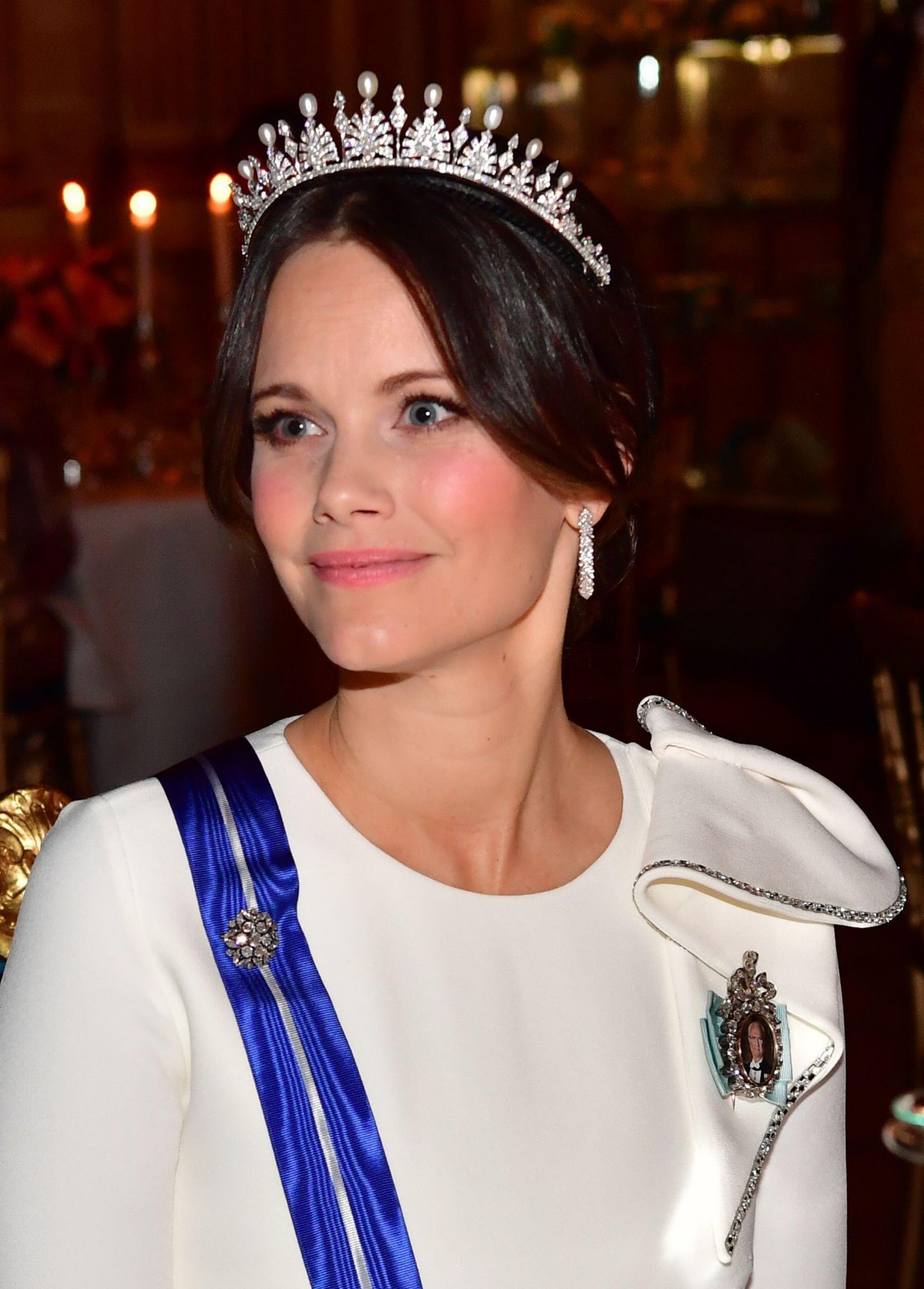
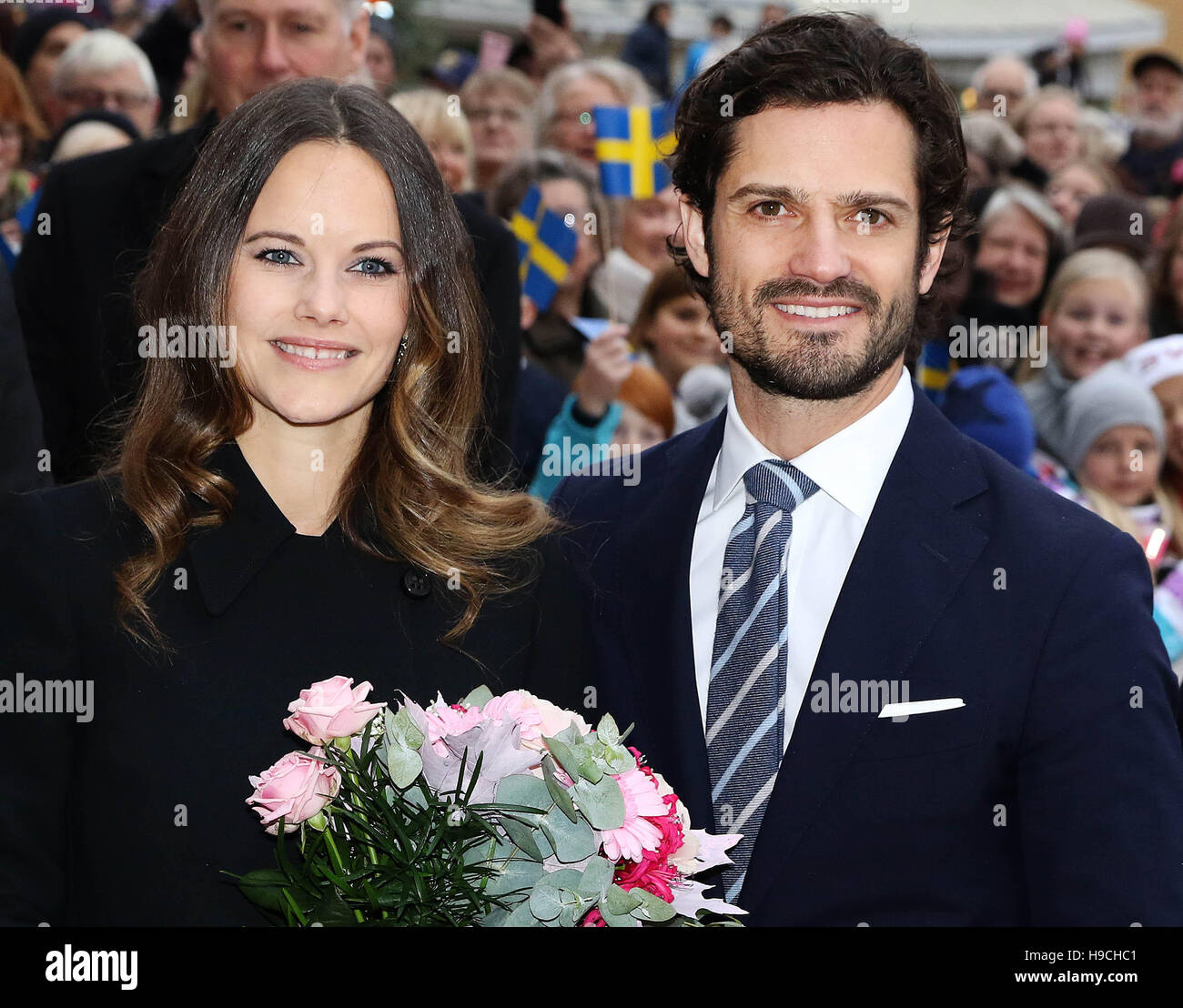
Prince Carl Philip, the King’s only son, holds the title of Duke of Värmland. He is known for his interests in graphic design and professional motor racing. His wife, Princess Sofia, joined the royal family in 2015. Despite the 2019 changes affecting their children's future roles, both Carl Philip and Sofia remain active members of the Royal House. Their work often centers on dyslexia awareness (a condition the Prince shares with his father and sister) and the "Prince Carl Philip and Princess Sofia's Foundation," which combats online hate and bullying.
Princess Madeleine
Princess Madeleine, the King’s youngest child, is the Duchess of Hälsingland and Gästrikland. In 2026, she continues her long-standing involvement with the World Childhood Foundation, an organization founded by her mother, Queen Silvia. Unlike her siblings, Madeleine has lived abroad for significant periods, primarily in the United States, which has sparked public debate regarding the residency requirements for those in the line of succession.
The Next Generation: Estelle and Oscar
The only grandchildren of the King who remain part of the formal Royal House are the children of Crown Princess Victoria: Princess Estelle (Duchess of Östergötland) and Prince Oscar (Duke of Skåne). As the direct heirs after their mother, their upbringing is more closely aligned with traditional royal expectations. Princess Estelle, currently second in line to the throne, has already begun attending select official events to prepare for her future role as Sweden’s head of state.
Summary of Titles and Succession (2026)
The following table clarifies the current standing of the most prominent members of the Swedish royalty.
| Individual | Primary Title | Style (HRH) | Royal House Member | Succession Rank |
|---|---|---|---|---|
| Victoria | Crown Princess | Yes | Yes | 1st |
| Estelle | Princess | Yes | Yes | 2nd |
| Oscar | Prince | Yes | Yes | 3rd |
| Carl Philip | Prince | Yes | Yes | 4th |
| Alexander | Prince | No | No | 5th |
| Gabriel | Prince | No | No | 6th |
| Julian | Prince | No | No | 7th |
| Madeleine | Princess | Yes | Yes | 8th |
| Leonore | Princess | No | No | 9th |
| Nicolas | Prince | No | No | 10th |
Responsibilities and State Funding
A common point of confusion is how the "Prince" and "Princess" titles relate to the Swedish economy. The Swedish state provides an annual grant known as the apanage. This fund is divided into two parts:
- The Palace Administration: Covers the maintenance of the royal palaces and the royal collections.
- The Royal Household: Covers the official costs of the King and members of the Royal House as they perform their duties.
Since the 2019 reform, the "apanage" is strictly reserved for those who perform official duties. This means that while the children of Carl Philip and Madeleine are princes and princesses, they do not have a claim to these state funds for their personal lives. They are expected to work, pay taxes, and operate as private citizens, albeit with high-profile titles.
The Requirements for Maintaining Royal Status
To remain in the line of succession and keep their titles, Swedish princes and princesses must adhere to specific rules laid out in the Act of Succession:
- Religion: They must profess the "pure evangelical faith" as defined by the Augsburg Confession and the Uppsala Transition of 1593 (The Church of Sweden).
- Consent to Marry: A prince or princess cannot marry without the King's consent and the approval of the Swedish Government. If they marry without this "consent of the Council of State," they forfeit their right to the throne for themselves and their descendants.
- Residency: While the law is somewhat interpretive, it is generally expected that heirs to the throne must be raised within the Realm of Sweden to maintain their succession rights.
Frequently Asked Questions
Why isn't Princess Madeleine's husband a Prince?
Unlike Prince Daniel, who became a Swedish citizen and took on a full-time royal role, Christopher O'Neill (Princess Madeleine's husband) declined a royal title. By doing so, he was able to retain his dual UK/US citizenship and continue his career in finance. Under Swedish royal protocol, a member of the Royal House must be a Swedish citizen and cannot hold a position of responsibility in a private company that conflicts with the interests of the state.
Can a Swedish Prince or Princess lose their title?
Yes. Historically, several Swedish princes lost their titles and succession rights during the 20th century by marrying women who were not of royal birth without the King's consent. Today, titles are rarely stripped, but the 2019 decree demonstrated that the style (HRH) and status (Royal House membership) can be revoked by the monarch to streamline the institution.
Do the Princes and Princesses of Sweden pay taxes?
Members of the Royal Family pay taxes on their private income and wealth, just like any other Swedish citizen. However, the "apanage" received by the Royal House for official duties is exempt from income tax, as it is used to fund the representation of the Swedish state rather than for personal profit.
What happens if the line of succession ends?
According to the Swedish Constitution, if the House of Bernadotte were to have no eligible heirs, the Riksdag (the Swedish Parliament) has the authority to elect a new royal house or determine the future of the head of state. Given the current number of grandchildren in the line of succession, this is not a concern for the foreseeable future.
What is the difference between a Prince and a Duke in Sweden?
In Sweden, all members of the Royal House are granted a duchy upon birth or marriage. For example, Prince Carl Philip is the Duke of Värmland. These are titular duchies; they do not grant the individual ownership of the land or any political power over the province. They serve as a symbolic link between the monarchy and the various regions of Sweden.
Practical Guidance for Observers
For those tracking the developments of the Swedish Royal Family, the most reliable source of information is the official website of the Swedish Royal Court. This portal provides updated biographies, the official calendar of engagements, and detailed reports on the allocation of the state grant. When researching, always distinguish between the "Royal House" (active representatives) and the "Royal Family" (the broader family tree) to accurately understand the current landscape of Swedish royalty in 2026.
Image Gallery