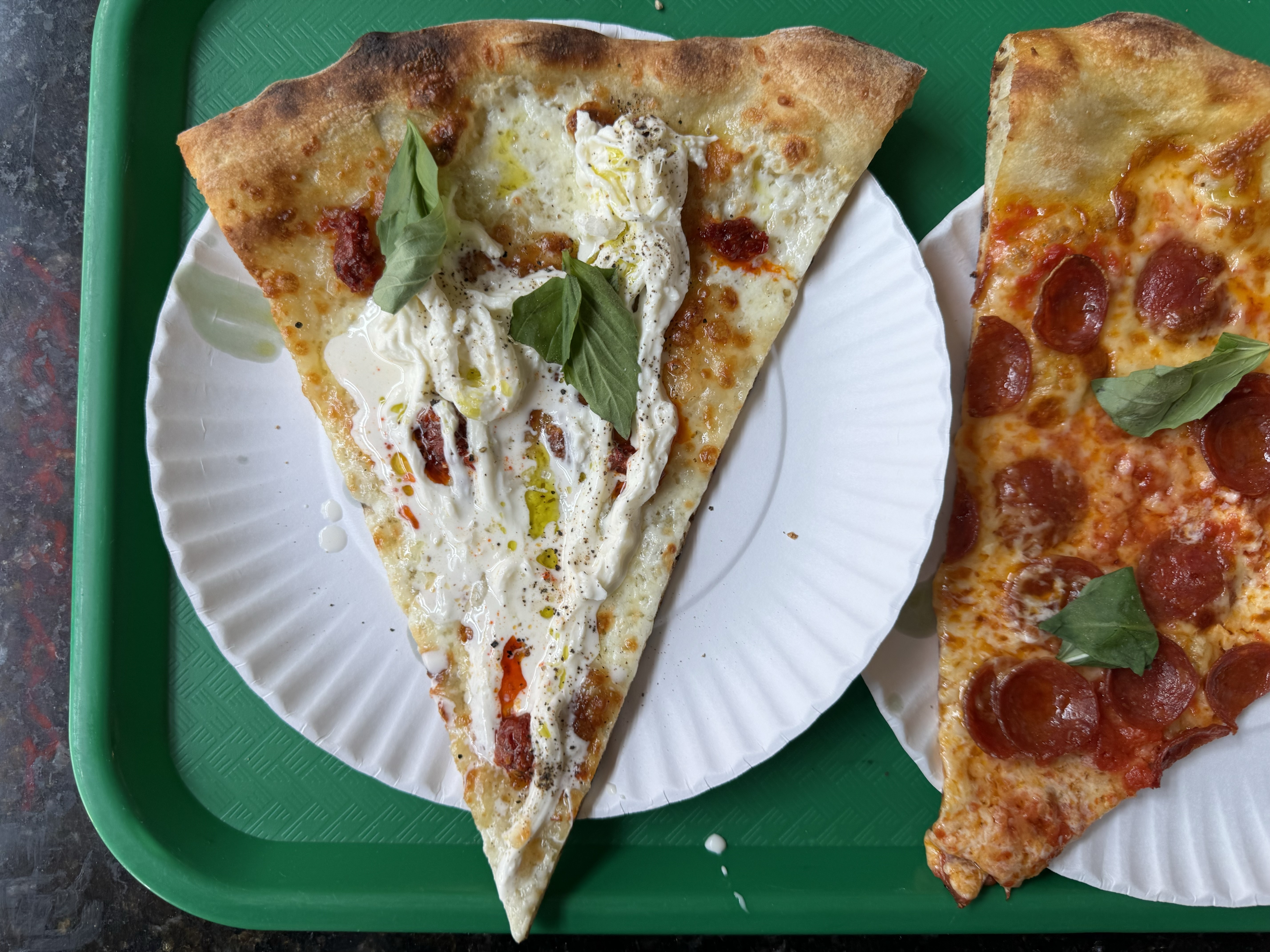
New York’s Best Pizza Menu: How to Choose the Right Slice
To choose the right slice from a New York City pizza menu, first identify your crust preference: a classic "Regular" thin-crust for portability, a thick "Sicilian" for a pillowy bite, or a "Grandma" for a crispy, thin square. Prioritiz...
To choose the right slice from a New York City pizza menu, first identify your crust preference: a classic "Regular" thin-crust for portability, a thick "Sicilian" for a pillowy bite, or a "Grandma" for a crispy, thin square. Prioritize simple toppings like pepperoni or fresh basil to judge the quality of the base ingredients.
Contents
In the culinary landscape of 2026, the New York City slice remains an architectural marvel of dough, sauce, and cheese. While fine-dining trends evolve, the fundamental "slice shop" menu has maintained its rigid structure, offering a specific set of choices that can be intimidating to the uninitiated. Navigating these menus requires an understanding of regional terminology, oven physics, and the unspoken etiquette of the Manhattan or Brooklyn storefront. To find the "best" slice, one must move beyond the price tag and analyze the specific components that define each menu category.
Understanding the Core Menu Categories
The typical New York pizzerias categorize their offerings into three or four primary styles. Each serves a different purpose and offers a distinct textural experience. Choosing the right one depends entirely on your current appetite and your preference for the ratio of bread to topping.
The Regular (Plain) Slice
This is the baseline of all New York pizza menus. It is a large, triangular slice cut from an 18-to-20-inch round pie. A high-quality regular slice should be thin enough to fold but sturdy enough to hold its own weight without the "tip sag." In 2026, a premium regular slice generally costs between $4.00 and $5.50. The focus here is on the balance between the low-moisture mozzarella and a lightly seasoned tomato sauce. If the menu lists "fresh mozzarella" separately, expect a different, more aqueous experience that is often served as a "Margherita" slice.
The Sicilian Square
The Sicilian is easily identified on the menu by its thick, rectangular shape. Unlike its thin-crust cousin, the Sicilian undergoes a longer proofing process directly in a well-oiled pan. This creates a "fried" bottom effect with a soft, bread-like interior. When choosing this slice, look for an airy crumb structure—if the dough looks dense and heavy like a brick, it hasn't been proofed correctly. This is the choice for those who prioritize the "chew" of the dough over the crispness of the crust.
The Grandma Slice
A "Grandma" slice is often confused with a Sicilian because both are square. However, the Grandma is significantly thinner and is typically baked in a shorter amount of time. The hallmark of a Grandma slice is the "pizzaiolo" style of assembly: the cheese is often placed directly on the dough, with the sauce dolloped on top. This prevents the crust from getting soggy and allows for a more intense garlic and herb flavor profile. On most 2026 menus, this is considered the "craft" option for square-pizza lovers.
Evaluating the Crust and Dough Physics
The foundation of every slice on a New York menu is the dough. New York pizza relies on high-protein "00" or bread flour and the city’s specific mineral-rich water, which influences the gluten development.
The Fermentation Factor
When scanning a menu, look for mentions of "cold-fermented" or "long-rise" dough. Dough that has fermented for 24 to 48 hours develops complex sugars that result in a charred, flavorful crust (often referred to as "leopard spotting" on the bottom). A menu that emphasizes its dough-making process is usually a sign of a high-tier establishment. In 2026, many top-tier shops have transitioned to using sourdough starters or "biga" to add a slight tang to the crust, which provides a modern twist on the classic flavor.
The Oven Type
The menu might not always state it, but the type of oven used determines the "right" slice for your palate:
- Deck Ovens: The standard for NYC slices. They produce a consistent, crispy bottom and a reliable "fold."
- Coal Ovens: These operate at much higher temperatures. Slices from these menus will have a more pronounced char and a "smoky" flavor. These are rarely sold as individual slices except in specific "elite" slice shops.
- Wood-Fired: These produce a softer, more Neapolitan-style crust that is often too wet to be eaten as a traditional "walking slice."
Navigating Toppings and Specialty Slices
While the plain slice is the test of a shop's quality, the specialty menu is where many New Yorkers find their daily fuel. However, choosing a slice with too many toppings can lead to a structural failure.
The Pepperoni "Cup and Char"
If the menu specifies "cup and char" or "Ezzo" pepperoni, you are in for a specific experience. These small, thick-cut pepperoni slices curl into tiny cups during the baking process, trapping a small amount of flavorful oil inside. This is widely considered the superior pepperoni choice in 2026 due to the texture and concentrated flavor.
The White Slice (Pizza Bianca)
For those who want to avoid the acidity of tomatoes, the White Slice is a menu staple. It typically features a combination of ricotta, mozzarella, and garlic. The "right" white slice should have dollops of creamy ricotta that haven't dried out in the oven. It is a richer, heavier option that pairs well with a side of red pepper flakes to cut through the fat of the cheese.
Avoid the "Kitchen Sink"
Avoid slices loaded with more than three heavy toppings (e.g., sausage, peppers, onions, and mushrooms all at once). In the New York style, the thin crust cannot support that much weight. The result is often a "soupy" center where the dough remains undercooked and the toppings slide off during the first bite.
Ordering Etiquette and the "Re-Heat"
Choosing the right slice also involves knowing how it should be served. In New York, the "slice" culture is built around the second bake.
When you point to a slice on the counter, the counter person will slide it into the oven for a "re-heat." This is a crucial step. A slice that has been sitting out loses its structural integrity; the re-heat brings the oils back to life and recrisps the bottom. If a shop offers you a slice directly from the counter without putting it back in the oven, it is a sign of a lower-tier establishment.
"Stay or Go?"
This choice affects how your pizza is packaged. A slice to "stay" is served on a paper plate (or two). A slice "to go" is usually placed in a small paper bag or a cardboard box. If you are choosing a slice with heavy toppings or extra sauce, always opt for the box; a paper bag will inevitably strip the cheese off the top of the slice before you reach your destination.
Comparison of New York Slice Types
The following table compares the primary characteristics of the most common slices found on a 2026 New York pizza menu to help you decide based on your specific preferences.
| Slice Type | Crust Profile | Sauce/Cheese Ratio | Portability | Best Appetite Use |
|---|---|---|---|---|
| Regular (Plain) | Thin, crispy, foldable | Balanced 1:1 | High (Street eating) | Standard lunch/snack |
| Sicilian | Thick, spongy, fried bottom | Sauce heavy | Medium | Heavy hunger |
| Grandma | Thin, dense, crispy | Herb-forward, chunky | High | Gourmet/Flavor seekers |
| White Slice | Medium-thin | No sauce, high cheese | Medium | Late-night/Rich craving |
| Upside-Down | Sicilian-style thick | Sauce over cheese | Low (Messy) | Acid/Tomato lovers |
| Margherita | Thin, charred | Fresh mozzarella spots | Medium | Light/Fresh preference |
Identifying Freshness and Quality Indicators
To ensure you are choosing the best slice from the menu, you must use your eyes before you order. Look at the "display" pies on the counter.
- The Oil Test: A small amount of orange oil is normal (from the pepperoni or the cheese fat). However, if a slice is swimming in a pool of yellow grease, the cheese used is likely a lower-grade, high-fat filler.
- The Crust Color: Look for a golden-brown hue. A pale, white crust indicates the oven wasn't hot enough or the dough was under-fermented, resulting in a "yeasty" and bland flavor.
- The Sauce Color: The sauce should be a bright, vibrant red. If the sauce looks brownish or dark maroon, it has likely been over-seasoned with dried oregano or has sat out too long, leading to a bitter taste.
Frequently Asked Questions
What is the difference between a Sicilian and a Grandma slice?
The primary difference lies in the dough thickness and the assembly. A Sicilian slice is thick, airy, and bread-like, often reaching an inch in height. A Grandma slice is thin, more similar to a regular slice but baked in a square pan, and usually features a more rustic, garlic-heavy sauce applied over the cheese.
Why do some menus call it a "Plain" slice and others a "Cheese" slice?
In New York terminology, they are the same thing. However, "Plain" is the more traditional local term. If a menu explicitly lists a "Cheese Slice" and a "Margherita Slice," the Cheese slice will use shredded low-moisture mozzarella, while the Margherita will use rounds of fresh mozzarella and usually fresh basil.
Is it better to buy a whole pie or individual slices?
For the most authentic New York experience, individual slices are often better. The "re-heat" process in a deck oven actually helps the crust achieve a level of crispness that a fresh, whole pie occasionally lacks. However, if you are a group of three or more, a whole pie is more cost-effective.
Why are some slices $1 and others $5 in 2026?
The "dollar slice" is a disappearing relic, often using lower-quality ingredients and smaller dimensions to keep costs down. A $5 slice typically uses premium flour, San Marzano tomatoes, and higher-grade cheese with a longer fermentation process. The price difference usually reflects the quality of the ingredients and the skill of the pizzaiolo.
Can I ask for specific toppings on a single slice?
Generally, no. In a New York slice shop, the specialty slices are pre-made and displayed. You choose from what is available on the counter. While some shops might throw a few cold toppings on a plain slice before the re-heat, this is often frowned upon as it doesn't allow the flavors to meld properly.
Practical Recommendation
When visiting a New York pizzerias in 2026, the best strategy for a first-timer is the "Two-Slice Test." Order one Regular (Plain) slice to evaluate the shop's mastery of the fundamentals (crust, sauce, and cheese balance) and one Grandma or Pepperoni Square to experience the shop's specific flair and textural range. Always ask for them "well done" if you prefer an extra-crispy bottom, and never skip the re-heat. This approach ensures you experience the full spectrum of the menu while identifying which style best suits your personal palate.
Image Gallery