The Master of Leadership: Guiding Rugged Expeditions in Extreme Environments
Mastery in leadership for rugged expeditions requires a fusion of high-level technical expertise, psychological resilience, and adaptive decision-making. To guide effectively in 2026, a leader must balance the physical safety of the gr...
Mastery in leadership for rugged expeditions requires a fusion of high-level technical expertise, psychological resilience, and adaptive decision-making. To guide effectively in 2026, a leader must balance the physical safety of the group with the achievement of mission objectives, often under volatile environmental conditions and significant remote logistical constraints.
Contents
The Evolution of the Expeditionary Leader in 2026
Leadership in the wilderness has evolved from the "heroic" model of the early 20th century—where a single figurehead made all decisions—to a nuanced, situational approach. In 2026, the master of leadership is not merely a navigator but a facilitator of group potential. Rugged expeditions, whether for scientific research, corporate development, or elite adventure, demand a leader who can manage both the external environment and the internal group dynamics simultaneously.
The modern expedition leader operates at the intersection of technical proficiency and soft-skill mastery. This involves a deep understanding of human behavior under stress, known in the industry as "expedition behavior" (EB). EB refers to the ability of individuals to work together toward a common goal while maintaining high morale and personal discipline. The master leader recognizes that a group's technical failure is often preceded by a social failure, making conflict resolution and psychological safety as critical as rope work or navigation.
Technical Proficiency and Professional Standards
Before one can lead others through rugged terrain, they must possess a baseline of technical skills that are second nature. In 2026, professional standards have become more rigorous to account for increasing climate variability and the complexity of remote communications.
Medical and Safety Certifications
The gold standard for any expedition leader remains the Wilderness First Responder (WFR) or Wilderness EMT (WEMT) certification. These programs, provided by organizations like NOLS Wilderness Medicine, prepare leaders to handle traumatic injuries, environmental illnesses, and long-term patient care in the backcountry where evacuation may be days away.
In 2026, these certifications also emphasize the use of advanced portable diagnostic tools. Leaders must be proficient in using handheld ultrasound and satellite-linked vitals monitoring to consult with physicians via telemedicine. This "reach-back" capability is now a standard requirement for high-altitude or polar expeditions.
Technical Skill Mastery
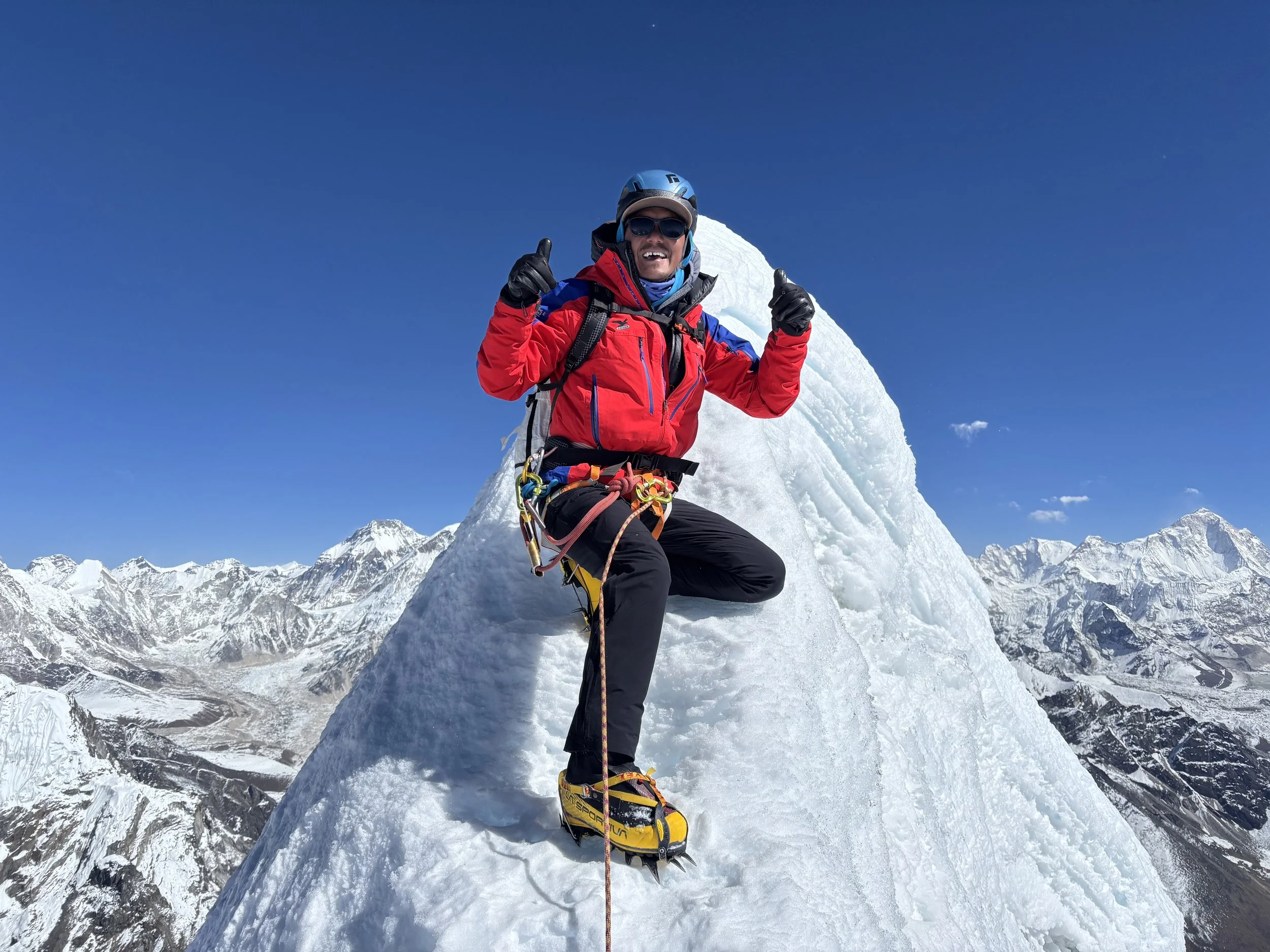
Technical skills are terrain-dependent but universally require a "mastery" level. This means the leader can perform tasks (such as setting up a Z-drag rescue system or navigating in a whiteout) while simultaneously monitoring the emotional state of their team.
- Mountaineering: Mastery of crevasse rescue, ice placement, and weather pattern interpretation.
- Paddling: Deep knowledge of river hydrology, swift-water rescue, and expedition packing for buoyancy.
- Desert/Arid Environments: Expertise in water management, heat-stress mitigation, and sand-navigation techniques.
The Psychology of High-Stakes Decision Making
The "rugged" nature of an expedition refers not just to the terrain, but to the stakes. When things go wrong in remote areas, the leader’s decision-making process is the primary safeguard against catastrophe. Master leaders utilize a framework often referred to as the Safety II philosophy, which focuses on why things go right and how to replicate those conditions, rather than just analyzing failures.
Heuristic Traps and Cognitive Bias
Expedition leaders are trained to recognize heuristic traps—mental shortcuts that lead to poor decisions. These include:
- Familiarity: Assuming a route is safe because you have done it before.
- Social Proof: Following others into a dangerous area because "they look like they know what they are doing."
- Commitment/Scarcity: Pressing toward a summit despite deteriorating weather because the group has invested so much time and money into the trip.
In 2026, leaders use "pre-mortem" sessions before high-risk phases of an expedition. By imagining that the expedition has already failed, the group works backward to identify the most likely causes of that failure and implements mitigation strategies before a single step is taken.
Group Dynamics and the "Social Contract"
A master leader establishes a clear social contract at the outset. This agreement defines how decisions will be made (autocratic, democratic, or consensus-based) depending on the level of urgency. In a crisis, the leader must transition to a command-and-control style; during camp chores or route planning, they may adopt a more collaborative approach to foster team buy-in.
| Expedition Type | Primary Leadership Challenge | Core Safety Priority | Essential 2026 Certification |
|---|---|---|---|
| High-Altitude Mountaineering | Hypoxia-driven cognitive decline | Pulmonary/Cerebral Edema | AMGA Alpine Guide / WFR |
| Polar Traversal | Long-term psychological isolation | Cold-injury prevention | Wilderness EMT |
| Remote River Expeditions | Rapidly changing hydrology | Drowning/Entrapment | Swiftwater Rescue Technician |
| Arid/Desert Trekking | Resource (Water) scarcity | Heat stroke/Dehydration | Wilderness First Responder |
| Scientific Fieldwork | Integrating mission with safety | Equipment failure in extreme cold | NOLS Expedition Leadership |
Logistical Mastery and Risk Mitigation
Leading a rugged expedition requires managing a "tail" of logistics that begins months before the trip. A master leader views logistics as a form of risk management. If the food is inadequate, the team becomes irritable and prone to mistakes. If the communication equipment fails, a minor injury becomes a life-threatening crisis.
Communication and Technology
By 2026, the integration of low-earth orbit (LEO) satellite constellations, such as Starlink, has transformed expedition logistics. A master leader manages a robust communications plan that includes:
- Redundancy: Carrying at least two different satellite platforms (e.g., Iridium and Starlink).
- Power Management: Utilizing high-efficiency solar arrays and solid-state batteries to maintain a "digital lifeline."
- Check-in Protocols: Establishing a "dead-man’s switch" protocol where search and rescue (SAR) is triggered automatically if the team fails to check in within a specific window.
Risk Assessment Management Systems (RAMS)
The use of RAMS is standard for professional guides. This document identifies every potential hazard (falling rocks, aggressive wildlife, food poisoning), the likelihood of its occurrence, the severity of the outcome, and the specific mitigation steps taken. A master leader treats the RAMS as a living document, updating it daily as the environmental conditions shift.
Environmental Stewardship and Cultural Competency
In 2026, the "rugged" wilderness is increasingly viewed as a fragile ecosystem and a cultural landscape. Leadership mastery now includes a deep commitment to the Leave No Trace (LNT) principles and a sophisticated level of cultural competency.
Advanced Leave No Trace
The Leave No Trace Center for Outdoor Ethics has expanded its guidelines to include "digital footprints" and the impact of social media on remote locations. A master leader ensures that the expedition does not contribute to the degradation of a site through over-tourism or improper waste management. This includes the use of "WAG bags" for human waste in all high-use or alpine environments and the total removal of all non-biodegradable materials.
Indigenous Land Recognition and Collaboration
Many rugged expeditions traverse lands that are ancestrally significant to Indigenous peoples. Leadership mastery involves researching these connections, seeking necessary permits from tribal authorities, and integrating an understanding of the local history into the expedition's educational component. This builds a more respectful and enriched experience for the participants and ensures that the expedition operates ethically.
Educational and Pedagogical Approaches
Often, the master of leadership is also an educator. Whether guiding a group of students or a team of executives, the leader uses the expedition as a "mobile classroom." This is known as experiential education.
- The Teachable Moment: Utilizing natural occurrences (like a navigation error or a sudden storm) to teach a specific lesson about resilience or technical skill.
- Transference: Helping participants understand how the lessons learned on a rugged expedition (e.g., managing fear, communicating under pressure) apply to their professional and personal lives back home.
- Mentorship: The leader’s goal is to eventually work themselves out of a job by empowering the participants to lead segments of the journey themselves.
Frequently Asked Questions
What is the difference between a "guide" and a "leader" on an expedition?
While a guide focuses primarily on the technical path and safety, a leader focuses on the holistic well-being and development of the group. A guide ensures you reach the summit; a leader ensures the group grows from the experience and remains cohesive, regardless of whether the summit is reached.
How do I start a career as an expedition leader in 2026?
Begin by attaining a high level of personal competency in a specific discipline (climbing, paddling, etc.). Secure a Wilderness First Responder certification. Most professionals then attend a leadership-specific program such as those offered by the Association for Outdoor Recreation and Education (AORE) or NOLS to learn the pedagogy of outdoor leadership.
Is technical skill or soft skill more important in rugged expeditions?
They are inseparable. Without technical skills, you are a danger to the group; without soft skills (communication, empathy, decision-making), you cannot effectively utilize your technical skills when the group is under stress. Most accidents in the backcountry are the result of "human factors" rather than purely technical failures.
How has technology changed expedition leadership by 2026?
Technology has reduced the "uncertainty" of expeditions through better weather forecasting and reliable communication. However, this has created a new challenge for leaders: managing "false security." A master leader ensures the group does not take higher risks simply because they have a satellite phone or a GPS.
What are the physical requirements for leading rugged expeditions?
A leader must be "fit for the mission," meaning they should be the most physically capable person in the group. This allows the leader to carry extra weight if a participant is struggling and ensures they have the cardiovascular reserve to make sound decisions when they are tired.
Practical Recommendation for Aspiring Leaders
To master leadership in rugged environments, focus on intentionality. Do not just go on trips; analyze them. After every outing, conduct a formal "After Action Review" (AAR). Ask: What was the plan? What actually happened? Why was there a difference? What will we do differently next time? This habit of reflection is what separates a person with twenty years of experience from a person with one year of experience repeated twenty times. Seek out formal mentorship from organizations like the American Mountain Guides Association (AMGA) to ensure your technical skills meet the highest industry benchmarks of 2026.
Image Gallery