Victoria, Princess Royal: The Life and Legacy of Queen Victoria’s Eldest Daughter
Victoria, Princess Royal—affectionately known as "Vicky"—was the eldest child of Queen Victoria and Prince Albert. Born in 1840, she served as the Empress of Germany and Queen of Prussia through her marriage to Frederick III. Her life...
Victoria, Princess Royal—affectionately known as "Vicky"—was the eldest child of Queen Victoria and Prince Albert. Born in 1840, she served as the Empress of Germany and Queen of Prussia through her marriage to Frederick III. Her life represents a complex intersection of British liberalism, German imperial ambition, and the tragic loss of political influence, ultimately shaping the lineage of European royalty.
Contents
The Early Life of the Princess Royal
Born on November 21, 1840, at Buckingham Palace, Victoria was the first child of the British monarch and her consort, Prince Albert. Her birth was a significant moment for the royal household, though it initially disappointed those who had hoped for a male heir to secure the succession. However, she quickly became the apple of her father’s eye. Prince Albert took a personal interest in her education, nurturing her intellectual curiosity and fostering a deep commitment to liberal political ideals.
Under her father’s rigorous tutelage, Vicky developed a formidable intellect. She studied science, literature, and philosophy, distinguishing herself from her siblings through her academic focus and political engagement. This intellectual bond between father and daughter remained a central theme of her life, influencing her eventual role in the German court. By the time she reached her teenage years, she was already viewed by her parents as a vessel for spreading "enlightened" British constitutional values across Europe.
The Marriage Strategy: Bridging Britain and Prussia
The marriage of the Princess Royal was not merely a personal union but a high-stakes diplomatic maneuver. Prince Albert and his daughter believed that a marriage between the British Princess Royal and Prince Frederick William of Prussia—later Emperor Frederick III—would create a liberal, constitutional monarchy in Prussia that would align closely with British interests.
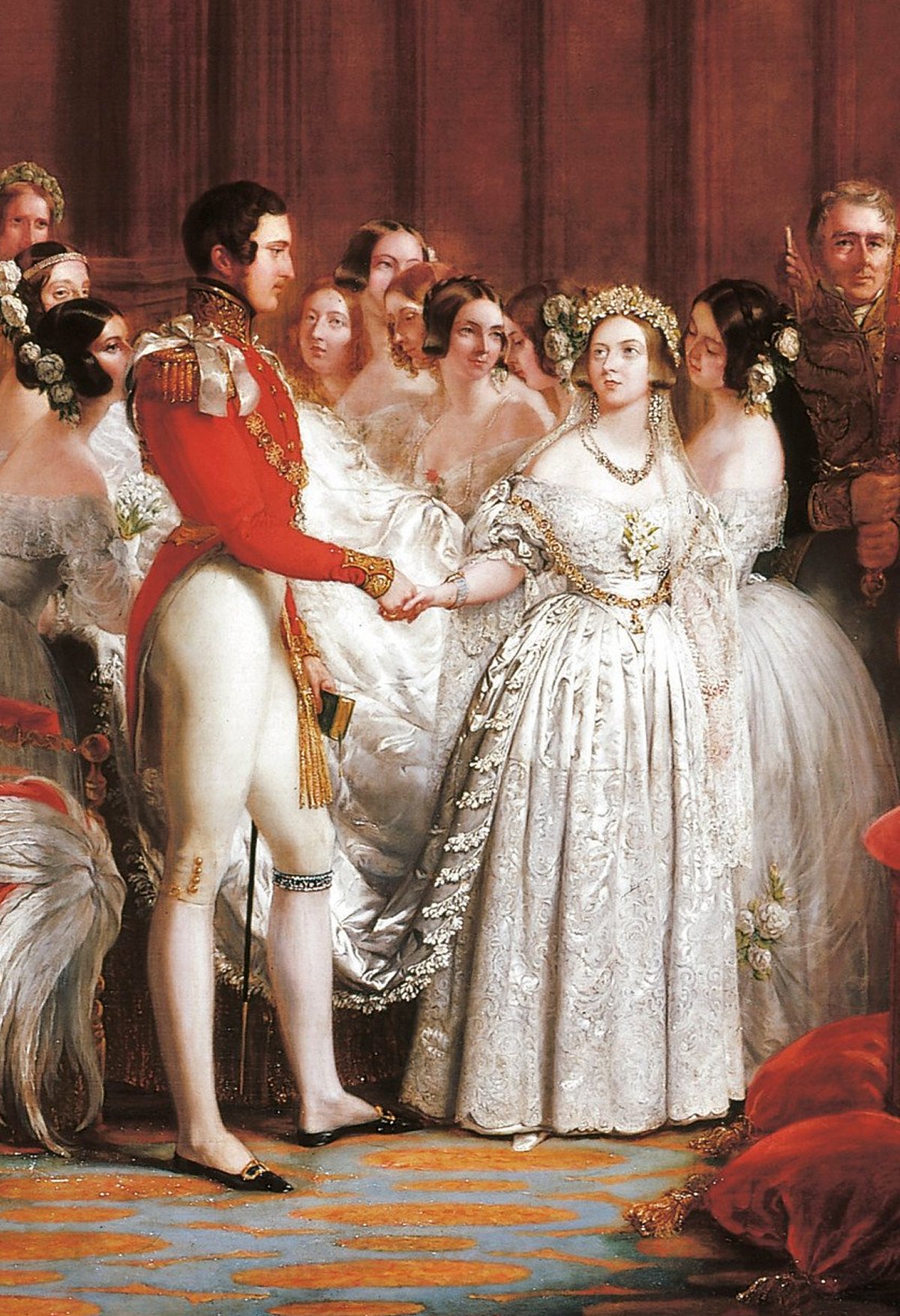
They married in 1858 in the Chapel Royal of St. James's Palace. At the time of the wedding, the couple was viewed as a beacon of progress. Vicky transitioned from the British court to the far more rigid and militaristic Prussian environment. This move marked the beginning of her profound isolation; her liberal sensibilities and insistence on British-style parliamentary processes put her at direct odds with the conservative Junkers and, most notably, the future Chancellor, Otto von Bismarck.
The Struggle for Liberalism in the German Empire
Vicky’s tenure as the Crown Princess of Prussia was defined by an ongoing, often bitter, power struggle. She was frequently attacked by the Prussian conservative establishment, who viewed her as a foreign influence and a "British spy." Her husband, Frederick, shared many of her liberal views, but the pair was consistently marginalized by the dominant influence of King Wilhelm I and the strategic maneuvering of Bismarck.
Throughout the 1860s and 1870s, Vicky attempted to promote social and educational reforms in Germany. She advocated for the empowerment of women, the advancement of nursing, and the modernization of German society. Despite these efforts, her influence remained limited. The political atmosphere in Berlin was increasingly hostile toward her, and the press often characterized her as arrogant, leading to a public perception that alienated her from the German people she sought to enlighten.
Key Political Conflicts During Her Time as Crown Princess
| Issue | Victoria’s Position | Prussian Conservative Position |
|---|---|---|
| Government Structure | Constitutional Monarchy | Absolute Royal Prerogative |
| Foreign Policy | Alliance with Great Britain | Realpolitik/Bismarckian Alliances |
| Social Reform | Public Education and Nursing | Traditional Hierarchical Control |
| Public Image | Intellectual and Modernizing | Foreign and Meddlesome |
The Tragic Succession: The 99-Day Reign
The culmination of Vicky’s life was marked by extreme tragedy. In 1888, her father-in-law, Wilhelm I, died, and her husband ascended to the throne as Emperor Frederick III. By this time, however, Frederick was suffering from terminal throat cancer. He reigned for only 99 days, unable to enact the liberal reforms that Vicky had spent decades preparing for.
Following Frederick’s death, their son Wilhelm II ascended the throne. Wilhelm II, who had been raised in the conservative Prussian tradition, held a strained relationship with his mother. He effectively silenced her influence, viewing her liberal leanings with suspicion and resentment. Vicky retreated to the Friedrichshof estate, where she lived out the remainder of her days in relative obscurity, mourning her husband and observing the increasing drift of the German Empire toward the militarism that would eventually lead to the First World War.
Impact on the European Royal Landscape
Though her political ambitions for a liberal Germany went largely unfulfilled, Vicky’s legacy is undeniably influential through her descendants. She was the mother of eight children, including Kaiser Wilhelm II and Sophie of Greece. Through these children, her influence spread across the royal houses of Europe.
Her eldest son’s reign defined the geopolitical landscape leading to 1914, while her daughter Sophie became the Queen of the Hellenes. Vicky maintained a constant, voluminous correspondence with her mother, Queen Victoria, providing historians with an unparalleled look into the inner workings of the 19th-century royal courts. These letters remain a primary source for understanding the familial and political tensions that characterized the era.
Frequently Asked Questions
What was the relationship between Queen Victoria and her daughter Vicky?
The relationship was characterized by intense, constant communication through letters. Queen Victoria relied on her daughter for information about the German court, and while they were emotionally close, they often disagreed on political matters. The Queen often offered motherly advice that bordered on interference, which Vicky navigated with a mix of reverence and frustration.
Why did the German people dislike the Princess Royal?
The German public and aristocracy largely viewed her as an outsider. Her insistence on British customs and her open criticism of Prussian militarism made her an easy target for xenophobic propaganda. Bismarck’s influence was particularly significant in painting her as a threat to traditional German values.
How did her father, Prince Albert, influence her life?
Prince Albert was her primary mentor. He groomed her to be an intellectual leader, equipping her with the education he believed was necessary for a future Queen. Her commitment to liberal reform was a direct extension of Albert’s own political philosophy regarding the role of a modern monarchy.
What happened to Vicky after her husband, Frederick III, died?
Following the brief 99-day reign of her husband, she was effectively sidelined by her son, Wilhelm II. She moved to Friedrichshof, near Kronberg, where she dedicated her time to the arts, her garden, and maintaining her correspondence with the British royal family until her death in 1901, shortly after her mother.
Recommendation for Further Research
To gain a deeper understanding of the Princess Royal's life, the most authoritative source remains the edited volumes of her correspondence, Dearest Mama: Letters Between Queen Victoria and the Crown Princess of Prussia. These documents provide the most granular detail regarding her daily struggles, political frustrations, and personal growth. Readers interested in the architectural and personal side of her life may also explore the history of Friedrichshof Castle, which serves as a testament to her aesthetic influence and her final years of solitude.
Image Gallery