Understanding What Encompass Means in English: Definition, Usage, and Nuances
To encompass means to include comprehensively or to surround and hold within a specific boundary. In modern English, it functions as a powerful verb used to describe both physical environments, such as a moat encompassing a castle, and...
To encompass means to include comprehensively or to surround and hold within a specific boundary. In modern English, it functions as a powerful verb used to describe both physical environments, such as a moat encompassing a castle, and abstract concepts, such as a policy that encompasses all possible legal contingencies.
Contents
Understanding the word "encompass" is essential for anyone looking to master academic, professional, or creative English. While it is often used as a synonym for "include," its connotations of totality and boundary-setting give it a unique weight in a sentence. As we navigate the linguistic landscape of 2026, where precision in digital communication and AI-assisted writing is paramount, knowing exactly when and how to use "encompass" can significantly elevate the clarity of your expression.
The Etymology and Core Definition of Encompass
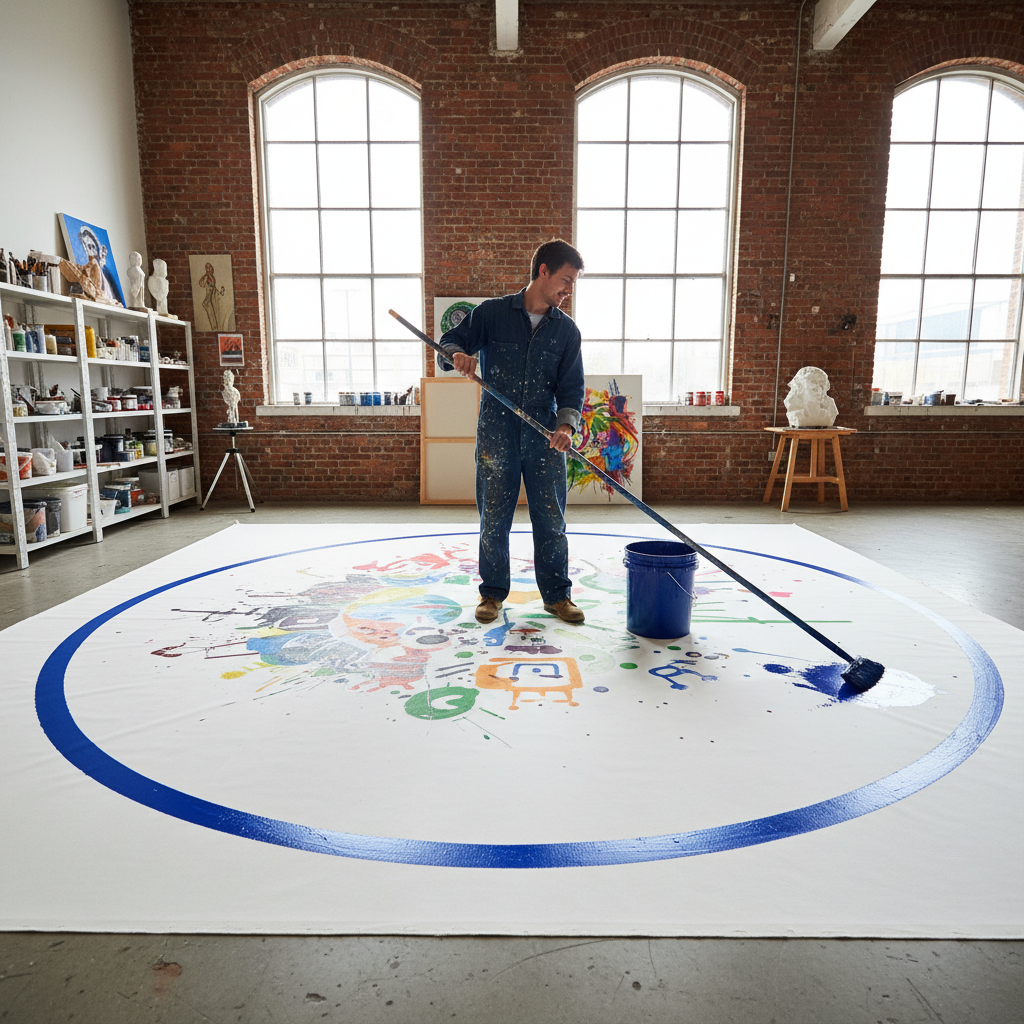
The word "encompass" is derived from the Old French prefix en- (meaning "in" or "within") and the word compas (meaning "a step, measure, or circle"). Historically, it referred to the act of walking around something or measuring its perimeter. This origin provides a helpful visual: imagine a pair of compasses (the geometric tool) drawing a perfect circle around an object. Everything inside that circle is encompassed.
In contemporary usage, the term has evolved into two primary definitions:
- To surround and have or hold within: This is the spatial or physical definition. If a wall encompasses a garden, it creates a physical perimeter.
- To include comprehensively: This is the more common abstract definition. When we say a curriculum encompasses several disciplines, we mean it covers the entire breadth of those subjects.
Unlike "include," which can imply that something is merely a part of a list, "encompass" suggests a sense of completeness. It implies that the boundaries have been drawn and everything relevant is contained within them.
Physical vs. Abstract Applications
The versatility of "encompass" allows it to transition seamlessly between literal descriptions and figurative concepts. Understanding this distinction is key to using the word accurately in different contexts.
Encompass as Physical Surrounding
In physical contexts, "encompass" describes the relationship between a boundary and the space it encloses. It is frequently used in geography, architecture, and environmental science.
- Example: "The new urban development project will encompass over 500 acres of previously industrial land."
- Analysis: Here, the word provides a clear sense of the project's physical limits. It suggests a defined border within which the development occurs.
In literature, this usage can create a sense of protection or confinement. A mountain range might encompass a hidden valley, suggesting that the valley is shielded from the outside world. This physical "surrounding" is distinct from simply "being near"; it requires a sense of encircling.
Encompass as Abstract Inclusion
In professional and academic spheres, the abstract application is far more frequent. It is used to define the scope of a project, the range of a person’s responsibilities, or the breadth of a theory.
- Example: "Our 2026 sustainability initiative encompasses carbon reduction, waste management, and social equity programs."
- Analysis: In this context, "encompasses" tells the reader that these three areas are not just "included" among others, but that they represent the totality of the initiative's focus.
When you use "encompass" in an abstract sense, you are telling your audience where your topic begins and ends. It is an excellent word for setting expectations in a thesis statement, a business proposal, or a legal contract.
Synonyms and Semantic Nuances
While "encompass" shares a semantic field with words like include, embrace, contain, and incorporate, it is not always interchangeable with them. Choosing the right word depends on the specific nuance you wish to convey.
Encompass vs. Include
"Include" is a general term. If a pizza includes pepperoni, it doesn't mean the pizza is made of pepperoni; it is just one component. However, "encompass" suggests a more holistic view. If a menu encompasses all Italian classics, it suggests a comprehensive selection that leaves little out.
Encompass vs. Embrace
"Embrace" often carries an emotional or enthusiastic connotation. One might "embrace a new idea." While "encompass" is clinical and objective, "embrace" suggests an active acceptance. However, in formal writing, "embrace" is sometimes used as a synonym for "encompass" to describe a wide range of topics (e.g., "The study embraces several distinct methodologies").
Encompass vs. Incorporate
"Incorporate" implies the act of blending or merging something into an existing whole. If you incorporate a new paragraph into an essay, you are weaving it in. "Encompass" doesn't necessarily imply blending; it describes the outer limit that holds various (potentially distinct) parts together.
Comparison Table: Choosing the Right Verb
The following table distinguishes "encompass" from similar verbs to help you select the most precise term for your writing.
| Verb | Primary Meaning | Nuance/Connotation | Best Use Case |
|---|---|---|---|
| Encompass | To surround or include entirely. | Suggests a boundary or a complete scope. | Defining the limits of a study or project. |
| Include | To contain as part of a whole. | Neutral; does not imply the parts are exhaustive. | Listing items in a group or set. |
| Contain | To hold within. | Often suggests physical restraint or capacity. | Describing ingredients or physical storage. |
| Incorporate | To combine into a single body. | Suggests integration and merging of parts. | Adding new features to an existing system. |
| Embrace | To include or welcome. | Can be metaphorical or imply enthusiasm. | Describing a range of beliefs or styles. |
Common Collocations and Phrasal Usage
In English, certain words frequently appear alongside "encompass." These patterns, known as collocations, help the word sound natural to native speakers.
- "Encompass a wide range of..." This is perhaps the most common phrase. It highlights the diversity of the items being included.
- "Broadly encompass..." Used when the boundaries are not strictly defined but generally understood.
- "Fully encompass..." Reinforces the idea of 100% totality.
In 2026, as search engines and language models prioritize "semantic richness," using these collocations correctly helps ensure that your content is categorized as high-quality and authoritative.
Practical Examples in Writing
Academic Context: "The researcher's definition of 'digital literacy' must encompass not only technical proficiency but also critical thinking and ethical engagement with online media."
Business Context: "Our liability insurance policy encompasses all potential risks associated with autonomous delivery vehicles, including property damage and software malfunctions."
Creative Context: "The fog seemed to encompass the entire coastline, swallowing the lighthouse and the jagged cliffs in a grey shroud."
Common Mistakes to Avoid
Even seasoned writers occasionally misuse "encompass." Here are the most frequent errors and how to correct them.
1. Redundant Prepositions
One of the most common mistakes is saying "encompass around." Because the definition of encompass already includes the idea of "around" (from its circular roots), adding the preposition is redundant.
- Incorrect: "The fence encompasses around the yard."
- Correct: "The fence encompasses the yard."
2. Confusing "Encompass" with "Comprise"
"Comprise" means "to be composed of." While related, the direction of the relationship is different. A whole encompasses its parts, but a whole is comprised of its parts.
- Incorrect: "The project is encompassed of three phases."
- Correct: "The project encompasses three phases" or "The project comprises three phases."
3. Overusing the Word
Because "encompass" is a "strong" verb, using it too frequently in a single document can make the prose feel heavy or overly formal. Reserve it for instances where you truly want to emphasize the scope or totality of a subject.
Frequently Asked Questions
Is "encompass" a formal word?
Yes, "encompass" is generally considered a formal or semi-formal word. It is highly appropriate for academic papers, legal documents, and professional reports. In casual conversation, people are more likely to use "cover," "include," or "go around." However, using "encompass" correctly in a professional setting demonstrates a sophisticated command of English vocabulary.
Can a person encompass something?
Usually, "encompass" is used for non-human subjects like ideas, boundaries, or organizations. However, it can be used figuratively for a person if they embody a wide range of qualities. For example, "She encompasses all the traits of a great leader." This means she holds all those qualities within her character.
What is the difference between "encompass" and "encircle"?
"Encircle" is almost exclusively physical. You encircle a city with troops or encircle a word on a page with a pen. "Encompass" can be physical, but it is much more commonly used for abstract ideas and scopes. You wouldn't "encircle" a wide range of topics in a speech; you would "encompass" them.
Is "encompassed" used as an adjective?
Yes, it can function as a participial adjective, often followed by "by." For example, "The small village, encompassed by high mountains, remained isolated for centuries." In this case, it describes the state of being surrounded.
Can "encompass" be used in the future tense?
Absolutely. It is frequently used in the future tense to describe the intended scope of future plans. "The upcoming census in 2026 will encompass updated demographic categories to better reflect the changing population."
Practical Recommendation for Learners
To truly master the word "encompass," start by using it in your writing to replace the phrase "includes everything about." Instead of saying, "This book includes everything about gardening," try "This book encompasses all aspects of organic gardening."
When reading, pay close attention to the "container" and the "contained." If the "container" is a boundary or a total scope, "encompass" is likely the right choice. If you are simply adding one item to a list, stick with "include." Practicing this distinction will help you develop a more nuanced and professional writing style that carries more authority in any English-speaking environment.
Image Gallery