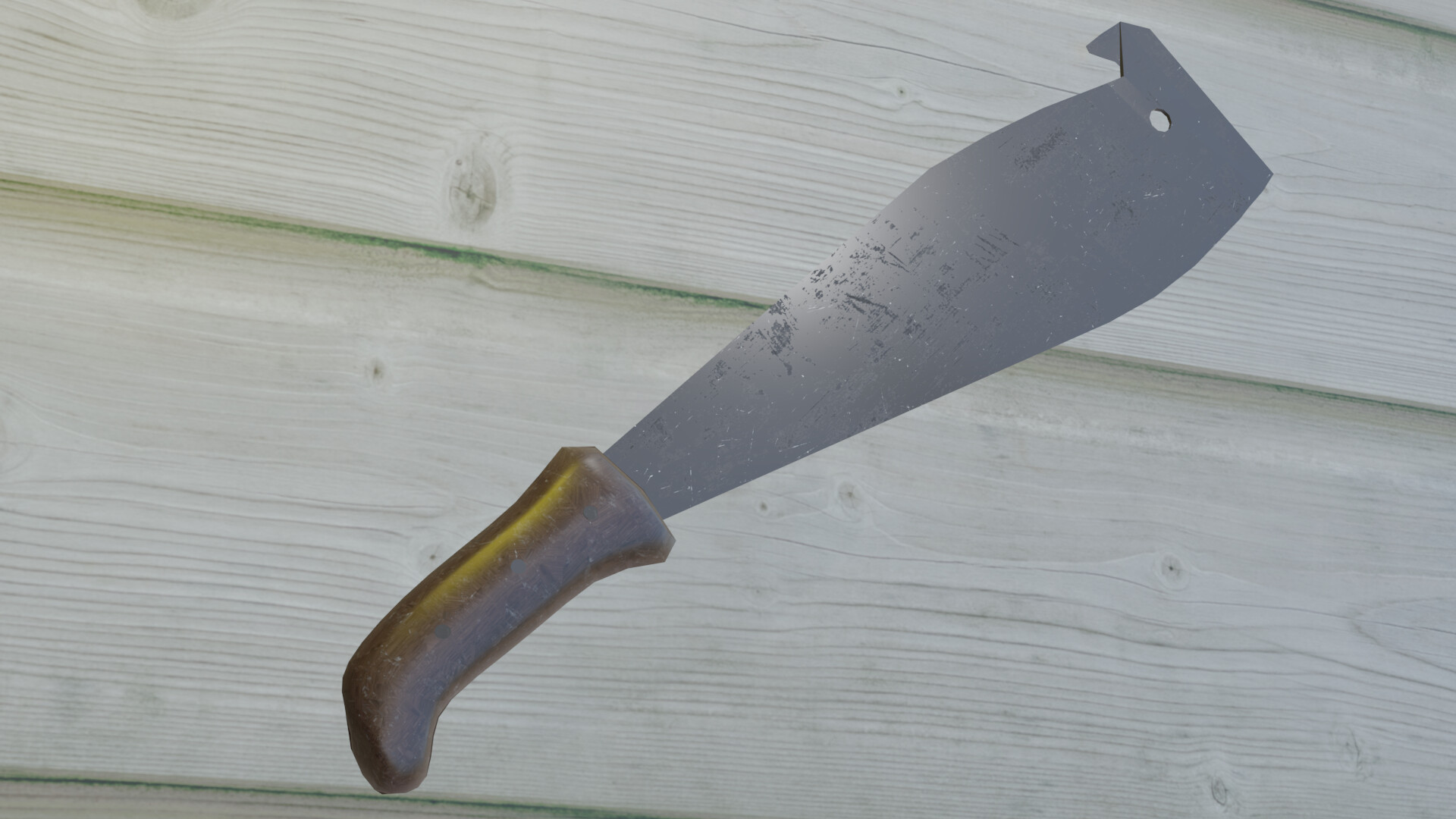
Why the Art of Machete Forging Matters Today
The art of machete forging remains relevant in 2026 because it represents the pinnacle of specialized tool performance, combining metallurgical science with ergonomic customization that mass-produced stamping cannot replicate. While mo...
The art of machete forging remains relevant in 2026 because it represents the pinnacle of specialized tool performance, combining metallurgical science with ergonomic customization that mass-produced stamping cannot replicate. While modern factory-made blades fill a functional gap for casual users, the forge-craft process creates structural integrity, superior edge retention, and balance that are critical for professional arboriculture, agricultural clearing, and survivalist utility.
Contents
The Metallurgical Distinction of Hand-Forged Steel
The primary reason hand-forged machetes remain superior to mass-produced counterparts lies in the grain structure of the steel. When a blacksmith works a billet of steel, the hammering process refines the crystalline structure of the metal. Through repeated cycles of heating and mechanical deformation, the smith aligns the grain flow to follow the contour of the blade.
In contrast, most inexpensive machetes are stamped out of large sheets of cold-rolled steel. Stamping creates a flat, uniform profile, but it does not improve the steel’s molecular density. A forged blade exhibits increased toughness—the ability to absorb impact without snapping—because the forging process effectively "compacts" the metal. By controlling the heat treatment through precise quenching (cooling) and tempering (softening the internal stress), a skilled smith can create a blade that is hard enough to hold a razor edge but resilient enough to handle high-velocity impacts against hardwood.
Functional Ergonomics and Kinetic Efficiency
A machete is fundamentally a kinetic tool. Its efficiency is dictated by the relationship between the blade’s weight distribution, the handle’s vibration dampening, and the user’s arm biomechanics.
Mass production relies on "one-size-fits-all" geometry, which often results in poorly balanced tools that cause premature fatigue or "tendonitis" during extended use. A forged machete allows for a tapered tang and variable blade thickness. By forging a distal taper—where the blade gets thinner toward the tip—the smith shifts the balance point closer to the hand. This reduces the rotational inertia required to swing the tool, allowing for more strikes per minute with less caloric expenditure. This level of optimization is essential for professionals working in agricultural settings who depend on the tool for their livelihood.
Durability and Asset Longevity
In an era dominated by disposable consumer goods, the hand-forged machete serves as an investment in hardware longevity. A well-forged, high-carbon steel blade, when properly maintained, can last for decades.
Comparison of Forged vs. Stamped Machetes
| Feature | Hand-Forged Machete | Mass-Produced Stamped Blade |
|---|---|---|
| Steel Density | High (grain flow aligned) | Moderate (uniform cold-rolled) |
| Edge Retention | Superior (selective hardening) | Low (consistent surface hardness) |
| Balance | Precision-weighted (distal taper) | Fixed (standard flat stock) |
| Repairability | High (can be reshaped/re-tempered) | Negligible (usually replaced) |
| Cost Basis | Investment-grade pricing | Disposable/Low entry cost |
The Role of Customization in Specialized Environments
Different climates and terrains demand different steel characteristics. The tropical rainforest, characterized by dense, wet vegetation, requires a thinner, more flexible blade to prevent the tool from "binding" in deep cuts. Conversely, clearing thick, woody brush in temperate or arid regions requires a heavier, thicker spine to prevent the blade from folding or chipping upon impact.
Forging allows a user to work with a smith to dial in these specifications. This is not merely an aesthetic choice; it is a safety and productivity requirement. A tool tailored to the user’s specific physical strength and the local flora significantly reduces the risk of accidents caused by "bounce-back" or fatigue-induced slipping.
Environmental Impact and Sustainability
The modern shift toward sustainable consumption highlights the value of locally produced, long-lasting tools. The forge-craft economy operates on a circular model: high-quality steel is sourced, forged into a long-lasting tool, and maintained through re-sharpening or, in the case of significant damage, re-forging. Unlike cheap, mass-produced machetes that end up in landfills due to failed rivets or metal fatigue, a forged tool is rarely discarded. The smithing process consumes energy to heat the forge, but the amortization of that energy over 20 to 30 years of utility presents a vastly smaller carbon footprint than the high-volume shipping and rapid replacement cycles associated with industrial "disposable" tools.
Challenges and Limitations of Forged Tools
It is important to acknowledge that the art of forging is not without limitations. Hand-forged tools require higher initial capital investment compared to the mass-produced options found in big-box stores. Furthermore, high-carbon steel—the preferred material for custom forging—is susceptible to oxidation and rust if not properly oiled and maintained. Users must be prepared to adopt a maintenance regimen, including regular honing, light oiling, and periodic cleaning, which is a prerequisite for ownership that many casual users may find burdensome.
Frequently Asked Questions
1. Is a forged machete actually stronger than a modern stainless steel one? Yes, for the specific purpose of chopping. While "stainless" refers to corrosion resistance, it often involves additives like chromium that reduce the toughness of the steel. High-carbon steels used in forging are more resilient to the shock of impact, meaning they are less likely to crack or shatter during hard use.
2. How do I maintain a forged blade to prevent rusting? The most effective method is keeping the blade clean and dry after use. Applying a light layer of mineral oil or food-grade wax after cleaning creates a moisture barrier. If surface rust develops, it can be removed with a fine abrasive pad or a mild rust-removing solvent without harming the structural integrity.
3. Does the forge-craft process change the weight of the machete? Forging allows the maker to remove mass where it isn't needed—such as in the spine or near the tip—without compromising the blade’s strength. This allows for a lighter, more nimble tool that feels "lively" in the hand compared to a stamped piece of metal of the same thickness.
4. Are forged machetes suitable for beginners? They are excellent for beginners who intend to learn proper technique, as a well-balanced tool is more forgiving of poor form. However, beginners should recognize the maintenance requirements of high-carbon steel before purchasing a hand-forged piece.
5. How do I identify a truly forged blade versus a stamped one? Look for signs of the hammer, such as slight textural variations on the blade flat, and check for a distal taper (the blade thinning toward the tip). Stamped blades have a uniform thickness throughout and perfectly smooth, flat sides.
Recommendation
If your work requires repetitive clearing, heavy agricultural utility, or long-term wilderness reliability, the investment in a hand-forged machete is justified by its superior balance, shock absorption, and longevity. Start by researching regional smiths or established boutique knife-makers who specialize in high-carbon tool steel. Prioritize a model with a full-tang construction—where the steel extends to the end of the handle—to ensure the most durable connection between your hand and the edge.
Image Gallery