Essential Equipment for Making Ice Cream: A Comprehensive Guide for 2026
The essential equipment for making high-quality ice cream ranges from entry-level freezer-bowl machines to professional-grade compressor units and batch freezers. Beyond the machine itself, you require precision tools like digital scal...
The essential equipment for making high-quality ice cream ranges from entry-level freezer-bowl machines to professional-grade compressor units and batch freezers. Beyond the machine itself, you require precision tools like digital scales, instant-read thermometers, and high-speed immersion blenders to ensure proper emulsification, controlled aeration, and a smooth, crystal-free texture.
Contents
Understanding the Primary Ice Cream Machine Categories
Selecting the right ice cream maker is the most significant investment in your setup. In 2026, the technology has bifurcated into three distinct tiers based on cooling methods and production volume. The choice depends entirely on whether you prioritize convenience, cost-efficiency, or high-volume output.
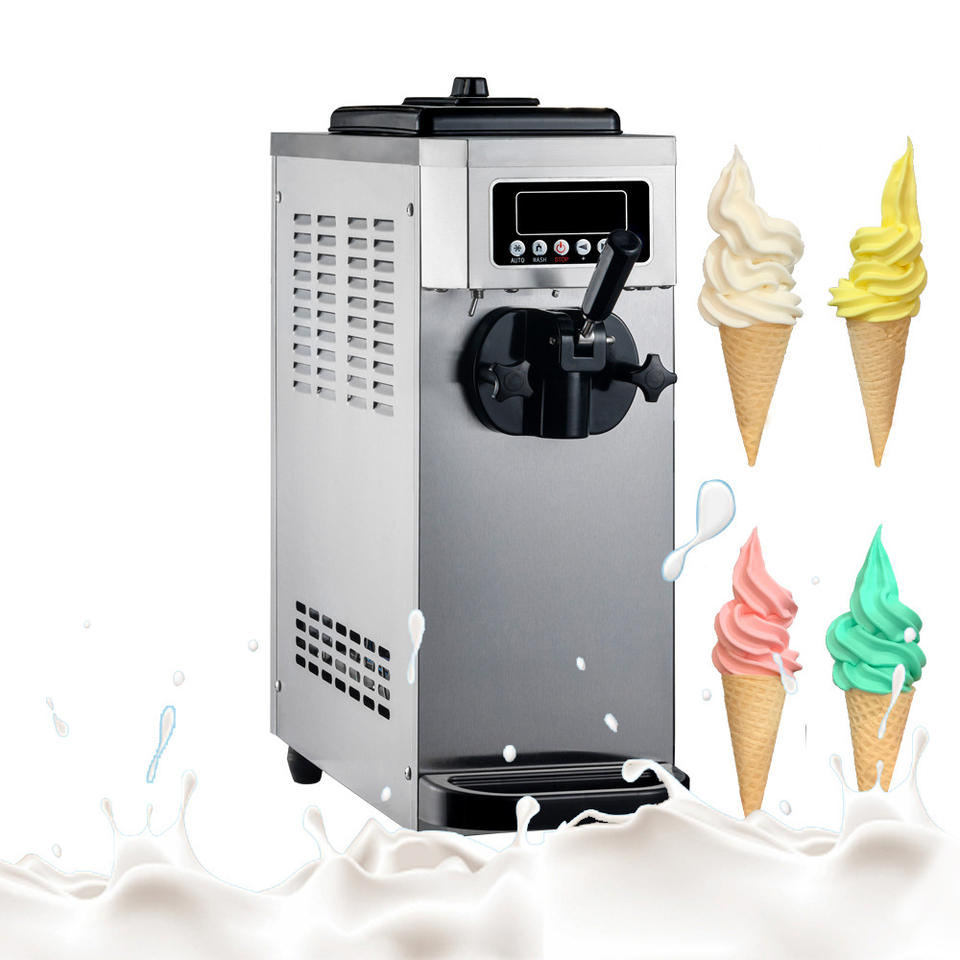
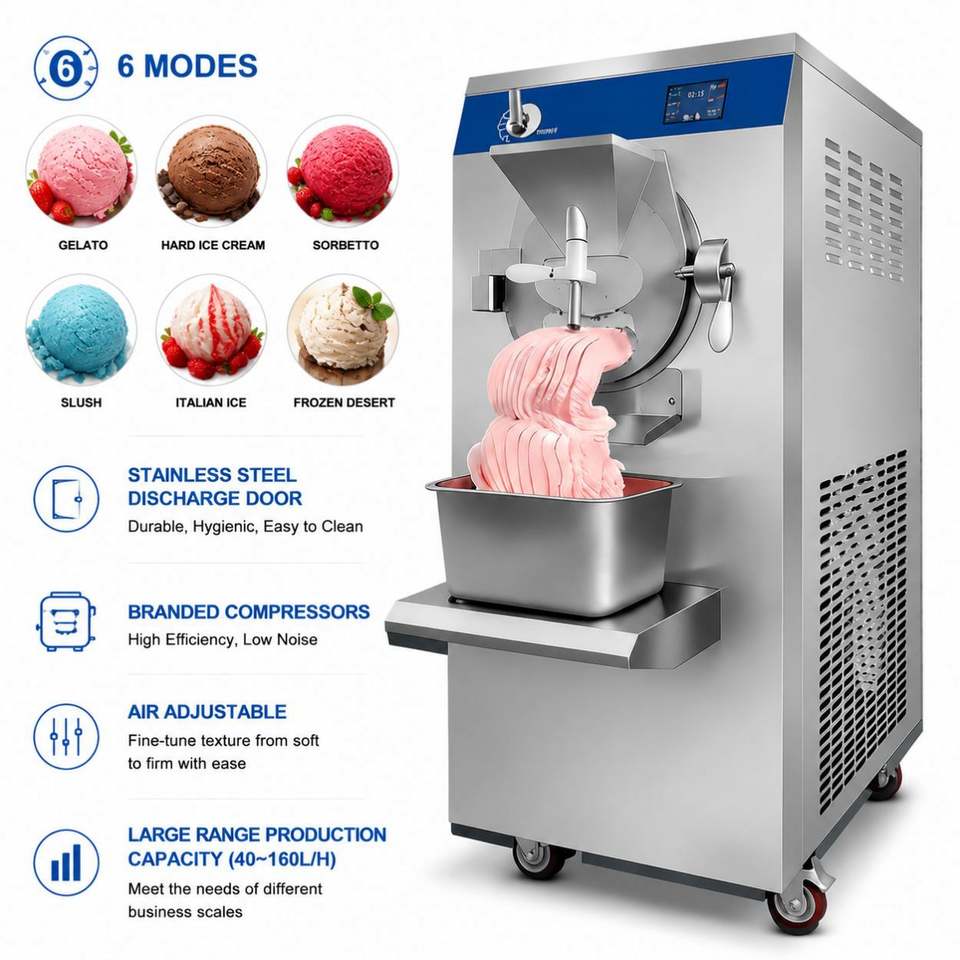
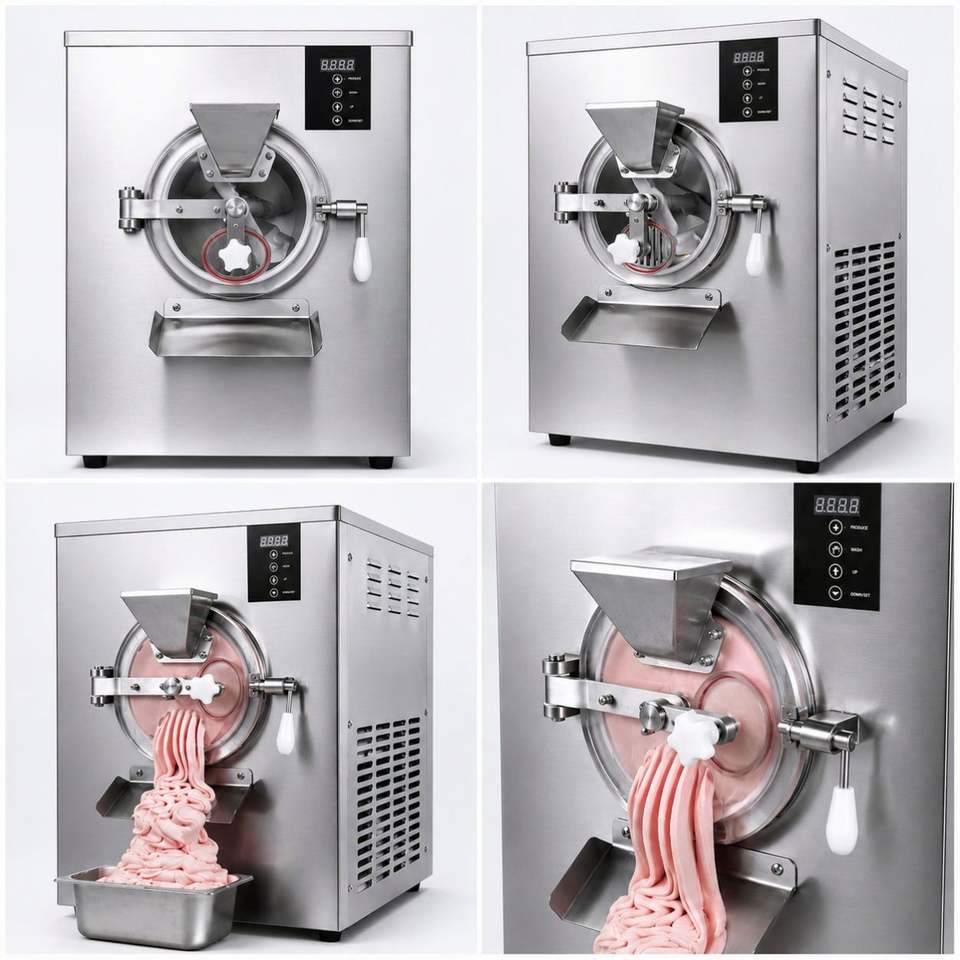
Compressor-Based Ice Cream Makers
Compressor machines are the gold standard for home enthusiasts and small-scale artisanal producers. These units feature a built-in refrigeration system, similar to a mini-fridge, that chills the churning bowl to sub-zero temperatures within minutes.
The primary advantage of a compressor model is continuous production. Unlike cheaper models, you do not need to pre-freeze a bowl for 24 hours. Once a batch is finished, you can simply wipe the bowl and start a second batch immediately. High-end models in 2026 often include adjustable dasher speeds, allowing the user to control the "overrun"—the amount of air whipped into the mixture. Lower speeds produce dense, gelato-like textures, while higher speeds create fluffier, North American-style ice cream.
Freezer-Bowl (Thermal Hub) Machines
These are the most common entry-level machines. They consist of a double-walled bowl containing a liquid coolant. You must freeze this bowl for at least 18 to 24 hours before use. While affordable, they limit you to one batch per day and require significant freezer space to store the bowl. For those just beginning their journey, these provide an excellent introduction to the science of churning without a heavy financial commitment.
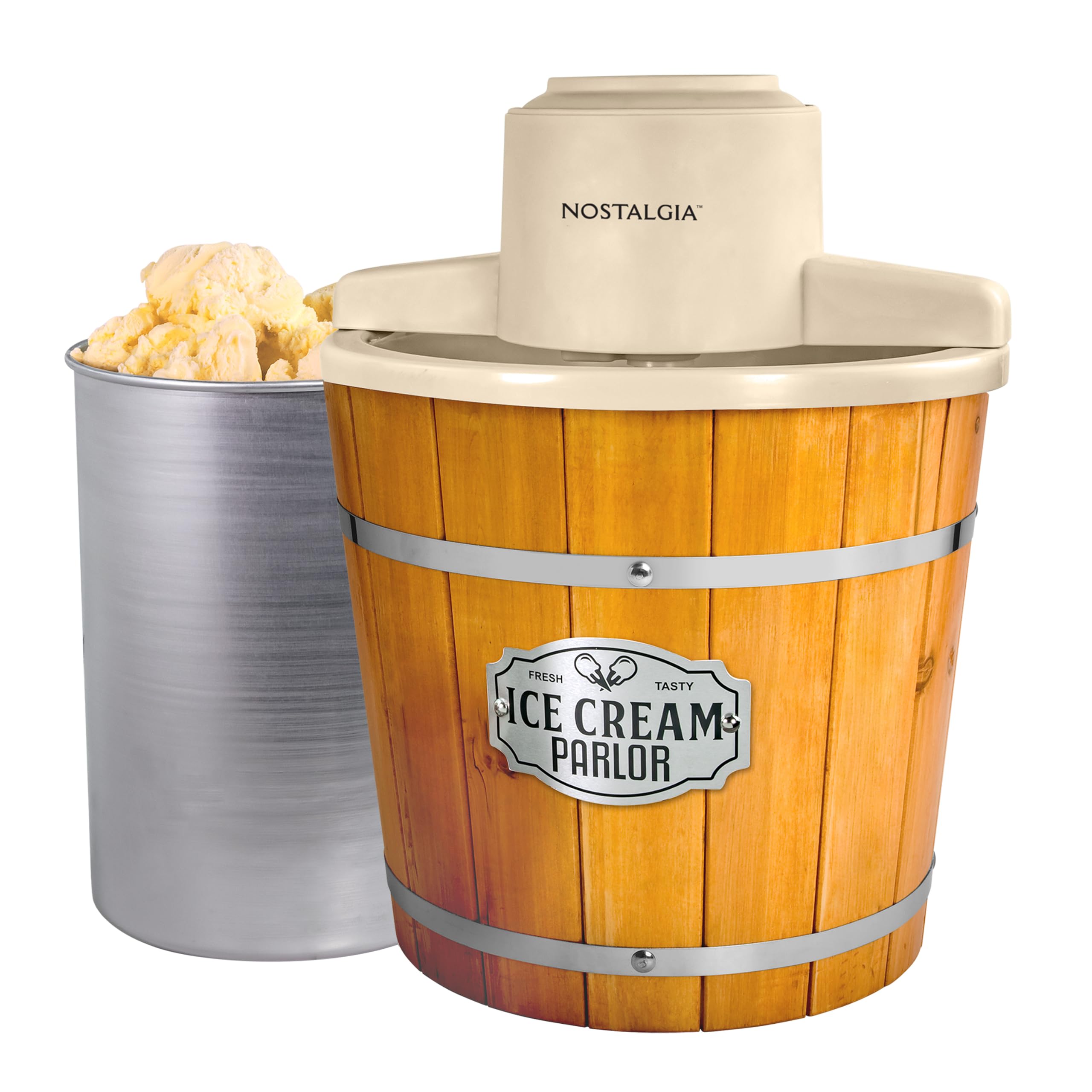
Traditional Salt and Ice Crankers
Though they may seem antiquated, salt and ice machines are still utilized for large-batch outdoor events. They rely on the endothermic reaction of salt melting ice to drop the temperature of the brine to approximately -10°F (-23°C). Modern versions often replace the manual hand crank with a high-torque electric motor. They are valued for their durability and ability to produce 4 to 6 quarts at once, which is significantly more than most home compressor units.
Essential Preparation and Emulsification Tools
The "churn" is only half the process. The preparation of the "base"—the liquid mixture of dairy, sugars, and stabilizers—requires specific equipment to ensure the final product does not feel grainy or icy.
High-Speed Immersion Blenders
An immersion blender is critical for shearing stabilizers (such as locust bean gum or guar gum) into the liquid. In 2026, professional recipes favor ultra-fine emulsions. A high-speed blender breaks down fat globules and ensures that solids are perfectly suspended in the water phase of the mix. This prevents the "greasy" mouthfeel that occurs when butterfat separates during the churning process.
Precision Digital Scales
Ice cream is a game of ratios. Even a 1% deviation in sugar or fat content can significantly alter the freezing point. Relying on volume measurements (cups and spoons) is discouraged in modern ice cream making. A digital scale with 0.1-gram increments is necessary for weighing out stabilizers and salts, while a standard kilogram scale handles the heavier dairy and sugar components.
Instant-Read Digital Thermometers
Temperature control is vital during the "aging" and cooking phases of the base. If you are making a custard-style base (French ice cream), you must heat the egg yolks to exactly 170°F-180°F (77°C-82°C) to thicken the mixture without curdling the eggs. An accurate probe thermometer ensures you hit these benchmarks and, more importantly, confirms that your base has chilled down to at least 40°F (4°C) before it enters the churn.
Storage and Hardening Equipment
Ice cream comes out of the churn with the consistency of soft-serve. To reach "scoopable" hardness, it must undergo a secondary freezing process known as hardening.
Insulated Storage Containers
Standard plastic containers are often too thin, leading to rapid temperature fluctuations and the development of ice crystals (freezer burn). Specialized ice cream containers in 2026 feature double-walled insulation and a long, narrow shape. This "trough" design is intentional; it allows for a cleaner scoop and ensures the ice cream freezes evenly from the outside in without leaving a soft, "soupy" core.
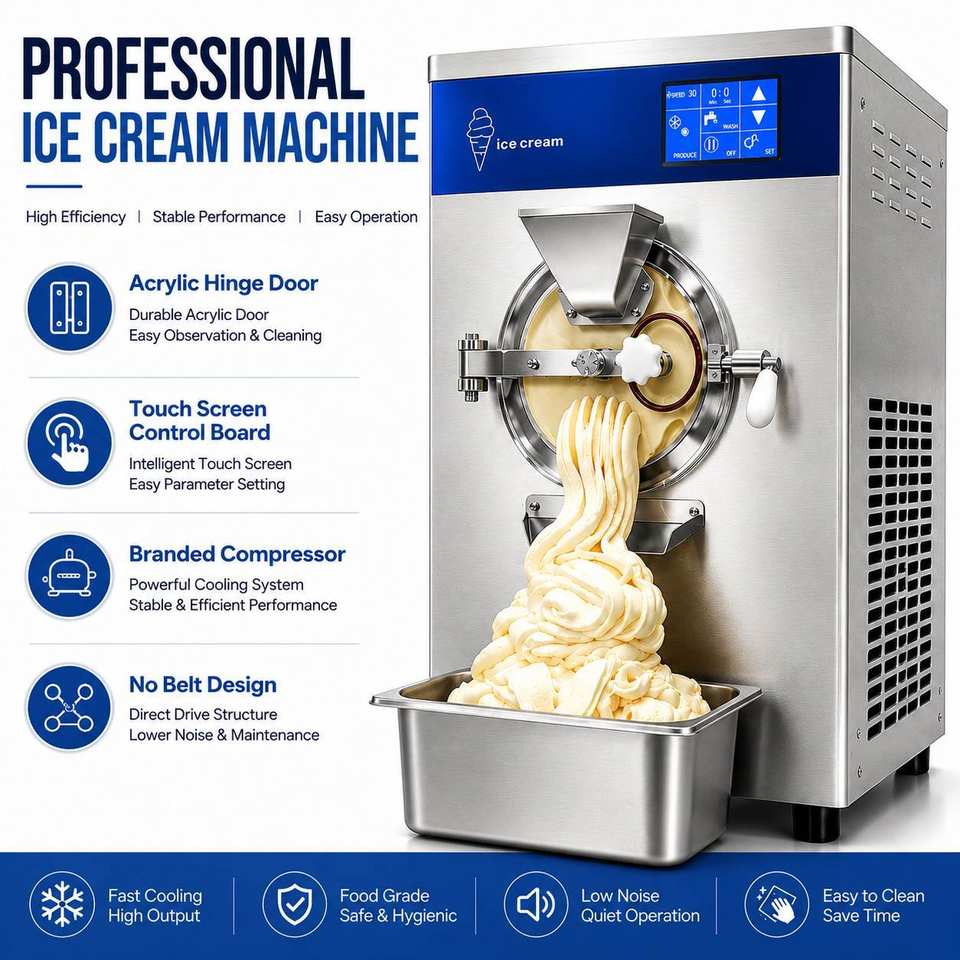
The Role of Blast Chillers (Commercial Grade)
For those transitioning from home hobbyist to professional, a blast chiller is a transformative piece of equipment. Rapid freezing is the enemy of ice crystals. The faster you can move the ice cream from 20°F (the temperature it leaves the machine) to 0°F, the smaller the ice crystals will be. Smaller crystals result in a smoother, more luxurious mouthfeel.
Technical Comparison of Ice Cream Equipment Tiers
| Feature | Freezer-Bowl Machine | Home Compressor Unit | Commercial Batch Freezer |
|---|---|---|---|
| Cooling Method | Pre-frozen liquid core | Built-in Refrigerant (R600a/R290) | High-output Freon/Glycol |
| Prep Time | 24 hours (Bowl freezing) | 0 - 10 minutes | 0 minutes |
| Churn Time | 20–30 minutes | 30–45 minutes | 8–12 minutes |
| Max Capacity | 1.5 - 2 Quarts | 1.5 - 2.5 Quarts | 6 - 24 Quarts |
| Durability | Moderate (Plastic parts) | High (Stainless/Metal) | Industrial (Heavy Steel) |
| Approx. Cost (2026) | $50 - $120 | $300 - $800 | $5,000+ |
Specialized Accessories for Texture and Efficiency
While the machine does the heavy lifting, several smaller tools are essential for operational efficiency.
- Silicone Spatulas: You need high-heat resistant, flexible silicone spatulas to "strip" the dasher. Ice cream sets quickly, and any mix left on the paddle is wasted product.
- Deformation-Resistant Scoops: For serving, a conductive liquid-filled scoop (often containing a defrosting fluid) helps the metal cut through hard-pack ice cream without sticking.
- Sieves and Strainers: Even with high-speed blending, straining your base through a fine-mesh "chinois" or sieve is a necessary step to remove any stray bits of cooked egg or undissolved solids.
- Refractometers: Advanced makers use a Brix refractometer to measure the sugar concentration of fruit purees or bases, ensuring consistency across different batches of seasonal ingredients.
Maintenance and Food Safety Requirements
Equipment for making ice cream must be kept to rigorous sanitization standards. Because dairy is highly perishable, any residue left in the nooks and crannies of a machine can harbor bacteria like Listeria.
- Disassembly: Ensure your chosen machine allows for the complete removal of the dasher and the drive shaft seal.
- Sanitization: Use food-grade sanitizers that are safe for stainless steel and food-grade plastics.
- Seal Lubrication: In many compressor units, the central spindle requires food-grade lubricant to prevent friction heat from melting the ice cream as it churns.
The U.S. Food and Drug Administration (FDA) provides specific guidelines for dairy processing equipment that should be followed if you intend to sell your product. These standards focus on "clean-in-place" (CIP) capabilities and the non-porous nature of the materials used in the equipment.
Frequently Asked Questions
Do I really need an expensive machine to make good ice cream?
While high-end machines provide better texture control and convenience, you can produce excellent ice cream with a freezer-bowl unit if you focus on your recipe's science. The key is to ensure the bowl is completely frozen (usually 24 hours at -10°F) and that your base is as cold as possible (34°F–38°F) before starting.
What is "overrun" and how does equipment affect it?
Overrun refers to the percentage of air incorporated into the ice cream. A 50% overrun means the volume has increased by half. Home machines typically produce 20-30% overrun, resulting in dense ice cream. Commercial machines use powerful motors and specific dasher geometries to achieve higher, more consistent overrun for lighter textures.
Can I use a regular blender instead of an immersion blender?
Yes, a countertop blender works well for emulsifying the base, but it introduces a lot of unwanted air bubbles before the churning process even begins. An immersion blender allows you to emulsify the mixture in a deep pot or container without incorporating excessive air, leading to a smoother final product.
Why does my homemade ice cream get rock-hard in the freezer?
This is usually a recipe or storage issue rather than a machine fault. However, equipment like insulated containers can help. To prevent hardness, ensure your machine is churning the mix until it reaches a "soft-serve" consistency before moving it to the freezer. If the machine's motor is too weak to churn the mix to that thickness, the resulting ice cream will have more large ice crystals, which feel harder.
Is it worth buying a machine with a "Gelato" setting?
In 2026, many machines offer "Gelato," "Ice Cream," and "Sorbet" modes. These settings primarily change the RPM (revolutions per minute) of the dasher. Gelato settings spin slower to minimize air, while ice cream settings spin faster. If you value versatility, these settings are helpful but can also be mimicked manually by timing the churn.
Final Recommendation for 2026
If you are a frequent maker who values consistency and the ability to experiment with back-to-back batches, invest in a compressor-based machine with a minimum 1.5-quart capacity. Ensure your kit includes a 0.1g precision scale and a high-quality immersion blender, as these two tools impact the final texture more than almost any other accessory. For those looking to enter the commercial space, prioritize equipment that meets NSF/ANSI standards to ensure compliance with health and safety regulations.
Image Gallery