Life Insurance Application Interview Questions: Myths vs. Facts
Navigating the life insurance application process often brings a wave of anxiety, particularly regarding the interview stage. Commonly referred to as the paramedical interview or telephone inspection, this conversation with an underwri...
Navigating the life insurance application process often brings a wave of anxiety, particularly regarding the interview stage. Commonly referred to as the paramedical interview or telephone inspection, this conversation with an underwriter or a third-party examiner is designed to verify health, lifestyle, and financial details. Unfortunately, widespread misconceptions paint this interview as a high-stakes interrogation designed to catch applicants off guard and find reasons to deny coverage. In reality, the application interview is a standard administrative step aimed at assessing risk accurately so that insurers can offer fair pricing. Understanding what actually happens during this process, debunking prevalent myths, and recognizing the factual framework can significantly reduce stress and lead to a smoother underwriting experience.
Contents
Understanding the Life Insurance Application Interview
When you apply for a policy, the underwriting department must evaluate your mortality risk to determine your premium tier. While financial documents and medical records provide a foundation, the interview adds essential personal context. This interaction typically occurs over the telephone either directly after submitting an online or paper application or as part of a scheduled paramedical exam appointment where a nurse or examiner records your answers.
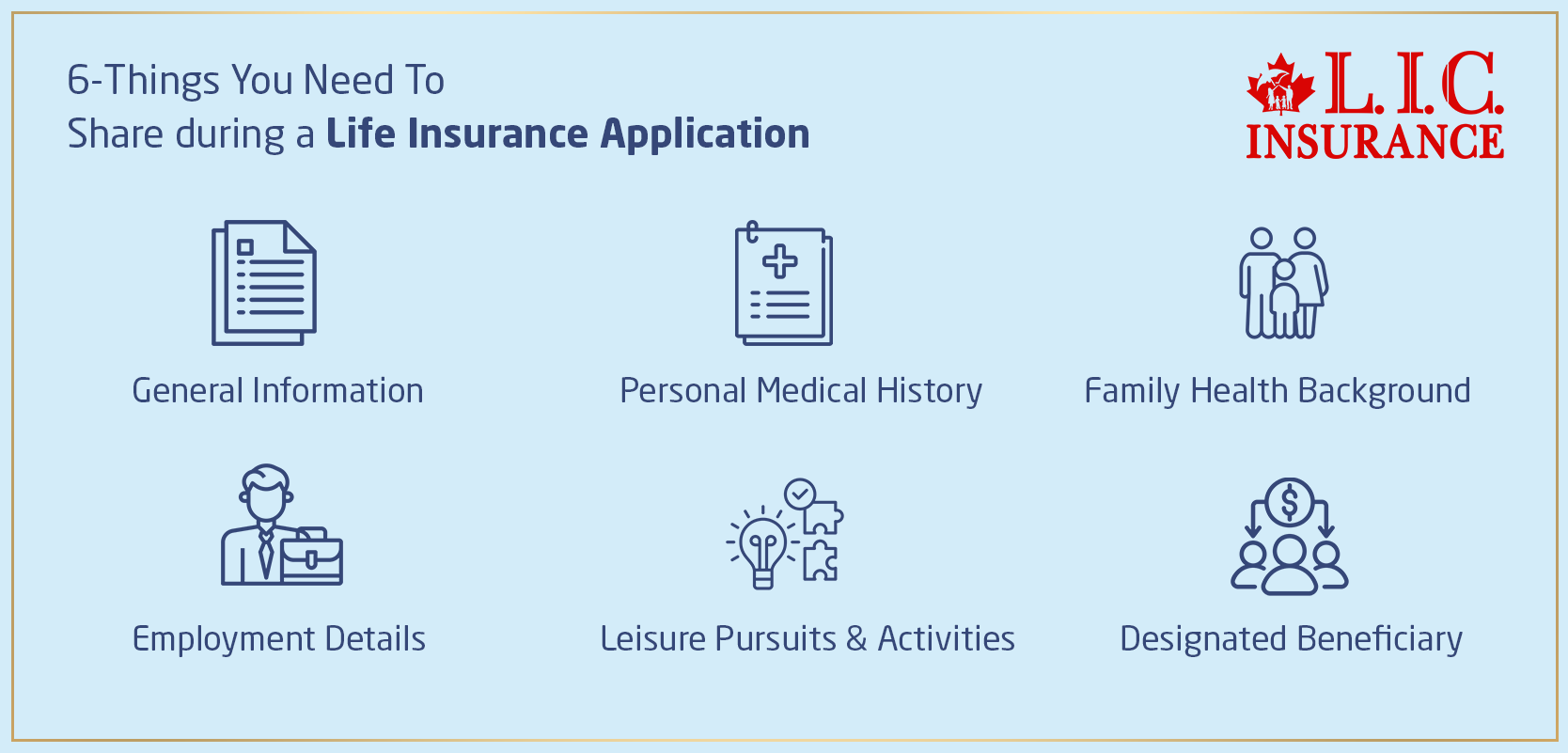
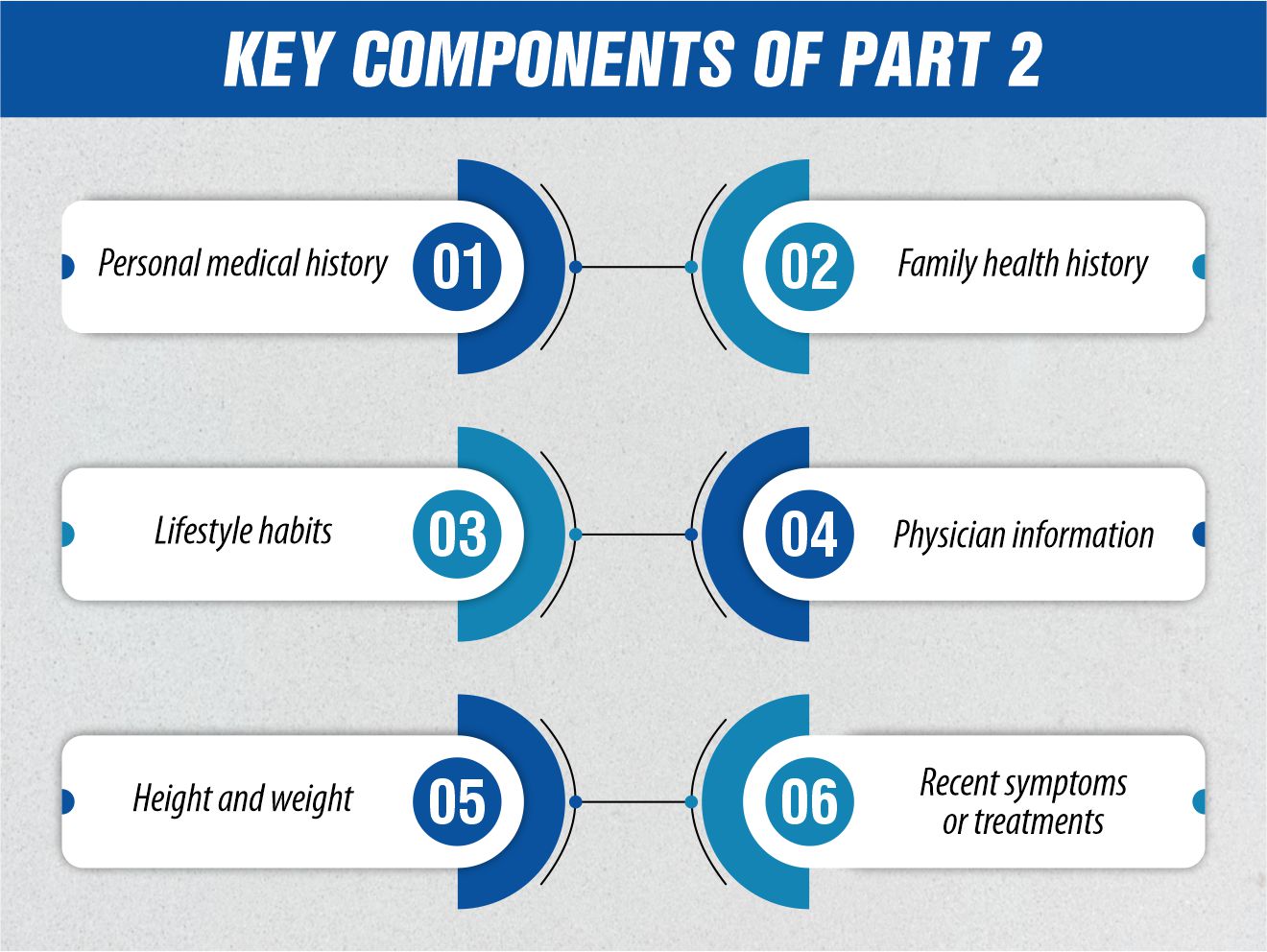
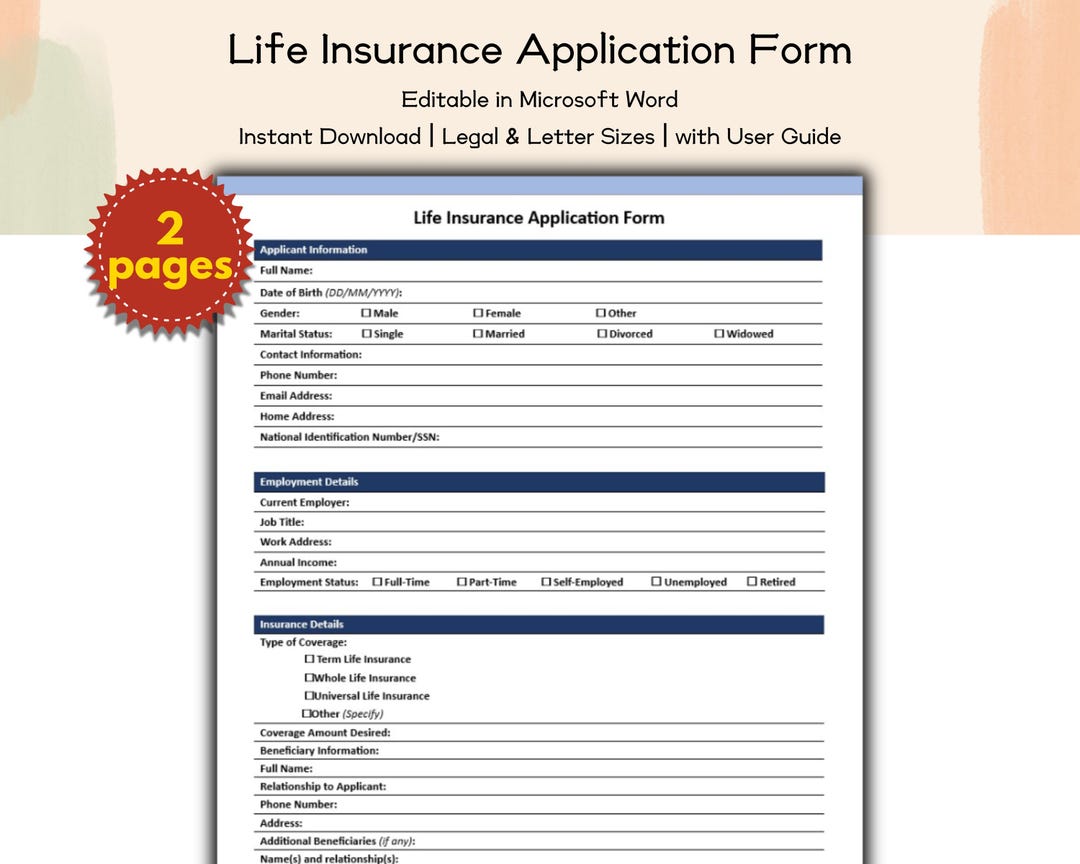
The scope of the questions usually covers three main domains: medical history, lifestyle habits, and financial background. Underwriters are looking for consistency between your written application and your verbal responses. They want to understand the nature of any past treatments, the frequency of certain hobbies, and the beneficiary details. Approaching this conversation with transparency ensures that your policy is underwritten correctly from the start, preventing potential disputes or claim denials down the road due to material misrepresentation.
Debunking Common Myths About Application Interviews
Myths about life insurance interviews persist largely due to word-of-mouth stories, outdated industry practices, and dramatic depictions in media. Believing these misconceptions can cause applicants to withhold vital information or approach the process with unnecessary suspicion. Examining the most common myths helps clarify the true nature of the procedure.
Myth 1: Underwriters Are Looking for Any Reason to Deny Coverage
A pervasive belief is that insurance companies operate like defensive litigants trying to trap applicants into saying something that voids their eligibility.
- The Fact: Life insurance companies are in the business of writing policies, not turning away paying customers. Their primary goal is risk classification, not rejection. If an applicant has a manageable health condition like well-controlled hypertension or type 2 diabetes, underwriters do not automatically decline them; instead, they adjust the pricing tier to match the statistical risk. An interview is simply a tool to gather complete data, not a trap.
Myth 2: Minor White Lies About Lifestyle Habits Go Unnoticed
Some applicants assume that minor discrepancies—such as underreporting alcohol consumption, smoking occasionally rather than regularly, or omitting a past hobby like skydiving—will not show up or matter.
- The Fact: Underwriters cross-reference your verbal and written answers against extensive databases, including the Medical Information Bureau (MIB), prescription history databases, motor vehicle records, and upcoming medical exam results like blood and urine panels. Discrepancies often trigger further investigation, causing delays or even application denials based on lack of credibility, rather than the underlying behavior itself.
Myth 3: The Interview Is a Comprehensive Medical Diagnosis
Anxious applicants frequently worry that they must know exact medical terminology, precise dates of every minor clinic visit, and comprehensive family medical trees off the top of their heads under penalty of failure.
- The Fact: The interviewer does not expect you to be a medical professional. While you should provide accurate information to the best of your ability, minor estimation errors regarding historical dates or routine checkups are common and easily reconciled with your actual medical records. The examiner is gathering an overview, not conducting a diagnostic clinical assessment during the call.
Myth 4: Mental Health History Automatically Disqualifies You
Many people believe that disclosing a history of anxiety, depression, or stress-related counseling will result in an instant rejection or exorbitant premium rates.
- The Fact: Insurers evaluate mental health history similarly to physical chronic conditions. Stable management, regular therapy, consistent medication compliance, and favorable employment stability demonstrate that a mental health condition is managed responsibly. While severe, untreated conditions present higher risks, seeking routine psychological care or taking antidepressants does not automatically bar an individual from obtaining affordable coverage.
Reality Check: What Actually Happens During the Interview
To prepare effectively, applicants should know the specific mechanics of the interview process. Knowing the structure strips away the fear of the unknown and allows you to gather necessary documents beforehand.
- Scheduling: Arranged via phone or integrated with paramed exam
- Identity Verification: Confirming legal name, DOB, and ID
- Medical Review: Discussing prescriptions, doctors, and history
- Lifestyle Check: Inquiring about travel, sports, and nicotine
- Financial Audit: Verifying income, assets, and coverage amount
Medical History and Prescription Verification
The examiner will read through the medical history section of your application, asking detailed follow-up questions about past surgeries, hospitalizations, chronic illnesses, and current medications. Be prepared to provide the names and dosages of any prescriptions you take, along with the names and contact information of the physicians who prescribed them. Underwriters use prescription databases to verify this information, making honesty the safest and most efficient path.
Lifestyle and Avocation Questions
Insurers evaluate external risks that could impact your life expectancy. Questions in this category typically focus on tobacco or nicotine use (including e-cigarettes and cigars), alcohol consumption frequency, recreational drug use, and participation in hazardous hobbies such as private aviation, scuba diving, rock climbing, or auto racing. If you engage in any of these activities, be honest about how frequently and to what extent you participate, as some insurers accommodate these hobbies with modest rate adjustments rather than denials.
Financial Underwriting and Purpose
For policies with substantial death benefits, underwriters must establish "insurable interest." They will ask about your annual income, net worth, existing coverage, and the specific financial goal of the policy—such as income replacement, mortgage protection, or estate planning. This ensures that the face amount aligns logically with your economic value and prevents over-insurance.
Comparing Myth Versus Fact in Life Insurance Interviews
| Area of Concern | Common Myth | Verified Fact |
|---|---|---|
| Purpose | Designed to trap applicants and deny coverage. | Designed to classify risk accurately and set fair premiums. |
| Accuracy | Minor exaggerations about habits go unnoticed. | Cross-referenced against MIB, prescription, and DMV records. |
| Medical Disclosure | Perfect recall of every medical detail is mandatory. | General accuracy is sufficient; medical records provide specifics. |
| Mental Health | Therapy or antidepressants cause automatic denial. | Stable, managed conditions are evaluated based on treatment history. |
| Interviewer Role | The interviewer is a medical doctor diagnosing conditions. | The interviewer is an administrative recorder gathering risk data. |
Frequently Asked Questions
Can I have my insurance agent present during the interview?
Generally, agents are not permitted to participate directly in the telephone interview because underwriters need uninfluenced, firsthand answers from the applicant. However, you can review your application notes and discuss potential talking points with your agent beforehand to ensure you feel prepared.
What happens if I make an honest mistake during the interview?
Making an honest mistake—such as misremembering the exact month you underwent a minor outpatient procedure—is completely normal. Underwriters verify your statements against official medical records. If a discrepancy arises, it is usually clarified during routine underwriting without jeopardizing your application, provided it was not an intentional omission.
Do telephone interviews apply to simplified issue policies?
No. Simplified issue and guaranteed acceptance policies often bypass medical exams and lengthy telephone interviews entirely, relying instead on database checks and a short series of yes-or-no application questions. However, these policies typically feature lower maximum coverage limits and higher premium rates.
How long does the life insurance interview typically take?
Most standard telephone interviews last between 20 and 30 minutes. The duration depends heavily on the complexity of your medical history and the number of specific follow-up questions the underwriter needs to ask regarding past treatments or travel history.
Will my family medical history affect my rates?
Yes, underwriters do ask about your immediate family history—specifically regarding conditions like heart disease, stroke, or certain cancers manifesting before age 60 in parents or siblings. While a significant family history can influence your rate classification, a healthy personal profile can frequently offset hereditary risk factors.
Practical Next Steps for Applicants
Preparing for a life insurance interview does not require intense studying, but a small amount of organization prevents unnecessary delays. Gather your medication bottles, jot down the dates and names of physicians you have visited over the past five years, and confirm your employment and income details. Answer every question truthfully, completely, and concisely. By replacing anxiety-inducing myths with factual preparation, you can navigate the application interview with confidence and secure the right protection for your family's financial future.
Image Gallery