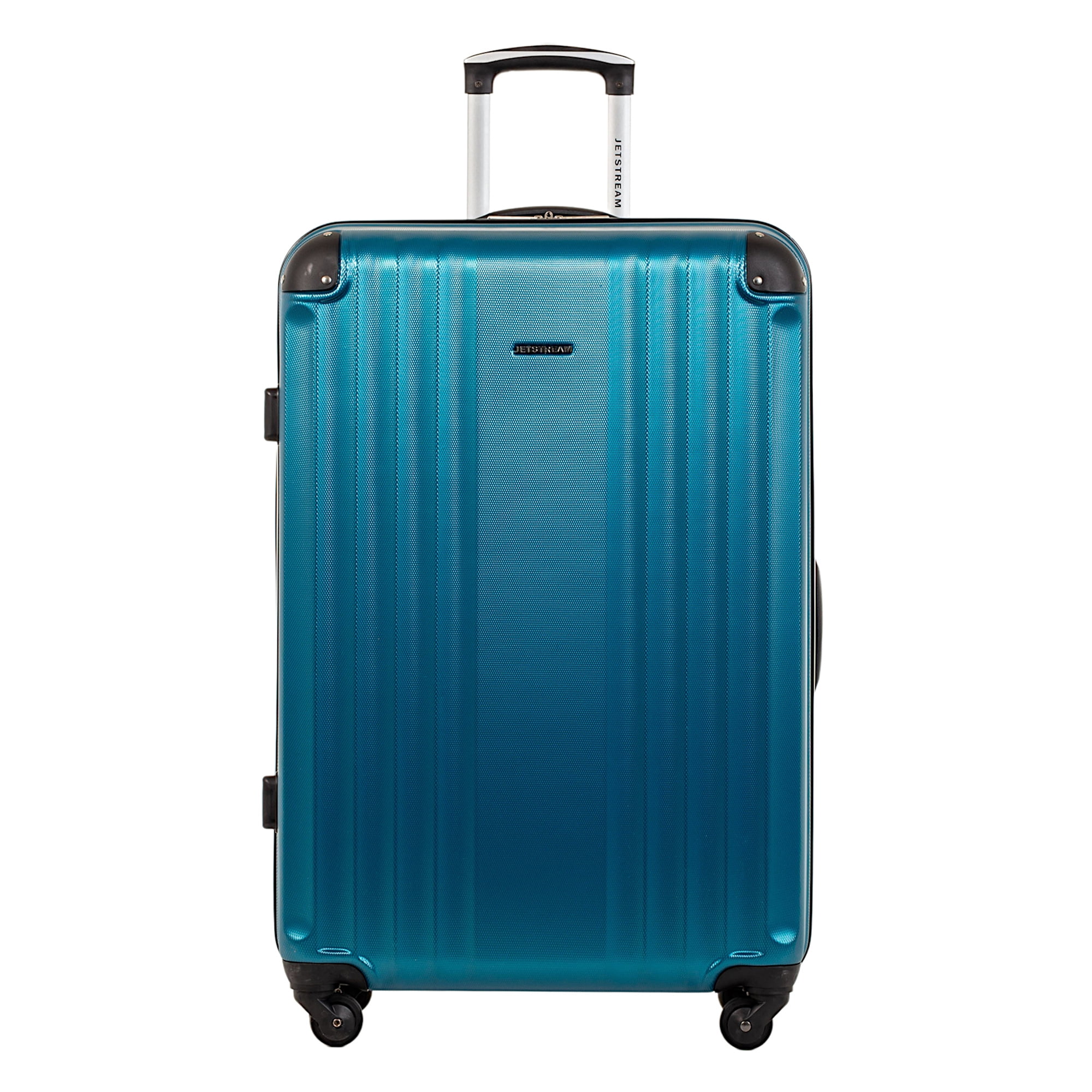
Finding the Best Checked Luggage Hard Shell: A Comprehensive Guide
The best checked luggage hard shell is defined by the balance between lightweight material composition, impact resistance, and secure closure mechanisms. While material choice—typically polycarbonate—is critical for structural integrit...
The best checked luggage hard shell is defined by the balance between lightweight material composition, impact resistance, and secure closure mechanisms. While material choice—typically polycarbonate—is critical for structural integrity, internal organization, maneuverability via high-quality spinner wheels, and security features like TSA-approved locks ultimately determine functional longevity and ease of travel.
Contents
Understanding Material Science in Luggage Construction
When evaluating hard-shell suitcases, the conversation begins and ends with the materials used for the outer casing. In the current market, manufacturers primarily utilize three types of plastics: Polycarbonate, ABS (Acrylonitrile Butadiene Styrene), and Polypropylene.
Polycarbonate is widely considered the gold standard for high-end checked luggage. It is a thermoplastic polymer known for its extreme impact resistance and ability to flex under pressure without cracking. Unlike brittle materials that may shatter when handled roughly by airline baggage systems, pure polycarbonate absorbs energy and returns to its original shape. For frequent travelers, this resilience is the most important factor in preventing the "spiderweb" cracking often seen on cheaper shells.
ABS is a significantly cheaper alternative, often blended with polycarbonate to lower production costs. While it is lightweight and rigid, it lacks the elasticity of 100% polycarbonate. If you are shopping for a suitcase intended to last several years, avoiding pure ABS or low-percentage blends is advisable. Polypropylene, by contrast, is known for being even lighter than polycarbonate and highly durable, though it can feel more flexible and sometimes thinner to the touch.
Key Features to Verify Before Purchase
Beyond the material, specific engineering components define whether a piece of luggage will withstand the rigors of modern transit.
Wheels and Maneuverability Hard-shell checked bags are heavy when fully packed. Four-wheel "spinner" systems are standard, but the quality of the internal ball bearings and the rubber coating on the wheels determines how the bag handles uneven surfaces like cobblestones or deep airport carpeting. Look for recessed wheel housings; these are less likely to be sheared off by conveyor belt mechanisms than wheels that protrude significantly from the bottom of the bag.
Closure Mechanisms: Zippers vs. Latches Traditionally, checked luggage relied on heavy-duty zippers. Modern premium luggage, however, has shifted toward frame-based latch systems. Zippered bags are generally more flexible and easier to overstuff, but the zipper teeth can be vulnerable to sharp objects. Latch-based systems provide a tighter seal, which improves water resistance and creates a more secure environment for your belongings, making them more difficult for unauthorized individuals to compromise.
Internal Organization and Volume Checked luggage comes in various sizes, typically categorized as "medium-check" (approx. 24–26 inches) or "large-check" (28–30 inches). A critical mistake travelers make is ignoring the weight limits of their airlines. A 30-inch hard-shell bag can easily be packed beyond the standard 50-pound (23 kg) limit enforced by many international carriers. Look for internal compression systems, such as dual-sided dividers or compression straps, which stabilize your items and prevent them from shifting during transit.
Comparison of Hard Shell Luggage Characteristics
| Feature | Polycarbonate (Premium) | ABS (Budget) | Polypropylene (Mid-Range) |
|---|---|---|---|
| Impact Resistance | Extremely High | Low/Brittle | High |
| Weight | Moderate | Very Light | Extremely Light |
| Flexibility | High (Bends/Recovers) | Low (Cracks) | High |
| Ideal For | Frequent/International | Occasional/Light Use | Long-term Durability |
| Cost Range | High | Low | Mid-Range |
TSA Security and Regulatory Compliance
In 2026, international transit security standards remain stringent. If you are traveling to or through the United States, your luggage must be equipped with a TSA-approved lock. These locks feature a specific keyhole that allows Transportation Security Administration agents to open your bag for inspection without damaging the mechanism.
Never use non-approved padlocks on checked bags destined for U.S. transit, as security personnel are authorized to cut locks that prevent them from accessing the contents. When selecting a suitcase, verify that the TSA lock is integrated into the shell rather than a separate unit, as integrated locks are less likely to snag on belts and chutes.
Common Pitfalls and Troubleshooting
One of the most frequent complaints regarding hard-shell luggage is the "scuffing" that occurs after the first flight. It is essential to understand that surface-level cosmetic wear is inevitable and does not indicate a failure of the material. However, if a crack appears, it is rarely repairable.
Troubleshooting wheel issues is another common need. Many high-end manufacturers offer modular wheel systems, allowing you to unscrew and replace a broken wheel assembly. Always check if a brand offers a "limited lifetime warranty" or a "repair service" before purchasing; a warranty that covers the frame and wheels is significantly more valuable than one covering only the fabric or zippers, which are rarely the points of failure on a hard-shell bag.
Selecting the Right Size for Your Needs
Choosing the size of your checked luggage is a calculation of trip duration and airline policy. A 24-inch bag is generally sufficient for a one-week trip and is easier to maneuver through transit hubs. A 28-inch or 30-inch bag is better suited for extended stays of two weeks or more. Be aware that the larger the bag, the more "empty space" you may be tempted to fill, which increases the likelihood of incurring overweight baggage fees at the check-in counter.
Frequently Asked Questions
Does a hard-shell suitcase offer better protection for fragile items than soft-side luggage? Yes, the rigid exterior of a hard-shell bag acts as a protective exoskeleton, shielding items from external pressure and impacts. However, for internal protection, always supplement the shell with padded packing cubes or bubble wrap for highly delicate objects, as hard shells provide little internal vibration dampening.
Are latch-closing suitcases more secure than zippered ones? Generally, yes. Latches are more resistant to "zipper penetration," a technique where a pen or sharp object is used to force open a closed zipper. Latches also provide a uniform seal around the perimeter of the suitcase, which is superior in keeping moisture out.
How do I clean a polycarbonate suitcase? Use a soft cloth dampened with mild soap and water. Avoid harsh solvents, abrasive scrubbing sponges, or alcohol-based cleaners, as these can strip the finish or degrade the protective coating of the polycarbonate material.
Can I carry a hard-shell suitcase as a carry-on? It depends on the dimensions. Many brands produce "carry-on" sizes (usually 20–22 inches). Always verify the specific airline's carry-on dimensions, as hard-shell bags do not "squish" like soft-side bags, meaning they must strictly adhere to the airline's sizing frames.
Do all hard-shell bags have expandable zippers? Not all. While expansion gussets are convenient for souvenirs, they introduce a point of weakness and reduce the water resistance of the bag. If you prioritize structural integrity, consider a non-expandable latch-closure bag.
Final Recommendation for Travelers
For the most reliable performance in 2026, prioritize a 100% polycarbonate shell with a frame-based, latch-closing system and reinforced spinner wheels. If your budget is tight, opt for a polypropylene shell over a polycarbonate/ABS blend, as it offers a better balance of flexibility and strength. Before your next trip, weigh your empty suitcase; knowing its base weight will help you avoid unexpected fees when checking it at the airport.
Image Gallery