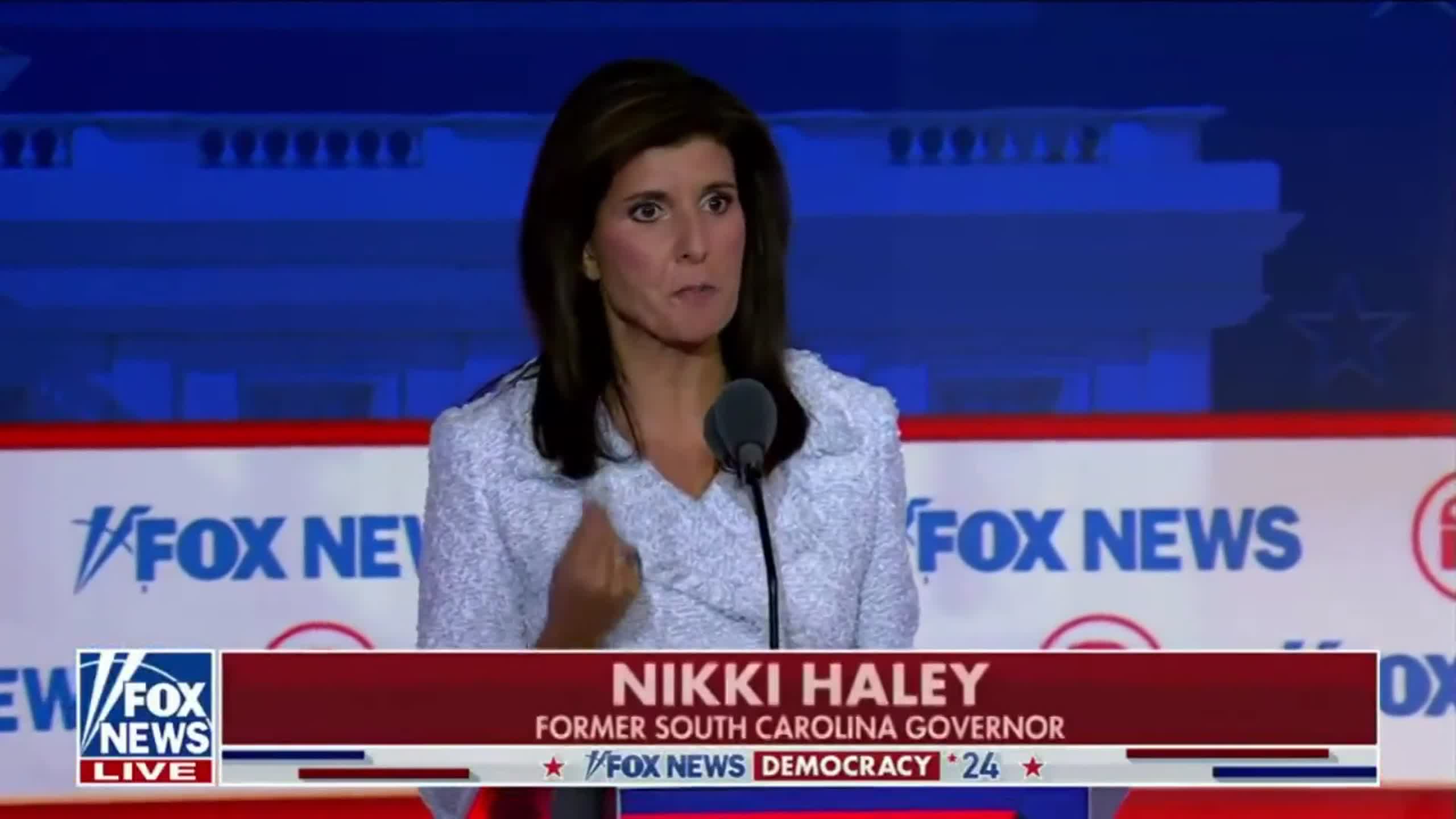
Understanding the Impact of Nikki Haley on Education Reform
Nikki Haley’s impact on education reform is characterized by her aggressive pursuit of school choice, early childhood literacy mandates, and the alignment of technical education with industrial workforce needs. During her tenure as Gov...
Nikki Haley’s impact on education reform is characterized by her aggressive pursuit of school choice, early childhood literacy mandates, and the alignment of technical education with industrial workforce needs. During her tenure as Governor of South Carolina (2011–2017), she transformed the state’s educational framework by prioritizing the "Read to Succeed" Act and championing the expansion of charter schools and tax-credit scholarships.
Contents
The Legislative Foundation: The Read to Succeed Act
One of the most significant pillars of Nikki Haley’s education legacy is the Read to Succeed Act, signed into law in 2014. This comprehensive literacy policy was designed to address a chronic issue in South Carolina: students falling behind in foundational reading skills before reaching middle school. The act mandated that students who were not reading at grade level by the end of the third grade would be retained, ensuring they did not move forward without the necessary skills to handle more complex subjects.
The philosophy behind this mandate was rooted in the "learn to read, then read to learn" transition. Haley argued that social promotion—the practice of moving students to the next grade despite failing to meet academic standards—was a disservice to the child and the state's future economy. To support this requirement, the law funded literacy coaches in elementary schools across the state, providing specialized training for teachers to identify and remediate reading deficiencies early.
While critics argued that mandatory retention could negatively affect a child's social development, Haley emphasized the long-term economic consequences of functional illiteracy. By 2026, the data from this initiative has shown a marked increase in focused intervention, though the debate over the efficacy of retention versus intensive summer support continues among educational theorists.
Expanding School Choice and Parental Power
Nikki Haley’s approach to education was deeply influenced by the principle of market-based competition. She consistently advocated for a "money follows the child" model, which posits that education funding should be attached to the student rather than the school district. This stance was intended to empower parents to choose the environment—public, private, charter, or home-based—that best suited their child's needs.
Charter School Proliferation
Under Haley’s leadership, South Carolina saw a dramatic expansion of the South Carolina Public Charter School District (SCPCSD). She viewed charter schools as labs of innovation that could bypass traditional bureaucratic hurdles to provide specialized curricula. By supporting legislation that eased the authorization process for new charters, she facilitated a significant increase in the number of these institutions, particularly in underserved urban areas.
Tax-Credit Scholarships
Haley was a vocal supporter of the Educational Opportunity Scholarships, specifically the "Exceptional Needs" grants. These programs provided tax credits to individuals and corporations that donated to scholarship organizations, which in turn helped students with physical or learning disabilities attend private schools. This move was a cornerstone of her "equity through choice" platform, arguing that school choice should not be a luxury reserved only for the wealthy.
Addressing the "Corridor of Shame" and Rural Inequity
For decades, South Carolina struggled with the legal and social ramifications of Abbeville v. State of South Carolina, a lawsuit concerning the "Corridor of Shame"—a string of impoverished, rural school districts along Interstate 95. These districts suffered from crumbling infrastructure and a lack of qualified teachers.
Haley’s response to this crisis focused on two main areas: infrastructure investment and teacher recruitment incentives. Rather than simply increasing general per-pupil spending, which she often criticized as throwing money at a broken system, she pushed for targeted capital improvements.
- Infrastructure Grants: She directed state funds toward the most dilapidated schools to ensure basic safety and technology standards were met.
- Teacher Loans and Forgiveness: To attract talent to rural areas, her administration supported programs that offered student loan forgiveness for teachers who committed to working in high-poverty districts for a minimum of five years.
- Broadband Expansion: Recognizing that digital literacy is inseparable from academic success, Haley championed the expansion of high-speed internet into rural counties, a move that proved vital for the modernization of rural classrooms.
Workforce Development and the Technical College Link
Perhaps Haley’s most unique contribution to education reform was her integration of the state’s Technical College System with its economic development strategy. She viewed the education system as the primary engine for the state's industrial recruitment efforts, particularly for global giants like Boeing, BMW, and Volvo.
Under her "ReadySC" and "Apprenticeship Carolina" initiatives, the state’s technical colleges became customized training centers for specific industries. If a manufacturer moved to South Carolina, the local technical college would develop a curriculum specifically designed to train the local workforce for those specific jobs. This "demand-driven" education model significantly reduced the skills gap and lowered the state's unemployment rate during her tenure. This approach shifted the perception of technical education from a "secondary option" to a high-value career pathway.
National Influence and the Federalism Argument
Following her time as Governor and her subsequent roles on the national stage, Haley’s education philosophy transitioned into a broader critique of federal involvement. During her 2024 presidential run, she consistently argued for the elimination of the federal Department of Education, advocating for the return of authority and funding to the states.
Her national platform emphasized:
- Transparency in Curricula: Advocating for "Parents' Bill of Rights" legislation to ensure parents have full access to classroom materials.
- Vocational Training as a National Priority: Exporting the South Carolina technical college model to the rest of the country.
- Ending "Blank Check" Funding: Proposing that federal education dollars be converted into block grants for states to use on school choice initiatives.
Comparative Impact of Haley’s Education Policies
The following table summarizes the key components of Nikki Haley’s education reform strategy and their primary objectives.
| Policy Initiative | Primary Objective | Target Demographic | Key Result/Impact |
|---|---|---|---|
| Read to Succeed | Eliminate social promotion by mandating 3rd-grade reading proficiency. | K-3 Public School Students | Increased funding for literacy coaches and early intervention. |
| Charter School Expansion | Introduce competition and innovation into the public school system. | All K-12 Students | Significant growth in the SC Public Charter School District. |
| Exceptional Needs Grants | Provide private school access for students with disabilities. | Students with Special Needs | Created a tax-credit mechanism for private tuition assistance. |
| Technical College Alignment | Bridge the gap between education and industrial employment. | Post-Secondary & Adult Learners | Successful recruitment of major manufacturing hubs to SC. |
| Broadband Expansion | Close the "digital divide" in rural school districts. | Rural & Underserved Students | Improved technology access in the "Corridor of Shame." |
Frequently Asked Questions
Did Nikki Haley support school vouchers?
Yes, Nikki Haley was a consistent advocate for school vouchers and various forms of school choice. While she faced legislative hurdles in implementing a universal voucher system, she successfully implemented tax-credit scholarships and expanded charter school access, which served a similar goal of providing alternatives to traditional zip-code-assigned public schools.
What was the main criticism of her "Read to Succeed" Act?
The primary criticism was the mandatory retention of third graders. Educators and child psychologists argued that holding a child back can lead to decreased self-esteem and a higher likelihood of dropping out later in life. Critics also pointed out that without sufficient funding for the remedial programs, the retention mandate placed an unfair burden on schools in lower-income areas.
How did she impact teacher salaries in South Carolina?
During her administration, Haley focused more on targeted teacher incentives and recruitment in high-need areas than on across-the-board state-funded raises. While she signed budgets that included modest increases, her critics in teacher unions often argued that the state's teacher pay remained below the national average and did not keep pace with inflation during the early 2010s.
What role did she play in the "Corridor of Shame" lawsuit?
Following the Abbeville ruling, which found that the state failed to provide a "minimally adequate" education to students in poor districts, Haley pushed for reform focused on accountability and infrastructure. She was often at odds with the court's intervention, preferring executive-led initiatives like the Rural Infrastructure Fund over court-mandated spending increases.
How did her education policies affect the state's economy?
The alignment of the technical college system with industry needs is widely credited with helping lower South Carolina's unemployment rate and attracting multi-billion dollar investments from international corporations. This created a template for "economic-focused education" that many other states have since emulated.
Future Implications and Next Actions
Understanding Nikki Haley's impact requires viewing education not just as a social service, but as a critical component of economic infrastructure. For policymakers and educators in 2026, the "South Carolina Model" offers a blueprint for integrating vocational training with industrial growth, though it also serves as a case study for the tensions inherent in mandatory literacy testing and school choice competition.
For those looking to apply these principles or evaluate their long-term success, the next logical steps involve reviewing the longitudinal literacy data from the Read to Succeed cohorts and analyzing the graduation-to-employment rates of technical college graduates within the state's manufacturing sector. These metrics provide the most objective measure of whether her reforms achieved their stated goals of improving both individual lives and the state's collective prosperity.
Image Gallery