Understanding Food Poisoning from Cheese: Causes, Symptoms, and Prevention
Food poisoning from cheese occurs when dairy products become contaminated with harmful bacteria, viruses, or toxins during production, handling, or storage. While most cheese is safe due to pasteurization and acidification, pathogens l...
Food poisoning from cheese occurs when dairy products become contaminated with harmful bacteria, viruses, or toxins during production, handling, or storage. While most cheese is safe due to pasteurization and acidification, pathogens like Listeria monocytogenes, Salmonella, and E. coli can cause severe illness. Understanding the risks associated with different cheese types and proper storage is essential for food safety.
Contents
The Microbial Landscape of Cheese Safety
Cheese is a living product, a complex ecosystem of bacteria, yeasts, and molds. In most cases, these microorganisms are beneficial, responsible for the textures and flavors we enjoy. However, the same environment that supports "good" bacteria—moisture, protein, and a specific pH—can also host dangerous pathogens. In 2026, food safety standards remain rigorous, yet cheese remains a frequent vehicle for foodborne illness due to its unique biological makeup.
The distinction between safe and unsafe cheese often comes down to the control of "water activity" ($a_w$) and acidity. Pathogens require available water to reproduce. Hard cheeses like Parmesan have low water activity and high salt content, which naturally inhibits the growth of many harmful bacteria. Conversely, soft, high-moisture cheeses provide an ideal breeding ground for contaminants if they are introduced at any point in the supply chain.
Contamination can occur at three primary stages:
- The Source: Pathogens may be present in the milk of cows, goats, or sheep, especially if the animals are raised in unsanitary conditions.
- The Processing Plant: Biofilms—slimy layers of bacteria—can form on equipment, floor drains, and ripening shelves.
- The Home or Retailer: Cross-contamination from knives, cutting boards, or improper refrigeration temperatures can turn a safe product into a health hazard.
Identifying High-Risk Cheeses
Not all cheeses carry the same level of risk. The primary factor in cheese safety is whether the milk was pasteurized—a process of heating milk to a specific temperature for a set time to kill harmful microbes.
Soft vs. Hard Cheeses
Soft cheeses are significantly more likely to cause food poisoning than hard cheeses. This category includes Brie, Camembert, Feta, Queso Fresco, and blue-veined varieties. Because these cheeses have a higher moisture content and a less acidic profile, they do not have the same natural defenses as a long-aged Cheddar or Gruyère. If a soft cheese is contaminated with Listeria, the bacteria can continue to grow even when the cheese is stored in a refrigerator.
The Raw Milk Debate
Raw milk cheese is made from milk that has not been pasteurized. Proponents argue that it offers superior flavor and probiotic benefits. However, from a technical safety standpoint, raw milk cheese poses a higher risk of carrying Campylobacter, Salmonella, and Escherichia coli (E. coli). In the United States and many other jurisdictions, federal regulations require that raw milk cheeses be aged for at least 60 days at temperatures not less than 35°F. This aging process is intended to allow the salt and acidity to eliminate pathogens naturally, though it is not a 100% guarantee against hardy bacteria like Listeria.
Primary Pathogens Found in Cheese
To understand food poisoning from cheese, one must identify the specific organisms that cause the most frequent and severe outbreaks.
Listeria Monocytogenes
Listeria is the most significant threat in the dairy industry. Unlike most other foodborne pathogens, Listeria is "psychrotrophic," meaning it can survive and even multiply at refrigeration temperatures (below 40°F/4°C). It is also highly resilient to salt. In pregnant women, Listeria can lead to miscarriage or stillbirth, even if the mother feels only mildly ill. In the elderly or immunocompromised, it often leads to meningitis or septicemia.
Salmonella and STEC E. coli
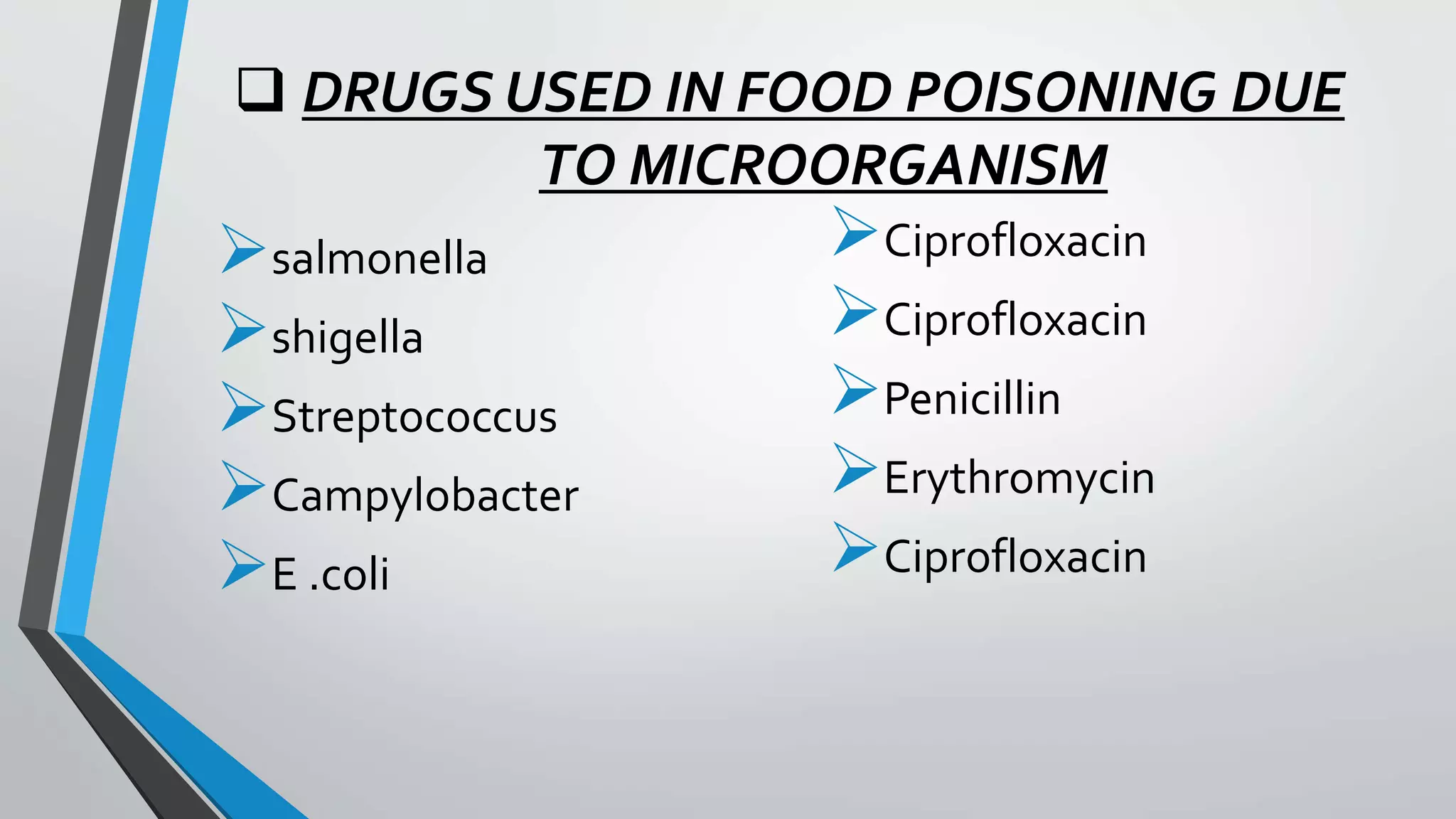
Salmonella and Shiga toxin-producing E. coli (STEC) usually enter the cheese production chain through fecal contamination during the milking process. While pasteurization kills these bacteria, "post-pasteurization contamination" remains a concern. This happens when the milk is heat-treated but becomes re-contaminated by dirty equipment or infected workers before it is turned into cheese.
Staphylococcus aureus
Staphylococcus aureus is unique because it produces a heat-stable toxin. If cheese is left out at room temperature for too long, the bacteria can grow and release this toxin. Even if you cook the cheese later, the toxin remains active and can cause rapid-onset vomiting and nausea. This is why temperature control is the most critical factor in preventing staphylococcal food poisoning.
Symptoms and Incubation Periods
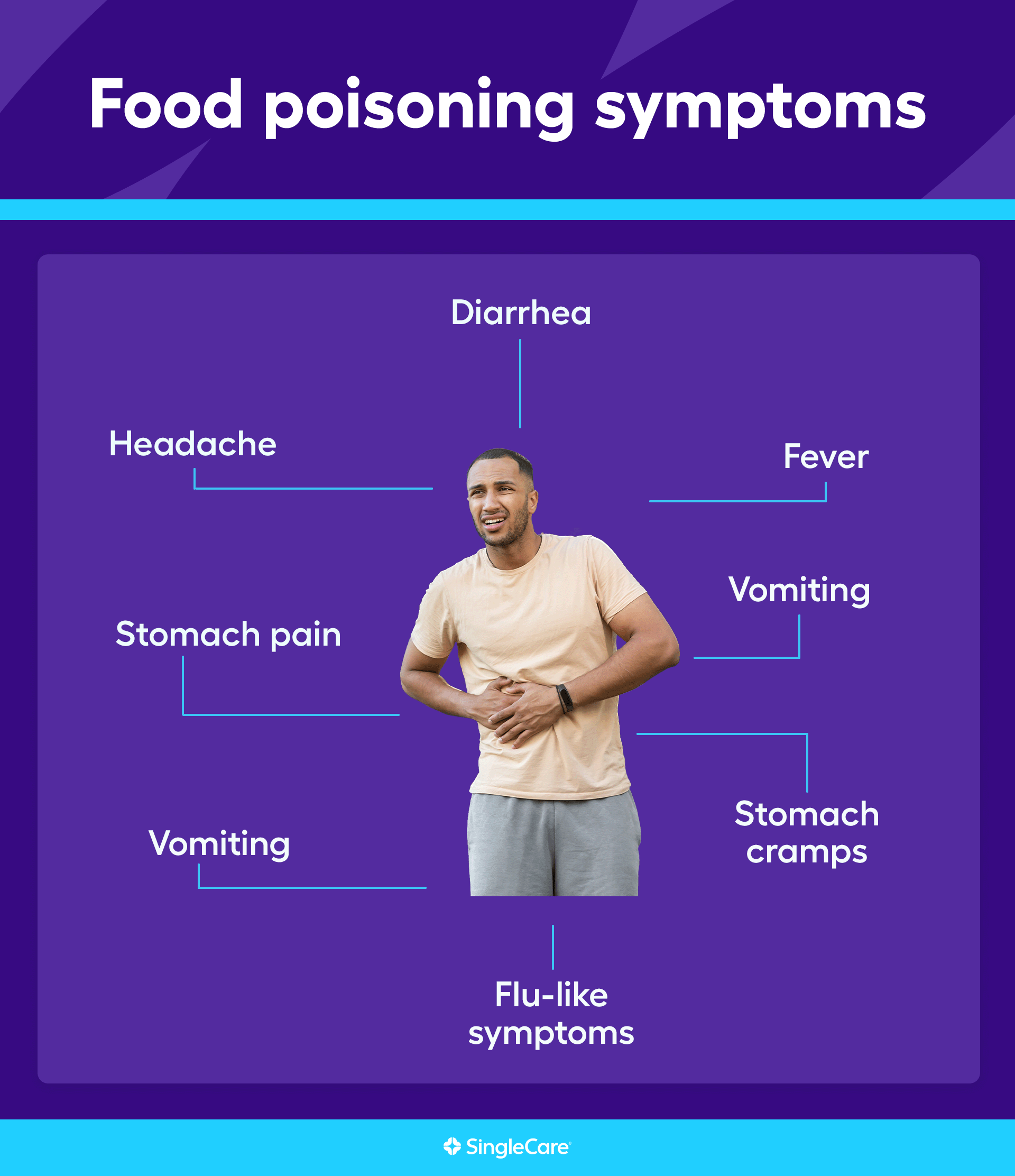
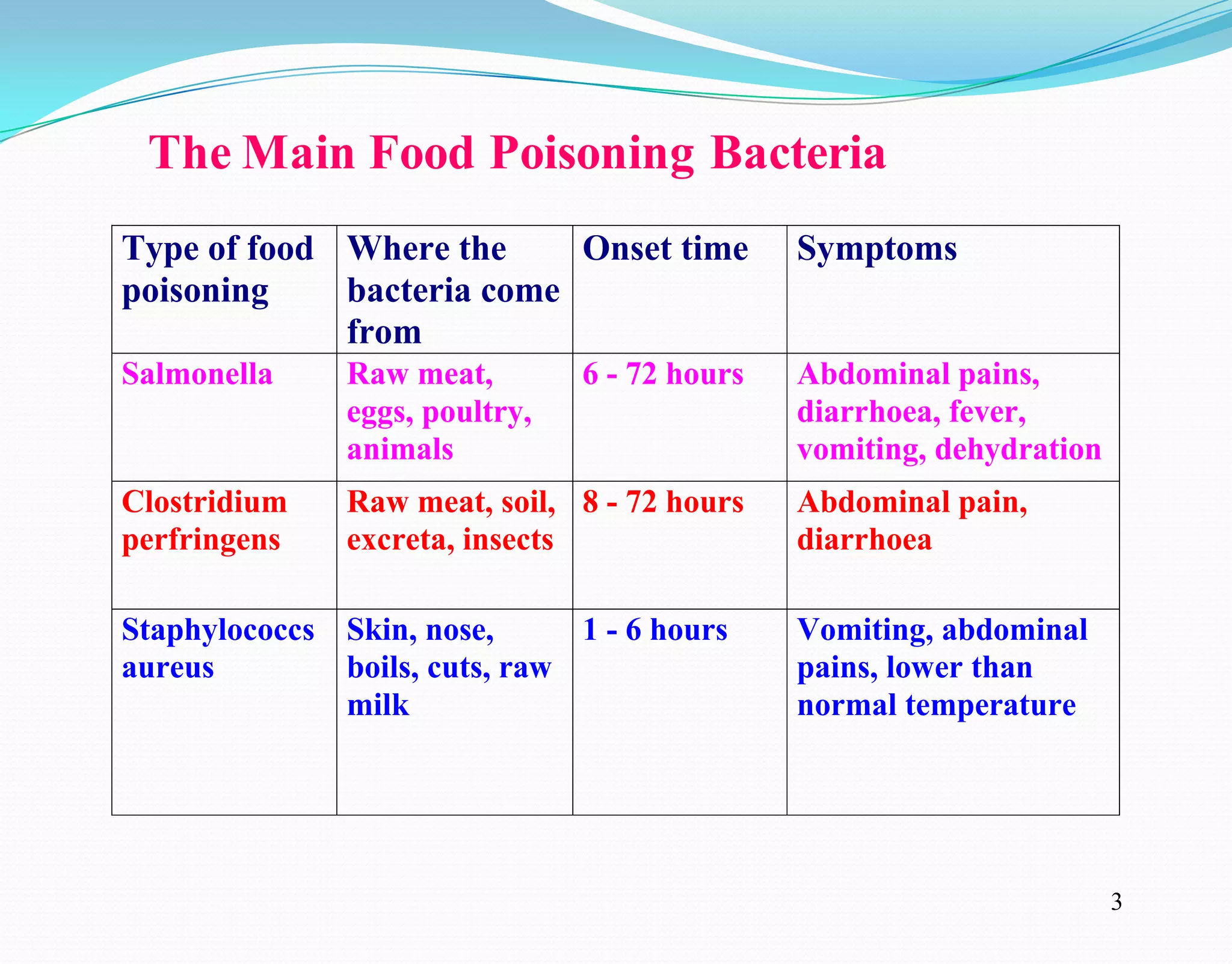
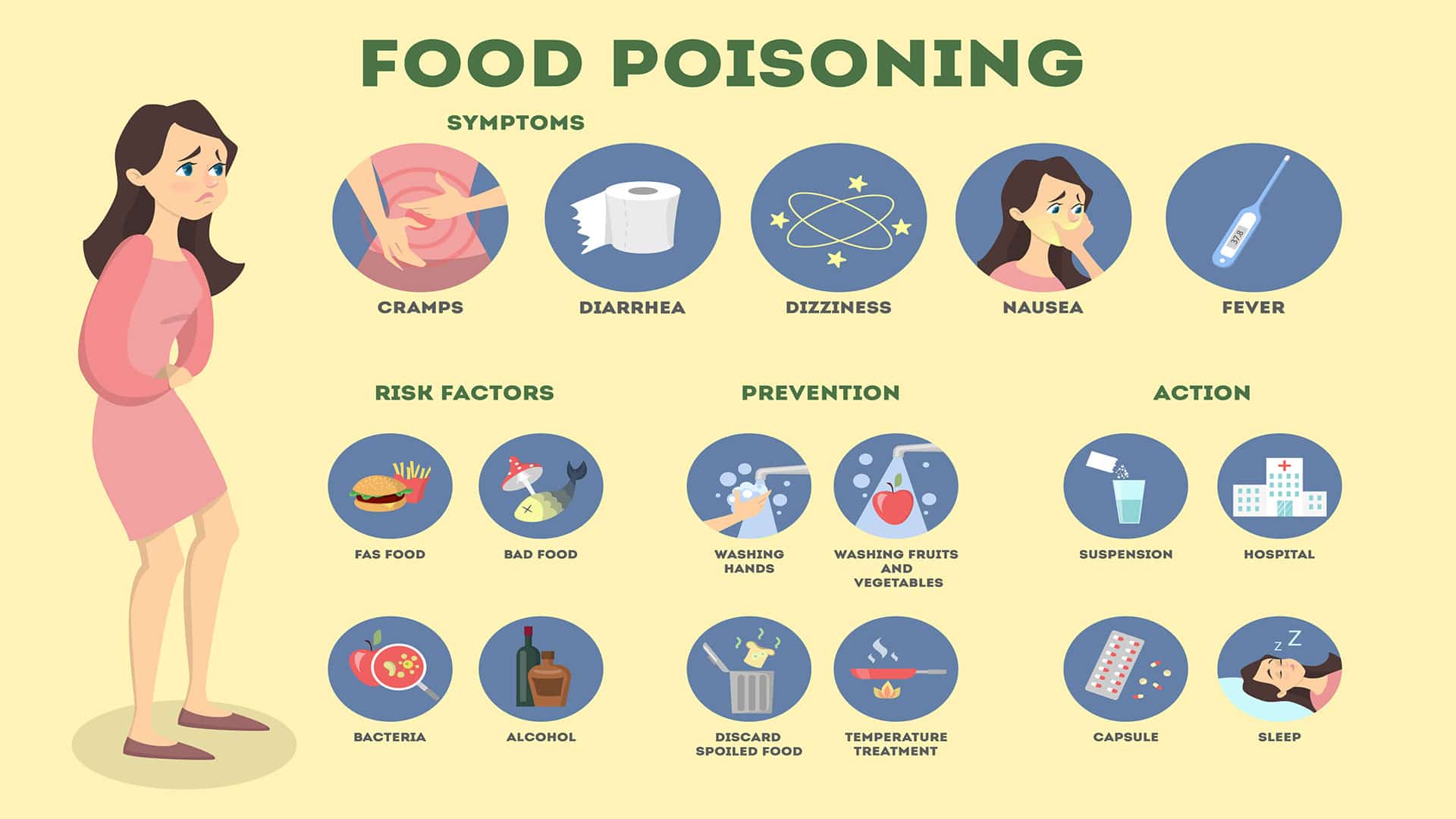
Recognizing the symptoms of food poisoning from cheese depends entirely on which pathogen was ingested. The "incubation period"—the time between eating the food and feeling sick—varies wildly.
| Pathogen | Typical Incubation Period | Common Symptoms | Duration of Illness |
|---|---|---|---|
| Listeria | 1 to 70 days | Fever, muscle aches, stiff neck, confusion, loss of balance. | Days to weeks; requires medical intervention. |
| Salmonella | 6 hours to 6 days | Diarrhea, abdominal cramps, fever, nausea, vomiting. | 4 to 7 days; usually resolves without antibiotics. |
| STEC E. coli | 3 to 4 days | Severe stomach cramps, bloody diarrhea, low-grade fever. | 5 to 10 days; risk of kidney failure (HUS). |
| S. aureus | 30 mins to 8 hours | Intense nausea, projectile vomiting, stomach cramps. | 1 to 2 days; onset is very rapid. |
| Campylobacter | 2 to 5 days | Diarrhea (often bloody), fever, abdominal cramps. | About one week. |
Prevention: From Purchase to Plate
Preventing food poisoning from cheese requires a combination of smart shopping, proper storage, and hygienic handling.
Temperature Management
As of 2026, the "Danger Zone" for bacterial growth remains 40°F to 140°F (4°C to 60°C). Cheese should never spend more than two cumulative hours in this temperature range. If you are serving a cheese platter at a party, keep the portions small and replenish them from the refrigerator as needed, rather than leaving the entire block out all evening.
Cross-Contamination Protocols
Many cases of food poisoning occur not because the cheese was bad, but because it was sliced on a board that previously held raw meat or unwashed vegetables. Always use a clean knife and dedicated cutting surface for cheese. Furthermore, avoid touching the cheese directly with your hands if possible; use wax paper or gloves to handle blocks while slicing.
Managing Mold and Spoilage
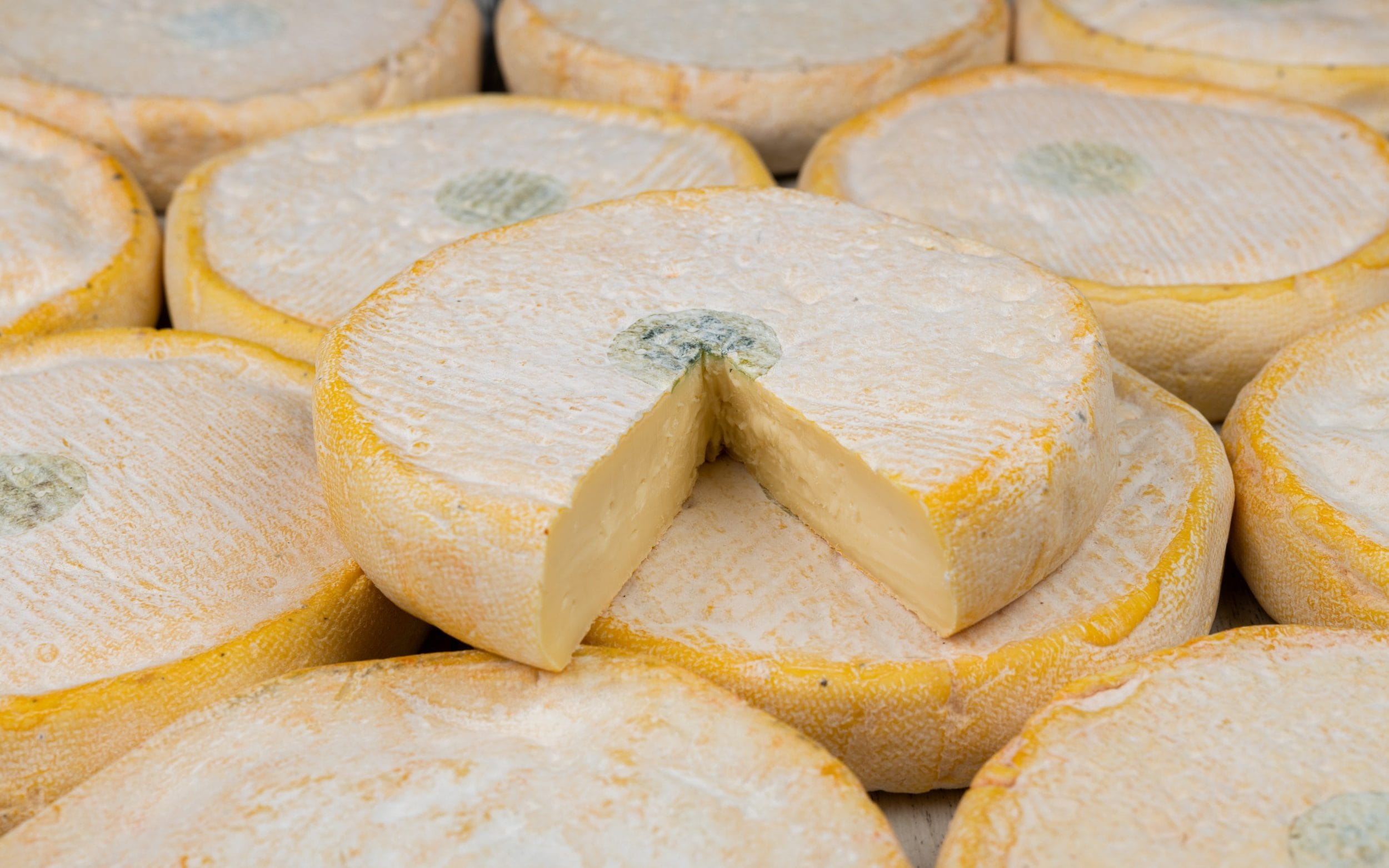
It is a common myth that all mold on cheese is safe because "cheese is made of mold." This is incorrect. The molds used to make Roquefort or Gorgonzola (Penicillium species) are specifically selected and safe. However, "wild" molds that grow on cheese in your fridge can produce mycotoxins.
- Hard Cheese: If you see a small spot of mold on a block of Cheddar or Swiss, you can usually save it. Cut away at least one inch around and below the mold spot, ensuring the knife does not touch the mold itself.
- Soft Cheese: If mold appears on soft cheese (Brie, cottage cheese, ricotta) or shredded cheese, discard the entire package. The high moisture content allows mold hyphae (roots) and invisible bacteria to spread throughout the product quickly.
At-Risk Populations
While anyone can contract food poisoning, certain groups face life-threatening complications. In 2026, medical guidelines continue to emphasize caution for:
- Pregnant Women: Due to the risk of listeriosis, many doctors recommend avoiding unpasteurized soft cheeses entirely during pregnancy.
- The Elderly: Immune systems weaken with age, making it harder to fight off infections like Salmonella.
- Young Children: Their smaller body mass makes them more susceptible to dehydration from vomiting and diarrhea.
- Immunocompromised Individuals: Those undergoing chemotherapy or living with chronic conditions should prioritize pasteurized, hard cheeses which have a lower microbial load.
When to Seek Medical Attention
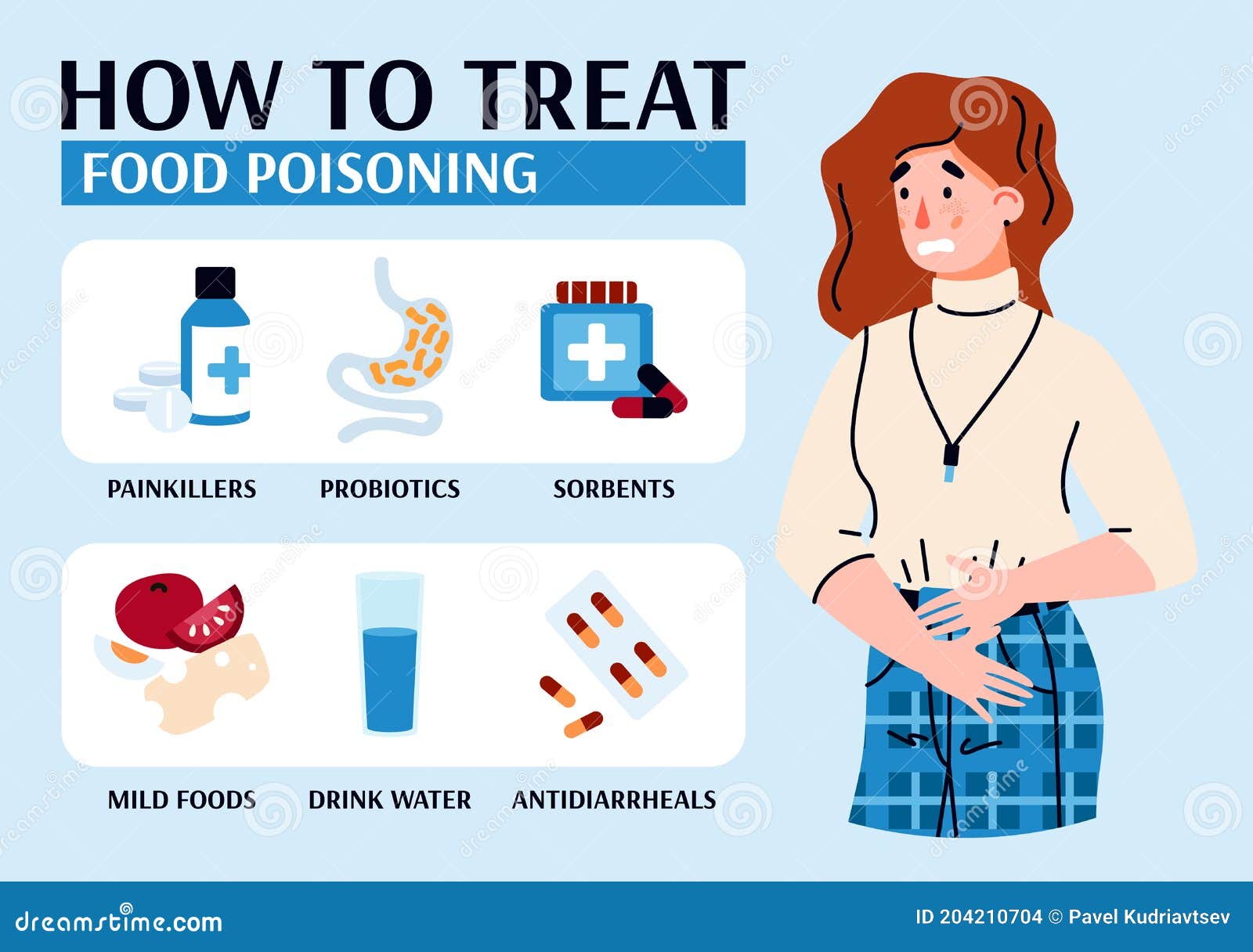
Most cases of food poisoning are self-limiting and resolve with rest and hydration. However, cheese-related illnesses, particularly those involving Listeria or E. coli, can escalate. You should contact a healthcare provider if you experience:
- High Fever: A temperature over 102°F (38.9°C).
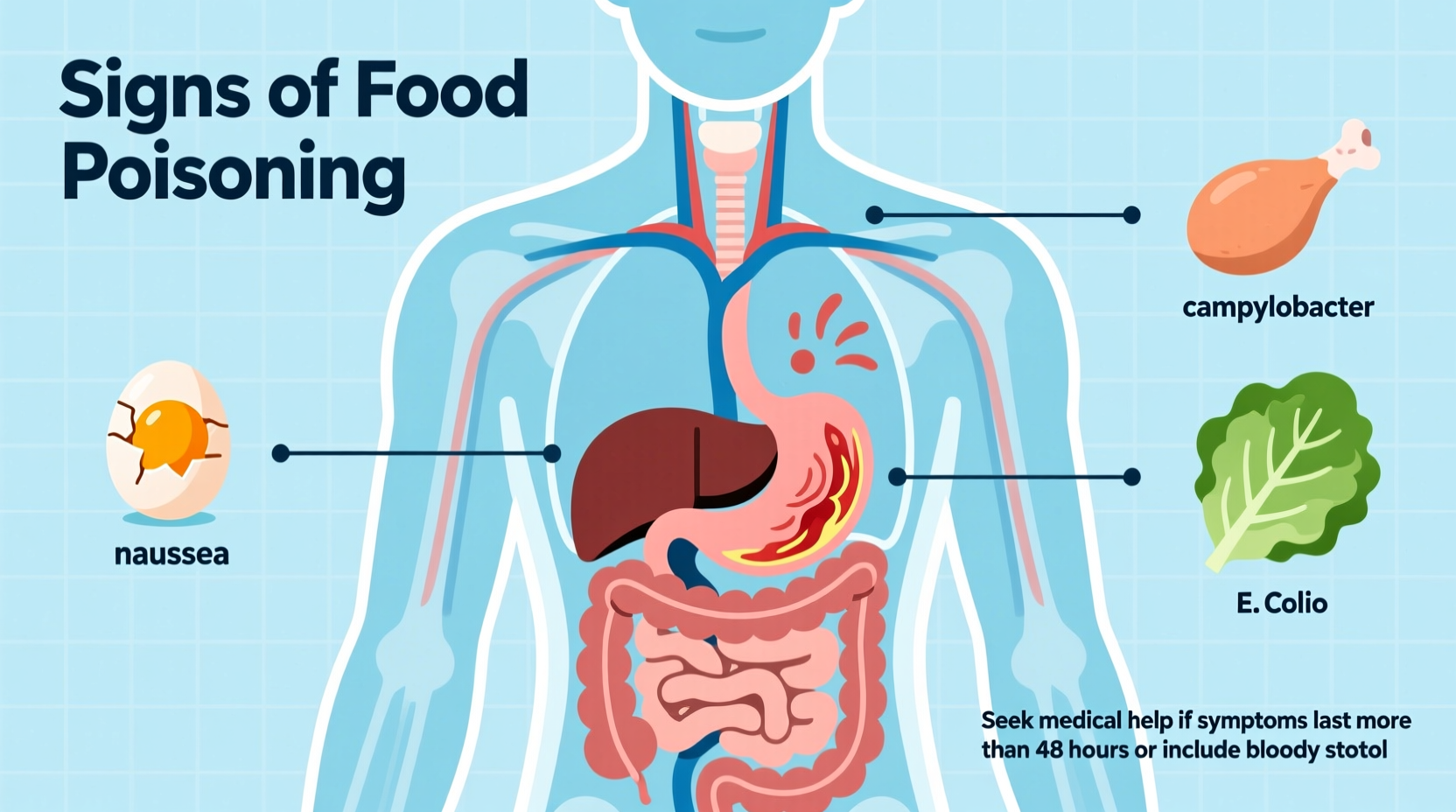
- Bloody Stools: This is a hallmark of STEC E. coli or Campylobacter.
- Signs of Dehydration: Inability to keep liquids down, very little urination, or extreme dizziness.
- Neurological Symptoms: Headache, stiff neck, or confusion following the consumption of soft cheese (signs of invasive listeriosis).
Frequently Asked Questions
Can you get food poisoning from cooked cheese?
Yes, but it is less likely. While high heat (above 165°F) kills most live bacteria like Salmonella and Listeria, it does not always destroy the toxins produced by Staphylococcus aureus. If the cheese was contaminated and left at room temperature for hours before being put on a pizza or in a sauce, the heat-stable toxins can still make you sick.
Is "smelly" cheese a sign of food poisoning?
Not necessarily. Many artisanal cheeses have a strong, pungent odor due to "washed-rind" techniques using Brevibacterium linens. However, if a cheese that is normally mild (like Mozzarella or Monterey Jack) develops a sour, ammonia-like, or "off" smell, it is a sign of spoilage and should be discarded.
How long does cheese stay safe in the refrigerator?
Hard cheeses can last 3 to 4 weeks after opening if wrapped tightly. Soft cheeses have a much shorter window, typically 1 to 2 weeks. Always check the "Use By" or "Best By" dates, but rely on your senses; if the texture has become slimy or the color has changed, do not risk it.
Does freezing cheese kill bacteria?
No. Freezing does not kill most foodborne pathogens; it merely puts them into a state of dormancy. Once the cheese thaws, any bacteria present will become active again. Freezing is an effective way to preserve the shelf life and texture of some cheeses, but it is not a safety treatment for contaminated products.
Practical Recommendation
To minimize your risk of food poisoning from cheese in 2026, prioritize purchasing pasteurized products, especially if you fall into a high-risk category. When buying artisanal or raw milk cheeses, purchase them from reputable cheesemongers who maintain strict cold-chain integrity. At home, store cheese in the coldest part of your refrigerator (usually the back of the bottom shelf) and use a clean knife for every serving to prevent the introduction of outside bacteria.
Image Gallery