How to Keep a Fresh Water Tank from Freezing: Comprehensive 2026 RV & Off-Grid Guide
Keeping a fresh water tank from freezing requires a multi-layered thermal defense strategy that combines insulation, active heating elements, and smart water management. When temperatures drop below 32 degrees Fahrenheit, unprotected p...
Keeping a fresh water tank from freezing requires a multi-layered thermal defense strategy that combines insulation, active heating elements, and smart water management. When temperatures drop below 32 degrees Fahrenheit, unprotected polyethylene tanks and vulnerable PEX plumbing lines are at extreme risk of structural rupture, which can cost thousands in repairs and leave you without potable water.
Contents
Understanding the Physics of Water Freezing in RV and Off-Grid Systems
Water expands by approximately 9 percent when it transitions from a liquid to a solid state. In a sealed fresh water tank, this volumetric expansion exerts immense hydraulic pressure against the walls of the reservoir, fittings, and surrounding fittings. Understanding how ambient temperatures interact with your vehicle or cabin underbody is critical for preventing catastrophic failures.
The Thermal Vulnerability of Underbody Tanks
Factory-installed fresh water tanks typically sit exposed beneath the floorboards of recreational vehicles, tiny homes, or off-grid cabins. While the living space above remains warm, the undercarriage acts as a thermal sink. Wind chill accelerates heat loss through convection, causing the water inside the reservoir to drop to freezing temperatures long before ambient air temperatures reach 32 degrees Fahrenheit.
Critical Freezing Thresholds for Plumbing Systems
- Stage 1 (34°F to 32°F): Water temperature approaches the freezing threshold. Surface ice crystals may begin to form in stagnant areas, particularly near thin-walled fittings and entry ports.
- Stage 2 (32°F and Below): Phase change occurs. Ice crystals bind together, forming a rigid lattice that traps liquid water and builds internal pressure against tank walls and pump housings.
- Stage 3 (Sub-20°F sustained): Rapid freeze-through occurs. Without active intervention, polyethylene tanks will crack, threaded PVC/PEX adapters will shear, and 12-volt water pumps will sustain cracked filter bowls and internal diaphragms.
Pre-Season Inspection and Material Preparation
Before sub-freezing weather arrives, a thorough structural assessment of your water storage system ensures that your winterization defenses will hold up under severe environmental stress.
Inspecting Tank Mounts and Shielding
Examine the physical mounting brackets supporting your fresh water tank. Loose straps allow the tank to shift when ice forms, stressing rigid plumbing lines. Check existing corrugated plastic underbelly shields (often referred to as an "enclosed underbelly") for gaps, tears, or missing fasteners that allow cold air drafts to circulate freely around the tank surface.
Sealing Air Leaks and Draft Points
Drafts are the primary culprit behind localized freezing. Use expanding polyurethane foam and high-grade exterior silicone sealant to close off gaps where water lines penetrate the subfloor. Ensure that heating ducts routed near the underbelly (if equipped) are intact, free of kinks, and properly sealed at all joint junctures.
Active Heating Strategies for Fresh Water Tanks
When ambient temperatures drop well below freezing, passive insulation alone is rarely enough. You must introduce active heat sources to maintain water temperature safely above the freezing point.
1. 12V and 120V Tank Heating Pads
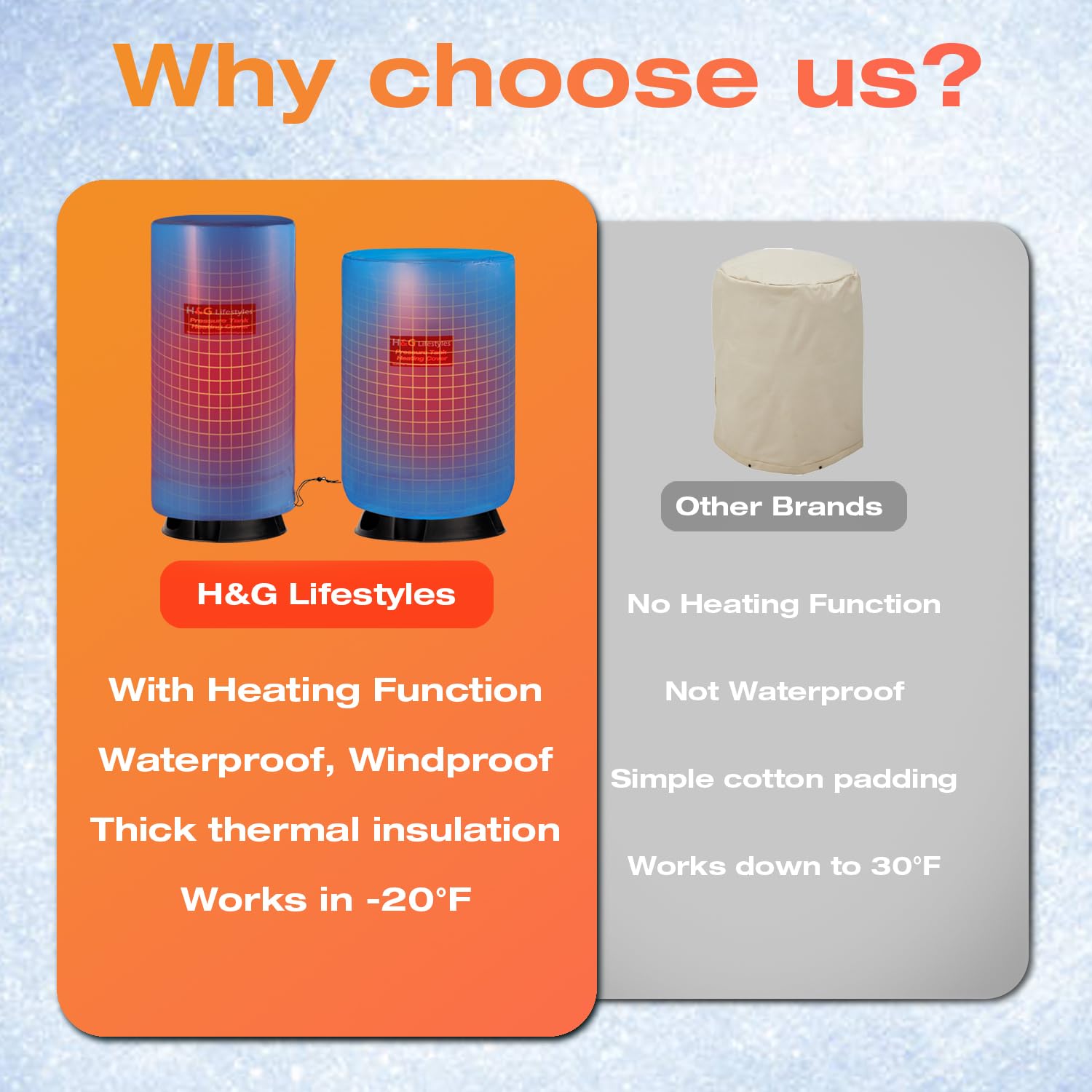
Applying thermostatically controlled heating pads directly to the underside of the fresh water tank is the industry-standard method for winter camping and off-grid living. These pads feature built-in bimetallic thermostats that automatically turn on when the pad surface drops to approximately 44°F and shut off once the temperature rises to 68°F.
- Power Requirements: 12V DC pads draw between 3 to 7 amps, making them ideal for boondocking when paired with adequate battery banks and solar arrays. 120V AC pads require shore power or a reliable generator.
- Installation Protocol: Clean the polyethylene tank surface with isopropyl alcohol to remove dust and oils. Peel the adhesive backing firmly, press the pad to the lowest flat surface of the tank where sediment and residual water collect, and wire the unit through a dedicated fused switch inside your living space.
2. Underbelly Enclosure Ducting and Tank Skirting
If your vehicle features an enclosed underbelly, routing a branch of your forced-air furnace duct directly into the underbelly cavity provides a continuous stream of warm air. For stationary RVs or tiny homes, installing heavy-duty vinyl or canvas RV skirting creates a dead-air dead zone beneath the chassis. Placing a thermostatically controlled electric space heater or ceramic construction heater beneath the skirt prevents ground frost from chilling the undercarriage.
3. Tank Blanket Insulation
Wrap your fresh water tank in closed-cell polyethylene foam insulation or radiant barrier foil insulation. Unlike fiberglass insulation, closed-cell foam does not absorb moisture or condensation, preventing mold growth and maintaining its thermal resistance value (R-value) in damp underbelly environments.
Protecting Vulnerable Plumbing Lines, Valves, and Pumps
Even if your main fresh water tank remains fluid, exposed water lines, drain valves, and inline pumps are highly susceptible to freezing due to their small volume and high surface area-to-volume ratio.
Heat Tape and Pipe Insulation
Wrap exposed PEX or poly-b tubing with self-regulating heat cable (heat tape) before insulating over them with foam pipe sleeves. Self-regulating cables automatically adjust their heat output based on local ambient temperatures, preventing localized hot spots. Secure the foam sleeves with UV-resistant zip ties or heavy-duty foil tape, ensuring no gaps are left exposed to wind.
Protecting the 12V Water Pump and Strainer
The 12V demand water pump is often located in unheated storage bays or cabinets against exterior walls.
- Install a small 12-volt heating strip or a low-wattage incandescent/LED utility bulb inside the pump compartment to generate gentle radiant heat.
- Always drain the clear plastic strainer bowl if freezing conditions are expected and the system is temporarily shut down, as this bowl is notoriously thin and prone to splitting.
Comprehensive Comparison of Tank Freeze-Prevention Methods
| Method | Power Source | Cost Range | Installation Complexity | Best Use Case |
|---|---|---|---|---|
| Silicone Tank Heating Pads | 12V DC / 120V AC | Medium ($50 - $150) | Moderate (Requires wiring & surface prep) | Mobile RVing, freezing travel, boondocking |
| RV Skirting & Space Heater | 120V AC / Propane | High ($200 - $600+) | Low (Manual placement & setup) | Stationary winter living, long-term base camps |
| Forced-Air Underbelly Ducting | Propane / 12V blower | Variable (Built-in) | Expert (Requires HVAC modification) | Modern four-season RVs |
| Closed-Cell Foam Insulation | None (Passive) | Low ($30 - $70) | Low (Cut and paste application) | Mild to moderate freezing climates |
| Self-Regulating Heat Tape | 120V AC / Inverter | Medium ($40 - $90) | Moderate (Wrapping pipes & securing sleeves) | Exposed exterior water lines and drain valves |
Step-by-Step Emergency Protocol for Freezing Weather
When sudden arctic blasts or unexpected hard freezes strike, executing a systematic response plan prevents permanent damage to your water system.
- Verify Power Sources: Ensure your battery monitor shows sufficient charge for 12V heating pads, or confirm that your shore power pedestal is securely locked in and breakers are active.
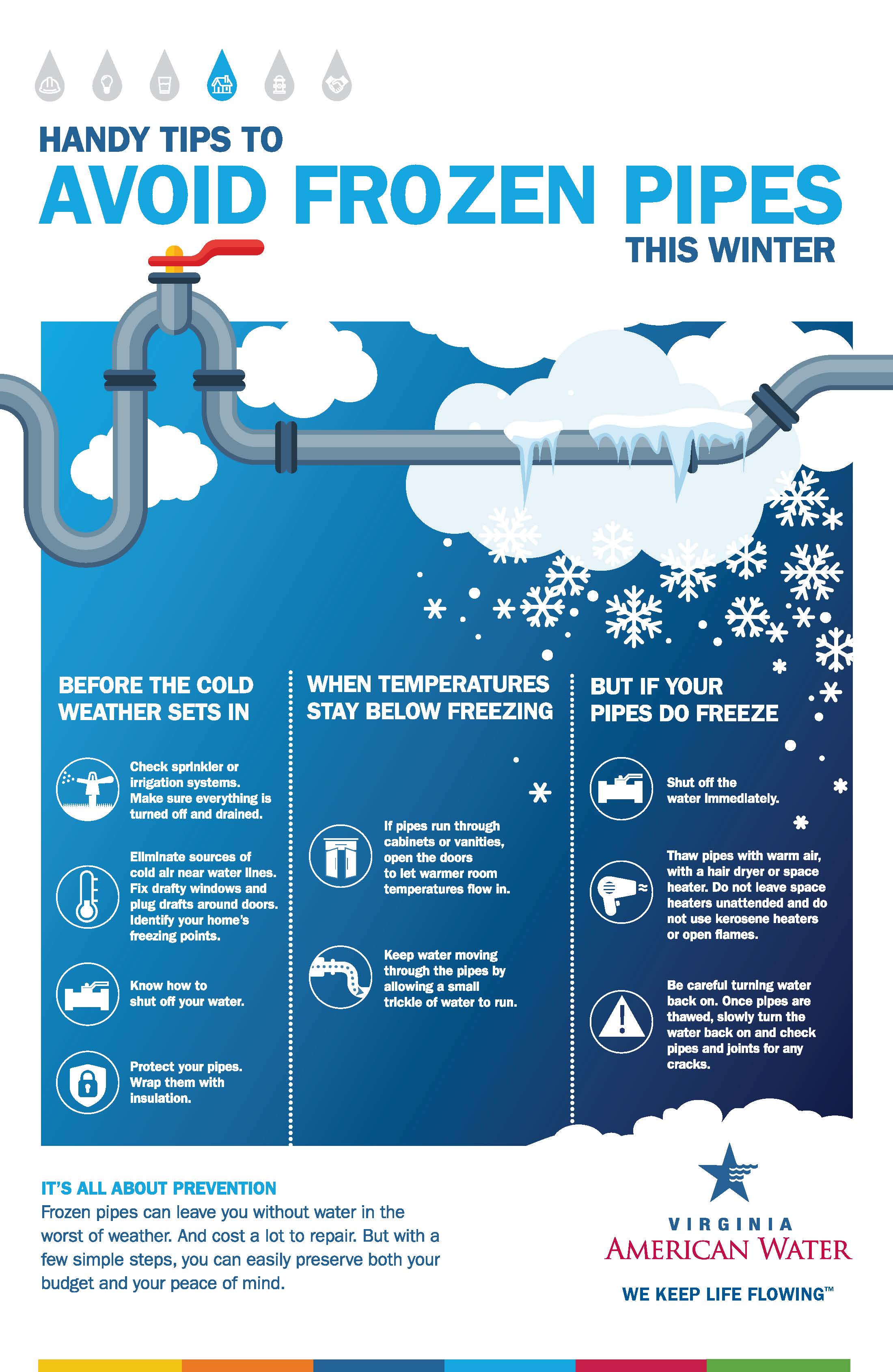
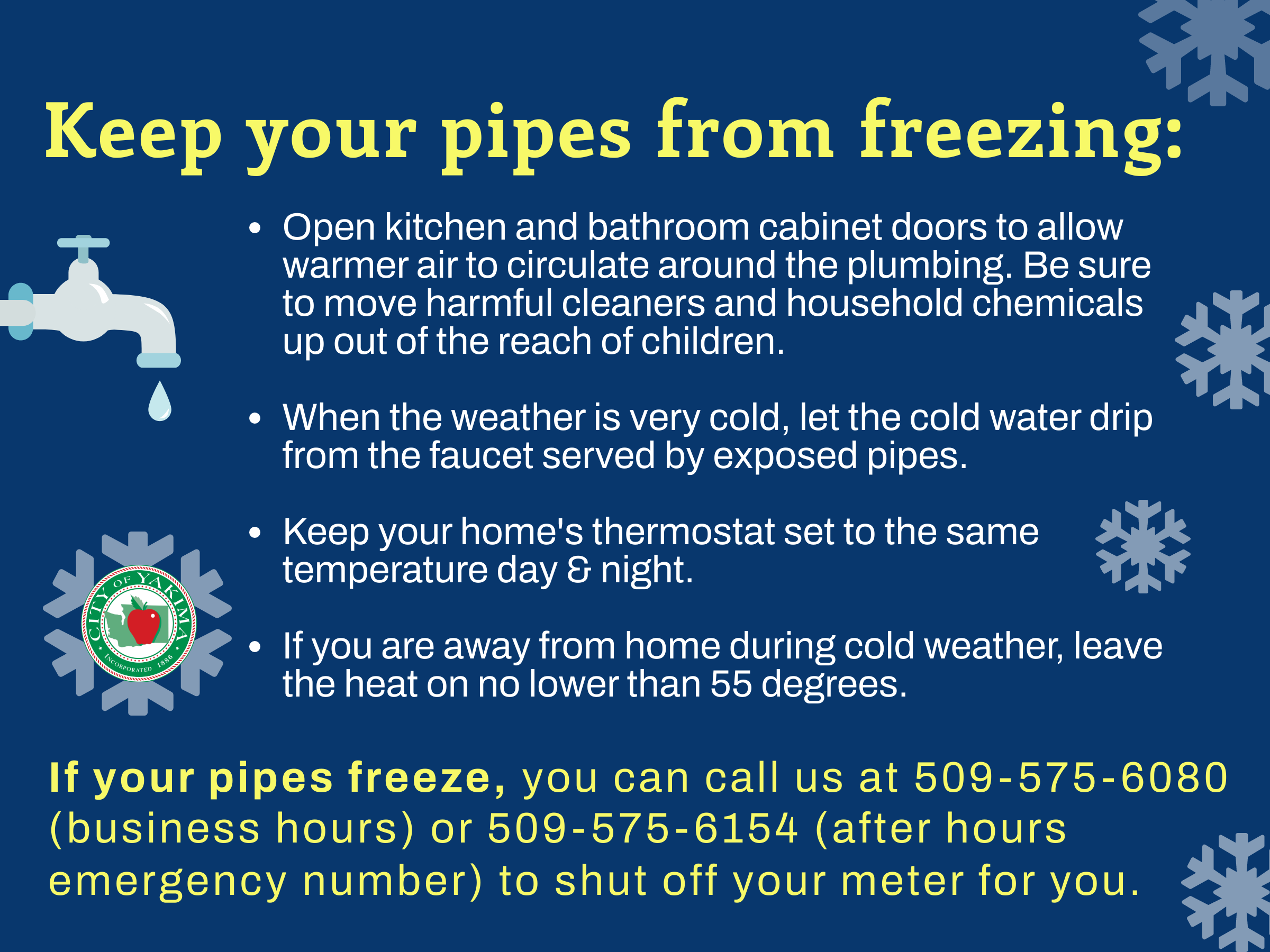
- Activate Internal Heat Sources: Turn on all dedicated tank heating pad switches and open cabinet doors beneath sinks to allow cabin heat to reach interior plumbing lines and water pumps.
- Run Water Trickle Method: If connected to a pressurized city water source and sewer hookup, let a single faucet drip at a slow, steady stream (about the thickness of a pencil lead). Moving water resists freezing significantly longer than stagnant water.
- Monitor Grey and Black Tanks: Remember that fresh water is not your only concern. Protect your waste tanks by adding specialized RV-safe pink antifreeze (propylene glycol) to holding tanks after dumping, and keep enclosed underbelly heaters running.
- Drain and Bypass in Extreme Cold: If temperatures plummet below zero Fahrenheit for extended periods and heating systems struggle to keep up, shut off the water supply, open all low-point drains, blow out lines with compressed air, and rely exclusively on internal portable jug water until ambient temperatures rise.
Frequently Asked Questions
Will running the water pump keep water from freezing?
No. While water movement slows down the freezing process, a running pump will not generate enough friction or thermal energy to prevent a static tank or exposed pipe from freezing in sustained sub-zero temperatures. Active heating pads or heat tape are required.
Can I use regular fiberglass insulation on my fresh water tank?
It is strongly discouraged. Fiberglass insulation absorbs moisture, road spray, and condensation from the underbelly. Once wet, it loses its insulating properties entirely, packs down, and creates a breeding ground for mold and mildew. Always use closed-cell foam or radiant barriers.
How do I know if my fresh water tank heating pad is working?
Most modern tank heating pads feature an integrated thermal switch that only activates when the pad surface cools below approximately 44°F. To test them in warm weather, you can temporarily chill the sensor with an ice pack or check the circuit draw with a multimeter to verify electrical continuity and current flow.
Is it safe to leave RV antifreeze in the fresh water tank?
No. Standard potable RV plumbing antifreeze (propylene glycol) is non-toxic and safe for winterizing water lines, but it imparts a strong, unpleasant taste and odor to the water. Never fill your fresh water tank with antifreeze for winter use; instead, drain the tank completely and use tank heating pads to keep functional fresh water liquid.
What temperature causes an RV fresh water tank to freeze?
While pure water freezes at 32°F (0°C), an RV fresh water tank exposed to wind chill under an uninsulated underbelly can begin to freeze when ambient air temperatures drop to 28°F to 30°F for a sustained period of several hours.
Professional Maintenance and Emergency Support
Maintaining a reliable, freeze-proof fresh water system requires vigilance throughout the winter season. Regularly inspect your electrical connections, test your heating pad thermostats with a non-contact infrared thermometer, and keep a backup supply of potable water in sealed jugs inside your heated living space. If you encounter persistent plumbing failures or suspect structural damage to hidden underbelly lines, consult a certified RV technician or mobile repair service equipped with specialized diagnostic tools and thermal imaging equipment.
Image Gallery